
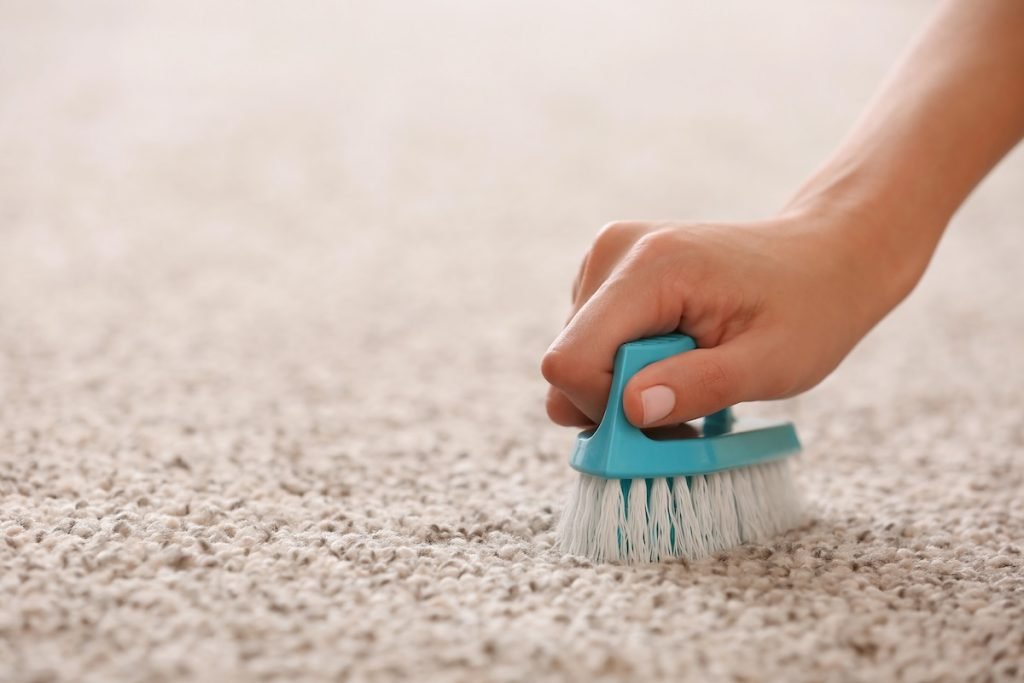
Do you ever notice a musty smell lingering in your cleaning tools? That unpleasant odor might be mold.
Over time, scrub brushes can become breeding grounds for mold, especially if they aren’t dried properly after use. Mold isn’t just unsightly; it can also spread harmful spores in your home. So, what can you do about it? Imagine being able to clean efficiently with a fresh, mold-free brush every time.
In this guide, you’ll discover simple, effective steps to restore your scrub brush to its pristine state. By learning how to clean a moldy scrub brush, you not only ensure a healthier home environment but also extend the life of your cleaning tools. Keep reading to unlock the secrets to a fresher, cleaner home that benefits your health and your wallet.
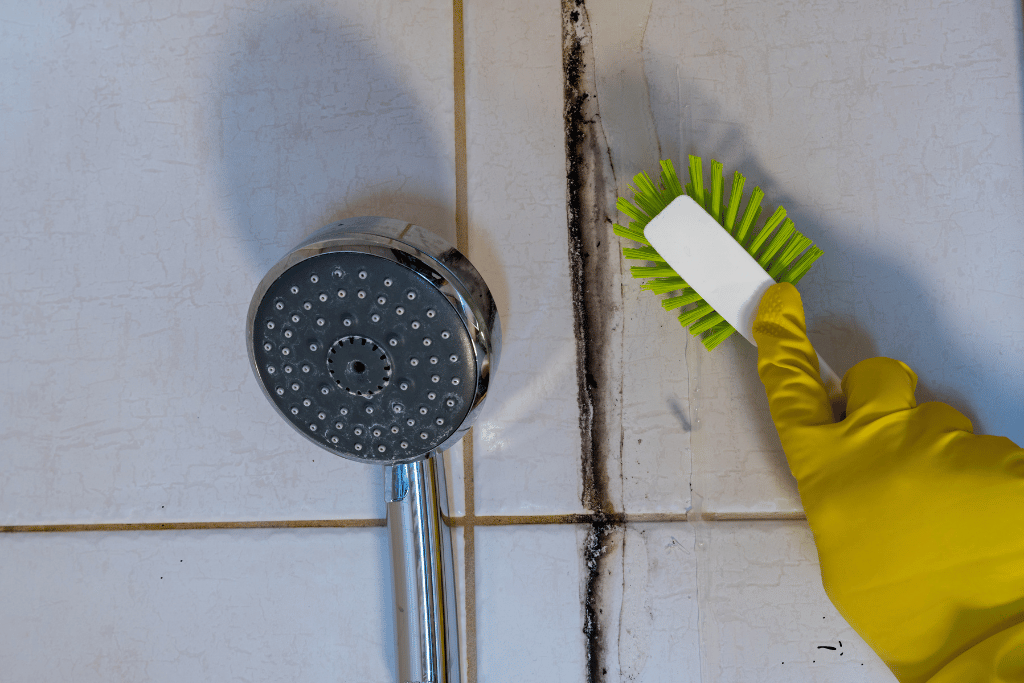
Credit: sunnybliss.com
Causes Of Mold On Scrub Brushes
Mold thrives on scrub brushes due to trapped moisture and organic debris. Poor drying and storage conditions accelerate mold growth. Proper cleaning and drying methods help prevent mold buildup on these household tools.
Cleaning a moldy scrub brush might seem like a minor task, but understanding why mold appears is crucial. Mold thrives in moist environments, making your scrub brush a prime target. Have you ever wondered why your trusty cleaning tool suddenly turns into a mold magnet? Let’s dive into the common reasons behind this pesky problem.1. Moisture Retention
Scrub brushes often remain damp after use. The bristles trap water, especially if you store the brush in a poorly ventilated area. This creates the perfect breeding ground for mold.2. Lack Of Sunlight
Sunlight is a natural mold deterrent. If your scrub brush doesn’t get exposure to sunlight, mold can grow unchecked. Consider where you store your cleaning tools to prevent this.3. Organic Residue
Food particles or soap scum can linger on your brush. These residues provide nutrients for mold. Rinsing thoroughly after each use helps eliminate this source.4. Poor Air Circulation
Airflow is vital to drying your brush. Keeping it in a closed space like a cabinet slows down drying, promoting mold growth. Think about using a wall hook or a stand for better air circulation.5. Usage Frequency
Using your scrub brush regularly without proper cleaning can lead to mold. Each use leaves behind moisture and grime, which accumulate over time. Regular maintenance is key to keeping mold at bay. Understanding these causes empowers you to prevent mold from taking over your scrub brush. How will you adjust your cleaning routine to keep your tools mold-free?Health Risks Of Mold Exposure
Mold can be sneaky, lurking in places you least expect, like your scrub brush. It’s not just an eyesore; it poses serious health risks. Mold exposure can lead to various health issues, especially if you’re sensitive or allergic to it. Understanding these risks is crucial, as it can affect your well-being and that of your family.
Understanding The Health Risks
Mold spores are microscopic and can easily become airborne, entering your respiratory system. This can lead to symptoms like sneezing, runny nose, and itchy eyes, which might seem like a common cold.
If you have asthma or a weakened immune system, mold exposure can exacerbate your condition, leading to more severe respiratory issues. Have you noticed any persistent cough or difficulty in breathing? It might be worth considering mold as a culprit.
Long-term Effects Of Mold Exposure
Chronic exposure to mold can lead to more serious health problems over time. It can affect your lungs, leading to infections or conditions like hypersensitivity pneumonitis. Have you ever experienced fatigue or headaches that just won’t go away? Mold might be silently affecting your life.
Moreover, mold exposure has been linked to cognitive issues, impacting your ability to concentrate or remember things. If you find yourself unusually forgetful or struggling to focus, mold could be the unseen factor.
Preventing Mold Exposure
- Regularly inspect and clean areas prone to moisture, like bathrooms and kitchens.
- Ensure good ventilation to reduce humidity levels.
- Use dehumidifiers to maintain a dry environment.
- Replace items like scrub brushes and sponges frequently to prevent mold growth.
By being proactive and vigilant, you can protect yourself from the health risks associated with mold. Have you checked your scrub brush lately? It might be time to give it a thorough cleaning to safeguard your health.
Materials Needed For Cleaning
Gather vinegar, baking soda, and an old toothbrush for cleaning a moldy scrub brush. Use gloves to protect your hands.
Cleaning a moldy scrub brush might seem daunting, but it’s quite simple. The key is gathering the right materials. With these, you can restore your scrub brush’s cleanliness and effectiveness. Below is a list of materials you’ll need. Each plays a crucial role in the cleaning process.White Vinegar
White vinegar is a natural disinfectant. It helps kill mold spores and bacteria. Its acidic nature makes it an excellent cleaning agent.Baking Soda
Baking soda is effective for scrubbing and deodorizing. It helps lift stains and neutralizes odors.Hot Water
Hot water loosens grime and dirt. It also enhances the effectiveness of cleaning agents.Old Toothbrush
An old toothbrush is perfect for scrubbing tight spots. It reaches areas that are hard to clean with larger brushes.Dish Soap
Dish soap cuts through grease and grime. It helps in removing dirt and mold from the bristles.Large Bowl Or Container
A large bowl or container holds the cleaning solution. It allows you to soak the scrub brush thoroughly.Rubber Gloves
Rubber gloves protect your hands. They are essential when handling cleaning agents and mold. Gather these materials, and you’re ready to clean your scrub brush. Each item plays a vital role in ensuring a thorough cleaning process.
Credit: www.amazon.ca
Step-by-step Cleaning Process
Cleaning a moldy scrub brush is vital for hygiene and longevity. Follow this step-by-step guide to restore your brush to its original state. Each step is simple and ensures your brush is thoroughly cleaned.
Initial Rinse And Inspection
Start by rinsing the brush under warm water. Check for visible mold or debris. This helps identify areas that need special attention. Ensure bristles are free from loose dirt before proceeding.
Mixing Cleaning Solution
Create a solution using one part vinegar and one part water. Vinegar is a natural disinfectant and removes mold effectively. Pour the mixture into a container large enough to submerge the brush.
Scrubbing Techniques
Dip the brush in the solution and scrub vigorously. Focus on areas with visible mold. Use a toothbrush for hard-to-reach spots. This ensures all mold is loosened and removed.
Rinsing And Drying
Rinse the brush thoroughly under warm water. Ensure all cleaning solution is washed away. Shake off excess water and place the brush in a sunny spot. Allow it to dry completely to prevent mold reappearance.
Preventing Future Mold Growth
Preventing future mold growth starts with cleaning your scrub brush regularly. Rinse thoroughly after use and let it dry completely. Store it in a well-ventilated area to keep mold away.
Preventing mold on scrub brushes is essential for cleanliness and health. Mold not only damages the brush but also spreads germs. To keep your brushes mold-free, follow these simple strategies.Proper Storage Methods
Store your scrub brush in a dry place. Moisture encourages mold growth. Use a holder that allows water to drain. Keep it away from wet surfaces. Hang the brush if possible. This ensures it dries quickly.Regular Cleaning Schedule
Clean your scrub brush weekly. Use hot water and soap. Rinse thoroughly to remove debris. Let it air dry completely. This routine prevents mold buildup. Regular maintenance ensures a longer lifespan.
Credit: expressfmg.com
Alternative Cleaning Methods
Cleaning a moldy scrub brush can be simple with vinegar and baking soda. Soak the brush in a vinegar solution for 30 minutes. Scrub with baking soda to remove mold and rinse thoroughly.
When your scrub brush gets moldy, it’s tempting to toss it out and buy a new one. However, there are effective alternative cleaning methods that can restore your brush to its former glory. Not only do these methods save money, but they also provide eco-friendly solutions to a common problem. Let’s explore how simple household items can transform your cleaning routine and keep your scrub brush fresh.Using Vinegar
White vinegar is a household hero when it comes to tackling mold. Its natural acidity makes it a potent cleaner. Simply fill a bowl with equal parts water and vinegar. Let the scrub brush soak for at least an hour. This will allow the vinegar to break down mold spores effectively. After soaking, rinse the brush thoroughly with warm water. You might be surprised at how easily the mold lifts away.Bleach Solutions
Bleach is a powerful mold killer, but it must be used with caution. Always ensure good ventilation when working with bleach. Mix a solution of one part bleach to nine parts water. This dilution is strong enough to kill mold but safe for most scrub brushes. Submerge the brush in the solution for about 30 minutes. Rinse thoroughly with water afterward to remove any bleach residue. Have you ever noticed how bleach can restore a brush’s original color?Natural Remedies
For those who prefer a more natural approach, there are several options. Baking soda and lemon juice can work wonders on moldy brushes. Create a paste with baking soda and water, and apply it to the brush. Let it sit for 15-20 minutes, then rinse off. Lemon juice, with its natural antibacterial properties, can be used similarly. Simply apply the juice, let it sit, and then rinse. Do you find natural remedies as effective as commercial products? By choosing alternative cleaning methods, you not only extend the life of your scrub brush but also contribute to a healthier environment. Which method will you try first?When To Replace Your Scrub Brush
Cleaning a moldy scrub brush involves soaking it in a mixture of vinegar and water. Scrub gently to remove mold and rinse thoroughly under hot water.
Knowing when to replace your scrub brush can be a bit tricky, but it’s essential for maintaining hygiene. A scrub brush is an everyday tool in your cleaning arsenal, but like all tools, it has a lifespan. Continuing to use an old or worn-out brush could be counterproductive, spreading dirt instead of cleaning it up.Signs Of Wear And Tear
When bristles start to fray and lose their shape, it’s time to consider a replacement. A brush with worn-out bristles won’t clean effectively, leaving grime behind. Don’t wait for it to become completely ineffective; replace it as soon as you notice these signs.Unpleasant Odors
If your scrub brush carries an unpleasant odor even after cleaning, it’s a clear sign to toss it. Lingering smells indicate that bacteria or mold have settled deep within the bristles. No amount of washing will rid your brush of these smells, so replacing it is the best option.Visible Mold Or Mildew
Spotting mold or mildew on your scrub brush is a definite red flag. While some minor mold can be cleaned, persistent or widespread mold growth means the brush is compromised. Mold not only affects the brush’s performance but also poses health risks.Frequent Use
Consider how often you use your scrub brush. If it’s a tool you reach for daily, its lifespan will naturally be shorter. High-frequency usage can lead to faster wear and tear, necessitating more frequent replacements for optimal cleaning performance.Material Breakdown
Pay attention to the material of your scrub brush. Plastic handles that crack or wooden handles that split are indications of deterioration. Once the structural integrity of the brush is compromised, replacing it ensures safety and efficiency in cleaning tasks.Performance Decline
If you notice your scrub brush isn’t performing like it used to, it might be time for a change. Struggling to remove dirt or grime with extra effort is a sign that your brush isn’t up to the task anymore. A new brush can significantly improve your cleaning efficiency. As you think about replacing your scrub brush, consider how these factors apply to you. Is your brush still up to the task, or is it time for a fresh start? Keeping an eye on these indicators will ensure your cleaning tools are always in top shape.Frequently Asked Questions
How To Get Mold Off A Scrub Brush?
Clean the scrub brush with warm soapy water. Scrub off visible mold using a stiff-bristled brush. Soak in vinegar or bleach solution for 15 minutes. Rinse thoroughly with water and let it air dry in sunlight. Store in a dry place to prevent mold recurrence.
How To Sanitize A Scrub Brush?
Sanitize a scrub brush by soaking it in hot water with vinegar or bleach for 10 minutes. Rinse thoroughly to remove residue. Let it dry completely in a clean area before use. Regular cleaning keeps germs at bay and maintains brush effectiveness.
How To Remove Black Mold From A Brush?
Clean the brush with warm soapy water. Scrub gently to remove mold. Rinse thoroughly. Soak in vinegar solution for 30 minutes. Rinse again and dry completely in sunlight. Store in a dry place to prevent mold regrowth. Regular cleaning helps maintain hygiene and extends the brush’s lifespan.
How To Clean The Fuzz Off Of A Dirty Brush?
Remove fuzz by gently combing with a fine-toothed comb. Wash the brush with warm soapy water. Rinse thoroughly and let it air dry. Repeat if necessary for stubborn fuzz.
Conclusion
Keeping a scrub brush clean is easy and vital. Regular cleaning prevents mold and bad smells. Use vinegar or bleach to remove mold effectively. Rinse thoroughly after cleaning to avoid residue. Ensure the brush dries completely to stop mold growth.
Store the brush in a dry place for best results. A clean brush works better and lasts longer. Take care of your cleaning tools. This simple routine makes household chores easier and healthier. Remember, a clean home starts with clean tools.
Happy cleaning!

Hi, I’m Daniel Harper, a senior editor here at KitchenBucks.com. For over 10 years, I’ve been exploring kitchen gadgets and appliances to help people find tools that truly add value without breaking the bank. I love simplifying product choices so you can focus more on cooking and less on worrying about what to buy. When I’m not reviewing the latest gadgets, you’ll usually find me experimenting with coffee brewing or firing up the grill for a weekend barbecue.