

Are you tired of seeing streaks and stubborn stains on your stainless steel stovetop? You’re not alone.
Many people struggle to keep their kitchens looking pristine, especially when it comes to stainless steel. But imagine walking into your kitchen and seeing your stovetop gleaming like new. Wouldn’t that give you a sense of pride and satisfaction? In this guide, we’ll reveal the secrets to achieving that shine, using simple methods you can easily incorporate into your cleaning routine.
Say goodbye to frustration and hello to a spotless stovetop. Keep reading to discover how you can make this transformation happen with just a few easy steps.

Credit: www.greaidea.com
Preparation Steps
Gather cleaning supplies like mild detergent, baking soda, and a soft cloth. Remove grates and soak them in soapy water. Wipe the stovetop with a damp cloth, using baking soda for tough stains. Rinse with water and dry with a clean towel for a shiny finish.
Cleaning a stainless steel stovetop can seem like a daunting task, but with the right preparation, it can be straightforward and rewarding. Before diving into the actual cleaning, taking some preparatory steps will make the process smoother and more efficient. Being well-prepared not only saves time but also ensures that you don’t inadvertently damage your appliance.Gather Cleaning Supplies
Start by collecting all the necessary cleaning supplies. It’s frustrating to realize midway that you’re missing something essential. Here’s a handy list to guide you:- Microfiber cloths: These are gentle on stainless steel and help prevent scratches.
- Dish soap: A mild detergent is perfect for cutting through grease without harming the surface.
- White vinegar: A natural cleaning agent that can tackle stubborn stains.
- Baking soda: Useful for creating a gentle abrasive paste for tough spots.
- Spray bottle: Fill this with a water-vinegar mix for easy application.
Ensure Safety Measures
Safety should be a top priority when cleaning your stovetop. Have you checked if the burners are completely cool? This simple step can prevent burns and ensure your safety. Consider using gloves if you have sensitive skin, especially when using cleaning agents. Remember to ventilate the area well, as some cleaning solutions can release fumes. This can be as simple as opening a window or turning on the exhaust fan. By prioritizing safety, you ensure that the cleaning process is not just effective, but also risk-free. Have you ever had a cleaning mishap? Preparing properly can help avoid these common pitfalls.Daily Maintenance
Keeping your stainless steel stovetop spotless doesn’t have to be a daunting task. With a little daily attention, you can maintain its shine and prevent tough stains. Imagine the satisfaction of seeing your stovetop sparkle each morning. But how do you achieve that?
Quick Wipe Down
Every evening after cooking, take a moment for a quick wipe down. Use a soft microfiber cloth dampened with warm water to gently clean the surface. This removes any residue before it hardens or leaves marks.
Consider it a mini ritual—like brushing your teeth. Just a couple of minutes can prevent buildup. You’ll be surprised how this simple habit keeps your stovetop looking brand new.
Spot Cleaning
Sometimes spills happen. Spot cleaning is your go-to solution for immediate messes. Use a mixture of water and a few drops of mild dish soap for sticky spots. Gently rub the area with a soft cloth.
Is there a stubborn stain? Try using a small amount of baking soda on a damp cloth for extra power. Have you ever noticed how baking soda seems to be the unsung hero in cleaning? It’s effective and gentle on stainless steel.
Why let a small spill turn into a big cleaning challenge? Spot cleaning ensures each mess is tackled promptly, saving you from future headaches.
Deep Cleaning Process
Cleaning a stainless steel stovetop requires gentle care. Use a damp cloth to wipe away spills and crumbs. Apply a mixture of vinegar and water for stubborn stains. Rinse with a clean cloth, and buff dry to restore shine.
Cleaning your stainless steel stovetop might seem daunting, but with the right approach, it transforms into a manageable task. The deep cleaning process ensures not only a sparkling surface but also a more hygienic cooking environment. Let’s dive into a simple yet effective way to achieve a gleaming stovetop that will make you proud of your kitchen.Remove Grates And Burners
Start by removing the grates and burners from your stovetop. This simple step makes it easier to access all areas needing attention. Place the grates and burners in a sink filled with warm, soapy water to soak while you work on the stovetop surface.Apply Cleaning Solution
Choose a gentle cleaning solution to avoid scratching your stainless steel. A mixture of baking soda and vinegar works wonders and is eco-friendly. Apply the solution generously on stubborn stains and greasy spots, allowing it to sit for a few minutes to break down the grime.Scrub And Rinse
Using a soft cloth or sponge, scrub the stovetop in circular motions. Pay extra attention to areas with more buildup. Once you’ve scrubbed the surface thoroughly, rinse with a clean damp cloth to remove any residue, leaving your stovetop looking pristine. Consistency is key. How often do you deep clean your stovetop? This regular maintenance not only enhances its appearance but also extends its lifespan.
Credit: bbqovencleaning.com.au
Removing Stubborn Stains
Stainless steel stovetops look sleek but stains can ruin their charm. Stubborn stains need special attention to bring back the shine. Using everyday items, you can tackle these stains effectively.
Using Baking Soda
Baking soda is a gentle abrasive. It works well on tough spots. Mix baking soda with water to make a paste. Apply the paste to the stained areas. Rub gently using a soft cloth or sponge. The baking soda helps lift the stains without scratching. After rubbing, wipe with a damp cloth. Rinse thoroughly to remove any residue. Your stovetop will shine without harsh chemicals.
Vinegar Application
Vinegar is great for dissolving grime. It breaks down stubborn stains easily. Spray white vinegar directly on the stained areas. Let it sit for a few minutes. The acidity helps loosen the stains. Wipe with a clean cloth to remove the dirt. For extra cleaning power, combine vinegar with baking soda. This combination fizzes and lifts stains effectively. Your stovetop will look clean and fresh.
Polishing Techniques
Polishing techniques for stainless steel stovetops involve using gentle cleaners and soft cloths. Remove grime with a mild dish soap and water mixture. Dry with a microfiber cloth for a streak-free shine.
Cleaning a stainless steel stovetop is a task many of us face, but the real secret to making it truly shine lies in the polishing techniques. A well-polished stovetop not only enhances the aesthetics of your kitchen but also prolongs the life of the appliance. Let’s dive into some effective polishing techniques that will leave your stovetop gleaming like new.Choose The Right Polish
Selecting the appropriate polish is crucial to achieving that mirror-like finish. Opt for a non-abrasive, stainless steel-specific polish that won’t scratch the surface. Many brands offer sprays, wipes, or creams; choose one that suits your cleaning style. If you’re looking for a more natural option, olive oil or vinegar can also work wonders. Simply apply a small amount to a soft cloth and test on a small area first. Remember, the right polish not only cleans but also protects against future stains and fingerprints.Buffing For Shine
Buffing is where the magic happens. After applying your chosen polish, use a microfiber cloth to buff the surface in the direction of the grain. This technique minimizes streaks and enhances the shine. Use gentle, circular motions and add a little elbow grease for stubborn spots. Ever notice how car enthusiasts buff their vehicles to perfection? The same principle applies here: patience and the right touch yield the best results. Ask yourself, have you ever admired a spotless stovetop and wondered how they achieved it? With these polishing techniques, you’re just a few steps away from having a stovetop that reflects your dedication to a sparkling clean kitchen.Preventive Measures
Prevent damage by using soft cloths and mild soap for cleaning a stainless steel stovetop. Avoid harsh chemicals that can scratch the surface. Regular wiping prevents buildup and maintains shine.
Preventive measures are key to maintaining the shine and longevity of your stainless steel stovetop. By taking a proactive approach, you can avoid the hassle of deep cleaning and keep your kitchen looking pristine. Let’s dive into some practical strategies that will help you maintain your stovetop with ease.Regular Cleaning Schedule
Establishing a regular cleaning schedule is your first line of defense. Consistency is important. A quick wipe-down after each use prevents buildup and makes the weekly deep clean a breeze. Use a soft cloth and mild soap to gently remove spills and splatters. Doing this regularly keeps stains and grease from becoming stubborn residents on your stovetop. Imagine your stovetop as a canvas; a little touch-up here and there maintains the masterpiece. How often do you find yourself scrubbing tirelessly? A routine can eliminate this struggle.Avoiding Harsh Chemicals
Not all cleaners are created equal, especially for stainless steel. Harsh chemicals can strip the surface, leaving it dull and prone to damage. Instead, opt for natural solutions like vinegar or baking soda. Create a simple paste with baking soda and water for those tougher spots. Let it sit for a few minutes before gently scrubbing with a soft cloth. If you’re like me, you might have learned the hard way that some products do more harm than good. Have you ever noticed streaks or discoloration after using a new cleaner? Sticking to gentle products can save you from these surprises. By focusing on these preventive measures, you ensure your stainless steel stovetop remains a sparkling centerpiece in your kitchen.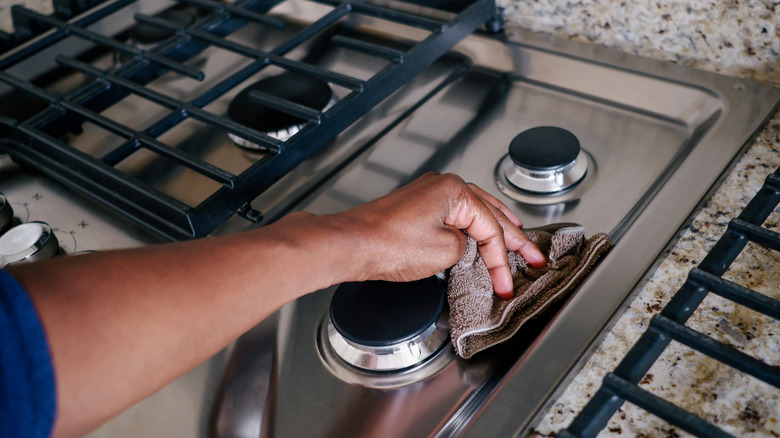
Credit: www.housedigest.com
Frequently Asked Questions
What Is The Best Thing To Clean Stainless Steel Cooktops With?
Use a mixture of vinegar and water for cleaning stainless steel cooktops. This solution removes grease and fingerprints effectively. Apply with a soft cloth or sponge to avoid scratches. Buff the surface with a microfiber cloth for a shiny finish.
Regular cleaning maintains the cooktop’s appearance.
How Can I Make My Stainless Steel Cooktop Look New Again?
Clean your stainless steel cooktop with a vinegar-water solution. Use a soft cloth to wipe. Apply stainless steel cleaner for added shine. Remove stubborn stains using a baking soda paste. Polish with a microfiber cloth for a new-like finish. Regular cleaning maintains its appearance.
Is Dawn Dish Soap Safe On Stainless Steel?
Yes, Dawn dish soap is safe for stainless steel. It effectively cleans without damaging surfaces. Use a soft cloth or sponge to avoid scratches. Rinse thoroughly to prevent residue. Regular use keeps stainless steel shiny and clean. Always test on a small area first to ensure compatibility.
What Should You Not Clean Stainless Steel With?
Avoid cleaning stainless steel with abrasive cleaners, steel wool, bleach, or ammonia-based products to prevent damage.
Conclusion
Cleaning a stainless steel stovetop can be simple and rewarding. Start with the right tools. Use mild soap and a soft cloth. Focus on stubborn spots. Regular cleaning prevents buildup. A clean stovetop shines and impresses. It adds beauty to your kitchen.
Remember to wipe spills quickly. This keeps your stovetop looking new. A little effort makes a big difference. Enjoy cooking in a cleaner space. Your stovetop deserves care. Keep it spotless with routine maintenance. Happy cleaning!
