
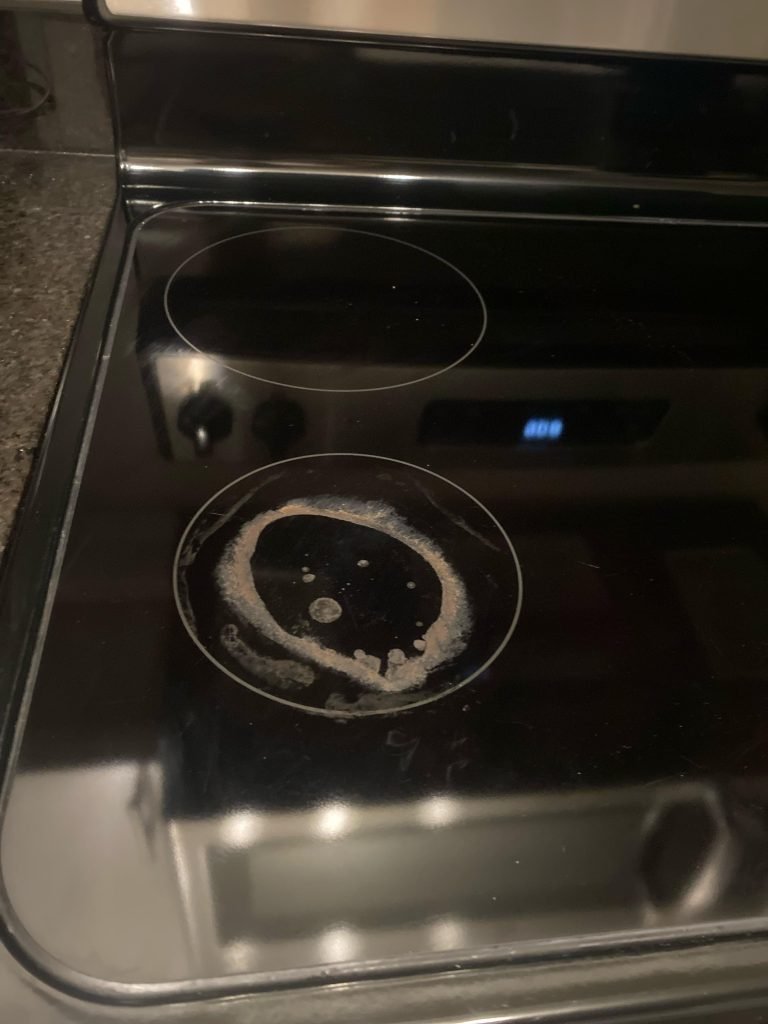
Cleaning burnt water off a glass stove top can feel like an impossible task. You might find yourself staring at those stubborn stains, wondering if your once-glistening surface will ever shine again.
But don’t worry—you’re not alone, and there’s a solution. Imagine the satisfaction of restoring your stove top to its pristine condition, reflecting light beautifully, and elevating the look of your entire kitchen. In this guide, you’ll discover the simple steps to banish those pesky marks without damaging your glass.
Ready to transform your stove top and reclaim your kitchen’s sparkle? Let’s dive in and make those stains a thing of the past!
Materials Needed
Gather soft cloths, baking soda, vinegar, and a spray bottle. A scraper and mild dish soap are helpful too. Ensure water and a bowl are ready for mixing solutions.
Cleaning a burnt water stain off a glass stove top requires the right materials. Using the correct items ensures safety and effectiveness. Gather all materials before starting the cleaning process. This will save time and effort.Soft Cloths Or Sponges
Use soft cloths or sponges to avoid scratches. They help in gently wiping away residues. Microfiber cloths are ideal due to their softness.White Vinegar
White vinegar is a natural cleaner. It helps break down mineral deposits. It also adds a shine to the glass surface.Baking Soda
Baking soda acts as a mild abrasive. It helps lift stubborn stains. Sprinkle it lightly over the burnt area.Warm Water
Warm water aids in loosening grime. It enhances the cleaning action of baking soda and vinegar.Plastic Scraper
A plastic scraper safely removes tough residues. It prevents scratches on the glass surface. Ensure the scraper is specifically for stove tops.Spray Bottle
Use a spray bottle for easy application of vinegar. It ensures even coverage on the stove top.Towel
A clean towel is useful for drying. It helps in buffing the surface to a shine. Use it at the end of the cleaning process.
Credit: www.reddit.com
Preparing The Stove Top
Cleaning burnt water off a glass stove top requires patience and the right tools. Begin by sprinkling baking soda over the stained area. Then, gently scrub with a damp cloth until the residue lifts. Finish by wiping with a clean, dry towel for a sparkling stove top.
Preparing the stove top is crucial for effective cleaning. Start by ensuring the stove is off and cool. Safety is essential, so wait until the surface feels cool to touch. Once it’s cool, you can proceed with cleaning.Remove Loose Debris
Begin by removing any loose food particles. Use a soft cloth to gently wipe them away. This makes the next steps easier and more effective.Gather Cleaning Supplies
Gather your cleaning materials. A sponge, vinegar, baking soda, and a soft cloth are ideal. These items help tackle burnt water stains without scratching.Ensure Proper Ventilation
Open windows or turn on exhaust fans. Proper ventilation is important when using cleaning solutions. It ensures fumes do not linger in your kitchen.Protect Surrounding Areas
Cover nearby surfaces with a towel or newspaper. This prevents any splashes from damaging surrounding areas. It’s a simple step that ensures your kitchen stays neat.Inspect For Damage
Check the glass surface for cracks or chips. If damaged, cleaning might worsen the issue. Careful inspection helps avoid further harm.Test Cleaning Solutions
Test a small area with your cleaning solution. This ensures the solution won’t harm the surface. A quick test can prevent potential damage. Remember, preparation is key. Proper steps lead to a cleaner stove top.Using Baking Soda And Vinegar
Using baking soda and vinegar offers a natural way to clean burnt water stains on your glass stovetop. This combination is not only effective but also safe for your kitchen environment. Together, they work to break down stubborn stains, leaving your stovetop sparkling clean without harsh chemicals.
Creating The Mixture
Start by mixing equal parts of baking soda and water in a bowl. Aim for a paste-like consistency. This paste acts as a gentle abrasive. Next, add a small amount of vinegar to the mixture. The vinegar enhances the paste’s cleaning power. Stir the mixture until smooth and uniform.
Applying The Solution
Spread the baking soda paste on the burnt areas of the glass stovetop. Use a cloth or sponge to apply it evenly. Let the paste sit for about 15 minutes. The waiting period allows the mixture to break down the burnt residue.
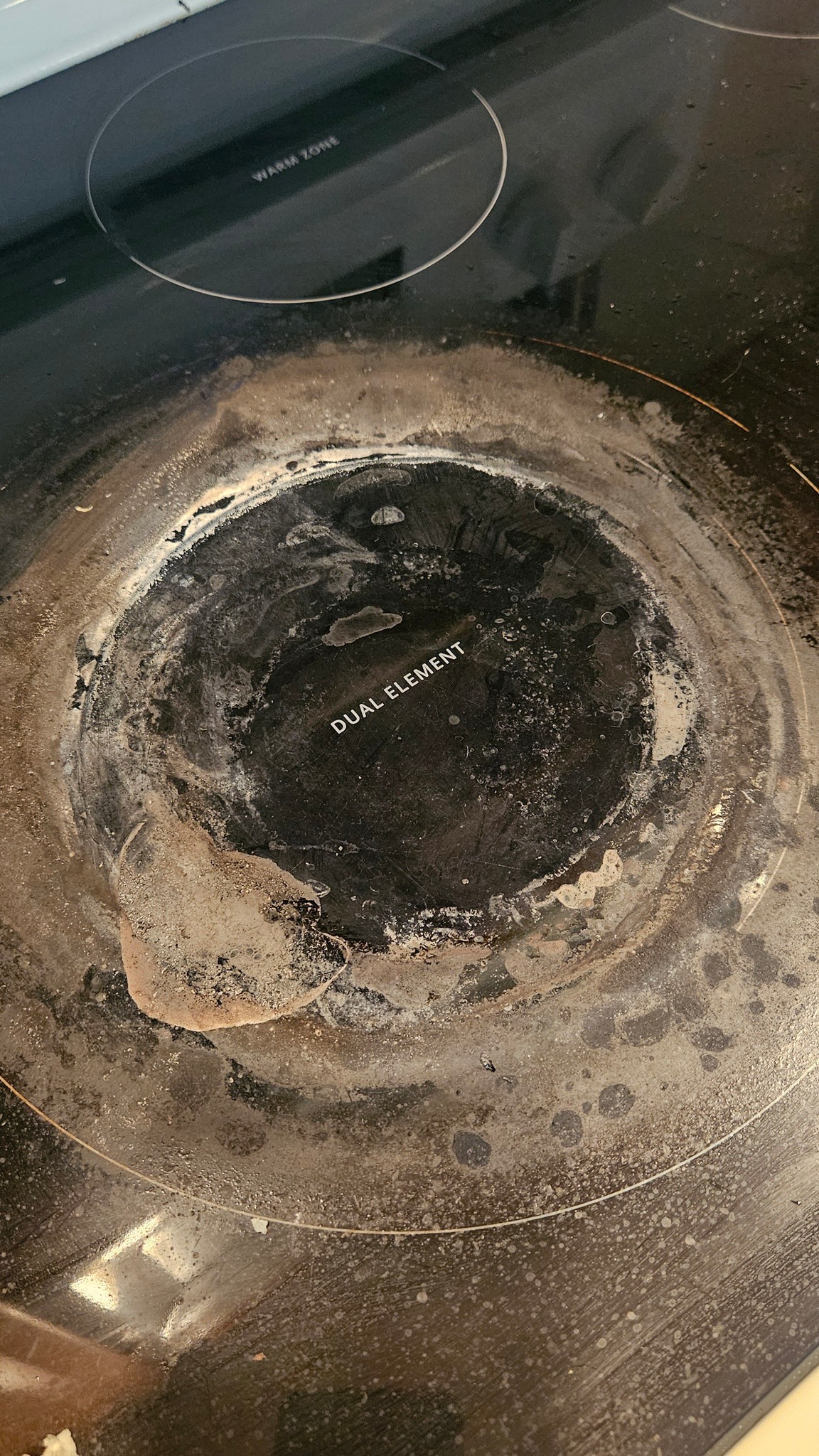
After 15 minutes, gently scrub the area with a damp cloth. Move in circular motions for effective cleaning. Rinse the cloth regularly to remove loosened debris. Once the burnt residue is gone, wipe the stovetop clean with a damp cloth. Dry the surface with a soft towel to prevent streaks.
Credit: www.facebook.com
Scrubbing Techniques
Cleaning burnt water off a glass stove top requires gentle scrubbing. Use a soft cloth and mild cleaner to avoid scratches. Apply baking soda paste for stubborn stains and let it sit before wiping clean.
Cleaning a burnt glass stove top may seem tricky, but scrubbing techniques make it easier. Proper methods can restore the shine without causing damage. Two effective techniques involve using non-abrasive pads and the circular motion technique.Using Non-abrasive Pads
Non-abrasive pads protect the glass surface while removing burnt residue. They’re gentle, yet effective in scrubbing. Wet the pad with warm, soapy water. Gently rub the burnt spots. This softens the residue without scratching the glass. Always use light pressure. Too much force can cause damage. Rinse the pad frequently. This ensures the pad stays clean and effective.Circular Motion Technique
The circular motion technique enhances cleaning efficiency. Apply a small amount of cleaner to the stove top. Use a non-abrasive pad for scrubbing. Move the pad in small circles. This motion helps lift burnt particles. It also spreads the cleaner evenly. Circular scrubbing covers more area quickly. This reduces cleaning time. Repeat the motion until the surface is clean. Rinse the stove top with water. Dry it with a soft cloth for a streak-free finish.Alternative Cleaning Methods
Cleaning burnt water off a glass stove top can be simple with baking soda and vinegar. Sprinkle baking soda on the stains, then spray vinegar. Let it fizz for a few minutes before gently scrubbing with a soft cloth. Rinse and dry for a spotless finish.
Cleaning burnt water off a glass stove top can be challenging. Yet, alternative methods offer effective solutions. Sometimes, traditional methods don’t work well. Trying a different approach can save time and effort. Here are some alternative methods to consider.Commercial Cleaners
Commercial cleaners are specially formulated for tough stains. These products are easy to find in stores. Follow the instructions on the label for the best results. Usually, apply the cleaner to the stained area. Let it sit for a few minutes. Then, wipe it away with a soft cloth. This method often requires little scrubbing. It leaves the stove top looking shiny and new.Lemon Juice Method
Lemon juice is a natural and effective cleaner. It is safe for glass stove tops. Start by squeezing fresh lemon juice over the burnt area. Allow it to sit for about 10 minutes. The acid in the lemon helps break down stains. Use a soft cloth to scrub gently. Rinse with water and dry with a clean towel. This method leaves a fresh, pleasant scent.
Credit: www.tiktok.com
Preventing Future Burns
Preventing future burns requires regular cleaning of your glass stove top. Use a soft cloth with a mixture of vinegar and baking soda to gently scrub the burnt water stains. Finish by wiping with a damp cloth to restore shine and keep your kitchen safe.
Preventing future burns on your glass stove top not only saves you time but also maintains the aesthetic appeal of your kitchen. Imagine the frustration of scrubbing stubborn burnt spots off your stove every week. Avoid this hassle by taking a few simple preventive measures. These proactive steps can keep your stove looking pristine and increase its longevity.Regular Maintenance
Regular maintenance is your first line of defense against burns. Clean your stove top after each use. A quick wipe with a damp cloth can prevent food residue from hardening. Invest in a good quality stove top cleaner. Products designed specifically for glass surfaces are more effective. They help in keeping your stove top gleaming and scratch-free. Check your burners regularly. Ensure they are functioning correctly. A faulty burner can cause uneven heating, leading to more burns.Using Heat Diffusers
Heat diffusers are a fantastic tool for preventing burns. They distribute heat evenly across the pan. This reduces the risk of scorching your food and the stove top. Consider using a diffuser if you frequently cook on high heat. It acts as a barrier between the direct flame and your cookware. This not only protects your stove but also enhances your cooking. A simple question to ponder: How often do you find yourself scrubbing away those unsightly burns? With these tips, you can spend more time enjoying your meals and less time cleaning.Safety Tips
Cleaning burnt water off a glass stove top requires gentle yet effective methods. Use baking soda and vinegar for safe cleaning. Wipe gently with a soft cloth to avoid scratches.
Cleaning a burnt water stain off your glass stove top can seem daunting, but with the right safety measures, it becomes a hassle-free task. Ensuring safety while cleaning is crucial not only for preserving your stove but also for protecting yourself. By following these simple safety tips, you can make the process smooth and efficient.Handling Cleaning Agents
Always read the labels on cleaning agents before use. Some cleaners contain harsh chemicals that can irritate your skin or eyes. Use gloves to protect your hands and ensure good ventilation by opening windows or switching on the kitchen exhaust fan. If you’re using a homemade solution, like a baking soda paste, test it on a small area first to ensure it doesn’t damage the glass.Avoiding Scratches
Use non-abrasive cleaning tools to avoid scratching your stove top. A soft sponge or cloth works best. Resist the temptation to use steel wool or rough scrub pads—they can leave permanent marks on the glass surface. Gently wipe the surface instead of applying excessive force. Sometimes patience is your best tool; let the cleaner do its job. Have you ever noticed how a small scratch can catch the light and become a constant reminder of a hasty mistake? Always handle your glass stove top with care, and it will shine brilliantly for years to come. By prioritizing safety, you not only protect your stove but also ensure a safer cleaning environment for yourself.Expert Advice
Expert tips simplify cleaning burnt water stains from glass stove tops. Use baking soda and vinegar for effective results. Gently scrub with a soft cloth to avoid scratches, ensuring the surface remains clear and pristine.
Cleaning a burnt water stain off a glass stove top can be frustrating, but with the right advice, it can become a manageable task. Sometimes, despite your best efforts, the stain refuses to budge. This is where expert advice comes in handy. Whether you opt for professional services or decide to tackle it yourself, knowing the best approach can save you time and effort.Professional Cleaning Services
If you’re feeling overwhelmed or simply lack the time, hiring a professional cleaning service might be the way to go. They use specialized tools and cleaning agents that can effectively remove stubborn stains without damaging your glass stove top. Additionally, professionals can offer maintenance tips to keep your stove looking pristine. A friend once told me how a professional cleaner transformed her stove top from a burnt mess to sparkling clean in less than an hour. The cost was reasonable, and the peace of mind it brought her was priceless.Diy Vs. Professional Help
Deciding between DIY and professional help boils down to a few factors: cost, time, and confidence in your cleaning abilities. DIY methods can be cost-effective and satisfying, especially if you enjoy tackling home improvement tasks. However, they can be time-consuming and might not always yield the desired results. Consider your schedule and budget. If you’re short on time or prefer a guaranteed outcome, professional help might be worth the investment. On the other hand, if you have a free afternoon and enjoy the sense of accomplishment from doing it yourself, a DIY approach can be rewarding. Which route will you choose? The answer depends on your priorities and resources. Whether you go the professional route or take on the challenge yourself, ensuring your glass stove top stays clean will make your kitchen a more enjoyable space.Frequently Asked Questions
How To Get Rid Of Hard Water Stains On A Stove Top?
Remove hard water stains with vinegar and baking soda. Apply vinegar, then scrub with baking soda paste. Rinse thoroughly.
Does Vinegar Damage Glass Top Stoves?
Vinegar is safe for glass top stoves. It effectively removes stains and grease. Avoid excessive scrubbing to prevent scratches. Use a soft cloth for best results. Regular cleaning with vinegar maintains shine and cleanliness.
How To Remove Burn Marks From Glass?
Use a paste of baking soda and water. Gently rub the burn marks with a soft cloth. Rinse thoroughly with water. If needed, repeat the process. Avoid using abrasive materials to prevent scratching the glass.
What Can Ruin A Glass Top Stove?
Heavy pots can crack a glass top stove. Scratches occur from sliding cookware. Spills cause staining and damage. Harsh cleaners can etch the surface. Dropping items shatters the glass top. Use gentle cleaning methods and lift cookware to prevent damage.
Regular maintenance ensures longevity and safety.
Conclusion
Cleaning a burnt glass stove top can be simple. With the right steps, your stove will shine again. First, gather your supplies: vinegar, baking soda, and a cloth. Next, apply vinegar to loosen the burnt marks. Add baking soda for stubborn stains.
Scrub gently with your cloth. Be patient. Repeat if needed. Consistent care keeps your stove looking new. Remember, regular cleaning prevents future burns. Your efforts save time and maintain beauty. Now, enjoy cooking on a spotless stove. A clean kitchen always feels better.
Happy cleaning!
