
Are you tired of dealing with a dishwasher that just won’t drain properly? A clogged drain hose could be the culprit, and the thought of taking apart your dishwasher to clean it might feel overwhelming.
What if I told you there’s a way to clean your dishwasher drain hose without removing it? Imagine saving time, avoiding the hassle, and getting your dishwasher back to peak performance. You’ll discover simple yet effective methods to tackle this common problem, ensuring your kitchen appliance runs smoothly.
Ready to dive in and learn how to keep your dishwasher in top shape with minimal effort? Keep reading to find out how you can achieve a cleaner, more efficient dishwasher without the stress of dismantling it.
Signs Of A Clogged Dishwasher Drain Hose
Understanding the signs of a clogged dishwasher drain hose is crucial. It helps maintain the dishwasher’s efficiency and longevity. A clog can disrupt normal operations and lead to unpleasant issues. Recognizing these signs early can prevent bigger problems.
Standing Water In The Dishwasher
One obvious sign is standing water. After a cycle, water should drain completely. If water remains, the drain hose might be clogged.
Unusual Noises During The Wash Cycle
Strange noises could indicate a clog. A clear hose runs smoothly. A blocked hose struggles, causing odd sounds during cycles.
Slow Or Incomplete Drainage
Observe the drainage speed. A clogged hose drains slowly or not at all. This slow drainage can affect cleaning performance.
Foul Odors Emanating From The Dishwasher
Unpleasant smells may signal a problem. Food particles trapped in a clogged hose can rot. This causes foul odors to emanate from the appliance.
Dishes Not Being Cleaned Properly
Dirty dishes after a cycle can point to a clogged hose. Clogs prevent efficient water flow, impacting cleaning results. Check your dishes after each wash.
Spotting these signs early can save you trouble. Regular maintenance ensures a smoothly running dishwasher.

Credit: diy.stackexchange.com
Essential Tools And Materials
Cleaning the dishwasher drain hose is crucial for proper function. Using the right tools and materials ensures efficient cleaning without removal. Gather these essentials to simplify the task and maintain your dishwasher’s efficiency.
Essential Tools
To clean the drain hose effectively, certain tools are necessary. Each tool serves a specific purpose in the cleaning process. Below are the essential tools you will need.
1. Wire Brush
A flexible wire brush is perfect for reaching deep inside the hose. It scrubs away debris and buildup effectively. Choose a brush that can bend and navigate through the hose.
2. Bucket
A bucket is essential for catching any water or debris. Place it under the dishwasher’s drain hose while cleaning. It prevents spills and keeps the area tidy.
3. Towels Or Rags
Towels or rags are useful for wiping spills and drying surfaces. Keep them handy to clean up any excess water. They also help in drying the hose after cleaning.
Essential Materials
In addition to tools, certain materials assist in the cleaning process. These materials ensure thorough cleaning and maintenance of the drain hose.
1. Baking Soda
Baking soda is a natural cleaner. It helps remove odors and build-up in the hose. Mix it with water to create a cleaning solution.
2. Vinegar
Vinegar is a powerful cleaning agent. It dissolves mineral deposits and disinfects the hose. Use it with baking soda for best results.
3. Hot Water
Hot water is crucial for flushing out debris. It helps dissolve grease and other residues. Use it to rinse the hose after scrubbing.
Safety Precautions
Cleaning a dishwasher drain hose can seem simple. Yet, it requires safety precautions to avoid mishaps. Safety ensures a smooth, hassle-free experience. This guide will help you maintain your appliance safely.
Wear Protective Gear
Always wear gloves and safety glasses. They protect your hands and eyes from debris and chemicals. Choose sturdy gloves for better grip and protection.
Unplug The Dishwasher
Before starting, unplug the dishwasher. This prevents electrical shocks. Ensure no power flows to the appliance.
Ensure Proper Ventilation
Open windows or doors for ventilation. Cleaning solutions can emit fumes. Fresh air reduces inhalation risks.
Read The Manual
Refer to your dishwasher’s manual. It provides specific safety tips. Manuals offer valuable insights into your model’s requirements.
Use Non-toxic Cleaners
Opt for non-toxic cleaning products. They are safer for you and the environment. Avoid harsh chemicals that can cause harm.
Locating The Drain Hose
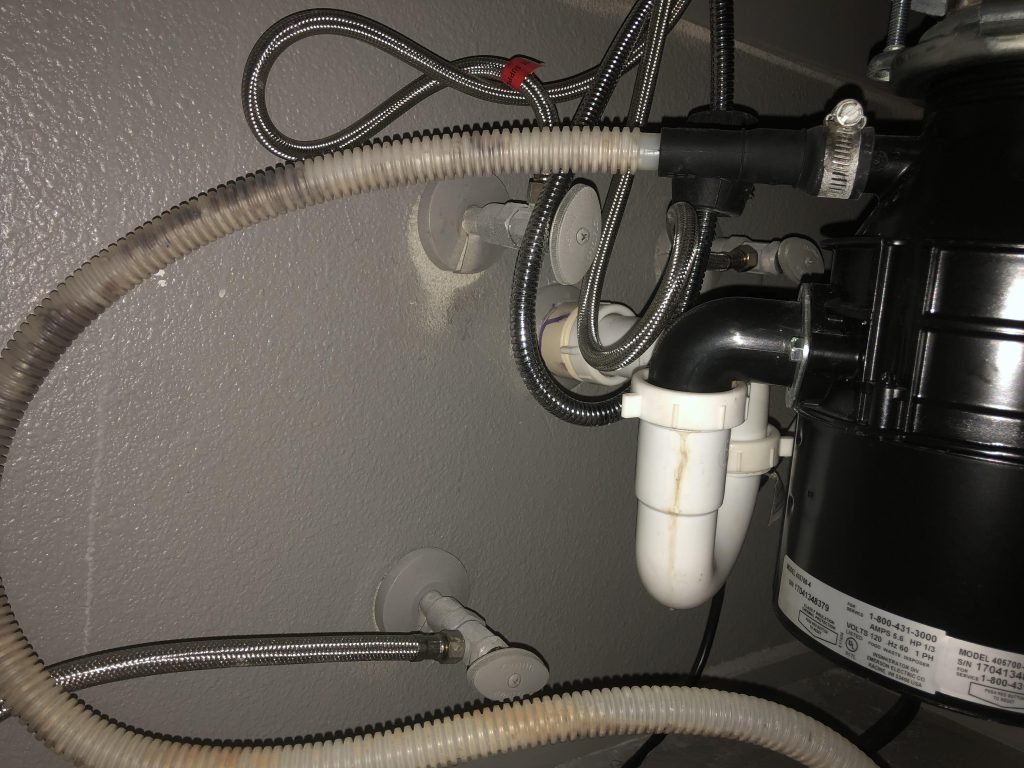
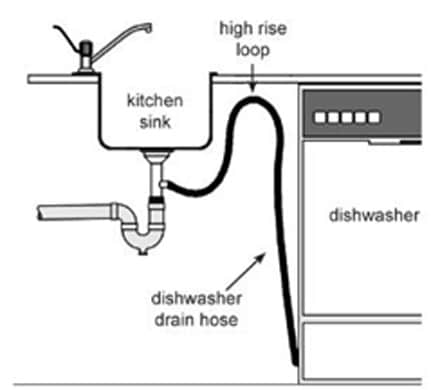
Identifying the drain hose is crucial before cleaning it. It connects the dishwasher to the plumbing system. Look under the sink or behind the appliance for a flexible tube.
Finding the drain hose in your dishwasher might sound simple, but it often requires a bit of detective work. If you’ve ever wondered why your dishwasher isn’t draining properly, this is a crucial step. Knowing where to look can save you time and hassle.Understanding The Layout
First, familiarize yourself with your dishwasher’s layout. Most dishwashers have their drain hose connected to the back or side. This is usually where the magic happens. Check your dishwasher manual or the manufacturer’s website for diagrams. These resources can give you a clear picture of where to look. Once you have a mental map, you’re one step closer to finding that elusive drain hose.Peek Underneath Your Sink
A great place to start your search is under the kitchen sink. The drain hose often links to the garbage disposal or directly to the plumbing beneath your sink. Open the cabinet doors and take a peek. Look for a flexible, usually ribbed hose that connects your dishwasher to the plumbing. This is likely your drain hose.Check Behind The Dishwasher
If you don’t spot it under the sink, don’t worry. Your next target is behind the dishwasher itself. Carefully pull out the dishwasher a few inches and look behind it. You might see the hose snaking its way downwards. Remember, you don’t need to remove the dishwasher completely. Just a slight shift is often enough to spot the hose.Use A Flashlight For Better Visibility
Sometimes, it’s all about getting the right angle and lighting. A flashlight can be your best friend in this situation. Shine it around and inspect all visible plumbing connections. This can reveal the hose’s path and make it easier to trace. With good lighting, you’ll see exactly where you need to focus your cleaning efforts. Locating your dishwasher’s drain hose might seem daunting at first. But with these steps, it becomes a straightforward task. Have you had an unexpected find while searching for your dishwasher’s drain hose? Share your story!Preparing The Dishwasher
Cleaning your dishwasher’s drain hose without removing it might seem tricky. Yet, with the right preparation, it’s achievable. Preparing the dishwasher properly is crucial for this task. It ensures safety and efficiency. Follow these simple steps to get your dishwasher ready.
Turning Off Power
First, ensure the dishwasher is off. This prevents any electrical hazards. Unplug the dishwasher from the power outlet. Or, switch off the circuit breaker that controls it. This step is vital for your safety. Never skip this crucial action.
Emptying The Dishwasher
Next, remove all dishes from the dishwasher. Clear the racks completely. This provides easy access to the drain hose. Check for any leftover food particles. Clean the racks if needed. Ensure the dishwasher is entirely empty.

Credit: www.wikihow.com
Cleaning The Drain Hose Without Removal
Cleaning the dishwasher drain hose is vital for its performance. Yet, the thought of removing it can be daunting. Thankfully, there are ways to clean it without removal. These methods are simple and require items you likely have at home. Let’s explore these easy techniques.
Using Baking Soda And Vinegar
Baking soda and vinegar are powerful cleaning agents. First, mix one cup of baking soda with two cups of vinegar. Pour this mixture into the dishwasher’s bottom. Let it sit for 15 minutes. The mixture will fizz, breaking down grime and debris. After that, run a hot water cycle. This will flush out the loosened dirt. Repeat monthly for best results.
Flushing With Hot Water
Hot water helps dissolve residue in the drain hose. Start by boiling a pot of water. Carefully pour the hot water into the dishwasher’s bottom. This will help dislodge any clogs. Run a rinse cycle to ensure thorough cleaning. It’s a simple way to maintain your dishwasher’s efficiency.
Preventing Future Clogs
Regular maintenance can prevent future clogs in your dishwasher. Clean the drain hose without removing it by flushing warm water mixed with vinegar through it. This simple method helps keep the hose clear and your dishwasher running smoothly.
If you’ve ever had to deal with a clogged dishwasher, you know it’s not just an inconvenience—it’s an unexpected disruption to your daily routine. The good news is you can take simple steps to prevent future clogs in your dishwasher drain hose without the hassle of removing it. By implementing a few regular habits, you can keep your dishwasher running smoothly and efficiently. Let’s dive into some practical tips for keeping your dishwasher drain hose clear and clog-free.Regular Maintenance Tips
Consistency is key when it comes to maintaining your dishwasher. Consider setting a monthly reminder to clean the dishwasher filter. Simply remove it and rinse away any food particles that could travel to the drain hose. Make it a habit to run a hot water cycle with vinegar. This natural cleaner helps dissolve any grease or detergent build-up that might otherwise sneak into the hose. Do you often scrape dishes before loading them? If not, start now. This small effort can significantly reduce the residue that finds its way into the drain.Using Dishwasher-friendly Products
Not all detergents are created equal. Opt for dishwasher-friendly products specifically designed to prevent clogs. These detergents break down efficiently and leave minimal residue behind. Consider using a dishwasher cleaner every few months. These cleaners are formulated to target and dissolve stubborn build-up that even the most diligent maintenance might miss. Are you using too much detergent? It might be tempting to overfill, thinking it will clean better, but excess detergent can lead to clogs. Follow the recommended amount on the packaging for the best results. By following these tips, you’re not just preventing future clogs; you’re ensuring your dishwasher works efficiently and effectively. What other maintenance tricks do you use to keep your appliances in top shape? Share your insights and let’s learn from each other.When To Call A Professional
Cleaning your dishwasher drain hose can solve many issues. Sometimes, the problem might be bigger than expected. Knowing when to call a professional can save time and money.
If you notice persistent clogs, it might be time for expert help. Professionals have tools and experience that can tackle tough problems. They ensure your dishwasher runs smoothly without recurring issues.
Unusual noises can also be a sign. If your dishwasher is louder than usual, it may indicate a deeper issue. Experts can diagnose and fix problems without causing more damage.
Frequent Clogs
If clogs happen often, it might not be a simple fix. Professionals can assess the situation thoroughly. They can identify the root cause and provide a lasting solution. This prevents future disruptions.
Persistent Odors
Bad smells should not linger after cleaning. If odors persist, it could mean a hidden problem. A professional can detect and eliminate sources of odors effectively. This ensures a fresh-smelling dishwasher.
Water Leakage
Leaks can lead to bigger issues if not addressed quickly. A professional can find the leak source and fix it properly. This prevents water damage and costly repairs.
Unusual Noises
Strange sounds might suggest a mechanical issue. A professional can identify which parts need attention. Fixing noisy parts early can extend your dishwasher’s life.
Electrical Concerns
Electrical issues need expert handling. If your dishwasher shows electrical problems, call a professional immediately. They ensure safety and proper functioning.
Credit: www.balkandraincleaning.com
Frequently Asked Questions
How To Unclog A Dishwasher Drain Hose Without Removing It?
Pour a mixture of baking soda and vinegar into the dishwasher drain. Let it sit for 15 minutes. Flush with hot water to clear the clog. Repeat if necessary. Ensure the dishwasher is off during this process. Regular maintenance helps prevent future clogs.
How Do You Get Gunk Out Of A Dishwasher Hose?
Detach the hose from the dishwasher. Use a flexible brush to scrub inside. Rinse with hot water. Mix equal parts of vinegar and baking soda, then pour through the hose for extra cleaning. Reattach the hose securely. Regular cleaning prevents gunk buildup.
How To Clean A Smelly Dishwasher Drain Hose?
Disconnect the dishwasher drain hose and flush it with hot water and vinegar to eliminate odors. Scrub with a brush and baking soda for thorough cleaning. Reconnect securely to prevent leaks. Regular cleaning prevents smells and maintains efficiency.
How Do I Know If My Dishwasher Hose Is Clogged?
Water not draining properly indicates a clogged dishwasher hose. Check for strange noises or leaks. Inspect the hose for visible blockages. Disconnect and clean it if necessary. Regular maintenance helps prevent clogs.
Conclusion
Cleaning your dishwasher drain hose is important. Keep it free from clogs. Regular maintenance ensures smooth functioning. No need to remove the hose. Use simple tools for cleaning. A clean hose means clean dishes. Follow the steps for easy cleaning.
Save time and effort. This method is effective and simple. Your dishwasher will work better. Enjoy hassle-free dishwashing. Maintain your appliance with minimal effort. Clean regularly for best results. Keep your kitchen running smoothly. A clean dishwasher brings peace of mind.
Enjoy cleaner dishes every day.
