

Are you tired of your dishwasher not performing at its best? Do you notice unpleasant odors or find leftover food particles on your dishes?
The problem might be lurking in your dishwasher drain. But don’t worry—there’s a simple, cost-effective solution that you probably already have in your kitchen: baking soda and vinegar. These two pantry staples can work wonders in cleaning and unclogging your dishwasher drain, bringing it back to peak efficiency.
Imagine your dishes coming out spotless and your kitchen smelling fresh. Intrigued? Let’s dive into the step-by-step process that will transform your dishwasher’s performance and leave you wondering why you didn’t try this sooner.
Why Clean Dishwasher Drain
A clean dishwasher drain prevents clogs and odors. Baking soda and vinegar offer a natural cleaning solution. These common household items break down debris and freshen the drain effectively. Regular maintenance keeps your dishwasher running smoothly and efficiently.
Cleaning your dishwasher drain might not be on your regular to-do list, but it’s crucial for your appliance’s efficiency. A clogged drain can lead to a pool of dirty water at the bottom of your dishwasher. It can even cause your dishes to come out less than sparkling clean. Moreover, foul odors can develop, making your kitchen less pleasant. By keeping the drain clean, you ensure that your dishwasher runs smoothly, and your dishes come out spotless every time.Why Clean Dishwasher Drain?
A dishwasher is a great kitchen helper, saving you time and effort. But when the drain gets clogged, it can turn into a headache. Imagine opening your dishwasher to find it filled with dirty water. That’s a sign that the drain needs cleaning. Cleaning the drain also helps in maintaining the appliance’s longevity. A clogged drain can make your dishwasher work harder, leading to wear and tear. This means more frequent repairs or even a replacement sooner than expected. Regular cleaning can save you the hassle and expense. Moreover, a clean drain prevents unpleasant odors from developing. Over time, food particles and grease can build up, causing a stinky situation. A quick clean with baking soda and vinegar can keep your kitchen smelling fresh.How Does A Clogged Drain Affect Dishwasher Performance?
A clogged drain can severely impact how well your dishwasher cleans your dishes. When water cannot drain properly, it circulates back onto your dishes, leaving them dirty. This is not only frustrating but also unsanitary. Increased water levels can also cause leakage. Imagine the mess of water pooling onto your kitchen floor. This can damage your flooring and create additional clean-up work for you. A clogged drain can also lead to increased energy consumption. The dishwasher will use more energy to try and work around the blockage, which can raise your utility bills. Cleaning the drain regularly ensures efficient energy use.How Often Should You Clean The Dishwasher Drain?
The frequency of cleaning depends on how often you use your dishwasher. If you’re using it daily, aim to clean the drain every month. This prevents build-up and keeps the appliance in top shape. For those using the dishwasher less frequently, a cleaning every three months should suffice. This is enough to prevent any major blockages or odors from developing. Consider making it part of your regular kitchen cleaning routine. Just like wiping down counters or cleaning the stove, taking care of your dishwasher should be on your list. Have you checked your dishwasher drain lately? It might be time to give it a look.
Credit: www.wikihow.com
Signs Of A Clogged Dishwasher Drain
Slow drainage and standing water often indicate a clogged dishwasher drain. Use baking soda and vinegar for an easy fix. This natural method helps dissolve debris, restoring efficiency.
Having a dishwasher is a blessing, but a clogged drain can turn it into a nightmare. Imagine finishing dinner, loading your dishwasher, and waking up to find water pooled at the bottom. It’s not fun, and it’s a clear sign that something’s wrong. But what exactly should you be looking for when suspecting a clogged dishwasher drain? Let’s dive into it.Unpleasant Odors
One of the first signs that your dishwasher drain might be clogged is an unpleasant odor. Have you ever opened your dishwasher and been hit by a wave of musty smell? That’s usually a buildup of trapped food particles and stagnant water. If you’re experiencing this, it might be time to check your drain.Slow Drainage
You expect your dishwasher to clean up and drain efficiently, right? But when you notice water lingering at the bottom long after a cycle ends, it’s a clear signal of slow drainage. This often indicates that something is blocking the flow.Water Backup
Have you ever noticed water seeping out from the dishwasher or pooling on the floor? This could be a sign of water backup, pointing straight to a clogged drain. It’s not just messy; it could lead to more significant issues if ignored.Visible Debris
When you peek inside your dishwasher, do you see bits of food or debris after a wash cycle? It’s not just annoying; it’s a sign that your dishwasher isn’t draining properly. This debris might be stuck somewhere in the drain, causing the blockage.Dishwasher Not Cleaning Properly
You trust your dishwasher to do the cleaning, but sometimes, it doesn’t deliver. If your dishes come out still dirty or with residue, it could mean your dishwasher isn’t able to drain and rinse effectively. This often ties back to a clogged drain.Gurgling Sounds
Strange sounds coming from your dishwasher can be alarming. If you hear gurgling noises, it might be air trying to escape through a clogged drain. This unusual sound is a telltale sign that something is blocking the drain path. Have you noticed any of these signs in your dishwasher? If so, it might be time to roll up your sleeves and check that drain. Using baking soda and vinegar is a simple yet effective way to tackle the problem. Remember, regular maintenance can save you from bigger headaches down the road. So, what’s your dishwasher trying to tell you today?Safety Precautions Before Cleaning
Cleaning your dishwasher drain with baking soda and vinegar is effective. To ensure a safe process, follow essential safety precautions. These steps protect you and your appliance. Before diving into cleaning, prepare your workspace properly.
Turn Off The Dishwasher
Ensure the dishwasher is off before starting. Unplug it from the power source. This prevents electrical accidents. Safety first!
Wear Protective Gear
Use gloves to protect your hands. Baking soda and vinegar are mild, but safety matters. Goggles are optional but recommended. Keep eyes safe from splashes.
Ventilate The Area
Open a window or use a fan. Vinegar has a strong smell. Fresh air helps avoid discomfort. Proper ventilation is key.
Remove Any Dishes
Clear the dishwasher of dishes and utensils. Cleaning is easier with an empty machine. Plus, you avoid any accidental damage.
Inspect The Dishwasher Drain
Check the drain for visible blockages. Remove any debris manually. This step ensures effective cleaning. A clear drain is a happy drain.
Prepare Cleaning Materials
Gather baking soda, vinegar, and a measuring cup. Ensure you have enough supplies. Proper preparation ensures seamless cleaning.
Gathering Necessary Supplies
Begin by gathering essential supplies like baking soda, white vinegar, and a measuring cup. These items are crucial for cleaning your dishwasher drain effectively. Ensure you have everything ready before starting the cleaning process for best results.
Cleaning your dishwasher drain with baking soda and vinegar is an easy task if you have the right supplies. Before you start, make sure everything you need is at hand. This will make the process smoother and quicker, helping you get back to using your dishwasher without any delays.1. Vinegar
Vinegar is a powerful cleaning agent that you probably already have in your kitchen. It can dissolve grease, grime, and other residues effectively. You’ll need about one cup, so ensure you have enough before you begin.2. Baking Soda
Baking soda is another common household item that works wonders when it comes to cleaning. It’s great for breaking down tough stains and neutralizing odors. Keep half a cup ready for this task.3. Hot Water
Hot water helps in loosening the debris stuck in the dishwasher drain. It also aids vinegar and baking soda in their cleaning action. Run your tap until the water is hot, or boil some in a kettle.4. Measuring Cup
A measuring cup ensures you use the right amount of vinegar and baking soda. Using too much or too little might not give you the desired results. A standard one-cup measuring cup will suffice for both ingredients.5. Small Brush Or Toothbrush
A small brush or an old toothbrush can help you scrub any stubborn debris in the drain. It allows you to reach into tight spaces and clean effectively. You might be surprised at what you can find when you dig a little deeper.6. Soft Cloth Or Sponge
A soft cloth or sponge is necessary for wiping down the area after cleaning. It helps remove any leftover residue and dries the surface. Have a clean one ready to finish up your task neatly.7. Optional: Gloves
If you have sensitive skin, consider wearing gloves. They protect your hands from any harsh substances and keep them clean. Plus, who wants to deal with dry hands after cleaning? Have you ever tried cleaning without gathering all the supplies first? It can be frustrating to stop halfway through. Ensuring you have everything you need before starting can save time and energy.Step-by-step Cleaning Process
Cleaning your dishwasher drain is essential for maintaining its efficiency and preventing unpleasant odors. A simple, eco-friendly method involves using baking soda and vinegar. This step-by-step process is straightforward and effective, ensuring your dishwasher runs smoothly. Let’s dive into how you can achieve a cleaner dishwasher with these everyday household items.
Remove Dishwasher Rack
Start by removing the bottom rack of your dishwasher. This gives you easy access to the drain area. Have you ever noticed how much easier it is to spot issues without the rack in the way? Removing it reveals hidden debris and grime that could be blocking the drain.
Locate The Drain
Next, locate the drain at the bottom of your dishwasher. It’s usually a small circular opening. If you’re unsure, consult your dishwasher manual for guidance. Knowing where the drain is helps you target your cleaning effectively.
Inspect For Debris
Check the drain for any visible debris or food particles. These can often be the culprits causing clogs. Use a flashlight to ensure you don’t miss anything. Have you ever wondered why your dishwasher isn’t cleaning as well as it used to? A clogged drain might just be the answer.
Once you’ve identified debris, remove it with your hands or a soft brush. This simple step can dramatically improve your dishwasher’s performance.
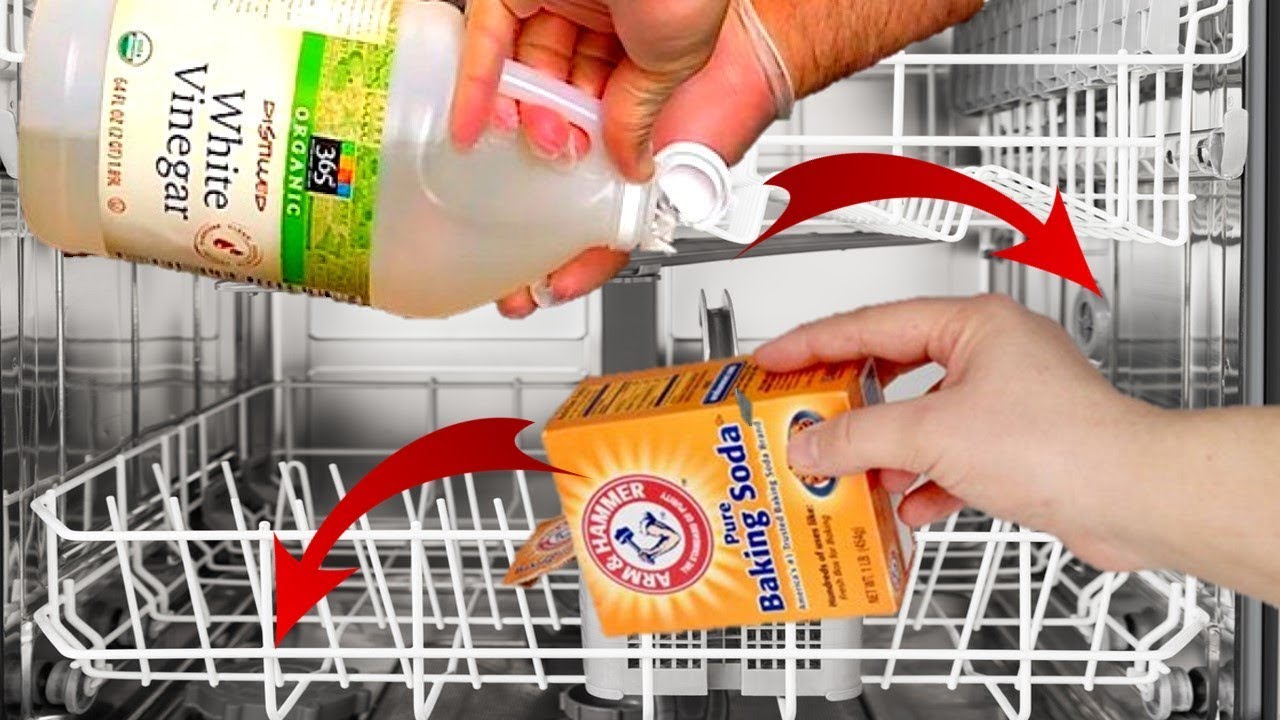
Now, it’s time for the magic duo: baking soda and vinegar. Sprinkle baking soda generously over the drain area, then pour vinegar over it. This combination will fizz and break down grime effectively.
Let the mixture sit for 15-20 minutes to work its magic. While waiting, ponder the simplicity of natural cleaning methods. They’re not only cost-effective but also safe for your appliances.
After the waiting period, flush the drain with hot water. This rinses away the loosened debris and leaves your dishwasher sparkling clean. This simple routine can be done monthly to keep your appliance running smoothly.
Have you tried cleaning your dishwasher this way before? If not, give it a go and notice the difference in performance and smell. It’s a small task with a big impact on your kitchen’s cleanliness.
Baking Soda And Vinegar Technique
Unclog dishwasher drains using baking soda and vinegar. Sprinkle baking soda, then pour vinegar. Watch bubbles loosen debris and grime. Rinse with hot water for a fresh, unclogged drain.
The Baking Soda and Vinegar Technique is a simple way to clean your dishwasher drain. This method uses natural ingredients found in most kitchens. It’s eco-friendly and effective in removing grime. Using baking soda and vinegar can prevent clogs and keep your dishwasher running smoothly. Let’s explore how this technique works in three easy steps.Mixing The Solution
First, gather baking soda and white vinegar. Measure one cup of baking soda. Pour it into a small bowl. Add one cup of white vinegar. Mix them well until they form a fizzy paste. This mixture helps break down buildup in the drain.Pouring Into The Drain
Locate your dishwasher’s drain. It’s usually at the bottom. Carefully pour the baking soda and vinegar mix into the drain. Make sure to cover the drain opening completely. This ensures the solution reaches all areas.Letting The Solution Work
After pouring, wait for 15-20 minutes. Allow the mixture to work its magic. It will dissolve grease and food particles. For stubborn clogs, wait a bit longer. This resting time is crucial for effective cleaning. This method can keep your dishwasher drain clean and fresh. Plus, it’s a cost-effective solution for routine maintenance. Try it regularly for the best results.Rinsing And Reassembling
Rinsing and reassembling ensures your dishwasher drain functions smoothly. Use baking soda and vinegar to clear clogs. This natural method helps maintain your dishwasher’s efficiency.
Cleaning your dishwasher drain with baking soda and vinegar is a simple yet effective method to maintain its efficiency. Once you’ve tackled the scrubbing and unclogging, the next steps are crucial for ensuring your dishwasher is ready for action. Rinsing and reassembling are often overlooked, yet they are essential to complete the cleaning process. A clean and well-assembled dishwasher ensures that your future cycles run smoothly. Let’s dive into these final steps to make sure your dishwasher is in top shape.Rinsing The Dishwasher
After using baking soda and vinegar to break down grime and residue, it’s time to rinse your dishwasher thoroughly. Use a damp cloth or sponge to wipe away any remnants of the cleaning solution. Pay special attention to the corners and the drain area where residue tends to accumulate. Run a short cycle with just hot water. This will help flush out any leftover baking soda and vinegar, leaving your dishwasher sparkling clean. You might be surprised at how fresh your dishwasher smells after this simple rinse.Inspecting Components
Before reassembling, take a moment to inspect all the components you’ve removed. Check for any signs of wear or damage. Are the spray arms spinning freely? Is the filter in good condition? If anything looks amiss, it might be time to replace that part. Keeping a keen eye on these details can save you from bigger headaches down the line.Reassembling The Parts
Begin by placing the filter back into its designated spot. Ensure it sits snugly and is locked in place. A loose filter can lead to poor performance and even damage your machine. Next, reattach the spray arms. Make sure they are secured and can spin without obstruction. This ensures your dishes will be cleaned evenly during the next wash.Testing Your Dishwasher
Once everything is reassembled, it’s time to test your dishwasher. Run an empty cycle with a cup of water to ensure everything is working correctly. Listen for any unusual noises or leaks. Does your dishwasher sound smoother now? A simple maintenance check can make a big difference in performance and longevity.Reflecting On The Process
Cleaning your dishwasher isn’t just a chore; it’s an investment in your kitchen’s efficiency. How often do you take the time to maintain your appliances? Regular cleaning not only keeps your dishes sparkling but also extends the life of your machine. This simple task of rinsing and reassembling can save you money and time in the long run. Next time you run a cycle, enjoy the peace of mind knowing your dishwasher is running at its best.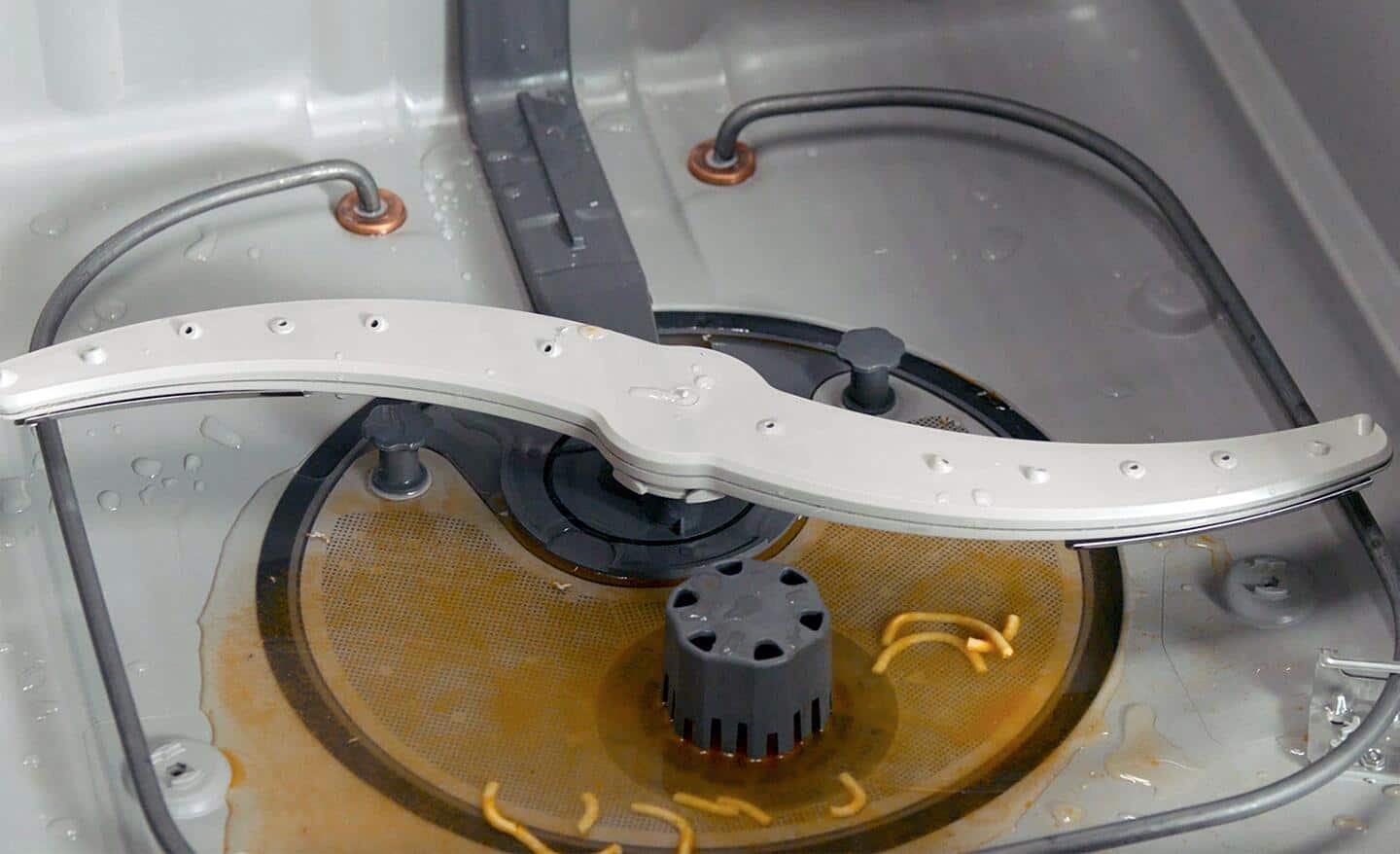
Credit: www.homedepot.com
Maintaining A Clean Drain
Maintaining a clean drain in your dishwasher ensures efficient operation. A clean drain prevents foul odors and water backups. Regular cleaning with baking soda and vinegar keeps the drain clear. This method is eco-friendly and effective. It removes debris and buildup naturally.
Regular Cleaning Schedule
Set a routine for cleaning your dishwasher drain. Once a month is ideal. It prevents clogs and maintains efficiency. Use baking soda and vinegar for a simple clean. Pour a cup of baking soda into the drain. Follow with a cup of vinegar. Let it fizz and sit for 15 minutes. Rinse with hot water. This routine keeps the drain fresh.
Avoiding Common Clogs
Prevent common clogs by clearing food debris. Scrape excess food off dishes before loading. Use a mesh strainer to catch particles. Avoid putting grease down the drain. Grease solidifies and causes blockages. Run hot water regularly to flush the system. This helps maintain a smooth flow. Baking soda and vinegar combat buildup effectively.
Troubleshooting Persistent Issues
Cleaning your dishwasher drain with baking soda and vinegar often solves common clogs. Yet, some issues persist despite your best efforts. Understanding these can save time and frustration. Below are some tips to tackle stubborn problems effectively.
Check The Drain Hose
The drain hose might be kinked or blocked. Ensure it is straight and debris-free. A simple visual inspection can reveal issues. If it’s clogged, try flushing it with hot water. This can dislodge any stubborn particles.
Inspect The Dishwasher Filter
A dirty filter can cause drainage problems. Check and clean the filter regularly. Remove food particles and grease build-up. A clean filter ensures efficient drainage. This simple step can make a big difference.
Examine The Air Gap
Some dishwashers have an air gap. It’s located near the sink. Blockages here can impede drainage. Remove the cap and clean it. Use a small brush to remove debris. This often resolves drainage issues.
Verify The Garbage Disposal
If connected, a clogged garbage disposal can affect the dishwasher. Run the disposal to clear blockages. Ensure it operates smoothly. This can prevent backflow into the dishwasher.
Test The Dishwasher Drain Valve
The drain valve should open during the drain cycle. If it sticks, water won’t drain. Test it manually for smooth operation. If faulty, consider replacing it. Regular checks ensure efficient function.
Credit: www.youtube.com
Frequently Asked Questions
Will Vinegar And Baking Soda Unclog A Dishwasher Drain?
Yes, vinegar and baking soda can help unclog a dishwasher drain. Pour baking soda, then vinegar into the drain. Let it fizz for a few minutes. Rinse with hot water to clear minor clogs. For persistent issues, consult a professional.
Regular maintenance prevents clogs and enhances dishwasher efficiency.
Can I Put Vinegar And Baking Soda In The Dishwasher At The Same Time?
Avoid using vinegar and baking soda together in the dishwasher. They can create a foamy mess. Use vinegar for cleaning and deodorizing separately. Baking soda can help scrub and remove odors. For safety, alternate their use and rinse thoroughly after each cleaning cycle.
This ensures effective cleaning and prevents potential damage.
Why Shouldn’t You Use Baking Soda And Vinegar To Unclog A Drain?
Baking soda and vinegar can worsen clogs by forming a paste. They lack the power to dissolve grease or hair effectively. Use commercial drain cleaners or professional help for better results.
How Long To Let Baking Soda And Vinegar Sit To Unclog A Drain?
Let baking soda and vinegar sit for 15 to 30 minutes to unclog a drain effectively. Afterward, flush with hot water to clear the blockage. This method is natural and safe for most pipes, ensuring a cleaner, fresher drain without harsh chemicals.
Conclusion
Cleaning your dishwasher drain with baking soda and vinegar is easy. This method uses simple, natural ingredients. It helps remove dirt and odors efficiently. Regular maintenance ensures your dishwasher works well. Keep it running smoothly without fuss. This process is also budget-friendly.
No need for expensive cleaners. Just remember to follow the steps carefully. Consistent cleaning keeps your kitchen fresh. Try this method monthly for best results. Enjoy a cleaner, better-performing dishwasher. Your dishes will thank you!
