
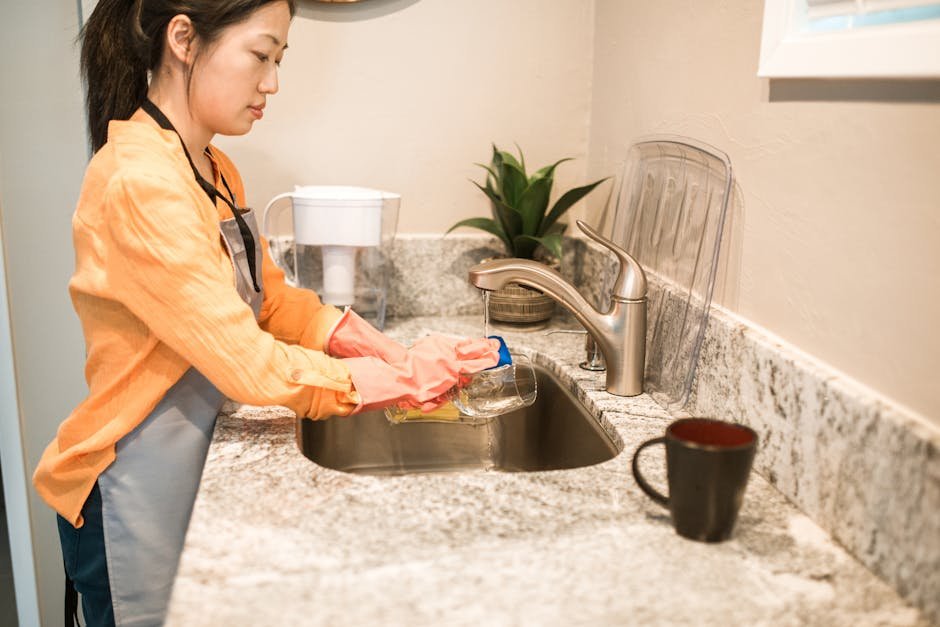
Is your dishwasher not draining properly? A clogged drain can be a real hassle, leading to leftover water and unpleasant odors.
But don’t worry—cleaning the drain in your dishwasher is easier than you might think. By tackling this simple task, you can ensure your dishwasher runs smoothly and efficiently. Imagine the satisfaction of a kitchen appliance that works perfectly every time you use it.
In this guide, you’ll discover straightforward steps to clear out any gunk or debris blocking your dishwasher’s drain. Ready to transform your dishwashing experience? Let’s get started on making your dishwasher as good as new!
Signs Of A Clogged Dishwasher Drain
Discovering water pooling at the bottom is a clear sign of a clogged dishwasher drain. Strange noises during operation indicate potential blockages. Unpleasant odors often arise from trapped food debris.
A clogged dishwasher drain can disrupt your daily routine, turning what should be a simple task into a frustrating ordeal. Are you noticing that your dishwasher isn’t performing as it should? Understanding the signs of a clogged drain can help you address the issue promptly, ensuring your appliance runs smoothly and efficiently.Water Pooling At The Bottom
One of the most visible signs of a clogged dishwasher drain is water pooling at the bottom after a cycle. This stagnant water can lead to unpleasant odors and even bacterial growth. Have you ever opened your dishwasher to find a small pool of water? It’s a clear indicator that something is blocking the drain.Strange Noises During Operation
Does your dishwasher sound like it’s struggling more than usual? A clogged drain can cause the motor to work harder, leading to unusual noises. If you hear grinding or rattling, it might be time to inspect the drain for blockages.Slow Drainage
Slow drainage is another common symptom. If you notice that water takes longer to drain than it used to, a clog could be the culprit. It’s easy to overlook slow drainage, but catching it early can prevent more significant issues down the line.Unpleasant Odors
Have you ever opened your dishwasher only to be greeted by a foul smell? Food particles trapped in the drain can decompose, leading to unpleasant odors. Regularly checking for clogs can keep your dishwasher smelling fresh.Dirty Dishes After A Cycle
Are your dishes coming out less than spotless? A clogged drain can prevent your dishwasher from cleaning effectively. If you find leftover food or residue on your dishes, inspect the drain to ensure it’s clear. Being aware of these signs can save you time and hassle. Have you noticed any of these symptoms with your dishwasher? Addressing them promptly can extend the life of your appliance and keep it running at its best.Essential Tools And Materials
Cleaning a dishwasher drain requires basic tools and materials. Gather a soft brush, vinegar, baking soda, and a clean cloth. These essentials help remove debris and ensure smooth drainage.
Cleaning the drain in your dishwasher might seem daunting, but with the right tools and materials, it becomes a straightforward task that can save you from costly repairs down the line. Ever wondered why your dishwasher isn’t cleaning as effectively as it used to? A clogged drain could be the culprit. Before you dive into the cleaning process, it’s crucial to gather the necessary items that ensure a smooth operation.Essential Tools
When tackling the drain, having the correct tools is vital. A screwdriver, for example, is necessary to remove the lower dish rack and access the drain area. Don’t underestimate the power of a flashlight. It will illuminate the nooks and crannies you need to inspect, helping you spot hidden debris. A small brush or toothbrush is your best friend here. It’s perfect for scrubbing away grime that accumulates over time. Have you ever tried using a plunger? It can be surprisingly effective at dislodging stubborn clogs without the need for chemical cleaners.Materials Needed
You might be surprised at how simple the materials required can be. White vinegar is a natural cleaner that tackles grease and residue effectively. Baking soda works wonders when combined with vinegar, creating a fizzing action that helps clear the drain. Consider using a dish detergent that’s designed to cut through grease and food particles. It’s something you likely already have in your kitchen. Keep a pair of rubber gloves handy. They protect your hands from grime and any sharp edges you might encounter.A Practical Tip
Think about the last time you cleaned your dishwasher drain. Did you notice any lingering odors? If so, a spritz of lemon juice can freshen things up, leaving your dishwasher smelling clean and inviting. Plus, it’s an easy way to ensure you enjoy using your appliance.Personal Insight
I once skipped cleaning the dishwasher drain, thinking it was unnecessary. The result? Dishes came out with bits of food and a cloudy residue. After using the tools and materials listed above, my dishwasher was back to its usual sparkle. It’s amazing how such a small task can make a big difference. Are you ready to tackle your dishwasher’s drain? With these tools and materials, you’re set to keep your appliance running smoothly and efficiently. Why wait for a problem when you can prevent it today?Safety Precautions
Cleaning your dishwasher’s drain is essential for efficient operation. Safety is crucial while performing this task. By following some basic precautions, you ensure a safe experience. Let’s explore how to safely clean the dishwasher drain.
Turn Off Power
Before starting, turn off your dishwasher’s power. This prevents electrical accidents. Locate the power switch or unplug the device. Always ensure the machine is completely off.
Use Protective Gear
Wear gloves to protect your hands. Dishwashers can have sharp components. Gloves prevent cuts and scrapes. Safety goggles are also helpful. They keep debris away from your eyes.
Keep The Area Dry
Ensure the floor around the dishwasher is dry. Wet floors can cause slips and falls. Use towels to wipe up any water. A dry workspace is a safe workspace.
Handle Tools Carefully
Use tools cautiously when cleaning. Only use tools recommended in the manual. Avoid using sharp or pointed tools. They can damage the appliance or hurt you.
Be Cautious With Cleaning Agents
Choose safe cleaning agents for your dishwasher. Avoid harsh chemicals. They can harm the appliance or your skin. Follow instructions on cleaning product labels.
Check For Loose Parts
Before cleaning, check for any loose parts. Secure them to avoid accidents. Loose parts can cause damage during cleaning. Ensure everything is in place before proceeding.
/how-to-clean-dishwasher-drain-6823343-09-hero-5643ebc79fcd4aae8389c75c4fefdbdc.jpg)
Credit: www.thespruce.com
Locating The Dishwasher Drain
Cleaning the dishwasher drain is essential for maintaining efficiency. A clean drain ensures water flows smoothly, preventing blockages. Before cleaning, it’s crucial to locate the drain. Knowing where to find it can save you time and effort. Let’s guide you through the steps.
Locating The Dishwasher Drain: An Overview
Dishwasher drains are usually found at the bottom of the machine. They are often hidden under a filter or cover. Identifying the location helps in effective cleaning.
Opening The Dishwasher
Start by opening the dishwasher door. This gives you access to the interior. You might need to remove the bottom rack for a clearer view.
Finding The Filter
Look for a circular or rectangular filter. It’s typically placed at the bottom. The filter might be held by clips or screws.
Removing The Filter
Carefully remove the filter to expose the drain. This allows you to access any debris or buildup. Handle the filter gently to avoid damage.
Locating The Drain Hole
With the filter out, find the drain hole. It should be visible now. The drain hole is where water exits the dishwasher.
Understanding The Drain’s Importance
The drain is crucial for water removal. A blocked drain can cause water to pool inside. Regular cleaning prevents clogging and keeps the machine running smoothly.
Ensure the dishwasher is off before starting. This prevents any accidental operation. Safety first when handling appliances.
Removing And Cleaning The Filter
Cleaning the filter in your dishwasher is crucial for its efficiency. This process ensures water flows freely, preventing clogs and maintaining performance. Regular maintenance of the filter can enhance the lifespan of your appliance. Let’s dive into how you can easily remove and clean the filter.
Removing The Filter
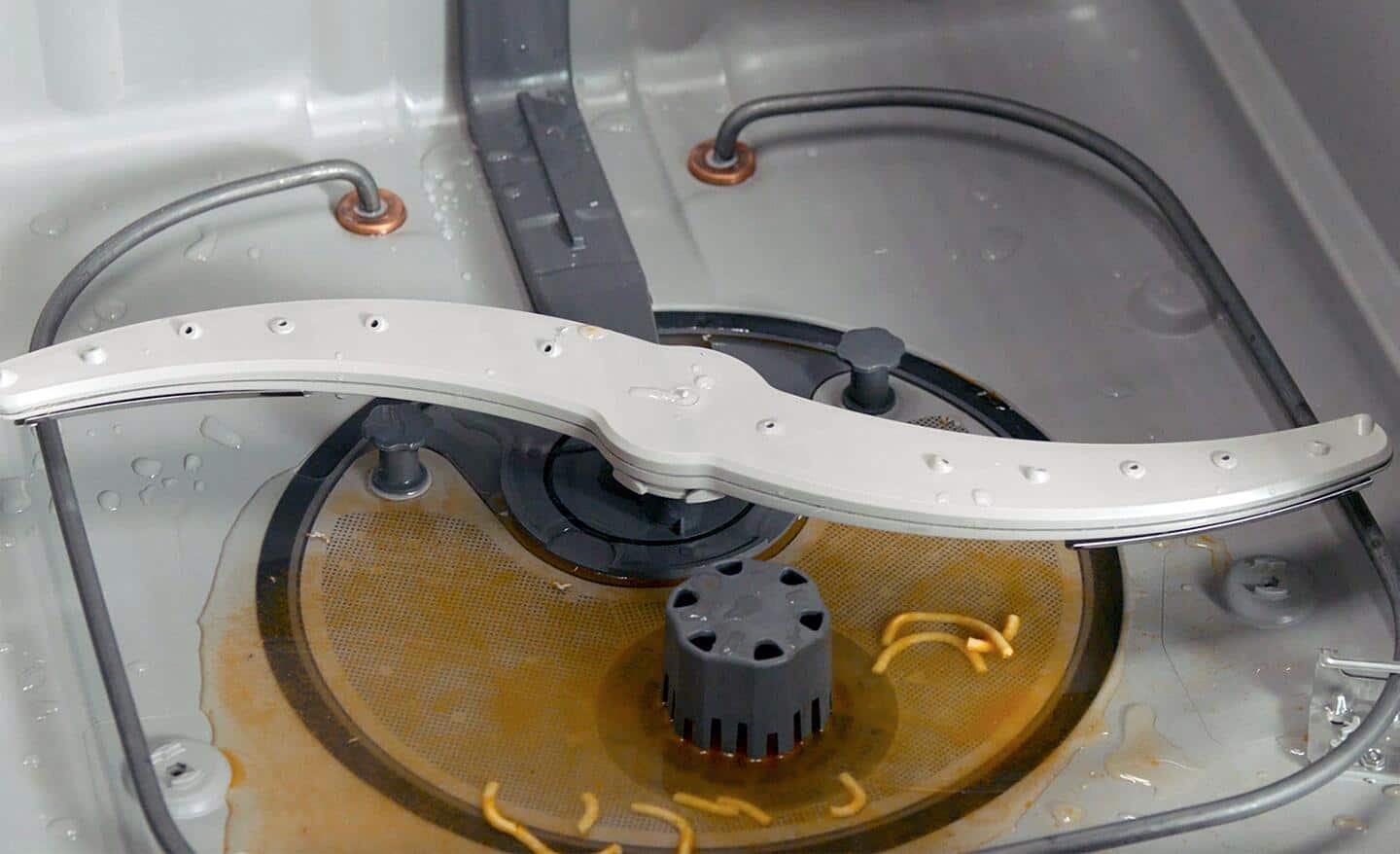
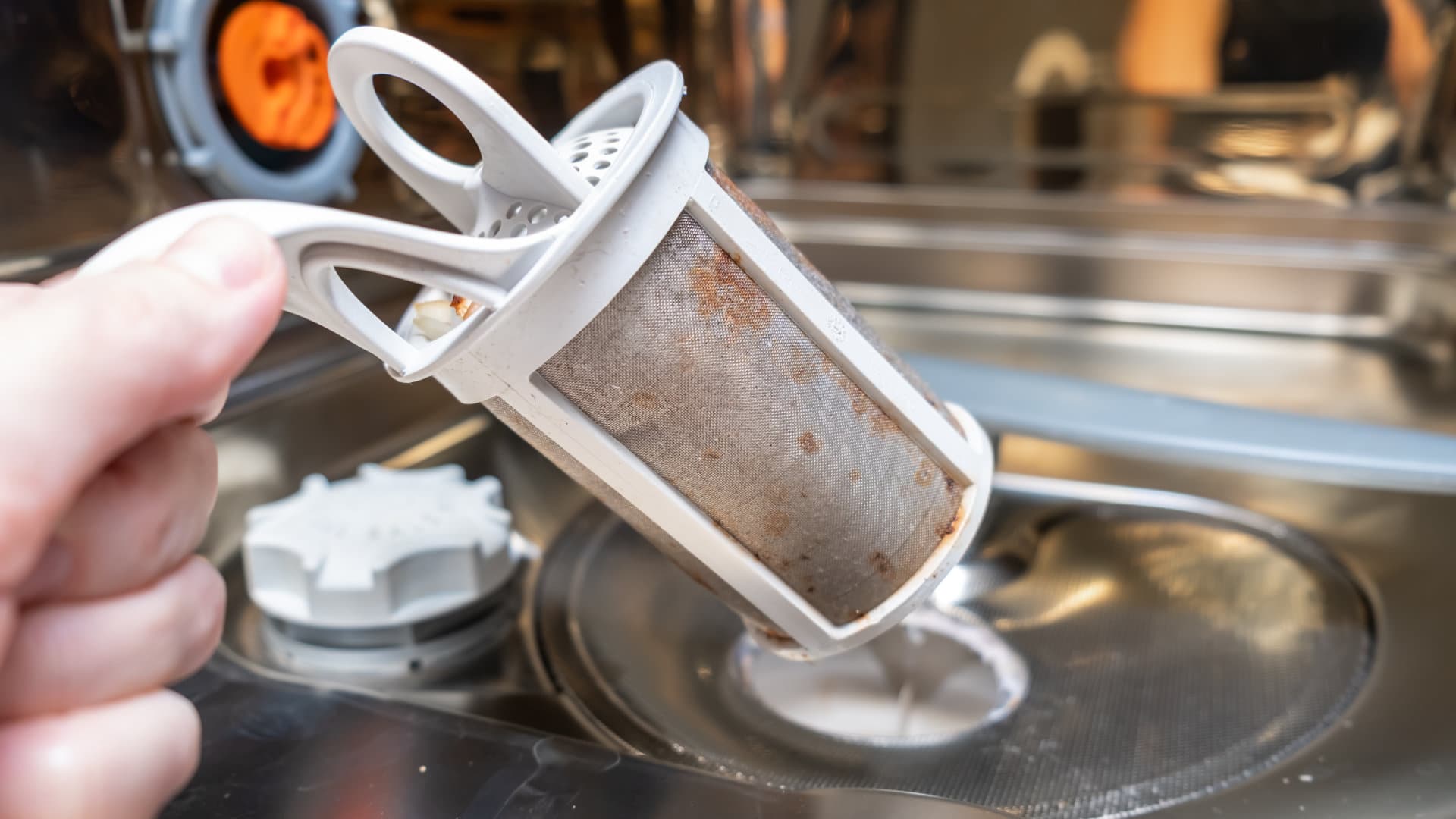
Locate the filter at the base of your dishwasher. It usually sits below the bottom spray arm. Gently twist and lift the filter to remove it. Be careful not to force it. For stubborn filters, consult your dishwasher manual.
Rinsing The Filter
Run the filter under warm water. This helps remove debris and food particles. Use a soft brush for stubborn residue. Ensure all openings are clear before proceeding.
Cleaning With Soap
Use mild dish soap and a soft sponge. Scrub the filter gently to remove grease buildup. Rinse thoroughly with warm water. This ensures no soap residue remains.
Inspecting For Damage
Check for cracks or damage in the filter. A damaged filter affects dishwasher performance. Replace it if necessary to ensure optimal efficiency.
Reinstalling The Filter
Place the filter back in its original position. Twist gently until it locks in place. Ensure it is secure to prevent future clogs. Your dishwasher is now ready for use.
Credit: www.homedepot.com
Clearing The Drain Hose
Is your dishwasher not draining properly? The drain hose might be clogged. Clearing the drain hose can restore your dishwasher’s performance. It’s a simple process. You can do it yourself with a few tools. This guide will help you through each step.
Detaching The Hose
First, unplug your dishwasher. Safety is important. Locate the drain hose at the back. Use a screwdriver to loosen the clamp. Gently pull the hose away from the dishwasher. Be careful not to damage it. Keep a towel handy. Water might spill out.
Flushing The Hose
Now, it’s time to flush the hose. Take it to a sink or outside. Use a garden hose to flush water through it. Ensure the water flows freely. This will dislodge any debris. If the hose is still clogged, use a wire hanger. Gently push it through to clear the blockage.
Once clean, reattach the hose to the dishwasher. Tighten the clamp securely. Plug your dishwasher back in. Run a short cycle to test. Your dishwasher should drain efficiently now.
Using Homemade Solutions
Using homemade solutions to clean your dishwasher drain can be effective. These methods are simple and cost-effective. You can use items already in your kitchen. Let’s explore some easy techniques to keep your dishwasher in top shape.
Baking Soda And Vinegar Mixture
Baking soda and vinegar work wonders for cleaning. Start by removing the dishwasher rack. Sprinkle one cup of baking soda into the drain. Let it sit for 15 minutes. Pour one cup of vinegar slowly over the baking soda. The mixture will fizz, breaking down grime. Wait another 15 minutes before running a rinse cycle. This method cleans and deodorizes effectively.
Hot Water Flush
Hot water can clear minor blockages. Boil a pot of water on the stove. Carefully pour the hot water into the dishwasher drain. The heat dissolves grease and residue. Repeat this process twice a month for best results. Regular hot water flushes maintain a clear drain.
Credit: fredsappliance.com
Inspecting The Garbage Disposal
Inspecting the garbage disposal helps maintain dishwasher efficiency. Cleaning the drain involves removing debris to prevent blockages. Regular maintenance ensures smooth operation and extends appliance lifespan.
Cleaning the drain in your dishwasher is a task that often gets overlooked. However, ensuring your dishwasher runs smoothly can save you from future headaches. One crucial aspect of maintaining a clean dishwasher is inspecting the garbage disposal. Your dishwasher and garbage disposal are connected, and a clog in one can affect the other. Let’s dive into the specifics of inspecting the garbage disposal to ensure your dishwasher remains efficient.Understanding The Connection
The garbage disposal is linked to the dishwasher’s drainage system. If it’s blocked, it can lead to water backing up in your dishwasher. This connection means that a problem in the disposal can directly affect the dishwasher’s performance. Knowing this can help you troubleshoot issues more effectively.Signs Of A Problem
How do you know if the garbage disposal is affecting your dishwasher? Look for water pooling at the bottom of the dishwasher or unusual noises during its cycle. These are clear indications that something might be wrong. If you notice these signs, it’s time to take action.Step-by-step Inspection
Start by turning off the power to the garbage disposal. Safety should be your top priority. Next, check for any visible blockages in the disposal. Sometimes, leftover food particles can cause a clog. Use a flashlight to inspect the interior. Look for any debris that might be causing an obstruction. You can use a small brush or cloth to remove any visible buildup.Simple Cleaning Methods
If you find debris, try using a mixture of vinegar and baking soda to clean it. Pour the mixture down the disposal and let it sit for a few minutes. This combination can help break down any stubborn particles. Afterward, run cold water through the disposal. This helps flush out any remaining residue. Regular cleaning can prevent future clogs and keep your dishwasher running smoothly.Regular Maintenance Tips
Consider setting a monthly reminder to inspect and clean your garbage disposal. This proactive approach can help avoid sudden issues. Regular maintenance ensures your appliances work together seamlessly. Have you ever thought about the impact of the garbage disposal on your dishwasher? It might be time to give it a closer look. By maintaining both systems, you ensure a hassle-free kitchen experience.Reassembling And Testing
Begin reassembling the dishwasher by carefully placing each part back in its original position. Test the appliance to ensure proper functionality after cleaning the drain.
Reassembling your dishwasher after cleaning the drain can seem like a daunting task, but it’s actually quite straightforward. The key is to remember how you disassembled it. Take a deep breath and follow along to make sure everything fits back perfectly. Once it’s reassembled, testing ensures it’s working smoothly, giving you peace of mind.Putting Everything Back Together
Start by placing the filter back into its original position. Ensure it fits snugly and securely. This prevents loose debris from getting into the drain. Next, reinstall the spray arms. Make sure they spin freely and don’t wobble. This guarantees effective water distribution during wash cycles. Finally, reattach the bottom rack. Slide it in carefully to avoid misalignment. A properly positioned rack allows for optimal loading of dishes.Testing The Dishwasher
Run a short rinse cycle. This checks if water drains properly without leaks. Listen for unusual noises. Grinding or excessive rattling might indicate misaligned parts. Observe the drainage process closely. If water drains efficiently, your reassembly is successful.Signs You Did It Right
Post-cleaning, your dishwasher should operate more quietly. A clean drain improves water flow, reducing strain on the motor. Dishes should come out cleaner. A well-maintained dishwasher enhances the effectiveness of detergents. Notice any leaks? If not, you’ve reassembled everything correctly. Leaks often indicate a need to recheck seals and fittings.Common Mistakes To Avoid
Don’t rush the process. Taking your time ensures you won’t miss steps. Ensure all screws are tightened adequately. Loose parts can cause operational issues. Double-check the filter placement. An improperly seated filter can lead to clogs. Reassembling and testing your dishwasher is a rewarding task. Have you ever noticed a difference in performance after a deep clean? Share your experiences in the comments below!Maintenance Tips For A Clean Drain
Keeping your dishwasher’s drain clean is essential. It ensures your appliance runs smoothly. A clogged drain can cause water to back up. This results in unpleasant odors and ineffective cleaning.
Regular maintenance can prevent these issues. Follow these tips to maintain a clean dishwasher drain.
Check The Drain Regularly
Inspect the drain for debris often. Food particles can accumulate over time. Remove any visible debris to prevent clogs.
Use Vinegar For Cleaning
Vinegar is a natural cleaning agent. Pour a cup of vinegar into the bottom of your dishwasher. Run a hot water cycle to clear build-up.
Clean The Filter
The filter traps food particles. Remove and rinse the filter under warm water. This should be done monthly for optimal performance.
Run Hot Water Before Starting
Hot water dissolves grease effectively. Run the kitchen tap until the water is hot. Start the dishwasher to ensure hot water reaches the drain.
Avoid Overloading The Dishwasher
Overloading can block the spray arms and drain. Load dishes properly for efficient cleaning.
Use A Dishwasher Cleaner
Dishwasher cleaners are designed to remove build-up. Use one monthly to maintain cleanliness. Follow the instructions on the package carefully.
Frequently Asked Questions
How Do I Clean Out My Dishwasher Drain Line?
Disconnect the dishwasher from power. Remove the bottom rack. Locate and clean the drain filter with a brush. Detach the drain hose and flush it with water to clear any clogs. Reassemble the parts and plug the dishwasher back in.
Regular maintenance prevents future blockages.
How Do I Know If My Dishwasher Drain Hose Is Clogged?
Check for water not draining or pooling at the bottom after a cycle. Listen for unusual noises. Inspect the hose for kinks or blockages. Remove and clean the hose if needed. Regular maintenance prevents clogs.
How Do I Get Standing Water Out Of My Dishwasher Drain?
Remove standing water by checking and cleaning the dishwasher filter and drain. Use a plunger if necessary. Ensure the drain hose is clear and not kinked. Regular maintenance prevents clogs.
Can I Pour Vinegar Down The Dishwasher Drain?
Yes, you can pour vinegar down the dishwasher drain. Vinegar helps eliminate odors and dissolve mineral deposits. Use it sparingly to avoid damaging rubber parts. Regular use can keep your dishwasher clean and efficient. Always check your dishwasher’s manual for specific maintenance recommendations.
Conclusion
Cleaning your dishwasher drain keeps your appliance running smoothly. It prevents clogs and bad smells. Regular maintenance is important. It helps your dishwasher work efficiently. Follow the steps shared in this guide. They are simple and effective. Keep your kitchen clean and fresh.
Make sure to check for blockages often. A clean drain means better dishes. Spend a little time caring for your dishwasher. It pays off in the long run. Enjoy clean dishes and a well-functioning machine. Remember, a little effort goes a long way!
