
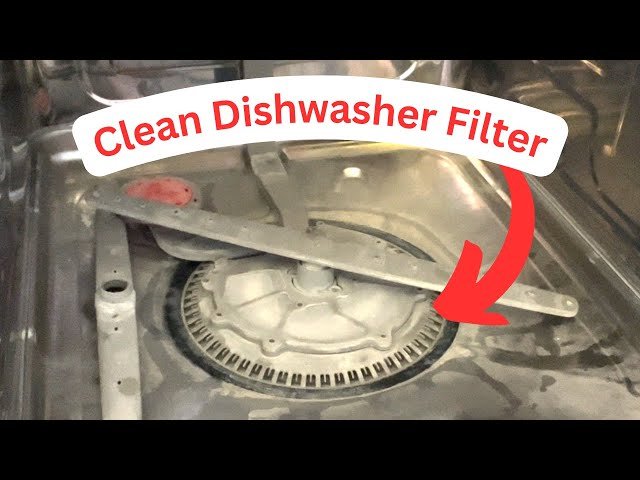
If your Samsung dishwasher leaves dishes less than sparkling or smells musty when you open the door, the problem is almost certainly a clogged filter. This small component traps food scraps, grease, and debris before they recirculate onto your plates. When it gets blocked, water flow drops, spots appear, and odors take hold.
The good news? Cleaning the filter takes under ten minutes and requires no special skills. You don’t even need to call a technician. This guide walks through every step with practical details that keep your machine running efficiently for years. No filler, no guesswork.
Why Cleaning Your Samsung Dishwasher Filter Matters
Samsung dishwashers, like most modern models, use a two‑part filter system: a coarse outer basket that catches large particles and a fine inner mesh that traps tiny bits. Together they prevent debris from reaching the spray arms and pump.
When that filter gets dirty, you’ll notice:
- Dishes come out gritty – food particles settle back onto clean surfaces.
- Unpleasant smells – trapped organic matter decays inside the machine.
- Longer cycle times – the dishwasher compensates for poor water flow.
- Standing water – the pump struggles to drain properly.
According to Samsung’s official maintenance recommendations, the filter should be cleaned every one to two months. If you run heavy loads daily or often rinse plates with solid food left on, bump that to every three weeks. Ignoring it can lead to costly pump repairs down the road.
Tools and Materials You’ll Need
You probably already own everything required. Gather these before starting:
| Item | Purpose |
|---|---|
| Old toothbrush or soft‑bristle brush | Scrub crevices without scratching plastic |
| Microfiber cloth or soft towel | Dry and polish filter parts |
| Mild dish soap | Cut grease without harsh chemicals |
| White vinegar (optional) | Dissolve mineral deposits and deodorize |
| Small bowl or container | Soak the filter to loosen stubborn grime |
| Rubber gloves | Keep hands clean and improve grip on wet parts |
| Old towel or mat | Protect kitchen floor from drips |
Practical tip: A worn toothbrush works better than a sponge because the bristles reach into the fine mesh. Avoid metal brushes or abrasive pads — they can score the filter’s surface, making it harder to clean later.
Locating the Filter in Your Samsung Dishwasher
Samsung places the filter at the bottom center of the tub, directly under the lower spray arm. Here’s how to find it:
- Open the dishwasher door fully – make sure the machine is empty and cool.
- Slide out the lower rack – set it aside so you have clear access.
- Look for a round or oval cap – it’s usually about four inches across with a handle or indentations. That’s the top of the filter assembly.
- Check the manual if unsure – pull up a digital copy on Samsung’s support site by entering your model number (found on the inner door panel).
Most Samsung models use a twist‑lock system: a simple quarter‑turn counterclockwise releases the entire assembly. Older units may have a single cylindrical cartridge, while newer ones separate into two pieces — a coarse outer cup and a finer inner cylinder.
How to Remove the Filter Safely
Removing the filter takes less than 30 seconds when done correctly. Follow these steps in order:
Step 1: Power off the dishwasher. Unplug it or flip the circuit breaker. This eliminates any risk of the spray arm suddenly rotating or the pump kicking on.
Step 2: Twist the filter cap counterclockwise. Grip the handle firmly and turn. It should release with a click. If it resists, check that no large object (like a lodged bone or glass shard) is blocking the mechanism. Never use pliers or force — you can crack the plastic.
Step 3: Lift the filter straight up. The coarse outer basket comes out first. Inside it sits the fine mesh cylinder. Pull that out separately.
Step 4: Inspect the cavity. With the filter removed, shine a flashlight into the opening. Occasionally small items (toothpicks, fruit stickers, broken glass) can fall past the filter into the sump area. If you see anything, carefully fish it out with tweezers.

The two‑part filter assembly after removal — a coarse basket (left) and fine mesh cylinder (right).
Cleaning the Filter — Step by Step
A quick rinse seldom does the job. Grease and food residue cling to the mesh. Here’s the method that gets it truly clean:
Rinse under warm running water. Hold the filter so water flows through the mesh from the “dirty” side (the side that faced the wash chamber). This pushes trapped particles out. Don’t use hot water — it can warp the plastic.
Soak in warm soapy water. Fill a bowl with warm water and a few drops of mild dish soap. Submerge both filter parts for 10 minutes. For heavy grease buildup, add ¼ cup white vinegar to the soak — the acid breaks down oil and deodorizes.
Scrub with a soft brush. Use an old toothbrush to work into every groove, especially where the coarse basket meets the fine mesh. Pay extra attention to the thin slit around the outer ring — that’s where the finest particles collect.
Rinse again thoroughly. Any soap residue left on the filter can cause foaming during the next wash cycle. Rinse until the water runs clear.
Shake off excess water and air dry. Place both parts on a clean towel while you tend to the dishwasher cavity.
Optional maintenance: While the filter is out, wipe the cavity floor with a damp microfiber cloth to remove any sludge. Pull out the lower spray arm and rinse its holes under the faucet — a quick check for clogs prevents future issues.
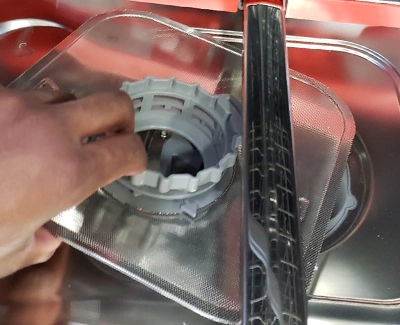
Rinsing the fine mesh cylinder under warm water to dislodge trapped debris.
Reassembling and Reinstalling the Filter
Putting the filter back correctly is as important as cleaning it. A loose fit lets food bypass the filter and reach the pump.
Step 1: Ensure both parts are dry. Moisture trapped under the seal can breed mold. Pat them dry with a microfiber cloth.
Step 2: Insert the fine mesh cylinder first. Drop it into the center of the coarse basket. It should sit flush, with no gap around the top edge.
Step 3: Lower the assembly into the sump. Align the tabs on the outer basket with the slots in the dishwasher floor. Press down gently while turning clockwise until it clicks into place. The handle or top surface should lie flat and even with the tub floor.
Step 4: Test the fit. Give the filter a gentle tug upward. If it holds firm, the seal is good. If it lifts out easily, re-seat it — you probably missed the twist lock.
Step 5: Run a short rinse cycle. Before loading dishes, run the dishwasher empty on the “Rinse Only” or “Quick” cycle. Listen for unusual sounds — grinding or gurgling can indicate a loose filter or debris still in the sump.
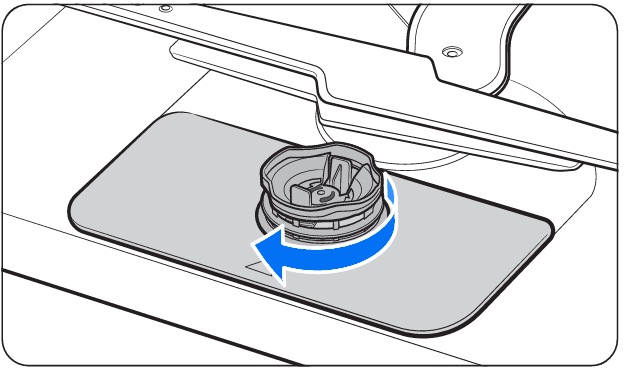
The filter assembly locked into position — notice the flush fit with the tub floor.
Maintenance Tips for Long-Term Performance
A clean filter alone isn’t enough. Regular habits keep the whole system healthy:
- Set a monthly reminder – Mark your calendar for the same day each month. For heavy users, every three weeks is better.
- Scrape, don’t rinse – Modern dishwashers and detergents are designed to handle food soil. Pre‑rinsing actually confuses the sensors. Just scrape solid leftovers into the trash.
- Clean the spray arms – Once every three months, remove the lower spray arm (it usually snaps off) and rinse the nozzles with a toothpick or paper clip.
- Use a dishwasher cleaner – Running a tablet‑based cleaner through an empty cycle every two months removes grease and scale that filters can’t catch. You can also use baking soda as a natural deodorizer by sprinkling a cup on the bottom and running a short hot cycle.
- Check the drain – Food particles that bypass the filter can collect in the drain hose. If you notice slow draining, inspect the hose connection under the sink. Understanding the dishwasher drain line configuration can help you identify blockages early.
- Make your own degreaser – For stubborn filter buildup, a simple homemade degreaser of warm water, baking soda, and a drop of dish soap works as well as store‑bought products.
Troubleshooting Common Filter-Related Problems
Even with regular cleaning, issues can pop up. Here’s how to diagnose and fix them:
Persistent odors after cleaning
The smell may be coming from the spray arm or the drain area. Remove the spray arm and rinse it thoroughly. Then run an empty hot cycle with two cups of white vinegar on the top rack. If odors return within a week, check for food trapped under the rubber door gasket — that’s a common hiding spot.
Cloudy or spotted dishes
A clean filter should improve results. If dishes still look hazy, the problem is often water hardness or incorrect detergent dosing. Try adding a rinse aid and switching to a higher detergent setting. Overcrowding the racks also blocks spray coverage — load plates so water can reach every surface.
Water pooling at the bottom of the tub
This usually means the filter isn’t seated correctly or the drain pump is clogged. First, re‑seat the filter and run a drain cycle. If water remains, check the shutoff valves under your sink — a partially closed valve restricts drainage. For persistent pooling, inspect the pump impeller for debris (small shards of glass or toothpicks can lodge there).
Strange noises during cycles
A rattling or grinding sound often indicates a loose filter or a foreign object in the sump. Turn off the machine, remove the filter, and shine a flashlight into the cavity. Fish out any debris with needle‑nose pliers. If the noise continues, the pump may need professional service.
Frequently Asked Questions
Where exactly is the filter in my Samsung dishwasher?
It’s at the bottom center of the tub, under the lower spray arm. Remove the lower rack and look for a round cap with a handle.
How often should I clean it?
Every 1–2 months for typical households. Clean monthly if you run loads daily or often wash pots with baked‑on food.
Can I run the dishwasher without the filter?
No. The filter protects the pump and spray arms from food debris. Running without it can cause serious damage and void your warranty.
Do all Samsung dishwashers have a removable filter?
Most modern Samsung dishwashers do. Some older models (pre‑2010) use a self‑cleaning system with a built‑in grinder. If you have a stainless steel interior and can’t find a removable filter, check your manual — you may not need to clean it manually.
What if my filter is cracked or damaged?
Replace it immediately. A crack lets debris bypass the filter, leading to pump failure. Use the exact Samsung part number from your manual. You can find similar cleaning steps for other brands online if you’re comparing designs.
Will cleaning the filter fix a dishwasher that won’t drain?
Often, yes. A clogged filter is the number‑one cause of standing water. If cleaning it doesn’t solve the problem, check the drain hose or pump for blockages.
Conclusion
Keeping your Samsung dishwasher’s filter clean is the single most effective way to extend its life and ensure spotless results every cycle. It takes minutes, requires only basic household items, and costs nothing. Yet many people only think about it when something goes wrong.
Make it a habit: once a month, pull the filter, give it a thorough soak and scrub, and reinstall it tightly. Your dishwasher will thank you with quieter operation, fresher smells, and dishes that actually look clean when the cycle ends.
Take five minutes today to inspect and clean your filter — your dishes and your wallet will thank you.
