
Are you tired of your KitchenAid dishwasher not performing at its best? A dirty filter might be the culprit behind those spotty dishes and lingering odors.
But don’t worry; keeping your dishwasher filter clean is easier than you might think. In this guide, we’ll show you how to clean your KitchenAid dishwasher filter effectively, ensuring your appliance runs smoothly and your dishes come out sparkling every time.
Imagine the satisfaction of opening your dishwasher to find every glass and plate gleaming. By following a few simple steps, you can achieve this and prolong the life of your dishwasher. So, let’s dive in and discover how you can easily restore your dishwasher to its optimal performance.

Credit: damselwithadrill.com
Tools Needed
Gather a soft brush, warm soapy water, and a towel to clean your KitchenAid dishwasher filter. These simple tools ensure effective cleaning without damaging the filter. Regular maintenance helps your dishwasher run smoothly.
Cleaning the filter of your KitchenAid dishwasher might seem like a small task, but the right tools can make it a breeze. You don’t need a professional toolkit to get the job done. With a few household items, you can tackle this cleaning project quickly and efficiently. Let’s dive into the essentials you’ll need for this task.Basic Tools
Start with the basics. You will need a soft-bristled brush. This is perfect for scrubbing away debris without damaging the filter. A toothbrush works wonders if you don’t have a dedicated brush. Next, grab a microfiber cloth. It’s ideal for wiping away residue and ensuring the filter is spotless. Microfiber is excellent for picking up dirt without leaving lint behind. Finally, have a bowl or small container ready. This will help you mix any cleaning solutions and keep small parts safe while you work.Cleaning Solutions
A simple mixture of warm water and mild dish soap is all you need. This combination is effective for removing grease and grime. Make sure the soap is gentle to avoid leaving any harsh residues. For tougher stains or mineral deposits, consider using white vinegar. It’s a natural cleaner and deodorizer. A splash of vinegar in your cleaning solution can dissolve stubborn buildup.Optional Tools
If your filter is particularly dirty, a toothpick or cotton swab might come in handy. These tools can reach into small crevices and remove any stuck-on gunk. You might also want to keep a pair of rubber gloves nearby. Protecting your hands from sharp edges or cleaning solutions is always a smart move.Personal Tip
Last time I cleaned my dishwasher filter, I found a piece of lemon peel stuck inside. It reminded me of how often we overlook these little details. Checking your filter regularly can prevent surprises and keep your dishwasher running smoothly. What unexpected find have you encountered while cleaning your filter? Share your story in the comments!Safety Precautions
Cleaning your KitchenAid dishwasher filter is essential for optimal performance. Before you start, ensure you follow safety precautions. These steps protect both you and your appliance.
Ensure The Dishwasher Is Unplugged
Always unplug your dishwasher before maintenance. This prevents electrical shocks. Safety is your top priority.
Wear Protective Gloves
Protect your hands with gloves. Dishwashers have sharp edges and parts. Gloves reduce risk of injury.
Use A Soft Cloth
Use a soft cloth for cleaning. Avoid abrasive materials. They can damage the filter’s surface.
Avoid Harsh Chemicals
Harsh chemicals can ruin the dishwasher’s components. Use mild soap instead. It’s safer and effective.
Read The User Manual
The user manual offers specific safety tips. Follow them closely. This ensures proper handling and safety.
Locating The Filter
Locating the filter in your KitchenAid dishwasher is essential for cleaning. Proper maintenance keeps your dishwasher efficient and your dishes sparkling. This guide helps you find the filter quickly.
Identifying The Model
KitchenAid dishwashers have different models. Each model may have a unique filter location. Check your user manual for specific model details.
Opening The Dishwasher
Open the dishwasher door fully. This allows access to the interior components. The filter is usually near the bottom rack. Make sure the dishwasher is off before proceeding.
Removing The Bottom Rack
Slide out the bottom rack gently. This gives clear access to the filter area. Be careful with dishes or utensils in the rack.
The filter is typically found at the bottom of the dishwasher. It’s near the spray arm. Look for a round or cylindrical piece. It might have a handle for easy removal.
Understanding Filter Types
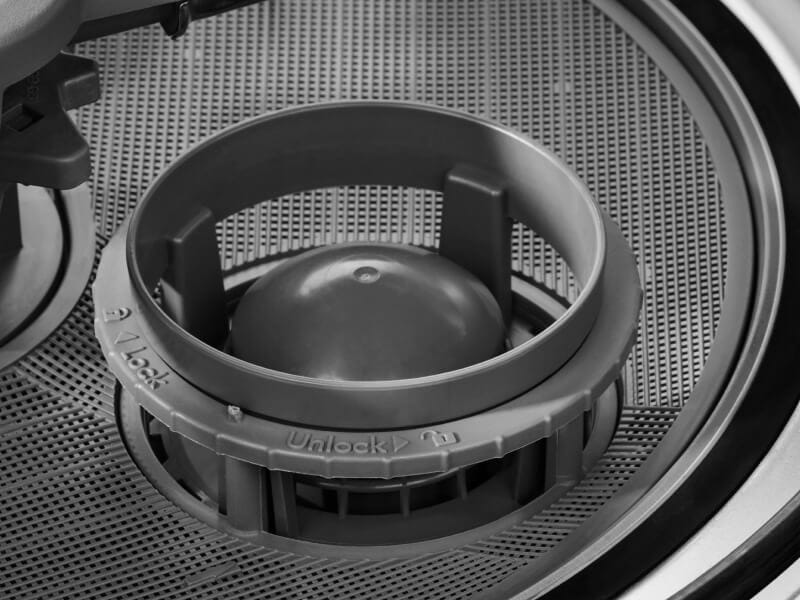
KitchenAid dishwashers have two types of filters: coarse and fine. The coarse filter catches larger debris. The fine filter traps smaller particles. Both need regular cleaning.
Removing The Filter
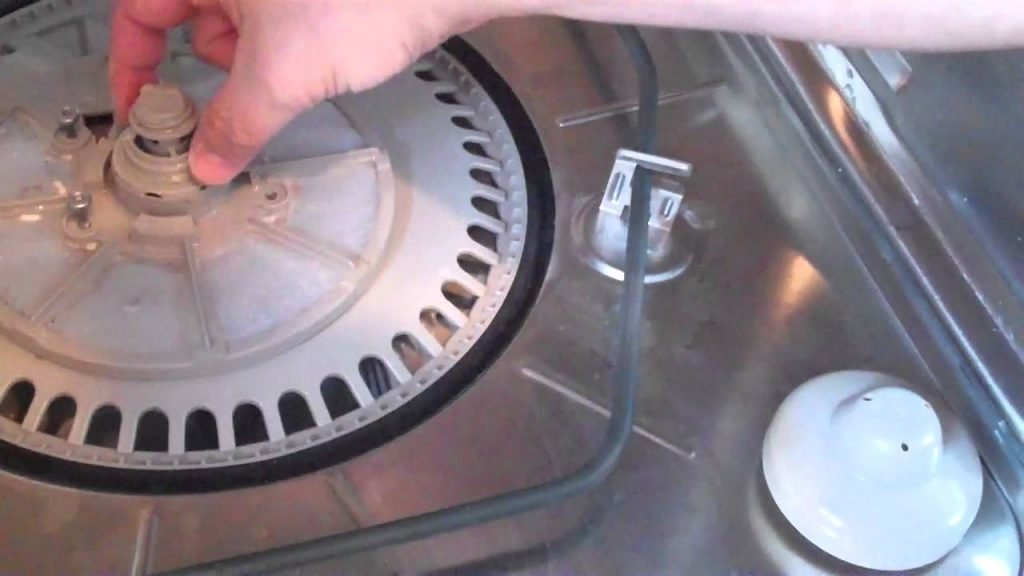
Cleaning your Kitchenaid dishwasher filter is simple and improves performance. Remove the lower dish rack. Twist the filter counterclockwise and lift it out. Rinse under warm water to clear debris. Reinstall by twisting clockwise. Regular cleaning ensures efficient dishwashing.
Cleaning the filter in your KitchenAid dishwasher may seem like a daunting task, but it’s essential for maintaining its performance. If you’ve ever noticed your dishes not coming out as sparkling clean as you’d like, a clogged filter might be to blame. Let’s dive into the straightforward process of removing the filter so you can keep your dishwasher running efficiently.Identifying The Filter Location
First, locate the filter in your KitchenAid dishwasher. Typically, you’ll find it at the bottom center of the appliance. It might be under the lower dish rack, so gently slide the rack out to access it.Preparing To Remove The Filter
Before you begin, ensure the dishwasher is off and cool. Safety first! You don’t want to risk any accidents. Have a towel or sponge handy to clean up any water spills during the process.Unlocking The Filter
Most KitchenAid filters are designed to be user-friendly. Simply rotate the filter counterclockwise. You should feel it loosen. If it’s stuck, don’t force it—check for any debris obstructing the movement.Lifting Out The Filter
Once unlocked, gently lift the filter out of its housing. Be cautious, as some filters might have sharp edges. Consider wearing gloves if you find it difficult to grip.Inspecting The Filter
With the filter in hand, examine it closely. Is there a buildup of food particles or grime? A dirty filter can hinder your dishwasher’s performance. Cleaning it now can save you from bigger issues later.Cleaning The Filter
Rinse the filter under warm water to remove loose debris. For stubborn dirt, use a soft brush to scrub gently. Avoid using harsh chemicals; a mild detergent should suffice.Reassembling The Filter
After cleaning, align the filter back into its housing. Rotate it clockwise until it’s securely locked in place. Ensure it’s snug to prevent any leaks or performance issues.Testing Your Dishwasher
With the filter reinstalled, run a quick cycle to ensure everything is functioning correctly. Notice the improvement in how clean your dishes come out. Isn’t it satisfying to see such immediate results? How often do you think you should clean your dishwasher filter? Regular maintenance can extend the life of your appliance, making these small tasks worth your while.Cleaning Methods
Cleaning the filter in your Kitchenaid dishwasher is essential. It helps keep your appliance running smoothly. Over time, food particles and residue can build up. Cleaning the filter ensures your dishes come out spotless. Here are some effective cleaning methods to tackle this task.
Rinsing Under Water
Start by removing the filter. Hold it under warm running water. This helps wash away loose particles. Rotate the filter to clean all sides. Use your fingers to gently scrub. Ensure every part is rinsed thoroughly.
Using Soap And Brush
Soap can help remove stubborn grime. Apply a small amount of dish soap to the filter. Use a soft brush to scrub gently. Focus on areas with visible dirt. Circular motions work best. Rinse with warm water to remove soap.
Dealing With Tough Residue
Some residues need extra effort. Mix baking soda and water to form a paste. Apply it to affected areas. Let it sit for a few minutes. Use a soft brush to scrub gently. Rinse thoroughly with warm water.

Credit: www.youtube.com
Reinstalling The Filter
Reinstalling the filter in your KitchenAid dishwasher ensures optimal performance. After cleaning, align the filter carefully and secure it in place. Regular maintenance helps keep your dishwasher running smoothly.
Reinstalling the filter in your KitchenAid dishwasher is a crucial step to ensure it runs smoothly and efficiently. Many people underestimate the impact a correctly installed filter can have on your dishwasher’s performance. Have you ever noticed your dishes aren’t getting as clean as they used to? Perhaps the culprit is a poorly reinstalled filter. Let’s walk through this essential task with some practical tips and insights.Ensure The Filter Is Clean
Before you start reinstalling, make sure the filter is spotless. A clean filter prevents food particles from circulating back onto your dishes. Even a small amount of debris can hinder performance, so take a moment to double-check.Align The Filter Correctly
Place the filter back in its housing, ensuring it sits flush. Misalignment can cause water to bypass the filter, leading to poor cleaning results. If it feels wobbly or loose, adjust it until it clicks or locks into place.Secure The Upper Filter Assembly
Position the upper filter assembly so it aligns with the lower filter. Gently turn it clockwise until it locks. This secures the filtration system and prevents any unwanted movement during the wash cycle.Test The Filter’s Stability
Once installed, lightly press around the filter edges. It should feel firm and stable. If it moves, revisit the alignment steps to ensure everything is correctly positioned.Run A Quick Test Cycle
Before loading your dishwasher with dishes, run a quick cycle. This helps verify the filter is in place and functioning as expected. Check the water drainage and cleanliness of the dishwasher interior afterward. Reinstalling the filter might seem like a small task, but its impact on your dishwasher’s performance is significant. Have you ever skipped this step and noticed a difference? Taking the time to do it right can save you headaches later. By following these steps, you’re not just maintaining your dishwasher; you’re prolonging its life and ensuring your dishes come out sparkling clean every time.Maintenance Tips
Keeping your KitchenAid dishwasher filter clean is essential. It ensures optimal performance and longevity. Regular maintenance prevents clogs and unpleasant odors. A clean filter enhances the dishwasher’s efficiency. It also reduces the risk of damage. Let’s explore some essential maintenance tips.
Regular Cleaning Schedule
Establishing a regular cleaning schedule is crucial. Clean the filter every month. This prevents buildup of food particles. It also ensures your dishes come out spotless. Remember, consistent cleaning keeps your appliance running smoothly. Set a reminder to check the filter often. This simple task saves you time and money in the long run.
Signs Of Filter Damage
Watch out for signs of filter damage. A damaged filter can affect performance. Look for visible cracks or tears. These can lead to improper cleaning. Notice if your dishes are not as clean. This might indicate a filter issue. Unusual noises during the wash cycle can also be a warning sign. Always replace a damaged filter immediately. This prevents further damage to your dishwasher.
Credit: www.kitchenaid.com
Troubleshooting Common Issues
Keeping your KitchenAid dishwasher in top shape requires more than just a rinse cycle. Occasionally, you might face a few hiccups that can affect its performance. Whether it’s clogged filters or performance issues, knowing how to troubleshoot these common problems can save you time and money. Let’s dive into the solutions.
Filter Clogging
One of the most common issues is a clogged filter. You might notice leftover food particles or a persistent odor. This happens when debris accumulates over time.
Start by locating the filter at the bottom of the dishwasher. Remove it and rinse under warm water. Use a soft brush to scrub away any stubborn residue. This simple step can dramatically improve your dishwasher’s efficiency.
Ever wondered why your dishes sometimes come out less than spotless? A clogged filter could be the culprit. Regular cleaning ensures that your dishwasher operates at its best.
Dishwasher Performance Problems
Are your dishes still dirty after a cycle? This can be frustrating, especially when you rely on your dishwasher for sparkling results. Poor performance can stem from multiple sources.
First, check the spray arms. Blockages can hinder water flow, affecting cleaning power. Remove and rinse these components to ensure they move freely. This might be all you need to restore your dishwasher’s performance.
Consider the detergent you’re using. Sometimes, switching to a different brand or type can make a noticeable difference. Have you ever tried eco-friendly options? They might surprise you with their effectiveness.
When dealing with dishwasher issues, remember that a little maintenance goes a long way. What steps will you take today to ensure your KitchenAid runs smoothly?
Frequently Asked Questions
How To Clean A Filter On A Kitchenaid Dishwasher?
Remove the bottom rack to access the filter. Twist the cylindrical filter counterclockwise to remove it. Rinse it under warm water to clean. Remove any debris from the filter slot. Reinstall the filter by twisting it clockwise until it locks.
Clean the filter monthly for optimal performance.
How Do I Know If My Dishwasher Has A Removable Filter?
Check your dishwasher manual or look inside the machine for a filter compartment. Removable filters are usually located near the bottom. If unsure, contact the manufacturer or search online for your model’s specifications. Regular maintenance helps ensure optimal performance.
How Often Should I Clean My Kitchenaid Dishwasher Filter?
Clean your KitchenAid dishwasher filter every three to six months. Frequent cleaning ensures optimal performance. If you use the dishwasher heavily, consider monthly cleaning. Regular maintenance prevents clogs and improves efficiency. Always follow the manufacturer’s guidelines for best results.
How Many Filters Does A Kitchenaid Dishwasher Have?
KitchenAid dishwashers typically have three filters: a coarse filter, a fine filter, and a microfilter. These filters work together to trap food particles and prevent clogs, ensuring optimal performance and cleanliness. Regular cleaning of these filters is essential for maintaining the dishwasher’s efficiency and longevity.
Conclusion
Cleaning your KitchenAid dishwasher filter is essential. It keeps your machine running smoothly. A clean filter prevents clogs and improves washing. Regular maintenance ensures dishes come out spotless. Follow these steps to keep your dishwasher efficient. Removing and cleaning the filter is simple.
It takes just a few minutes. Remember to check the filter often. Clean it monthly for best results. This small task makes a big difference. Enjoy hassle-free dishwashing with a clean filter. Your KitchenAid will thank you. Keep it in top shape with regular care.
Happy dishwashing!
