
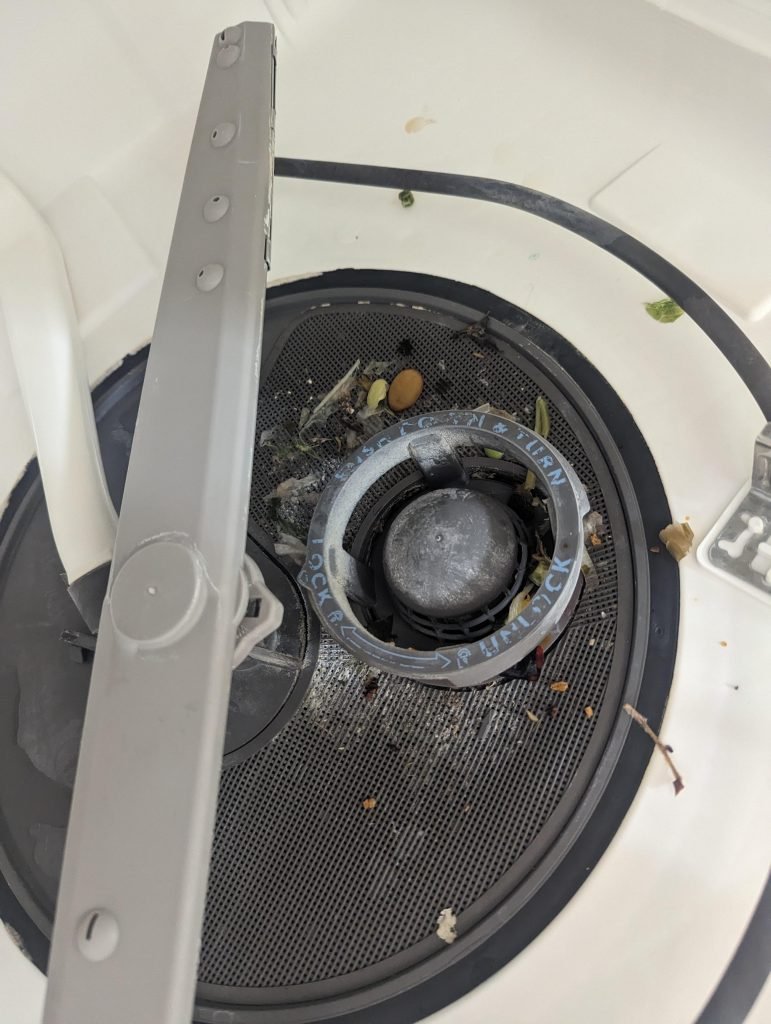
Is your dishwasher not performing as well as it used to? You might be overlooking a small but crucial component: the food trap.
Over time, bits of food can accumulate in the trap, leading to unpleasant odors, inefficient cleaning, and even potential clogs. But don’t worry, cleaning the food trap is simpler than you might think. In this guide, you’ll discover a step-by-step method to effectively clean your dishwasher’s food trap, ensuring sparkling dishes and a fresh-smelling appliance.
Imagine the satisfaction of seeing spotless dishes every time you open your dishwasher. By the end of this article, you’ll be equipped with the knowledge to maintain your dishwasher like a pro, saving you both time and money on unnecessary repairs. Dive in and transform your dishwashing experience!

Credit: www.reddit.com
Importance Of Cleaning The Food Trap
Cleaning the food trap in a dishwasher keeps your dishes spotless and prevents bad smells. Removing trapped food bits stops clogs, ensuring smooth operation. Regular maintenance saves time and keeps your dishwasher working well.
Cleaning the food trap in your dishwasher is more than just a chore—it’s a key component to ensuring your appliance runs efficiently and hygienically. Think of the food trap as the heart of your dishwasher. When it gets clogged, your dishes might not come out sparkling, and you could face issues like unpleasant odors or even mold growth. By maintaining it regularly, you enhance the lifespan of your dishwasher and ensure your kitchen remains a safe and clean environment.Why Regular Cleaning Is Essential
Imagine loading your dishwasher after a hearty meal. Bits of food, sauces, and crumbs all get washed away during the cycle. Without regular cleaning, these residues accumulate in the food trap. This not only compromises the cleaning efficiency but can also lead to blockages. You wouldn’t want your dishwasher to become a breeding ground for bacteria, right?Enhancing Dishwasher Performance
A clean food trap means a cleaner wash. When food particles are trapped, they can get redeposited onto your dishes, leaving them grimy. Regularly clearing the food trap ensures that water flows freely, enhancing the overall performance of your dishwasher. It’s like giving your appliance a fresh start each time you clean it.Preventing Unwanted Odors
Have you ever opened your dishwasher and been greeted by a less-than-pleasant smell? This is often due to food residues that have been left to rot in the food trap. By cleaning it out, you eliminate these odors, keeping your kitchen smelling fresh. No one wants to deal with foul smells when they’re prepping for dinner, do they?Easy Steps To Clean The Food Trap
You might wonder, “How often should I clean the food trap?” A quick inspection every week is a good practice. Start by removing the bottom rack to access the trap. Use a damp cloth to wipe away any debris. For stubborn residues, a gentle scrub with a toothbrush can work wonders. Regular cleaning ensures your appliance remains in top shape, saving you from potential costly repairs.Personal Experience
I once neglected my dishwasher’s food trap for months. When I finally tackled it, the amount of residue was shocking. After cleaning, the difference in performance was noticeable—my dishes came out spotless, and the unpleasant odor vanished. This experience taught me the importance of regular maintenance. Cleaning the food trap might seem trivial, but it plays a crucial role in maintaining the efficiency and hygiene of your dishwasher. So, when was the last time you checked yours?Identifying The Food Trap Location
Cleaning the food trap in your dishwasher might seem daunting. It’s crucial for maintaining efficiency. But first, you need to identify its location. This varies across dishwasher models. Locating it ensures you clean it effectively, preventing clogs.
Common Dishwasher Models
In most dishwashers, the food trap is at the bottom. It usually sits under the lower spray arm. Some models have it near the back wall. Check your manual for specifics. In Bosch dishwashers, the trap is often under the filter. Whirlpool models typically have a removable filter covering the trap. GE dishwashers may have it near the lower spray arm. Always look for a round or rectangular mesh cover.
Signs Of A Clogged Food Trap
Several signs indicate a clogged food trap. Water pooling at the bottom is common. Dishes not getting clean is another. Unpleasant odors might also arise. You may hear strange noises during the wash cycle. If your dishwasher takes longer, check the trap. Regular maintenance can prevent these issues.
Tools Needed For Cleaning
Cleaning your dishwasher’s food trap helps maintain its efficiency. To do this task, you’ll need specific tools. Both basic household items and specialized cleaning tools play a crucial role. These tools ensure thorough cleaning and prevent future clogs.
Basic Household Items
Basic household items are essential for cleaning the food trap. A soft sponge helps scrub away grime without scratching surfaces. Dish soap breaks down grease and dirt effectively. White vinegar acts as a natural cleaner, dissolving residue and eliminating odors. Baking soda is perfect for scrubbing stubborn spots. It also neutralizes bad smells.
Specialized Cleaning Tools
Specialized cleaning tools offer a deeper clean for the food trap. A toothbrush with soft bristles reaches tight corners and crevices. It dislodges trapped food particles effectively. A small brush set provides versatility for different-sized components. A pipe cleaner is useful for cleaning narrow openings and channels. A microfiber cloth dries and polishes surfaces, leaving them spotless. These tools ensure a comprehensive cleaning experience.
Step-by-step Cleaning Guide
Easily clean the food trap in your dishwasher with this simple guide. First, locate the food trap at the bottom. Then remove any debris by hand. Finally, rinse it thoroughly under warm water. Keep your dishwasher running efficiently by regularly maintaining its cleanliness.
Cleaning the food trap in your dishwasher can improve its performance. This step-by-step guide will help you clean it easily. Follow these simple steps to ensure your dishwasher runs smoothly.Preparation Steps
First, gather your cleaning tools. You’ll need a soft cloth, a scrub brush, and mild detergent. Next, unplug the dishwasher to ensure safety. Remove the bottom rack for easy access to the food trap. Keep a towel nearby to catch any spills.Removing The Food Trap
Locate the food trap at the bottom of the dishwasher. It usually looks like a small grate or cover. Gently twist or unclip it to remove. Be careful not to force it, as this can damage the trap.Cleaning Techniques
Rinse the food trap under warm water. Use the soft cloth to wipe away loose debris. For stubborn food particles, gently scrub with the brush. Apply a small amount of detergent if needed. Ensure all residue is removed for optimal cleanliness.Reinstalling The Food Trap
After cleaning, ensure the trap is completely dry. Place it back in its original position. Secure it by twisting or clipping it back in place. Double-check to ensure it’s firmly attached. Replace the bottom rack and close the dishwasher. Plug the appliance back in to finish.Safety Precautions
Ensure safety by unplugging the dishwasher before cleaning the food trap. Wear gloves to protect your hands from sharp debris.
Cleaning the food trap in your dishwasher might seem straightforward, but prioritizing safety is crucial. You don’t want to end up with a bigger issue just because you overlooked some basic precautions. Taking a few extra minutes to ensure you’re handling everything safely can save you time and trouble. Plus, it can prevent potential damage to your appliance. Let’s dive into some essential safety tips to keep in mind.Avoiding Electrical Hazards
Before you start cleaning, make sure your dishwasher is turned off and unplugged. This simple step is often overlooked but can prevent electrical shocks. It’s easy to assume that turning the appliance off is enough, but disconnecting it entirely offers an extra layer of safety. Water and electricity are a dangerous combination. Be cautious of any water around the power cords or outlet. If you notice any water pooling, dry it thoroughly before proceeding. This ensures you’re working in a safe environment. Consider your surroundings. Is your floor wet? Are there any exposed wires? Even small oversights can lead to big problems. Being mindful of these details keeps you safe and ensures your cleaning process is smooth.Proper Handling Of Dishwasher Parts
Dishwasher parts can be surprisingly delicate. When removing the food trap, handle it gently to avoid any cracks or breaks. Replacing broken parts can be costly, and taking care while cleaning saves money. Parts can be slippery. Use a towel or gloves for a better grip. This prevents accidental drops and reduces the risk of damage. Plus, it gives you more control over the cleaning process. Think about how you place parts aside. Organize them so you remember how to put them back. Taking a photo can help if you’re unsure about reassembly. This makes your task easier and ensures everything fits back perfectly. Have you ever had a mishap while cleaning your dishwasher? What did you learn from it? Sharing your experiences can help others avoid similar mistakes.
Credit: www.youtube.com
Maintaining A Clean Dishwasher
Maintaining a clean dishwasher ensures dishes come out spotless every time. A clean dishwasher runs efficiently and lasts longer. A key part of this process is cleaning the food trap regularly. This prevents clogs and bad odors. A dirty food trap can reduce cleaning performance. Let’s explore how to maintain a clean dishwasher effectively.
Regular Cleaning Schedule
Establish a regular cleaning schedule for your dishwasher. Clean the food trap once a month. This prevents food particles from building up. Consistent cleaning keeps the machine running smoothly. It also reduces the risk of unpleasant smells. Mark a day each month to inspect and clean your dishwasher.
Preventive Measures
Use preventive measures to keep your dishwasher clean. Scrape off food from dishes before loading them. This reduces the amount of food entering the trap. Run hot water in your sink before starting the dishwasher. This helps dissolve and wash away grease. Use a high-quality detergent to avoid residue build-up.
Check the spray arms and clean any blocked holes. This ensures water sprays effectively over dishes. Keep the dishwasher door slightly open after a cycle. This allows moisture to escape and prevents mold growth. Following these steps helps maintain a clean and efficient dishwasher.
Troubleshooting Common Issues
Cleaning the food trap in your dishwasher prevents clogs and ensures optimal performance. First, remove the bottom rack to access the trap. Use warm water and a soft brush to gently scrub away debris.
When your dishwasher isn’t performing at its best, it can be incredibly frustrating. A common culprit behind this is often the food trap, which can become clogged or cause other issues over time. Tackling these problems head-on can save you time and stress. Let’s dive into some common issues you might encounter and how to troubleshoot them effectively.Persistent Clogs
If you’ve noticed your dishwasher isn’t draining properly, a persistent clog might be the issue. First, check the food trap for any visible debris. Remove and clean it thoroughly, ensuring all particles are gone. Sometimes, food particles can be stubborn and lodge deeper than expected. Use a toothpick or small brush to reach those tricky spots. You’d be surprised how a small piece of food can cause such a big issue. Consider using a vinegar solution to break down any grease or residue that might be causing the blockage. Simply mix equal parts of vinegar and water, pour it into the trap, and let it sit for a few minutes before rinsing. This simple solution can often resolve persistent clogging issues.Unusual Noises
Has your dishwasher started making strange noises during a cycle? This could be a sign that something is amiss with the food trap. A clogged trap can cause water to flow unevenly, leading to unusual sounds. Check for any loose particles or objects in the food trap that might be rattling around. Sometimes, small utensils or even a stray piece of plastic can end up in the trap, causing noise. If everything seems clear but the noise persists, consider whether the trap is securely in place. A loose trap can vibrate during the wash cycle, creating unexpected sounds. Tighten any loose parts, and test the dishwasher again to see if the noise subsides. Have you ever experienced a similar issue with your dishwasher? What steps did you take to resolve it? Sharing experiences can help others facing the same challenges.
Credit: www.reddit.com
Benefits Of A Clean Food Trap
Keeping the food trap in your dishwasher clean brings many benefits. A clean food trap ensures your dishwasher performs at its best. It keeps your kitchen environment hygienic. It also prolongs the life of your dishwasher.
Enhanced Dishwasher Performance
A clean food trap boosts your dishwasher’s efficiency. It allows water to flow freely. This means dishes come out cleaner. No more stuck-on food particles. You save time and energy with better cleaning. Your dishwasher works smarter and faster.
Improved Hygiene
Cleaning the food trap reduces bad odors. It prevents bacteria from growing. This keeps your kitchen fresh. A clean food trap stops mold buildup. You enjoy cleaner dishes and a healthier home. Your kitchen stays spotless and safe.
Frequently Asked Questions
How To Clean A Drain Trap On A Dishwasher?
Turn off the dishwasher and unplug it. Remove the bottom rack. Locate the drain trap and unscrew it. Clean debris using a brush and rinse under warm water. Reassemble and test the dishwasher. Regular cleaning ensures optimal performance and prevents clogs.
Where Is The Food Trap In My Dishwasher?
The food trap in your dishwasher is typically located at the bottom. It sits near the spray arms. Access it by removing the lower rack and looking for a mesh or grate cover. Regularly clean the trap to ensure optimal dishwasher performance and prevent clogs.
How Often Should I Clean My Dishwasher Trap?
Clean your dishwasher trap monthly to ensure optimal performance. Regular cleaning prevents clogs and maintains efficiency. Remove debris and rinse the trap under warm water. Consistent maintenance extends the dishwasher’s lifespan and improves its cleaning power.
How To Clean Food Stuck In The Dishwasher?
Remove the dishwasher rack and spray arm. Use a soft brush or cloth to scrub away food particles. Rinse with warm water. Check the filter and clean it by rinsing under water. Reassemble the parts and run a short cycle to ensure cleanliness.
Regular maintenance prevents food buildup.
Conclusion
Cleaning the food trap is crucial for dishwasher efficiency. Regular maintenance prevents clogs and odors. A clean trap ensures your dishes sparkle every time. It only takes a few minutes to remove debris. Simple steps keep your dishwasher running smoothly.
Check the trap monthly to avoid buildup. This habit saves time and money on repairs. Keeping your dishwasher clean helps extend its lifespan. Enjoy spotless dishes without hassle. A clean machine means peace of mind. Follow these tips for a trouble-free dishwasher experience.
Happy cleaning!
