
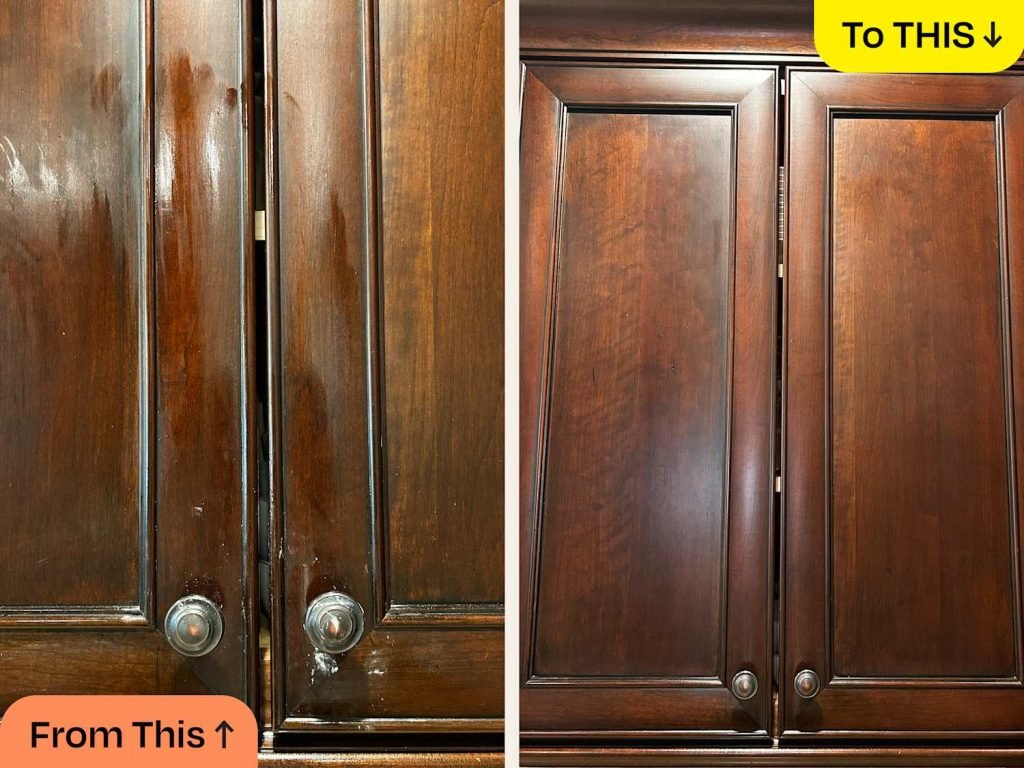
Are your kitchen cabinets feeling sticky and looking dull? Over time, grease and grime can build up on your cabinets, turning your once sparkling kitchen into a less inviting space.
But don’t worry; you’re not alone, and there’s a solution waiting for you. Imagine stepping into your kitchen and being greeted by gleaming cabinets that look as good as new. Sounds wonderful, right? In this guide, you’ll discover simple yet effective methods to tackle that stubborn grease, using items you probably already have in your home.
Get ready to transform your kitchen cabinets and bring back their shine, making your kitchen a place you’ll love to be in again. Keep reading, and let’s bring back the sparkle together!
:max_bytes(150000):strip_icc()/SPR-how-pro-cleaners-clean-a-sink-11781060-6d7babfdf0074ca79564864a6c7325dd.jpg)
Credit: www.thespruce.com
Causes Of Grease Buildup
Grease buildup on kitchen cabinets can be a stubborn issue, leaving surfaces sticky and unsightly. Understanding the root causes can help you tackle this problem effectively. Let’s break down the main culprits that contribute to this greasy mess in your kitchen.
Cooking Oils And Fats
Every time you fry, sauté, or roast, tiny particles of oil and fat escape into the air. These particles eventually settle on nearby surfaces, including your cabinets. Even if you wipe down the stove area regularly, these invisible particles can travel further than you think.
Have you ever noticed how your cabinets near the stove seem greasier than others? It’s because they are in the direct line of fire. Using a splatter screen or cooking with lids can reduce this greasy travel.
Steam And Smoke
Cooking often generates steam and smoke, particularly when boiling or frying. This steam carries grease, which then condenses on cooler surfaces like cabinets. Over time, this builds up into a stubborn film.
Consider how often you use your kitchen exhaust fan. Is it enough to handle your cooking habits? Keeping it on can make a significant difference in reducing steam and smoke accumulation.
Dust And Dirt
While it might not seem obvious, dust and dirt play a role in grease buildup. Dust particles act as a magnet for grease, creating a thicker, more noticeable layer on your cabinets. This mixture is what makes cabinets feel especially grimy.
Regular dusting can be a simple preventive measure. When was the last time you wiped down your cabinet tops? A quick swipe can help in keeping grease at bay.
Understanding these causes can empower you to make small changes that prevent grease buildup. What habits will you change to keep your kitchen cabinets looking their best?

Credit: www.facebook.com
Essential Cleaning Supplies
Essential Cleaning Supplies Grease on kitchen cabinets requires effective cleaning solutions. Vinegar mixed with warm water breaks down stubborn grease. Use a soft cloth to wipe the surface gently. Baking soda paste can tackle tougher spots. Regular cleaning prevents buildup and maintains a fresh kitchen look.
Cleaning greasy kitchen cabinets requires the right supplies. With the correct tools and products, you can tackle stubborn grease effectively. Below, we explore different types of essential cleaning supplies. Each category offers unique benefits for restoring your cabinets to their original luster.Natural Cleaners
Natural cleaners are gentle on surfaces and the environment. Vinegar is a popular choice. Its acidity helps break down grease. Mix it with water for a simple solution. Baking soda is another effective option. It acts as a mild abrasive to scrub away grime. Lemon juice can also be used. It not only cleans but leaves a fresh scent.Commercial Products
Commercial products are designed for tough grease. Degreasers are powerful solutions. They cut through grease quickly. Choose one that’s safe for wood surfaces. Multi-purpose cleaners offer flexibility. They clean grease and sanitize. Read labels carefully to ensure compatibility with your cabinets.Tools And Equipment
Using the right tools makes cleaning easier. Microfiber cloths are ideal for wiping surfaces. They absorb grease without scratching. Scrub brushes help with stubborn spots. Choose one with soft bristles. A spray bottle lets you apply cleaners evenly. Gloves protect your hands from harsh chemicals. Keep all your tools handy for efficient cleaning. These supplies ensure effective cabinet cleaning. Natural cleaners are safe and eco-friendly. Commercial products tackle heavy grease. The right tools make the job easier. Equip yourself with these essentials for a clean kitchen.Preparation Steps
Gather cleaning supplies like vinegar, baking soda, and a cloth. Remove items from cabinets. Mix vinegar and water.
Cleaning greasy kitchen cabinets can seem daunting, but with the right preparation, it becomes a manageable task. Setting the stage for a successful cleaning session involves a few simple steps that can make a world of difference. Before you dive into scrubbing, ensure you have a plan in place. Here’s how you can prepare effectively:Emptying Cabinets
Start by removing all items from your cabinets. This not only prevents damage to your belongings but also gives you a clear workspace. As you empty the cabinets, take a moment to assess which items are essential and which might be cluttering your space. Consider this a mini decluttering session—it’s amazing how freeing it feels to let go of unnecessary items. Plus, you’ll have less to put back once the cabinets are clean!Protecting Surfaces
Before you begin cleaning, protect your countertops and floors. Lay down old towels or drop cloths to catch any drips or spills from your cleaning solution. This prevents damage to your surfaces and makes cleanup easier. Think about using mats or newspaper as temporary coverings. It’s a small effort that saves you from a bigger mess later on.Ventilation Tips
Grease can have a strong odor, especially when mixed with cleaning products. Ensure your kitchen is well-ventilated by opening windows or turning on an exhaust fan. Good airflow not only helps disperse any smells but also speeds up the drying process. Ever noticed how fresh air can invigorate you? Let it do the same for your kitchen. Preparing your kitchen properly sets the tone for effective cleaning. Are there other preparation steps you always follow? Let us know your tips for a stress-free cleaning experience!Cleaning Techniques
Greasy kitchen cabinets can be cleaned with a mixture of vinegar and water. Spray the solution on the cabinets, then wipe with a cloth. For stubborn grease, add baking soda to the mix for extra scrubbing power.
Cleaning your kitchen cabinets doesn’t have to be a daunting task. Greasy build-up is common, especially if you love to cook. The good news is that there are several effective techniques to tackle this problem. Let’s dive into three tried-and-true methods to restore your cabinets to their sparkling best.Simple Soap And Water
Begin with a gentle approach using soap and water. – Mix a mild dish soap with warm water in a bowl. A few drops are enough to create a sudsy solution. – Dip a soft cloth or sponge into the mixture, wring it out, and gently wipe down the cabinet surfaces. This helps break down grease without causing damage. – Rinse with clean water to remove any soap residue. Finally, dry with a clean towel to prevent water spots. Regular maintenance using this method can prevent the build-up of thick grease layers. It’s surprising how effective simple soap can be!Vinegar And Baking Soda
Turn to your pantry for a powerful cleaning duo: vinegar and baking soda. – Create a paste by mixing baking soda with a small amount of water. Apply this to areas with stubborn grease. – Spray vinegar over the baking soda paste. Watch it fizz and break down the grease. – Wipe clean with a damp cloth after letting it sit for a few minutes. Your cabinets will look refreshed and deodorized. This method is especially useful for those who prefer natural cleaners. Have you tried this eco-friendly approach yet?Degreaser Solutions
For tougher jobs, a degreaser may be your best bet. – Choose a commercial degreaser suitable for kitchen use. Always read the label to ensure it’s safe for your cabinet material. – Spray or apply the solution directly onto the greasy areas. Allow it to sit for the recommended time to penetrate the grime. – Wipe away with a microfiber cloth, removing grease and residue. Finish by rinsing with water to ensure no chemicals are left behind. Degreasers are highly effective but should be used sparingly to avoid damaging cabinet finishes. Have you noticed a particular brand that works wonders for you? Each of these techniques offers a practical solution to a common problem. Choose the one that best fits your cleaning style and cabinet material. You might even find that a combination works best for you. Try them out and see the difference in your kitchen!Tackling Stubborn Stains
Stubborn stains on kitchen cabinets can be frustrating. Grease and grime build up over time, becoming tough to remove. With the right approach, you can restore your cabinets to their original shine. Let’s explore effective methods to tackle those stubborn stains.
Specialized Products
Some products are designed specifically for kitchen grease. These cleaners break down tough stains effortlessly. Look for products labeled as degreasers. Apply the cleaner to a soft cloth. Rub the stained area gently. Allow it to sit for a few minutes before wiping it off. For eco-friendly options, consider natural degreasers. They often use citrus-based ingredients. These are effective and safe for both you and the environment.
Scrubbing Methods
Sometimes, a little elbow grease is necessary. Use a soft-bristled brush or sponge for scrubbing. Avoid abrasive materials that may scratch the surface. Dampen the brush with warm, soapy water. Scrub the stain in a circular motion. This helps lift the grease without damaging the cabinet. Rinse the area with clean water. Dry it thoroughly to prevent water damage.
Alternative Approaches
Try baking soda for a natural cleaning alternative. Mix it with water to form a paste. Apply the paste to the stain. Let it sit for a few minutes. Scrub gently with a sponge. Vinegar is another versatile cleaner. Mix equal parts vinegar and water. Spray the solution onto the stain. Wipe with a clean cloth. Repeat if necessary for stubborn spots.
Post-cleaning Maintenance
Regular wiping prevents grease buildup on kitchen cabinets. Use a mild detergent to clean surfaces gently. Dry thoroughly to avoid moisture damage.
Cleaning greasy kitchen cabinets can be a satisfying task, but maintaining their pristine condition requires a bit of planning. You’ve put in the elbow grease to make them shine, so let’s ensure they stay that way. Post-cleaning maintenance is crucial, not only to keep your cabinets looking fresh but also to prolong their lifespan.Regular Cleaning Schedule
Creating a regular cleaning schedule is your best ally in preventing grease buildup. Consider setting aside a few minutes each week for a quick wipe down. This habit can save you from a major cleaning session later. A microfiber cloth and a gentle cleaner can be your go-to tools. What day works best for you to tackle this quick job?Protective Measures
Think about protective measures to keep your cabinets clean longer. Using mats or liners inside can prevent spills and stains. You might also consider applying a cabinet polish or sealant. This adds a layer of protection, making it harder for grease to stick. Have you tried using liners in your cabinets?Organizing Tips
Organizing your kitchen can significantly reduce the chances of spills and messes. Keep similar items together and use baskets or bins to group them. This makes it easier to clean around them and prevents clutter. A well-organized cabinet is less likely to become greasy. Which area of your kitchen could use a bit of reorganization? By implementing these post-cleaning strategies, your kitchen cabinets can remain as spotless as the day you cleaned them.Preventing Future Grease Buildup
Regular maintenance can prevent future grease buildup on kitchen cabinets. Use mild dish soap and warm water to clean surfaces. Wipe cabinets dry to avoid residue.
Preventing future grease buildup in your kitchen is not just about cleaning; it’s about developing habits and making small adjustments that can make a big difference. By integrating a few simple strategies into your daily routine, you can keep your kitchen cabinets looking fresh and clean. Let’s explore some practical tips that can help you maintain a grease-free kitchen environment.Using Grease Traps
Grease traps are a fantastic way to catch grease before it becomes a problem. Installing a small grease trap under your sink can prevent grease from entering your plumbing, which helps reduce buildup on your cabinets. Consider using disposable grease traps that are easy to replace, ensuring your kitchen remains clean with minimal effort.Cooking Adjustments
Small changes in your cooking methods can significantly reduce grease. Using lids while frying or roasting can prevent splatters. Try reducing the amount of oil you use by opting for non-stick cookware or using an air fryer, which requires little to no oil, making it a healthier and cleaner option.Cleaning Habits
Developing consistent cleaning habits can be your best defense against grease. Wipe down cabinets after cooking to prevent grease from settling. Use a simple mixture of vinegar and water for a quick daily clean, ensuring that your cabinets remain spotless and welcoming every day. Which of these tips resonates with you? Implementing just one can transform your kitchen cleaning routine.
Credit: www.facebook.com
Frequently Asked Questions
How Do You Remove Greasy Residue From Kitchen Cabinets?
Clean greasy residue with a mixture of vinegar and water. Apply with a cloth, then wipe dry. Use baking soda paste for stubborn stains. Avoid abrasive cleaners to prevent cabinet damage. Regular cleaning prevents buildup and maintains cabinet appearance.
What Is The Best Degreaser For Kitchen Cabinets?
The best degreaser for kitchen cabinets is a mixture of vinegar and water. It effectively cuts through grease. Use a microfiber cloth for wiping. For tough stains, add baking soda. Ensure proper ventilation while cleaning. This natural solution is safe, affordable, and eco-friendly, keeping your cabinets spotless.
Does Magic Eraser Work On Greasy Cabinets?
Yes, magic erasers effectively clean greasy cabinets. They lift grease and grime with gentle scrubbing. Wet the eraser slightly before use for better results. Always test on a small area first to ensure no damage or discoloration. Magic erasers can simplify cleaning and maintain cabinet appearance.
What Dissolves Built-up Grease?
Vinegar, baking soda, or dish soap effectively dissolve built-up grease. Apply, scrub, and rinse for best results.
Conclusion
Cleaning greasy kitchen cabinets doesn’t have to be difficult. Simple steps can make a big difference. Regular cleaning prevents tough grease build-up. Use gentle cleaners for safe, effective results. Always dry cabinets thoroughly. This keeps them looking fresh. Clean spills immediately to avoid stains.
Consistency in cleaning helps maintain a tidy kitchen. Enjoy cooking in a clean environment. A clean kitchen is a happy kitchen. Keep it simple and practical. Remember, clean cabinets brighten the space. A few minutes of cleaning go a long way.
Happy cleaning!
