
Imagine this: you’re unloading your dishwasher, expecting sparkling clean dishes, only to find them covered with cloudy spots or a chalky residue. Frustrating, right?
This is the telltale sign of hard water buildup, a common nuisance that can affect your dishwasher’s performance and your peace of mind. But don’t worry, you’re not alone, and you’re definitely not stuck with this problem forever. In this guide, you’ll discover simple, effective ways to banish hard water buildup from your dishwasher for good.
You’ll learn easy techniques that not only restore your dishwasher to its prime but also extend its lifespan. Say goodbye to those pesky mineral deposits and hello to dishes that shine like new. Keep reading, because a cleaner, more efficient dishwasher is just steps away.
Identifying Hard Water Buildup
Hard water buildup in dishwashers appears as white or cloudy stains. These stains make dishes look dull and can clog spray arms. To clean, use vinegar or a specialized dishwasher cleaner to dissolve the mineral deposits effectively. Regular maintenance helps keep your dishwasher running smoothly and your dishes sparkling clean.
Hard water buildup in your dishwasher can be a stealthy nuisance. It often goes unnoticed until it’s too late, leaving your dishes cloudy and your machine inefficient. Identifying this buildup early can save you time, money, and a lot of frustration. But how do you know when hard water is the culprit behind your dishwasher woes?What Does Hard Water Buildup Look Like?
Hard water deposits typically appear as white, chalky residue. You might notice these spots on the interior walls of your dishwasher or on your glassware. This residue can also form around the door seal and spray arms, causing them to malfunction.Common Signs Of Hard Water Buildup
If your dishes come out with spots or a filmy layer, hard water might be the reason. Another telltale sign is a reduction in the dishwasher’s cleaning performance. Is your dishwasher suddenly noisier? Mineral deposits can clog the spray arms, leading to unusual sounds.Testing For Hard Water
Wondering if your water is hard? You can perform a simple test at home. Fill a clear bottle with water from your tap, add a few drops of liquid soap, and shake it. If there’s little to no suds and the water appears cloudy, you likely have hard water.Personal Experience: The Surprise Discovery
I once ignored the gradual decline in my dishwasher’s performance, attributing it to old age. It wasn’t until a friend pointed out the chalky residue that I realized hard water was the issue. This discovery led me to investigate further and take action, saving me from buying a new dishwasher prematurely.Why Identify Early?
Catching hard water buildup early prevents more severe damage. It helps maintain your dishwasher’s efficiency and extends its lifespan. Plus, who doesn’t want sparkling clean dishes every time? Have you checked your dishwasher for signs of hard water lately? Identifying and tackling the issue promptly can save you from a mountain of hassle later.
Credit: www.mom4real.com
Why Hard Water Affects Dishwashers
Hard water can be a silent enemy of dishwashers. This type of water contains high levels of calcium and magnesium. These minerals leave stubborn deposits behind. Over time, these deposits can cause problems for your dishwasher. Understanding why this happens is the first step to solving the issue.
Why Does Hard Water Affect Dishwashers?
Hard water minerals react with detergent. This reaction forms soap scum. Soap scum clings to the dishwasher’s parts. This can reduce the machine’s efficiency. Dishes may not come out clean. The dishwasher may also use more energy. This is because it works harder to clean.
Impact On Dishwasher Components
Mineral deposits build up inside the dishwasher. They can clog the spray arms. This prevents water from reaching all dishes. The heating element is also at risk. It can become covered with limescale. This reduces its ability to heat water effectively. It can lead to longer wash cycles.
Signs Of Hard Water Buildup
Look for white spots on dishes. These spots are mineral deposits. Glassware may become cloudy. This is another sign. Your dishwasher might leave a film on items. If this happens, hard water is likely the cause. It’s essential to address these signs early.
Necessary Cleaning Supplies
Cleaning hard water buildup from your dishwasher requires the right supplies. Using the correct tools ensures efficiency and safety. Many common household items can help tackle this task. Below is a detailed list of necessary cleaning supplies.
1. White Vinegar
White vinegar is excellent for dissolving mineral deposits. It’s non-toxic and effective. Use it to remove hard water stains and odors.
2. Baking Soda
Baking soda acts as a gentle abrasive. It helps scrub stubborn residue. It also neutralizes odors, leaving your dishwasher fresh.
3. Soft Cloth Or Sponge
A soft cloth or sponge is vital for cleaning. It prevents scratches on your dishwasher’s interior. Choose a non-abrasive one for delicate surfaces.
4. Old Toothbrush
An old toothbrush helps reach small, tricky spots. Use it to scrub corners and crevices. It’s perfect for cleaning around seals and hinges.
5. Dish Soap
Dish soap breaks down grease and grime. It’s safe for most dishwasher parts. Ensure it’s mild and non-toxic.
6. Toothpick Or Needle
A toothpick or needle clears clogged spray holes. Gently use it to remove debris. Ensure not to damage the spray arms.
7. Rubber Gloves
Rubber gloves protect your hands during cleaning. They keep your skin safe from harsh substances. Always wear them for prolonged cleaning sessions.
Having these supplies ready makes the cleaning process easier. Gather them before starting to ensure a smooth workflow.
Credit: www.reddit.com
Preparing The Dishwasher
Hard water can be a silent adversary, leaving your dishwasher with unsightly buildup over time. Before you jump into cleaning, it’s crucial to prepare your dishwasher. This step ensures that the cleaning process is efficient and effective, leaving your appliance sparkling like new. Let’s dive into the preparation process with some practical tips and tricks.
Empty The Dishwasher
Begin by clearing your dishwasher of all dishes and utensils. This allows you to access every nook and cranny without any obstruction. You might be surprised at how much easier it is to clean an empty dishwasher. If you’ve ever tried to scrub around a stack of plates, you know what I mean!
Remove The Racks
Take out the top and bottom racks. This gives you a clear view of the interior and makes the cleaning process less cumbersome. You might find some hidden residue underneath that needs attention. Have you ever wondered what’s lurking beneath those racks?
Inspect The Sprayer Arms
Check the sprayer arms for any blockages. You can use a toothpick or a small brush to clear any debris. This ensures that water sprays evenly during a wash cycle. Think of it as giving your dishwasher a chance to perform at its best.
Check The Filter
Locate the dishwasher filter, usually at the bottom. Remove any gunk or food particles trapped here. A clean filter means your dishwasher can drain properly. Have you noticed water pooling at the bottom after a cycle? Cleaning the filter might be the answer.
Ensure Proper Drainage
Examine the drain area for clogs. Clearing these obstructions can prevent water from backing up. Use a damp cloth or a brush to remove any visible debris. Imagine the relief of knowing your dishwasher won’t overflow during the next wash.
Gather Cleaning Supplies
Prepare your cleaning supplies such as vinegar, baking soda, and a soft cloth. These items are gentle yet effective at tackling hard water stains. You’re not just cleaning—you’re protecting your dishwasher from future buildup. What combination do you prefer for cleaning?
With your dishwasher properly prepared, you’re ready to tackle hard water buildup effectively. This preparation is key to achieving a deep clean that will extend the life and efficiency of your appliance. Ready to see what a little prep work can do? Let’s get cleaning!
Using Vinegar For Cleaning
Hard water buildup in dishwashers can lead to unsightly spots on dishes. It may reduce the efficiency of your appliance too. One effective method to tackle this issue is using vinegar. Vinegar is a natural, affordable solution. It dissolves mineral deposits and cleans your dishwasher without harsh chemicals. Follow these steps to ensure your dishwasher stays in pristine condition.
Why Vinegar Works
Vinegar contains acetic acid. This acid breaks down mineral deposits. It gently removes limescale and hard water stains. Its natural composition makes it safe for regular use.
Preparation Steps
Empty your dishwasher before cleaning. Remove any dishes or utensils. Ensure the dishwasher is free of any debris or food particles. These steps help vinegar work effectively.
How To Apply Vinegar
Fill a cup with white vinegar. Place it upright on the top rack. Run the dishwasher on a hot cycle. The vinegar will circulate, targeting buildup.
Post-cleaning Tips
After the cycle, inspect the dishwasher. Ensure all buildup is removed. If needed, repeat the process. Regular cleaning prevents future accumulation. Using vinegar once a month keeps your appliance in top shape.
Benefits Of Using Vinegar
Vinegar is eco-friendly. It doesn’t harm the environment. It is cost-effective, saving you money. Many commercial cleaners are harsh and expensive. Vinegar offers a gentle alternative.
Precautions
Do not mix vinegar with bleach. This combination creates harmful gases. Always use vinegar alone for safety. Avoid using vinegar on natural stone surfaces. It can damage them.

Credit: www.reddit.com
Baking Soda Treatment
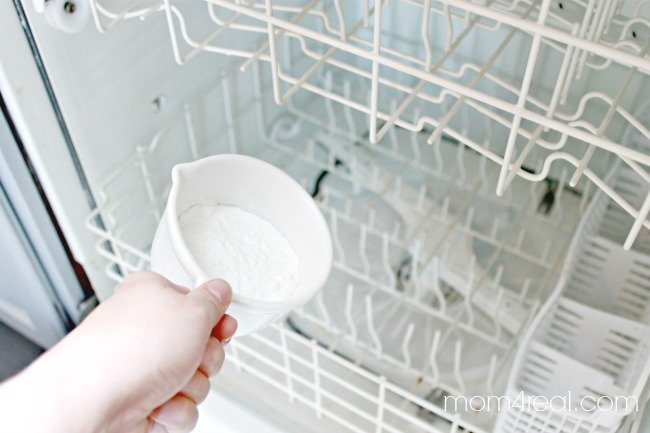
Cleaning hard water buildup from your dishwasher is simple with baking soda. Sprinkle baking soda in the bottom of the dishwasher. Run a short cycle with hot water to dissolve buildup and freshen your appliance.
Cleaning hard water buildup from your dishwasher can be a daunting task. But what if I told you there’s a simple solution sitting right in your pantry? Baking soda is a powerful yet gentle cleaning agent that can help tackle those stubborn mineral deposits. Not only is it effective, but it also avoids the use of harsh chemicals, ensuring your dishwasher remains safe for your dishes and the environment.Why Baking Soda Works
Baking soda is a natural abrasive. It can scrub away deposits without scratching surfaces. It also neutralizes odors, leaving your dishwasher smelling fresh.Preparation Steps
Before starting, ensure your dishwasher is empty. Remove the bottom rack to access the interior more easily. This will give you a clear path to the areas that need attention.Applying The Baking Soda
Sprinkle about one cup of baking soda across the bottom of the dishwasher. Make sure it covers the entire surface evenly. This ensures that every part of the interior benefits from the cleaning properties.Running The Cleaning Cycle
Set your dishwasher to a hot water cycle. The heat helps dissolve the baking soda and activate its cleaning power. Let it run its full course for optimal results.Inspect The Results
Once the cycle is complete, open the dishwasher and inspect the interior. You should notice a significant reduction in buildup. If some spots remain, consider a second treatment or manual scrubbing with a soft cloth.Frequency Of Use
How often should you use baking soda for this purpose? Monthly treatments can keep mineral deposits at bay. Regular maintenance prevents heavy buildup and extends the life of your dishwasher.Share Your Experience
Have you tried baking soda to clean your dishwasher before? How did it work for you? Share your experience and tips in the comments to help others facing the same issue.Commercial Cleaners
Remove hard water buildup from your dishwasher by using vinegar and baking soda. Run a cycle with a cup of vinegar. Then, sprinkle baking soda at the bottom and run another cycle. This simple method cleans effectively, leaving your dishwasher fresh and spotless.
Cleaning hard water buildup from your dishwasher can be a daunting task. However, commercial cleaners simplify this process, offering effective solutions to restore your dishwasher’s efficiency. These specially formulated products target mineral deposits, ensuring that your dishwasher operates at its best.Why Choose Commercial Cleaners?
Commercial cleaners are designed to tackle specific issues, like hard water buildup. They contain powerful ingredients that dissolve mineral deposits without damaging your dishwasher. This means you can trust them to perform efficiently and protect your appliance.Popular Commercial Cleaners For Hard Water Buildup
Some well-known brands include Lemi Shine, Affresh, and Finish. These cleaners are widely available and easy to use. For instance, Lemi Shine uses citric acid to break down hard water deposits, while Affresh tablets are known for their simplicity—just pop one in and start a wash cycle.How To Use Commercial Cleaners Effectively
Read the instructions carefully before using any cleaner. Most require you to run an empty dishwasher cycle with the cleaner inside. This ensures that the solution targets the buildup directly.Personal Experience: A Game-changer
I once struggled with cloudy dishes due to hard water buildup. After trying a commercial cleaner, I noticed a significant improvement. My dishes sparkled, and my dishwasher no longer smelled musty.Safety Precautions
Always wear gloves when handling commercial cleaners. They can be harsh on skin due to their chemical composition. Make sure your kitchen is well-ventilated during use to avoid inhaling any fumes.Are Commercial Cleaners Worth The Investment?
If you value convenience and effectiveness, they are definitely worth it. The time saved and the enhanced performance of your dishwasher can justify the cost. Have you tried any commercial cleaners for hard water buildup in your dishwasher? If not, it might be time to give one a try.Maintenance Tips
Maintaining your dishwasher is essential for its longevity and efficiency. Hard water buildup can affect its performance. Regular upkeep can prevent these issues and keep your appliance running smoothly. These maintenance tips will help you address hard water buildup effectively.
Regular Cleaning
Clean your dishwasher monthly to prevent buildup. Use vinegar or citric acid. These natural cleaners break down mineral deposits. Run an empty cycle with these ingredients. It’s simple and effective.
Check Filters
Inspect filters regularly for debris. Remove and rinse them under water. This prevents clogs and ensures proper drainage. Clean filters help your dishwasher function efficiently.
Use Water Softener
Consider using a water softener if you have hard water. It reduces mineral deposits in your dishwasher. Soft water is gentle on appliances. It helps maintain their performance.
Inspect Spray Arms
Check spray arms for blockages. Remove them and rinse under running water. Ensure water flows freely through the holes. This ensures dishes are cleaned thoroughly.
Monitor Detergent Usage
Use the right amount of detergent. Excess detergent can leave residue. This contributes to buildup. Follow manufacturer guidelines for detergent amounts.
Frequently Asked Questions
How Do I Get Rid Of Hard Water Build Up In My Dishwasher?
Clean your dishwasher regularly using white vinegar. Run an empty cycle with a cup of vinegar. Use baking soda for extra cleaning. Scrub affected areas with a mixture of vinegar and baking soda. Install a water softener to prevent future buildup.
Regular maintenance helps keep your dishwasher efficient.
How To Remove Thick Limescale From A Dishwasher?
Use vinegar to remove limescale from your dishwasher. Pour one cup into the bottom, then run a hot cycle. For stubborn buildup, sprinkle baking soda inside before starting the cycle. Regular maintenance helps prevent future limescale. Ensure to check manufacturer guidelines for safety precautions.
What Is The Best Way To Decalcify A Dishwasher?
Use a mixture of equal parts white vinegar and water. Run an empty cycle with this solution. It effectively removes mineral buildup. Regular maintenance prevents future calcification.
Will Baking Soda And Vinegar Unclog My Dishwasher?
Baking soda and vinegar can help unclog a dishwasher by breaking down minor blockages. Pour baking soda into the drain, followed by vinegar. Let the mixture fizz for a few minutes, then rinse with hot water. This method is eco-friendly and effective for minor clogs.
Conclusion
Cleaning hard water buildup restores your dishwasher’s efficiency. Regular maintenance prevents future problems. Vinegar and baking soda are great solutions. They’re simple and effective. Use them often for best results. Check your dishwasher monthly. This keeps it running smoothly. Hard water buildup can damage parts.
So, act quickly when you notice signs. Clean filters and spray arms too. These steps save time and money. A clean dishwasher means clean dishes. Enjoy hassle-free washing every day. Follow these tips for a better kitchen experience. Happy cleaning!

Hi, I’m Daniel Harper, a senior editor here at KitchenBucks.com. For over 10 years, I’ve been exploring kitchen gadgets and appliances to help people find tools that truly add value without breaking the bank. I love simplifying product choices so you can focus more on cooking and less on worrying about what to buy. When I’m not reviewing the latest gadgets, you’ll usually find me experimenting with coffee brewing or firing up the grill for a weekend barbecue.