
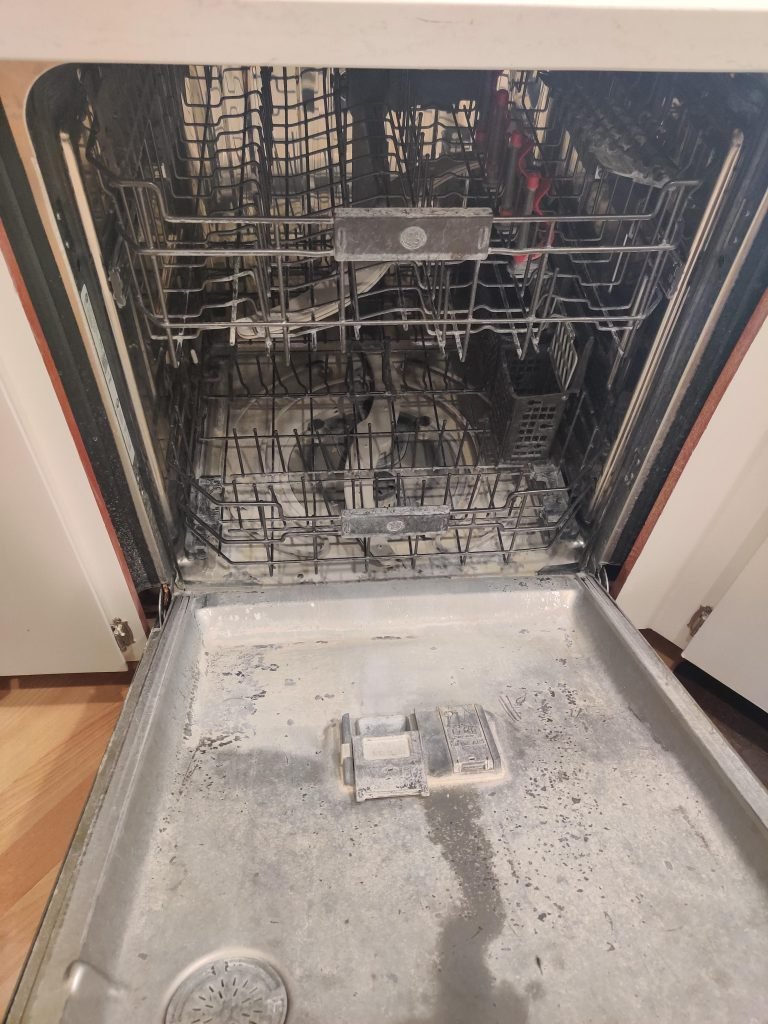
Is your dishwasher leaving your dishes looking less than sparkling? Hard water buildup might be the culprit.
Those stubborn mineral deposits not only dull your dishes but can also decrease the efficiency of your appliance. But don’t worry—restoring your dishwasher to its gleaming best is easier than you might think. Imagine the satisfaction of opening the dishwasher to find your plates and glasses shimmering like new.
In this guide, you’ll discover simple, effective methods to tackle hard water buildup head-on. Ready to transform your dishwasher and elevate your dishwashing game? Let’s dive in and get your kitchenware dazzling again.
Identifying Hard Water Buildup
Identifying hard water buildup is crucial for maintaining your dishwasher. Hard water contains minerals like calcium and magnesium. These minerals can leave deposits inside your dishwasher. Over time, these deposits can cause problems. Recognizing signs early can save you from costly repairs.
Signs Of Hard Water In Dishwashers
Look for white spots on your dishes and glasses. These spots are common signs of hard water. Cloudy dishes after a wash can also indicate a problem. If your dishwasher has a film on the interior, it could be hard water. Check for these signs regularly.
Effects On Dishwasher Performance
Hard water buildup can affect your dishwasher’s performance. It can clog spray arms, reducing water flow. This can lead to poorly cleaned dishes. The buildup can also damage heating elements. This affects the drying cycle, leaving dishes wet. Regular cleaning can prevent these issues.

Credit: www.mom4real.com
Tools And Materials Needed
Cleaning hard water buildup in your dishwasher is crucial for its efficiency. Gathering the right tools and materials is the first step. This ensures a thorough and effective cleaning process. Using the right supplies makes the task easier and more effective.
Essential Cleaning Supplies
Start by gathering basic cleaning tools. A soft sponge is necessary for gentle scrubbing. Use a toothbrush to reach tight corners. A microfiber cloth is perfect for wiping surfaces. Keep a small bucket nearby for rinsing and soaking.
Natural And Commercial Cleaners
Both natural and commercial cleaners can remove hard water stains. Vinegar is a popular natural option. Its acidity helps dissolve mineral deposits. Baking soda is another effective natural cleaner. It scrubs away buildup without scratching surfaces.
Consider commercial cleaners for stubborn stains. Many are designed specifically for dishwashers. Read labels to ensure they are safe for your appliance. Choose a cleaner that targets mineral deposits. Follow instructions carefully for the best results.
Step-by-step Cleaning Process
Eliminate hard water buildup in your dishwasher with a simple cleaning process. Begin by emptying the dishwasher. Use vinegar and baking soda to break down deposits. Run a hot water cycle for effective results. Keep your appliance sparkling and efficient.
Cleaning hard water buildup in your dishwasher might seem like a daunting task, but breaking it down into simple steps can make it much more manageable. After all, nobody wants spotty dishes or a malfunctioning machine. By following a structured cleaning process, you can ensure your dishwasher runs smoothly and efficiently. Let’s dive into a step-by-step guide that will help you tackle that stubborn buildup.Preparing The Dishwasher
Begin by emptying your dishwasher completely. Remove all dishes, utensils, and racks to get a clear view of the interior. It’s much easier to clean when you have full access to all the components. Next, unplug the dishwasher from the power source. Safety first! You don’t want any accidents while you’re cleaning. Finally, gather your cleaning supplies. You’ll need white vinegar, baking soda, a soft brush, and a microfiber cloth. Having everything ready will make the process smoother.Cleaning Dishwasher Components
Focus on the spray arms first. Detach them carefully, and use a toothpick or a small brush to clear out any clogs in the holes. This ensures water sprays effectively during a wash cycle. Move on to the filter. Take it out and rinse it under warm water, using a soft brush to remove any debris. A clean filter is crucial for preventing dirt from redepositing on your dishes. Don’t forget the dishwasher door. Wipe down the edges and seals with a damp cloth. This area often gets overlooked but can harbor mold or mildew if not cleaned.Final Rinse And Inspection
Pour a cup of white vinegar into a dishwasher-safe bowl and place it on the top rack. Run a hot water cycle. The vinegar will help break down any remaining mineral deposits. Once the cycle is complete, sprinkle a cup of baking soda across the bottom of the dishwasher. Run a short cycle this time. Baking soda will help deodorize and remove any lingering grime. After the cycle finishes, open the dishwasher and inspect the interior. Check for any spots you might have missed. A quick final wipe can do wonders. Have you noticed how much fresher your dishwasher smells? Regular maintenance can prevent buildup from becoming a persistent issue. What other household appliances could benefit from a similar routine?Preventing Future Buildup
Tackling hard water buildup in dishwashers ensures smooth operation and longevity. Regular cleaning with vinegar or baking soda helps dissolve mineral deposits. Keep your appliance running efficiently by maintaining cleanliness and preventing future buildup.
Preventing future hard water buildup in your dishwasher ensures its longevity. Regular maintenance and proper care can save you time and money. Let’s explore some effective ways to prevent future buildup.Regular Maintenance Tips
Keep your dishwasher clean and efficient with regular maintenance. Wipe down the interior surfaces monthly. Remove any food particles that may have accumulated. Check and clean the dishwasher filter every week. A clean filter ensures proper water flow. Inspect and clean the spray arms regularly. This keeps them free from blockages and ensures optimal performance.Using Water Softening Solutions
Consider using water softening solutions to prevent buildup. These solutions reduce mineral deposits in the water. Use dishwasher salts if your model supports it. Dishwasher salts soften the water and prevent limescale. Add a rinse aid to your dishwasher’s rinse cycle. This helps in removing mineral residues from dishes. Install a whole-house water softener if hard water is a constant issue. This can significantly reduce mineral content in your water supply.Expert Tips And Tricks
Discover effective methods to tackle hard water buildup in your dishwasher. Use vinegar and baking soda for a sparkling clean. Regular maintenance ensures optimal performance and extends your dishwasher’s life.
Cleaning hard water buildup in your dishwasher can be a daunting task, but with the right tips and tricks, it becomes much more manageable. Hard water can cause mineral deposits that affect your dishwasher’s efficiency and lifespan. By applying expert advice, you can tackle this issue effectively and keep your appliance running smoothly. Let’s dive into some practical solutions and common pitfalls you should avoid.Innovative Cleaning Solutions
Tackling hard water buildup doesn’t always mean sticking to traditional methods. Why not try using white vinegar or lemon juice? They’re natural acids and can break down mineral deposits effectively. If you’re looking for something more commercial, consider using dishwasher cleaning tablets designed to combat hard water stains. They’re easy to use and can be added directly to your dishwasher. Some folks swear by using baking soda along with vinegar. It’s a powerful combination that can leave your dishwasher sparkling. Have you tried these solutions yet?Mistakes To Avoid
Avoid using bleach to clean hard water buildup. Bleach can damage the dishwasher’s interior and worsen the problem. Stick to safer alternatives like vinegar and lemon juice. Don’t overlook the importance of cleaning the filters and spray arms. These parts often accumulate mineral deposits. Regular maintenance can prevent buildup and keep your dishwasher working efficiently. Be cautious with DIY cleaning hacks that seem too good to be true. Always ensure that the methods you choose are safe for your appliance. Have you ever fallen for a cleaning trick that backfired?
Credit: www.reddit.com
Alternative Methods
Discover simple ways to tackle hard water buildup in dishwashers. Try using white vinegar for a natural cleanse. Baking soda can also help remove stubborn deposits effectively.
Cleaning hard water buildup in your dishwasher is crucial for maintaining its efficiency and longevity. While traditional cleaning methods might work, exploring alternative methods can offer surprising results. Whether you’re a DIY enthusiast or prefer professional help, there are several ways to tackle this common household issue.Diy Solutions
Tired of buying expensive cleaning agents? Try a homemade solution using items you already have. Vinegar and baking soda are your best friends here. Start by running an empty cycle with a cup of vinegar placed on the top rack. This helps dissolve mineral deposits. After that, sprinkle a cup of baking soda across the bottom and run another short, hot cycle. Have you tried lemon juice? Its acidity can break down mineral deposits effectively. Simply fill a cup with lemon juice and place it in the bottom of the dishwasher, then run a hot water cycle. The fresh scent is a bonus!Professional Cleaning Services
Consider hiring professional cleaning services if DIY solutions don’t seem effective or you’re pressed for time. Professionals use specialized equipment and cleaning agents that can remove stubborn mineral deposits. They also inspect your dishwasher for potential issues that might contribute to hard water buildup. This ensures your dishwasher is not only clean but also in excellent working condition. Wouldn’t it be comforting to know your appliance is in expert hands? Wondering if this option suits you? If you find yourself frequently dealing with hard water issues, investing in professional services might save you money and hassle in the long run. Ultimately, the choice between DIY and professional cleaning comes down to your personal preferences and needs. Which method will you try next to keep your dishwasher in top shape?
Credit: www.mom4real.com
Frequently Asked Questions
What Is The Best Way To Decalcify A Dishwasher?
Use white vinegar to decalcify your dishwasher. Pour two cups into the bottom and run a hot cycle. Repeat monthly for maintenance and optimal performance.
How To Get Rid Of Limescale Build Up In Dishwasher?
Use white vinegar to dissolve limescale. Add a cup to the bottom of an empty dishwasher. Run a hot water cycle for effective cleaning. Repeat monthly for maintenance. Ensure regular cleaning of filters and spray arms to prevent buildup.
What Is The Best Dishwasher Cleaner For Hard Water Build Up?
Finish hard water build-up using Affresh Dishwasher Cleaner. It dissolves mineral deposits and eliminates odors effectively. This cleaner is recommended for monthly use to maintain dishwasher efficiency and cleanliness. Its powerful formula ensures your dishwasher stays in optimal condition, tackling hard water stains effortlessly.
How Do I Get Calcium Buildup Off My Dishwasher Heating Element?
Mix equal parts of water and vinegar. Apply to the heating element using a cloth or sponge. Scrub gently to remove calcium buildup. Rinse thoroughly with water. Ensure the dishwasher is unplugged before cleaning. Regular maintenance can prevent future buildup.
Conclusion
Cleaning hard water buildup in your dishwasher is simple. Regular maintenance prevents damage and improves performance. Start by using vinegar or baking soda. These natural cleaners dissolve buildup effectively. Don’t forget to scrub with a soft brush. This helps reach tricky spots.
Run an empty cycle with vinegar monthly. This keeps your dishwasher fresh and clean. Always check your water hardness levels. Adjust your cleaning routine as needed. Keep your appliance running smoothly. A clean dishwasher means spotless dishes every time. Follow these steps for a hassle-free experience.
Enjoy sparkling results without extra effort.
