
Is your dishwasher not performing like it used to? Are your glasses coming out cloudy instead of sparkling?
You’re not alone. Hard water deposits can build up over time, leaving a stubborn film on your dishes and even affecting your dishwasher’s efficiency. But don’t worry; you’ve stumbled upon the right guide. Imagine opening your dishwasher to find everything gleaming and spotless.
Sounds like a dream, right? By learning how to effectively clean hard water deposits from your dishwasher, you’ll not only enhance its performance but also extend its lifespan. Dive into this simple yet powerful guide to reclaim your dishwasher’s shine and ensure your dishes come out perfect every time. Ready to make the change? Let’s get started!

Credit: www.reddit.com
Signs Of Hard Water Deposits
Hard water deposits can silently accumulate in your dishwasher, affecting its performance. Recognizing the signs of these deposits is crucial for maintaining your appliance’s efficiency. These mineral buildups can cause several issues that are easily identifiable.
White Chalky Residue
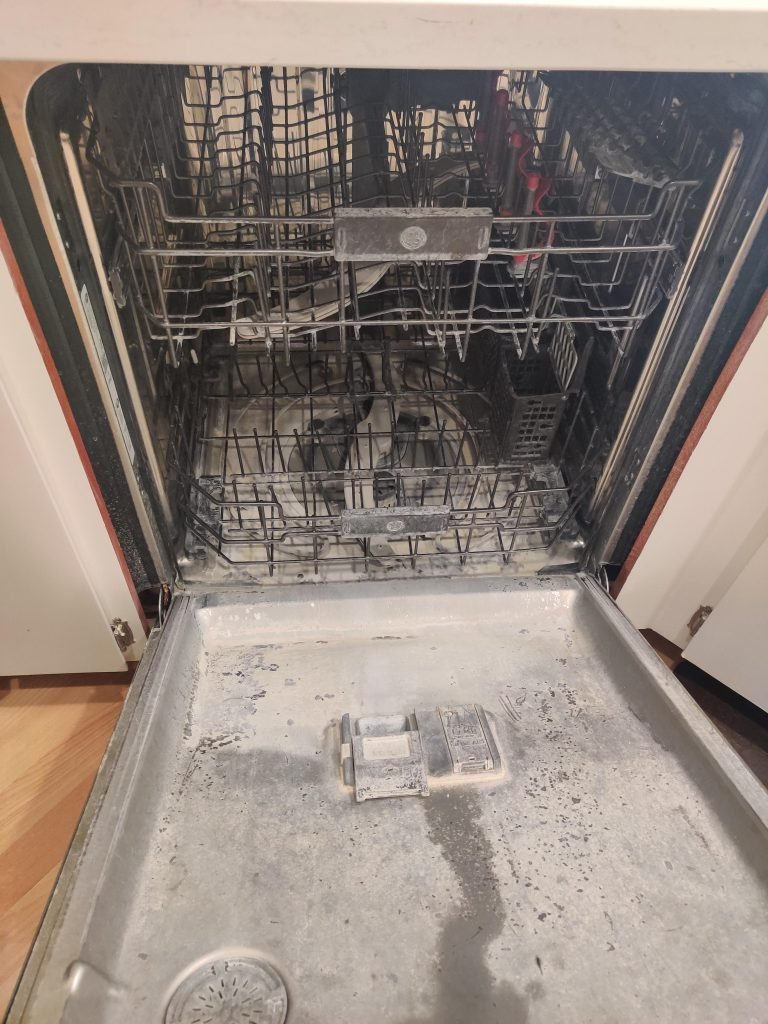
One of the most common signs is a white, chalky residue. This residue often appears on dishes and the interior of the dishwasher. It indicates the presence of minerals like calcium and magnesium left behind after water evaporates.
Cloudy Or Spotty Dishes
Cloudy or spotty dishes are another sign of hard water deposits. This occurs when mineral deposits prevent a thorough rinse, leaving unsightly spots on glassware and plates.
Reduced Cleaning Efficiency
Hard water deposits can reduce the cleaning efficiency of your dishwasher. They can clog spray arms and affect water circulation, leading to dishes that remain dirty or greasy after a wash cycle.
Scale Build-up On Dishwasher Parts
Scale build-up on dishwasher parts is a clear indicator of hard water deposits. You might notice a crusty layer on internal components like the heating element, affecting the appliance’s functionality.
Unpleasant Odors
Unpleasant odors can emerge from dishwashers plagued by hard water deposits. The mineral build-up provides a breeding ground for bacteria, causing foul smells.
Longer Wash Cycles
If your dishwasher takes longer to complete cycles, hard water deposits might be the culprit. Deposits can hinder water flow and heating efficiency, extending cycle times.
Credit: www.reddit.com
Effects On Dishwasher Performance
Hard water deposits can seriously affect dishwasher performance. They lead to cloudy dishes, stains, and even reduce the lifespan of the appliance. Understanding these effects is crucial for maintaining efficiency.
How Hard Water Deposits Form
Hard water contains minerals like calcium and magnesium. These minerals settle inside the dishwasher, forming deposits. Over time, these deposits build up, affecting performance.
Impact On Cleaning Efficiency
These deposits can clog the spray arms. When spray arms are clogged, water can’t reach dishes properly. This leads to poorly cleaned dishes, making you redo the wash.
Consequences For Dishwasher’s Lifespan
Mineral buildup can damage internal parts. Parts like the heating element and pump suffer from deposits. This damage can shorten the dishwasher’s lifespan significantly.
Energy Consumption Concerns
Hard water deposits make the dishwasher work harder. The machine uses more energy to clean dishes thoroughly. Increased energy use results in higher electricity bills.
Noise And Operational Issues
Deposits can cause unusual noises during operation. These noises indicate parts struggling to function correctly. Regular cleaning can help restore smooth performance.
Essential Cleaning Tools
Tackle hard water stains in your dishwasher with simple cleaning tools. Vinegar and baking soda make a powerful duo for removing deposits. Regular maintenance keeps your appliance sparkling clean and efficient.
Cleaning hard water deposits from your dishwasher can seem daunting, but with the right tools, it becomes a manageable task. Imagine opening your dishwasher to find sparkling clean dishes every time. This is possible when you have the essential cleaning tools at your disposal. Let’s delve into these tools and how they can make a significant difference in maintaining your dishwasher’s efficiency.Vinegar: The Natural Cleaner
Vinegar is a powerful natural cleaner that can help dissolve mineral deposits. It’s likely sitting in your kitchen right now, waiting to be put to use. Simply place a cup of vinegar on the top rack and run a hot water cycle to see its magic in action.Baking Soda: The Gentle Abrasive
Baking soda is another household staple that excels in cleaning. It acts as a mild abrasive, gently scrubbing away stubborn residues. Try sprinkling some on the bottom of the dishwasher and running a short cycle for a refreshed interior.Dishwasher Cleaner Tablets: The Specialist
While homemade solutions are great, sometimes you need the expertise of a product designed specifically for the task. Dishwasher cleaner tablets are formulated to target hard water deposits effectively. Toss one into your empty dishwasher, run a cycle, and let it handle the tough work.Soft Brush: For The Nooks And Crannies
A soft brush can be your best friend when it comes to reaching those tight spots. It’s perfect for scrubbing around the spray arms and filters. Keeping these areas clean ensures water flows freely, enhancing your dishwasher’s performance.Microfiber Cloth: The Finishing Touch
After a thorough cleaning, a microfiber cloth is perfect for wiping away any remaining moisture or residue. It leaves no lint, ensuring your dishwasher’s interior remains spotless. Plus, it’s reusable and eco-friendly.Rubber Gloves: Protect Your Hands
Cleaning can be harsh on your skin, especially with prolonged exposure to cleaning agents. Wearing rubber gloves protects your hands, allowing you to clean effectively without discomfort. They offer both protection and grip, making your cleaning session smoother. As you gather these tools, consider which ones you already have and which you might need to add to your collection. Are there any tools you’ve found particularly effective in your own cleaning routine? Share your thoughts and experiences, and let’s keep our dishwashers in top shape together.Natural Cleaning Solutions
Natural methods effectively clean hard water deposits from dishwashers. Vinegar and baking soda can break down mineral build-up. Regular cleaning prevents stubborn stains and keeps your appliance running smoothly.
Cleaning hard water deposits can be a hassle. Many turn to chemical cleaners. Yet, natural solutions offer effective results without harsh chemicals. Vinegar and baking soda are two household staples. They help maintain a clean dishwasher. They are safe, affordable, and eco-friendly. Let’s explore these methods.Vinegar Method
White vinegar is a powerful natural cleaner. It dissolves hard water deposits effectively. Pour one cup of vinegar into a dishwasher-safe bowl. Place the bowl on the top rack of the dishwasher. Run a hot water cycle without detergent or dishes. The vinegar will break down mineral deposits. It leaves your dishwasher sparkling clean.Baking Soda Technique
Baking soda is another excellent cleaner. It tackles tough deposits and odors. Sprinkle one cup of baking soda on the bottom of the dishwasher. Run a short, hot water cycle. The baking soda will scrub away grime and deposits. It will also leave a fresh scent. Repeat monthly for best results. `Commercial Cleaning Products
Commercial cleaning products are effective in removing hard water deposits. These products are specially formulated for dishwashers. They break down mineral build-up efficiently.
Finding the right product can make cleaning easy. Many products are designed for home use. They ensure your dishwasher stays clean and functional.
Understanding Commercial Cleaners
Commercial cleaners come in various forms. Powders, liquids, and tablets are common. Each type offers unique benefits. Powders dissolve quickly, tackling deposits fast. Liquids spread evenly, covering more area. Tablets are convenient for regular use.
Choosing The Right Cleaner
Check labels before purchasing. Look for products with descaling agents. These agents break down minerals effectively. Ensure compatibility with your dishwasher model. Some products suit specific machines better.
Application Tips
Read instructions carefully. Follow recommended dosages for best results. Run your dishwasher empty with the cleaner. This allows full contact with deposits. Repeat monthly for maintenance. Regular use prevents build-up.
Safety Precautions
Wear gloves when handling cleaning products. They can be harsh on skin. Ensure proper ventilation during use. Avoid mixing different cleaners. This prevents harmful reactions.
Step-by-step Cleaning Process
Cleaning hard water deposits from your dishwasher is essential. It ensures efficiency and extends the appliance’s lifespan. Hard water deposits can cause unsightly stains and reduce performance. A regular cleaning routine helps maintain your dishwasher in top condition. This step-by-step guide simplifies the process. Follow these easy steps for a sparkling clean dishwasher.
Preparation
First, gather necessary supplies. You’ll need white vinegar, baking soda, and a soft cloth. Ensure the dishwasher is empty. Remove all dishes and utensils. Check the filter and remove debris. This prevents clogs during the cleaning process. Turn off the power supply for safety. Now, you’re ready to begin the cleaning process.
Internal Cleaning
Pour a cup of white vinegar into a dishwasher-safe bowl. Place it on the top rack of the dishwasher. Run a hot water cycle. The vinegar breaks down deposits and removes odors. Once done, sprinkle a cup of baking soda along the bottom. Run a short hot water cycle. This removes lingering stains and freshens the interior. Check the spray arms for clogs. Use a toothpick to clear any blockages.
External Cleaning
Wipe the exterior with a damp cloth. Use a mild detergent for stubborn stains. Pay attention to the control panel and handle. These areas often attract dirt and grime. Clean them gently to avoid damage. Ensure all surfaces are dry to prevent water spots. Your dishwasher should now look and function like new.
Preventative Measures
Hard water deposits can harm your dishwasher’s efficiency and lifespan. To avoid this, regular care and prevention are crucial. These measures help maintain the appliance and save on repairs. Implementing them can ensure your dishwasher runs smoothly for years.
Regular Maintenance
Regular maintenance is essential for a healthy dishwasher. Start by checking the filter. Clean it monthly to prevent buildup. Run a vinegar rinse cycle once a month. This helps break down mineral deposits. Ensure the spray arms are clear. Use a toothpick to unclog small holes. Regularly inspect the rubber seals for mold. Wipe them with a damp cloth. These simple steps keep your dishwasher in top condition.
Water Softener Options
Installing a water softener can greatly reduce mineral buildup. It treats the water before it enters the dishwasher. Many models are available to suit different needs. Consider a salt-based softener for effective results. Alternatively, try a magnetic or electronic type. These attach to your water line. They are easier to install and maintain. Choose the best option for your home and budget.
Expert Tips And Tricks
Tackle stubborn hard water deposits in your dishwasher with vinegar and baking soda. Run a hot cycle with vinegar to dissolve deposits, followed by baking soda for freshness. Regular cleaning keeps your dishwasher efficient.
Cleaning hard water deposits from your dishwasher might seem daunting, but with expert tips and tricks, it becomes a straightforward task. Hard water stains can affect your dishwasher’s performance and even leave spots on your dishes. Let’s dive into practical steps that will make your dishwasher sparkle again.Understanding Hard Water Stains
Hard water contains high levels of minerals like calcium and magnesium. These minerals can build up in your dishwasher, creating unsightly stains. If you notice white spots or a chalky residue, it’s a clear sign of hard water deposits.Using Vinegar For Effective Cleaning
Vinegar is a household hero when it comes to tackling hard water stains. Pour a cup of white vinegar into a dishwasher-safe bowl and place it on the top rack. Run a hot water cycle without any dishes. The vinegar will break down the mineral deposits and leave your dishwasher fresh.Baking Soda: Your Cleaning Companion
Baking soda is another powerful ally in cleaning. Sprinkle a cup of baking soda across the bottom of the dishwasher. Run a short hot water cycle. Baking soda will eliminate odors and further help in removing hard water stains.Try Commercial Dishwasher Cleaners
If home remedies aren’t cutting it, consider using commercial dishwasher cleaners. These products are specifically designed to tackle mineral build-up. Follow the instructions on the packaging for best results.Regular Maintenance: Prevention Is Key
You don’t have to wait until hard water stains become a problem. Make it a habit to clean your dishwasher monthly. This will prevent mineral deposits and keep your appliance running efficiently.Check Your Water Softener
Is your water softener working properly? Hard water can be a symptom of a malfunctioning softener. Ensure it’s set correctly and functioning to minimize mineral deposits.Inspect Dishwasher Components
Sometimes, hard water deposits can clog the spray arms and filters. Remove and inspect these components regularly. A quick rinse under warm water can prevent build-up and ensure your dishwasher cleans effectively.Ask Yourself: Is My Detergent Suitable?
Are you using the right detergent for hard water? Some detergents are specially formulated for hard water conditions. Switching to one of these can reduce deposits and improve cleaning performance. Keeping your dishwasher clean can save you money and time in the long run. By following these tips, you can ensure it operates at its best. What’s your go-to method for tackling hard water stains? Share your thoughts in the comments below!Common Mistakes To Avoid
Avoid scrubbing too hard on dishwasher surfaces, as it can cause scratches. Using vinegar is effective but follow instructions carefully. Regular cleaning prevents hard water deposits and keeps your appliance running smoothly.
Cleaning hard water deposits from your dishwasher can seem straightforward, but many people unknowingly make mistakes that can hinder their progress. It’s essential to recognize these common blunders to save time and effort. In this section, we’ll explore what not to do, so you can tackle the task more effectively and keep your dishwasher running smoothly.1. Using Too Much Vinegar
Vinegar is a popular cleaning agent for hard water stains. However, pouring too much into your dishwasher can damage the rubber seals and hoses. A small cup of vinegar is enough to do the trick. You want to clean, not corrode your appliance.2. Ignoring The Filter
Many people forget to clean the dishwasher filter. Hard water deposits often accumulate there, affecting the dishwasher’s performance. Take a moment to remove and rinse the filter regularly. You’ll notice improved cleaning results immediately.3. Overloading The Dishwasher
It’s tempting to load everything at once to save time. But overcrowding can block water flow, leading to more deposits. Ensure there’s enough space between items. This allows water and cleaning agents to reach all surfaces effectively.4. Skipping Routine Maintenance
Waiting until there’s a visible problem isn’t the best approach. Regular maintenance prevents build-up and prolongs your dishwasher’s life. Set a monthly schedule for a quick clean. Your future self will thank you.5. Using Harsh Chemicals
Some users opt for strong chemical cleaners hoping for quicker results. These can be too harsh and might damage your dishwasher. Natural solutions like lemon juice or baking soda are safer alternatives. They work wonders without the risk of damage. Have you ever made any of these mistakes? Reflect on your cleaning routine and consider adjustments. By avoiding these common pitfalls, you enhance your dishwasher’s efficiency and extend its lifespan. Share your tips or experiences in the comments below—let’s learn from each other!
Credit: www.mom4real.com
Frequently Asked Questions
How Do I Get Rid Of Hard Water Build Up In My Dishwasher?
Use vinegar to remove hard water buildup. Pour a cup into the bottom of the dishwasher. Run a hot cycle without dishes. Repeat monthly to prevent future buildup. This method is safe, effective, and keeps your dishwasher clean and efficient.
How To Remove Thick Limescale From A Dishwasher?
To remove thick limescale, use vinegar or a dishwasher cleaner. Run an empty cycle with the cleaner. Scrub stubborn areas with a toothbrush or sponge. Regular cleaning prevents buildup. Follow manufacturer’s instructions for cleaning solutions.
What Is The Best Way To Decalcify A Dishwasher?
Use white vinegar to decalcify your dishwasher. Pour two cups into the bottom and run a hot cycle. Repeat monthly for optimal results. Regular cleaning prevents mineral buildup and ensures efficient performance. White vinegar is effective and eco-friendly for removing limescale.
Always check your dishwasher manual for specific guidelines.
What Is The Best Dishwasher Cleaner For Hard Water Build Up?
The best dishwasher cleaner for hard water build-up is Finish Dual Action Dishwasher Cleaner. It effectively removes mineral deposits and limescale. This cleaner ensures your dishwasher performs optimally and keeps dishes spotless. Use monthly for best results.
Conclusion
Cleaning hard water deposits from your dishwasher is simple. Regular maintenance prevents build-up. Use vinegar or lemon juice to tackle tough stains. These natural solutions are effective. Ensure your dishwasher runs smoothly. Hard water deposits can affect performance. Avoid them with routine care.
Clean the interior monthly for best results. Check filters and spray arms. They might need attention. A clean dishwasher saves money. It extends the appliance’s lifespan. Enjoy spotless dishes every time. Keep your dishwasher in top shape. Your efforts will pay off.
Cleaner dishes, happier home.
