
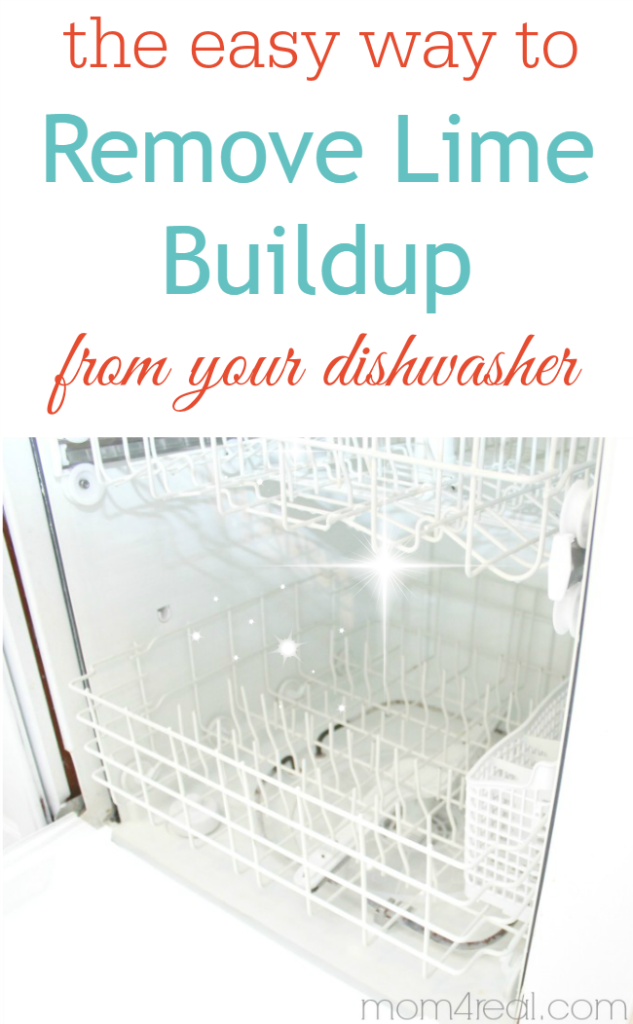
Have you ever opened your dishwasher, expecting sparkling clean dishes, only to find them covered in a stubborn, chalky residue? If so, you’re not alone.
Hard water deposits can cling to your dishwasher over time, making your clean dishes look anything but. This can be frustrating, especially when you rely on your dishwasher to simplify your life. But don’t worry—there’s a simple solution to this common problem.
In this guide, we’ll show you how to banish those pesky deposits and restore your dishwasher to its full cleaning potential. By the end, you’ll be equipped with easy, effective methods to ensure your dishes emerge spotless every time. Stick with us, and say goodbye to those unwelcome mineral marks!
Credit: www.reddit.com
Identifying Hard Water Deposits
Hard water deposits in your dishwasher can lead to various issues. Identifying them early helps maintain your appliance’s efficiency. These deposits often appear as chalky, white residue. Understanding their signs and impact is essential.
Signs In Your Dishwasher
White spots on dishes indicate hard water deposits. Cloudy film on glassware is another sign. The dishwasher’s interior may have a powdery build-up. Check the spray arms for clogs or residue. These are telltale signs of hard water issues.
Impact On Performance
Hard water deposits can reduce dishwasher efficiency. They may block spray arms and reduce water flow. This results in poorly cleaned dishes. Energy consumption may increase as the appliance works harder. Long-term deposits can damage the dishwasher parts. Regular checks help in preventing these issues.
Preparation For Cleaning
Cleaning hard water deposits in your dishwasher requires some preparation. Proper preparation ensures effective cleaning. It also saves time and effort. Before diving in, gather what you need and take necessary precautions. This makes the cleaning process smooth and safe.
Gathering Necessary Supplies
Begin by collecting all the supplies you need. You will need white vinegar, a soft cloth, and a toothbrush. White vinegar helps dissolve mineral deposits. A soft cloth helps wipe away residue. A toothbrush reaches tight spots. Ensure you have these items on hand.
Safety Precautions
Safety is important when cleaning appliances. Unplug the dishwasher before starting. This prevents electrical accidents. Also, wear gloves to protect your hands. Vinegar can irritate sensitive skin. Ensure the area is well-ventilated. This helps avoid strong vinegar fumes. Follow these steps for a safe cleaning experience.
Using Vinegar Solution
Remove hard water deposits in your dishwasher with a vinegar solution. Pour a cup of vinegar into the bottom. Run a hot water cycle to dissolve and clear the buildup effectively.
Cleaning hard water deposits in your dishwasher can be a frustrating task. But using a vinegar solution might just be the magic trick you need. Vinegar is a natural acid that can break down the mineral build-up, leaving your dishwasher sparkling clean. It’s an affordable and eco-friendly option that many people swear by, including me. I remember once trying it out after my dishwasher started leaving white spots on my dishes. The results were surprisingly effective. Are you curious about how you can use vinegar to tackle those stubborn deposits? Let’s dive into the details.Mixing The Solution
Creating a vinegar solution is straightforward. All you need is white vinegar and water. Mix equal parts of vinegar and water in a bowl. You can use a measuring cup to ensure you’re getting the right ratio. This mixture is potent enough to dissolve mineral deposits without being too harsh on your dishwasher’s components.Application Process
Now, it’s time to apply the vinegar solution. Place a cup filled with vinegar in the top rack of your empty dishwasher. Run a hot water cycle without any detergent. This allows the vinegar to circulate and target those hard water deposits effectively. Have you ever noticed a persistent odor or residue in your dishwasher? The vinegar solution can help with that too, leaving your appliance smelling fresh. Using vinegar not only cleans your dishwasher but also enhances its performance. Next time you face issues with hard water deposits, try this simple yet effective method. You’ll likely find it’s a game-changer for maintaining your dishwasher’s efficiency.
Credit: www.reddit.com
Baking Soda Method
Hard water deposits can make your dishwasher look grimy. They can also affect its performance. The baking soda method is a simple way to tackle these deposits. Baking soda is gentle yet effective in cleaning. It helps remove stubborn residue without harming your appliance.
Creating The Paste
To start, gather baking soda and water. Mix them to form a thick paste. The paste should not be too runny or too dry. Aim for a consistency similar to toothpaste. This will help in easy application and effective cleaning.
Scrubbing Techniques
Apply the paste to areas with hard water deposits. Use a soft brush or cloth. Gently scrub in circular motions. Focus on spots with heavy build-up. Avoid using metal brushes. They can scratch the dishwasher surface. Rinse thoroughly to remove all baking soda residue.
Commercial Cleaning Products
Struggling with stubborn hard water deposits in your dishwasher? You’re not alone. Many people face the hassle of dealing with mineral buildup that affects the performance of their appliances. Commercial cleaning products can be a lifesaver in this situation. These specially formulated solutions are designed to tackle hard water stains effectively, ensuring your dishwasher remains in top shape. Let’s explore how you can choose and use the right commercial cleaning products to restore your dishwasher’s sparkle.
Choosing The Right Product
Picking the perfect cleaner can feel overwhelming given the variety available. But don’t worry, you can simplify the process by focusing on a few key aspects. Look for products specifically labeled for hard water deposits. This ensures they contain ingredients that target mineral buildup.
Read reviews and consider user feedback. Real experiences can give you insights into a product’s effectiveness. For instance, some users swear by brands like Lemi Shine or Affresh for tackling stubborn stains. These insights help you make informed decisions.
Check for eco-friendly options if you’re concerned about the environment. Many companies offer biodegradable formulas that are both effective and gentle on nature. This way, you can clean your dishwasher without harming the planet.
Usage Instructions
Once you’ve chosen the right product, using it effectively is crucial. Always start by reading the label for specific instructions. Each product has its own method for optimal use, so follow the guidelines closely.
Typically, you’ll need to remove any dishes and run the dishwasher empty. Add the cleaning product according to the package directions. This might involve placing a tablet in the detergent compartment or pouring a liquid solution into the machine.
Run a full cycle on the hottest setting. This allows the product to dissolve the mineral deposits thoroughly. Once the cycle is complete, check the results. You should notice a significant reduction in buildup, leaving your dishwasher cleaner and more efficient.
Have you ever tried a particular product with unexpected results? Share your experiences or thoughts in the comments below. Your insights could help someone else choose the right cleaner for their dishwasher.
Preventing Future Deposits
Effective strategies help in preventing future deposits by cleaning hard water buildup in dishwashers. Vinegar and baking soda offer simple solutions to dissolve mineral deposits. Regular maintenance keeps dishwashers running smoothly and prevents residue from affecting performance.
Preventing future hard water deposits in your dishwasher is essential. It ensures your machine runs smoothly and efficiently. This practice helps extend the life of your appliance. Here are some practical steps to keep those pesky deposits at bay.Regular Maintenance Tips
Regular cleaning is key. Wipe down the dishwasher’s interior after each use. This prevents mineral build-up. Check and clean the filter weekly. Remove any food particles or debris. Run an empty cycle with vinegar monthly. This helps dissolve mineral deposits. Use a soft cloth to clean the spray arms. Ensure they are free from blockages. Inspect the door seals for any residue. A clean seal ensures a proper fit.Water Softening Solutions
Consider installing a water softener. It reduces mineral content in your water. Lower mineral content means fewer deposits. Water softeners can be installed in the main water line. This benefits the entire house. Alternatively, use a rinse aid in every cycle. It helps prevent mineral spots on dishes. Some dishwasher detergents contain softening agents. Choose a detergent designed for hard water. These detergents can minimize build-up. Employing these strategies will keep your dishwasher deposit-free. Regular maintenance and softening solutions work wonders. Your dishwasher will thank you.
Credit: rehabitathome.com
Frequently Asked Questions
How To Clean A Dishwasher With Hard Water Buildup?
Remove racks and debris. Fill a bowl with white vinegar and place it on the top rack. Run a hot water cycle. Sprinkle baking soda on the bottom and run another cycle. Wipe the interior with a damp cloth. This process removes hard water buildup effectively.
How Do I Get Rid Of Calcium Deposits In My Dishwasher?
To remove calcium deposits, use a cup of white vinegar in an empty dishwasher cycle. This helps dissolve and clear mineral buildup. Regularly clean the dishwasher filter and interior to maintain efficiency. Consider using a dishwasher cleaner monthly for optimal results.
How To Get Rid Of Limescale Build Up In Dishwasher?
Use white vinegar to remove limescale build-up. Pour a cup into the dishwasher’s bottom and run a hot cycle. Regular cleaning helps prevent future deposits. Consider using dishwasher cleaner monthly for optimal results. Ensure proper loading to maintain efficient water flow and prevent limescale formation.
What Is The Best Dishwasher Cleaner For Hard Water Build Up?
Affresh Dishwasher Cleaner effectively removes hard water buildup. It uses citric acid to dissolve mineral deposits, ensuring optimal performance. Finish Dishwasher Cleaner is another excellent option, tackling limescale and grease efficiently. Both options maintain dishwasher efficiency and cleanliness.
Conclusion
Keeping your dishwasher clean is crucial for its longevity. Hard water deposits can affect performance. Regular cleaning helps prevent buildup. Use vinegar or citric acid for effective results. These household items dissolve mineral deposits quickly. Also, check filters and spray arms often.
They can clog and reduce efficiency. Simple maintenance ensures your dishwasher works well. Saves energy and money, too. Keep your dishes spotless. Follow these easy tips. Your machine will thank you. Enjoy hassle-free dishwashing with a clean appliance. Your kitchen stays fresh and efficient.
