
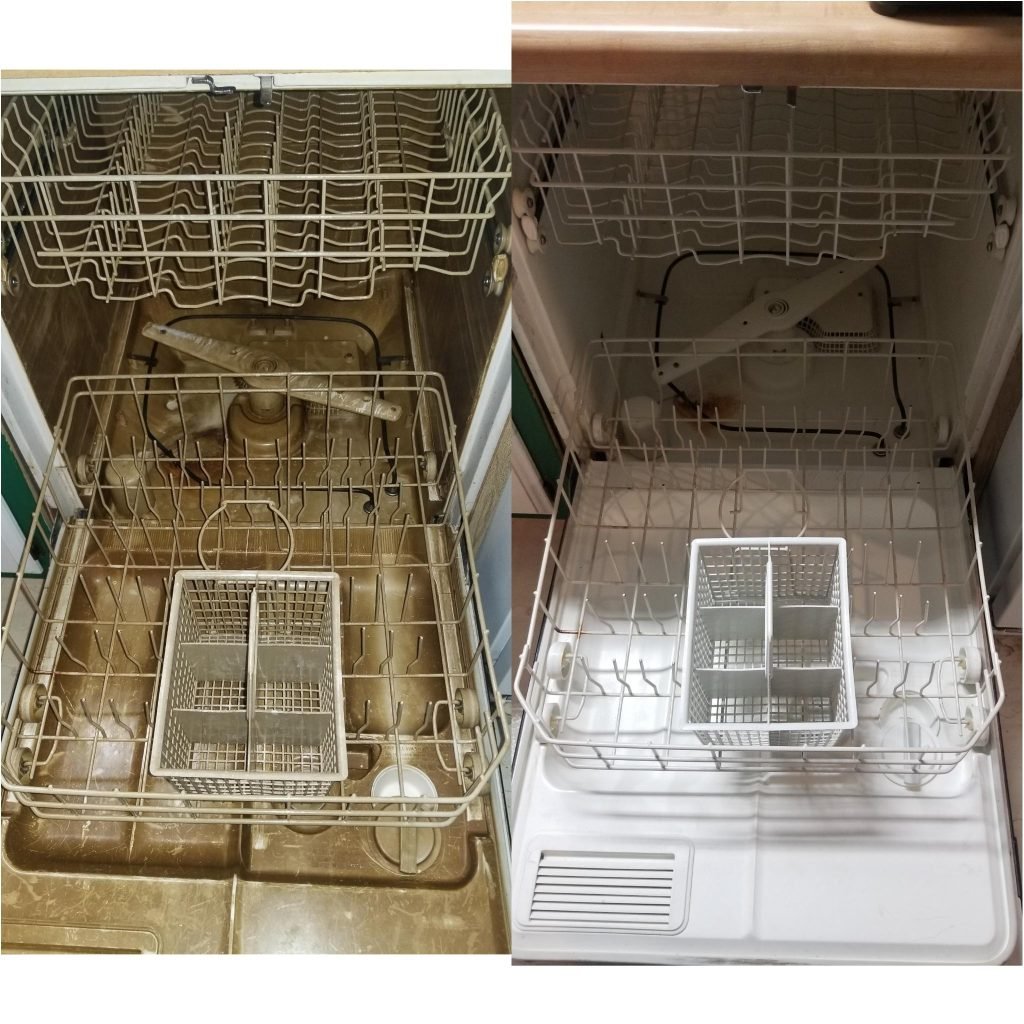
Does your dishwasher leave your dishes looking cloudy or spotty? If so, you might be dealing with hard water buildup.
Hard water can be a hidden culprit, sneaking into your appliance and leaving behind mineral deposits that affect its performance. The good news is that you can tackle this issue head-on. Imagine opening your dishwasher to find sparkling clean dishes every time.
It’s possible, and easier than you might think. Dive into this guide to discover simple, effective methods to banish hard water residue and restore your dishwasher’s efficiency. Let’s transform your dishwashing routine from frustrating to flawless. Ready to see the shine? Keep reading!

Credit: www.thepinjunkie.com
Signs Of Hard Water In Your Dishwasher
Hard water can cause trouble for your dishwasher. It leaves unwanted residues. These residues can affect the cleaning performance. Recognizing the signs early can save you time and money. Let’s explore the common signs of hard water issues in your dishwasher.
1. Cloudy Dishes And Glassware
Do your glasses appear cloudy even after washing? This cloudiness is a clear sign of hard water. It happens because minerals stick to the surface. Regular cleaning doesn’t remove these stubborn deposits.
2. White Spots On Utensils
Notice white spots on your cutlery? These spots indicate mineral deposits. They often appear on metal surfaces. Hard water leaves behind calcium and magnesium, which form these spots.
3. Soap Scum In The Dishwasher
Soap scum buildup on the dishwasher’s interior is another sign. Hard water makes it tough for soap to dissolve. This results in leftover soap scum, reducing cleaning efficiency.
4. Clogged Nozzles And Spray Arms
Hard water can clog dishwasher nozzles. Mineral deposits block the spray arms too. This blockage hampers water flow, affecting the cleaning process.
5. Increased Detergent Usage
Using more detergent than usual? Hard water can be the cause. It requires more detergent to clean effectively. This not only wastes detergent but also increases costs.
6. Dull Dishwasher Interior
Does the inside of your dishwasher look dull? Hard water deposits can dull the appearance. Regular cleaning becomes necessary to maintain its shine.
Tools And Materials Needed
Gather white vinegar, a cleaning cloth, and a measuring cup. Baking soda and a toothbrush are also helpful. Ensure gloves are available for protection.
Cleaning hard water stains from your dishwasher doesn’t have to be a daunting task. With the right tools and materials, you can tackle those stubborn mineral deposits efficiently. This section will guide you through what you need to ensure your dishwasher sparkles again. Ready to dive in?Tools
Start with the essentials. A soft sponge is your best friend here. It’s gentle on surfaces yet effective in removing grime. Don’t underestimate the power of an old toothbrush. It’s perfect for reaching those tricky corners and crevices. Have you noticed how some spots are just too narrow for anything else?Materials
Vinegar is a magic potion in this cleaning endeavor. Its acidity helps dissolve mineral deposits effortlessly. Have you ever tried lemon juice? It works like a charm, especially for adding that fresh scent. Baking soda is another mighty contender. It’s a gentle abrasive that can scrub away stains without scratching surfaces.Safety Gear
Protect your hands with rubber gloves. You’ll appreciate them when dealing with cleaning solutions. Goggles might seem excessive, but they’re great for preventing splashes in your eyes. Do you think safety gear is only for professionals? Think again.Optional Add-ons
Consider a microfiber cloth for that final polish. It’s ideal for drying and shining surfaces. A small spray bottle can help you apply vinegar or lemon juice evenly. Ever wonder if these little extras make a difference? They do.Storage Tips
Keep your supplies in a designated cleaning caddy. It’s convenient and keeps everything organized. How often do you find yourself searching for that elusive sponge? With a caddy, everything is within reach. With these tools and materials, cleaning your dishwasher becomes an easy task rather than a chore. Remember, the right supplies make all the difference. What tools will you start with today?Pre-cleaning Preparations
Prepare for cleaning by removing dishes from the dishwasher. Ensure all racks are empty. Check for blockages in the spray arms.
Cleaning hard water stains from your dishwasher can feel daunting, but with proper preparation, it’s a breeze. Before you start, setting the stage is crucial. This step ensures efficiency and safety, making the process smoother. Just like prepping ingredients before cooking, pre-cleaning preparations lay the groundwork for a successful cleaning session. Let’s dive into what you need to do first.Safety Measures
Safety should be your top priority before tackling any cleaning task. Always unplug your dishwasher to avoid electrical accidents. This simple act might seem trivial, but it’s essential. No one wants to deal with unexpected shocks while scrubbing away stains. Protective gloves are a must. They shield your hands from harsh cleaning agents and potential irritants. If you’ve ever had a cleaning solution sting your skin, you’ll know why gloves are non-negotiable.Gathering Supplies
Equipping yourself with the right supplies can make or break your cleaning mission. You’ll need a few household items: white vinegar, baking soda, and a soft cloth. White vinegar is a superstar for breaking down mineral deposits. Baking soda adds a gentle scrubbing power that doesn’t scratch surfaces. Grab a measuring cup for precision. It ensures you use just the right amount of vinegar, preventing wastage or excessive use. Consider adding a toothbrush to your arsenal. It’s perfect for getting into those tricky corners and crevices. You might be surprised how effective a simple toothbrush can be at tackling stubborn spots. Are you ready to transform your dishwasher into a sparkling clean machine? What’s your go-to cleaning supply you can’t do without?Cleaning The Dishwasher Interior
Remove hard water stains from your dishwasher by scrubbing the interior with vinegar and baking soda. Run a hot cycle with vinegar to dissolve mineral buildup. Regular cleaning keeps your dishwasher efficient and free from residue.
Cleaning your dishwasher’s interior is crucial for maintaining its efficiency and longevity. Hard water can leave mineral deposits that build up over time, affecting your dishwasher’s performance. Tackling these issues head-on will ensure sparkling clean dishes every time. Let’s dive into the practical steps to restore your dishwasher to its prime condition.Removing Mineral Deposits
Mineral deposits can be stubborn. Start by running an empty cycle with vinegar. Pour two cups of white vinegar into a bowl and place it on the top rack. This simple trick dissolves minerals without harsh chemicals. For tough spots, sprinkle baking soda at the bottom of the dishwasher and run another cycle. Baking soda acts as a gentle scrub, leaving your dishwasher fresh.Cleaning Spray Arms
Spray arms are essential for proper water flow. Remove them carefully to inspect for clogs. Small food particles often block the tiny holes. Use a toothpick or a soft brush to clear any debris. Rinse the arms under running water to ensure they’re clean. Reattach them securely to prevent any issues during the wash cycle.Wiping The Door Seal
The door seal is often overlooked. Yet, it can harbor mold and grime. Use a damp cloth with mild detergent to wipe it clean. Pay attention to the folds where dirt accumulates. Regular cleaning prevents unpleasant odors and ensures a tight seal. Have you checked your door seal lately? It’s a simple step that makes a big difference. Incorporating these steps into your cleaning routine can save you from costly repairs. A well-maintained dishwasher is a game-changer for your kitchen routine. Keep your appliance in top shape and enjoy the peace of mind that comes with it.Descaling The Dishwasher
Descaling the dishwasher is crucial for maintaining its performance. Hard water deposits can clog essential parts. This reduces efficiency and lifespan. Regular descaling helps remove these stubborn deposits. Keeping your dishwasher in top condition is easy with the right methods.
Using Vinegar
Vinegar is a natural and effective cleaner. It dissolves mineral deposits without harsh chemicals. Pour a cup of white vinegar into a dishwasher-safe bowl. Place it on the top rack. Run a hot water cycle without any dishes. The vinegar will break down the hard water stains. This simple process can improve the dishwasher’s function.
Using Commercial Cleaners
Commercial cleaners offer a powerful solution for descaling. They are designed to tackle hard water deposits efficiently. Choose a cleaner specifically made for dishwashers. Follow the instructions on the package for best results. Usually, you add the cleaner to an empty dishwasher and run a cycle. This method removes stubborn residues and freshens up the appliance. It ensures a spotless finish and boosts cleaning power.

Credit: www.reddit.com
Preventing Future Buildup
Preventing future buildup in your dishwasher is essential for its longevity. Hard water can leave stubborn mineral deposits. These can affect your dishwasher’s performance. Regular care helps maintain efficiency. You can take simple steps to minimize the impact of hard water. This ensures your dishes come out sparkling every time.
Regular Maintenance Tips
Clean your dishwasher monthly with vinegar. Vinegar dissolves mineral deposits effectively. Run an empty cycle with a cup of vinegar. This helps keep the interior clean. Check and clean the filter regularly. A clogged filter can reduce cleaning efficiency. Remove food particles and debris. This prevents buildup and maintains water flow. Use a soft brush for scrubbing hard-to-reach areas.
Water Softener Solutions
Consider installing a water softener. It reduces minerals in your water supply. This prevents deposits in your dishwasher. A water softener uses salt to treat hard water. It exchanges minerals with softer ions. This process softens the water before it enters your dishwasher. Regularly check and refill the salt in the softener. This ensures it works effectively.
When To Seek Professional Help
Facing persistent hard water stains in your dishwasher? Consider professional help if DIY solutions fail. Regular cleaning efforts may not be enough for severe build-up. Experts can provide deeper cleaning and maintenance tips.
Cleaning hard water deposits from your dishwasher can be a simple task. But sometimes, things get a bit tricky. Knowing when to seek professional help can save you time and protect your appliance from further damage. It’s crucial to recognize the signs that indicate you might need an expert to step in.Persistent Stains And Scale Buildup
If you’ve tried every home remedy and cleaning solution but those stubborn stains remain, it might be time to call a professional. They have the tools and expertise to deal with persistent scale buildup that home remedies can’t touch. Don’t let hard water stains ruin your dishwasher’s efficiency.Strange Noises During Operation
Hearing unusual noises from your dishwasher could mean that hard water has affected its internal components. A professional can diagnose the issue accurately and fix it before it leads to costly repairs. Ignoring these sounds might result in more severe damage.Water Flow Issues
Hard water can clog your dishwasher’s pipes, leading to poor water flow. If you notice that your dishwasher isn’t cleaning dishes properly or is taking longer than usual, a professional inspection might be necessary. They can clear out blockages and ensure your dishwasher runs smoothly.Regular Maintenance Checks
Even if your dishwasher seems to be working fine, regular maintenance can catch potential problems early. Professionals can spot the signs of hard water damage that you might miss. Scheduling routine checks can extend the life of your appliance and save you money in the long run.Electrical Problems
Has your dishwasher been tripping breakers or showing electrical issues? Hard water might be affecting its electrical components. This is not something to handle on your own—reach out to a professional to ensure safety and proper functioning.Warranty Considerations
If your dishwasher is under warranty, attempting repairs yourself might void it. Professional service not only keeps your warranty intact but also guarantees that the work is done to the manufacturer’s specifications. Protect your investment by choosing experts who know the ins and outs of your specific model.Seeking Expert Advice
Sometimes, you just need expert advice to prevent future issues. A professional can offer tips specific to your water condition and dishwasher model. Wouldn’t you rather have peace of mind knowing your appliance is in top shape? When faced with persistent issues, don’t hesitate to reach out to a professional. Your dishwasher is a valuable tool in your kitchen, and keeping it in optimal condition ensures it serves you well for years to come.
Credit: www.reddit.com
Frequently Asked Questions
How To Clean Hard Water Buildup From Dishwasher?
Use vinegar to remove hard water buildup. Place a cup on the top rack and run a hot cycle.
How To Remove Thick Limescale From A Dishwasher?
Clean limescale by running a cycle with a cup of white vinegar in the bottom rack. Use lemon juice for stubborn stains. Regularly check and clean filters to prevent buildup. Maintain dishwasher efficiency by repeating this process monthly. Always follow the manufacturer’s cleaning instructions for best results.
How Do I Descale My Dishwasher Naturally?
Mix equal parts of white vinegar and water. Pour the solution into the dishwasher’s detergent compartment. Run a hot water cycle without dishes. This effectively removes limescale and keeps your dishwasher clean naturally. Repeat monthly for best results.
Does Hard Water Ruin A Dishwasher?
Hard water can damage a dishwasher by causing mineral buildup. This reduces efficiency and may lead to costly repairs. Regular cleaning and using a water softener can help prevent these issues and extend the appliance’s lifespan. Proper maintenance ensures optimal performance, saving energy and money in the long run.
Conclusion
Cleaning hard water stains from your dishwasher isn’t tricky. Regular maintenance prevents buildup. Vinegar and baking soda work wonders. They are safe and effective. Always check the dishwasher’s manual. It offers useful guidance. Consistent cleaning keeps the machine efficient. This saves you time and money.
A clean dishwasher means spotless dishes every time. Try these simple tips today. Enjoy gleaming dishes and a fresh machine. Your dishwasher deserves care. Keep it running smoothly. Simple steps make a big difference. Happy cleaning!
