
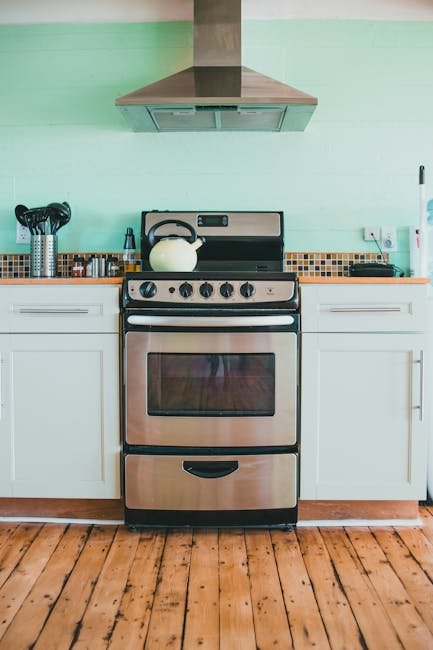
Are you tired of the persistent grease and odors lingering in your kitchen? Your range hood vents might be the hidden culprits.
These essential kitchen components work hard to keep your cooking space fresh and clean, but they often go unnoticed in your cleaning routine. Ignoring them can lead to reduced efficiency and unpleasant smells. Imagine cooking in a kitchen that feels as fresh as a spring morning.
By learning how to clean your range hood vents properly, you can transform your kitchen into a more pleasant and inviting space. Don’t let those overlooked vents compromise your cooking environment. Dive into our guide to discover simple steps that will make your kitchen sparkle and breathe freely again. Your kitchen deserves it, and so do you.
Importance Of Clean Range Hood Vents
Keeping your range hood vents clean is more than just a chore—it’s crucial for your kitchen’s health and efficiency. You might overlook these vents as you focus on countertops and floors, but their cleanliness directly impacts your air quality and safety. A clean range hood not only removes smoke and odors effectively but also prevents grease buildup, which could become a fire hazard.
Have you ever noticed a lingering smell after cooking a hearty meal? That’s often due to clogged range hood vents. Clean vents ensure that odors are swiftly whisked away, leaving your kitchen smelling fresh.
Grease accumulation in the vents can lead to more than just unpleasant smells. It can become a breeding ground for bacteria, affecting the overall hygiene of your kitchen. Regular cleaning minimizes this risk, keeping your cooking environment healthier.
Imagine the inconvenience of a malfunctioning range hood during a dinner party. Clean vents ensure your hood works efficiently, preventing smoke and steam from ruining your evening. It’s about peace of mind and seamless entertaining.
Ensuring Optimal Airflow
Have you ever wondered why your range hood seems sluggish despite being on full blast? Blocked vents could be the culprit. Clean vents ensure optimal airflow, making cooking more comfortable and less stressful.
Good ventilation helps maintain a steady temperature in your kitchen. Without it, you’ll find yourself sweating over a hot stove more than necessary. Clean vents are an easy way to ensure a cool and pleasant cooking experience.
Preventing Fire Hazards
Did you know that grease buildup in range hood vents is a common cause of kitchen fires? It’s not just about cleanliness—it’s about safety. Regular cleaning reduces the risk of a fire, protecting your home and family.
Consider a checklist for your cleaning routine. Add range hood vents to your monthly tasks to ensure they’re not forgotten. This small step can prevent a potentially devastating fire.
How often do you clean your range hood vents? If it’s less than once a month, you might be putting your kitchen at risk. Regular maintenance is key to preventing hazards and ensuring a safe cooking space.
Enhancing Kitchen Efficiency
Ever felt that your range hood isn’t pulling its weight? Clean vents can significantly improve its efficiency. You’ll notice quicker smoke and odor removal, making your cooking process smoother.
Think about the energy savings. A clean, efficient range hood requires less power to operate, reducing your electricity bill. It’s a win-win for your wallet and the environment.
Next time you’re deep cleaning, consider the impact of your range hood’s efficiency. A little attention to its vents could revolutionize your kitchen experience.
Tools And Supplies Needed
Cleaning range hood vents can be a daunting task. Yet, with the right tools and supplies, it becomes easier. These essential items ensure efficient cleaning and maintain your kitchen’s air quality. You’ll need to gather a few basic tools and supplies before starting.
Tools Needed
A screwdriver is essential for removing vent covers. Choose one that fits your screws perfectly. A soft-bristle brush helps scrub away stubborn grease. It reaches into small crevices without causing damage. Microfiber cloths are ideal for wiping down surfaces. They absorb grease and moisture efficiently, leaving surfaces spotless.
Cleaning Supplies
Warm, soapy water is a must-have for general cleaning. It breaks down grease and lifts dirt easily. For tougher stains, use a degreasing cleaner. This targets and dissolves built-up grime. Baking soda is a natural cleaner that tackles odors. It can be mixed with water to form a paste. White vinegar offers a powerful cleaning solution. It disinfects and leaves a streak-free shine.
Safety Supplies
Rubber gloves protect your hands from harsh chemicals. They also keep your skin clean and dry. A face mask is useful to avoid inhaling cleaning fumes. It ensures you breathe comfortably while working. Safety goggles are recommended if using strong cleaners. They shield your eyes from accidental splashes.
Preparing For The Cleaning Process
Begin by gathering necessary cleaning supplies like degreaser, scrub brush, and gloves. Remove and soak the filters in hot, soapy water. Clean the hood exterior with a damp cloth to remove grease buildup.
Cleaning your range hood vents might not be your favorite household chore, but it’s crucial for maintaining a safe and efficient kitchen. Preparing for the cleaning process is half the battle. With the right steps, you can ensure a thorough and hassle-free experience. Let’s dive into the essentials that will make this task a breeze.Safety Precautions
Before you start, prioritize your safety. Ensure that your range hood is turned off and unplugged. This simple step protects you from electrical hazards. Consider wearing gloves and safety goggles. These protect your hands from harsh chemicals and your eyes from any debris. It’s always better to be safe than sorry. Lastly, ventilate your kitchen by opening windows or turning on a fan. This helps disperse any cleaning fumes and provides fresh air while you work.Initial Steps
Start by removing the vent filters. Most filters slide or pop out easily, but consult your range hood manual if you encounter resistance. Soak these in warm, soapy water to loosen grease and grime. While the filters soak, inspect the interior of your range hood. Use a flashlight to spot any particularly grimy areas. Identifying these now will make targeted cleaning later more effective. Gather all necessary cleaning supplies. A degreaser, scrub brush, and microfiber cloth should be in your arsenal. Having everything at hand saves time and keeps you focused. Have you ever skipped preparation steps and regretted it? Avoid that pitfall here. Proper preparation makes the difference between a quick clean and a frustrating afternoon. So take a moment to get everything ready. You’ll thank yourself later!Cleaning Different Types Of Vents
Cleaning range hood vents is essential for maintaining kitchen air quality. Different types of vents require specific cleaning methods. Understanding these methods ensures your range hood functions effectively.
Mesh Filters
Mesh filters trap grease and debris efficiently. Remove these filters from the hood. Soak them in hot, soapy water to loosen dirt. Use a soft brush for scrubbing stubborn spots. Rinse thoroughly and let them dry completely before reinstalling.
Baffle Filters
Baffle filters are designed for high efficiency. They use overlapping panels to direct airflow. Remove the baffle filters carefully. Wash them with warm, soapy water. Use a cloth to wipe away grease. Ensure all parts are dry before placing them back.
Charcoal Filters
Charcoal filters absorb odors and smoke. They cannot be washed. Replace them every six months for optimal performance. Check your hood’s manual for specific replacement instructions. Regular replacement keeps your kitchen air fresh.
Removing And Washing Filters
Cleaning range hood vents involves removing and washing filters. First, detach the filters carefully from the hood. Use warm soapy water to scrub away grease and dirt. Rinse thoroughly and let them dry before reattaching. Regular maintenance keeps your kitchen fresh and odor-free.
Cleaning range hood vents might seem like a daunting task, but removing and washing filters is a crucial step that can transform your kitchen environment. Clean filters not only improve air quality but also enhance the efficiency of your range hood. Picture this: a sparkling kitchen with the aroma of your favorite dish wafting through, without the lingering smell of last night’s dinner. Let’s dive into how you can achieve this by focusing on removing and washing those essential filters.Detaching Filters
The first step is to safely detach the filters from the range hood. Before you start, make sure the hood is off and cool to the touch. Consult your hood’s manual for specifics, as different models might have varying mechanisms. Usually, you’ll find clips or a release handle that allows you to easily remove the filters. Pay attention to how they are fitted so you can reattach them correctly later. It’s a simple process, but are you paying attention to any damage? A damaged filter can reduce efficiency, so inspect them carefully.Soaking And Scrubbing Techniques
Once detached, it’s time to give those filters a good scrub. Fill your sink or a large basin with hot, soapy water. Submerge the filters and let them soak for 15-20 minutes to loosen the grease and grime. While they soak, prepare your scrubbing tools. A soft brush or sponge works wonders without scratching the surface. Consider this: are you using the right detergent? A mild dish soap often does the trick, but a degreaser can be beneficial for stubborn buildup. After soaking, scrub each filter gently. Rinse them thoroughly with warm water, ensuring no soap residue remains. Allow the filters to air dry completely before reattaching them to the range hood. Have you ever noticed a difference in performance after a thorough clean? It’s astonishing how a simple scrub can rejuvenate your cooking experience.Cleaning The Interior And Exterior
Cleaning range hood vents involves removing grease and grime to maintain efficiency. Begin by detaching the vent filters. Soak them in warm, soapy water to loosen dirt. Scrub gently with a soft brush, rinse, and dry thoroughly. Regular cleaning prevents buildup and ensures your kitchen stays fresh and odor-free.
Cleaning your range hood vents is essential for a healthy kitchen environment. Grease and grime can build up over time, affecting air quality and even posing a fire hazard. When tackling the interior and exterior, a little effort can go a long way in maintaining both functionality and appearance. Let’s dive into how you can effectively clean your range hood, ensuring it sparkles inside and out.Degreasing The Hood
Start with the interior, where grease often hides. Turn off the power, ensuring safety first. Remove the filters, which can be washed separately in warm, soapy water. Use a degreasing solution to wipe down the interior surfaces. A simple mix of vinegar and water works wonders. Scrub gently with a soft cloth, focusing on areas with visible buildup. Have you ever noticed how neglected corners can hide the most grime? Pay attention to these spots. For the exterior, you want to remove fingerprints and smudges. A mild detergent and warm water are your allies. Rinse thoroughly to avoid streaks, leaving the hood looking fresh and clean.Polishing And Final Touches
Once the hood is degreased, it’s time to polish. Use a microfiber cloth for a streak-free finish. Stainless steel polish can enhance the shine, but always follow the grain of the metal. Consider the small details—are there any loose screws or parts? Tighten them up to ensure the hood is secure. Replace the filters once dry, and step back to admire your work. Do you see the difference it makes when every detail is considered? Cleaning your range hood vents doesn’t have to be a chore. With these practical steps, you can maintain a clean and safe kitchen environment. What’s your favorite cleaning hack for stubborn grease spots? Share your thoughts and keep the conversation going!Reassembling And Testing
Carefully reassemble the range hood vent after cleaning. Ensure all parts fit snugly. Test the hood to confirm everything works properly.
Reassembling and testing your range hood vents ensures everything works perfectly. After cleaning, putting everything back in place is crucial. This step guarantees the range hood functions efficiently, keeping your kitchen fresh. Let’s dive into the simple steps for reassembling and testing.Reattaching Filters
First, make sure the filters are completely dry. Wet filters can damage the range hood. Slide each filter back into its original position. Ensure they fit snugly and securely. If clips hold them in place, fasten the clips tightly. This prevents any rattling or movement during operation.Checking Functionality
Turn on the range hood to check its function. Listen for any unusual noises. A smooth, steady sound indicates everything is in place. Test the lights to ensure they are working. Proper lighting helps in monitoring the cooking process. Adjust the fan speed to different settings. Make sure the fan operates efficiently at each level. Reassembling and testing ensure your range hood is ready for use. Your kitchen remains clean and odor-free.Maintaining Clean Vents
Cleaning range hood vents ensures a healthier kitchen environment. Start by removing filters, then soak them in hot, soapy water. Scrub gently to remove grease and rinse thoroughly. Finally, wipe the inside of the hood with a damp cloth. Regular maintenance prevents buildup and maintains optimal airflow.
Maintaining clean range hood vents is essential for a healthy kitchen environment. Over time, grease and grime can build up, affecting air quality and even posing a fire hazard. Regular cleaning not only ensures efficient operation but also extends the life of your appliance. Imagine cooking your favorite dish without the worry of lingering odors or smoky air.Regular Cleaning Schedule
Creating a routine for cleaning your range hood vents can make all the difference. Set a reminder on your phone or calendar every month. This way, you won’t forget. Monthly cleaning helps prevent grease build-up, making each clean quicker and easier. Use warm soapy water and a soft brush. Scrub gently to remove grease without damaging the vent. Don’t forget to dry thoroughly after cleaning to avoid rust.Preventive Tips
Preventive measures can drastically reduce the frequency of deep cleanings. Always turn on your range hood when cooking. It helps to catch grease particles before they settle. Consider using a splatter guard while frying or cooking oily foods. This simple tool can minimize the mess and keep your vents cleaner. Check your filter regularly. If it’s a charcoal filter, replace it every 6 months. For metal filters, regular washing can keep them in top condition. Have you ever thought about the impact of clean vents on your cooking environment? Cleaner vents mean fewer odors and a fresher kitchen atmosphere. This small effort can make your cooking experience more enjoyable.Frequently Asked Questions
How Do You Clean A Greasy Range Hood Duct?
To clean a greasy range hood duct, turn off power and remove filters. Use a degreaser spray and scrub with a brush. Rinse thoroughly with warm water and dry. Reinstall the filters and ensure all parts are secure. Regular cleaning maintains efficiency and safety.
How Do You Clean A Greasy Range Hood Filter?
Remove the filter and soak it in hot water mixed with dish soap or baking soda. Scrub gently using a brush. Rinse thoroughly and let it dry before reinstalling. Regular cleaning ensures efficient performance and reduces grease buildup.
How Do You Get Oily Sticky Dust Off The Hood?
Use a mixture of warm water and dish soap. Apply with a microfiber cloth, scrubbing gently. Rinse with clean water and dry thoroughly with a clean towel. For stubborn spots, use a vinegar solution. Regular cleaning prevents buildup.
How To Get Rid Of Kitchen Hood Smell?
Clean the kitchen hood filters regularly with warm soapy water. Use vinegar or baking soda to neutralize odors. Ensure proper ventilation by opening windows or using fans. Replace carbon filters if necessary for better odor absorption. Keep the kitchen hood running during and after cooking.
Conclusion
Cleaning range hood vents is essential for a fresh kitchen. Regular maintenance prevents grease build-up. This improves air quality and safety. Use simple tools and methods. This keeps the task manageable. Clean vents enhance your cooking environment. Follow the steps regularly.
This ensures a healthy kitchen space. Plus, it extends the life of your range hood. Don’t ignore this important task. A clean range hood makes cooking more pleasant. Enjoy a cleaner kitchen with minimal effort. Stay proactive with your cleaning routine.
Your kitchen will thank you.
