
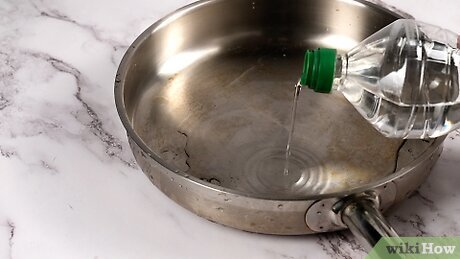
Are you tired of seeing smudges and stains on your steel surfaces? Whether it’s your kitchen appliances, tools, or even furniture, steel can be both a sleek asset and a cleaning conundrum.
But don’t worry, you’re not alone in this struggle, and you’re certainly not stuck with those unsightly marks. Imagine the satisfaction of seeing your steel gleam like new, reflecting light with a pristine shine that enhances your space. That’s the goal we’re going to help you achieve.
In this guide, you’ll discover simple, effective techniques to restore the beauty of your steel items. So, if you’re ready to transform your dull surfaces into dazzling displays, keep reading. Your steel deserves to shine, and you’re just a few steps away from making it happen!
Types Of Steel
Cleaning steel effectively requires understanding its types. Each type of steel has unique properties. Knowing these can help you clean them correctly. Below are the main types of steel you might encounter.
Stainless Steel
Stainless steel resists rust and corrosion. It is often used in kitchens and bathrooms. For cleaning, use mild soap and water. Avoid abrasive tools to prevent scratches. Dry thoroughly to maintain its shine.
Carbon Steel
Carbon steel is strong and durable. It is commonly used in construction. This type can rust, so clean it with a gentle cleanser. Use a soft cloth to wipe it down. Apply a thin layer of oil to protect the surface.
Galvanized Steel
Galvanized steel is coated with zinc. This coating prevents rust. Clean with a mixture of water and mild detergent. Avoid strong acids, which can damage the zinc layer. Rinse and dry completely to prevent water spots.

Credit: www.youtube.com
Essential Cleaning Tools
Essential cleaning tools for steel include microfiber cloths and mild detergents. These help remove dirt without scratching. For stubborn stains, use a mixture of water and vinegar. This keeps steel surfaces shiny and spotless.
Cleaning steel can seem daunting, but with the right tools, it becomes straightforward and effective. Whether you’re dealing with kitchen appliances, furniture, or car parts, the right cleaning tools make all the difference. By understanding which tools to use, you can achieve a gleaming finish that lasts. Let’s dive into some essential cleaning tools that will help you tackle any steel cleaning task with confidence.Cleaning Cloths
When cleaning steel, the type of cloth you use matters. Microfiber cloths are excellent for this task because they are soft and prevent scratches. They effectively trap dirt and dust, leaving surfaces spotless. Another option is lint-free cloths, which ensure no residue is left behind. These cloths are particularly useful for stainless steel surfaces, as they help maintain a sleek appearance. Have you ever tried using old t-shirts as cleaning cloths? They can be surprisingly effective for preliminary cleaning, offering a cost-effective solution.Brushes And Scrubbers
For stubborn grime, brushes and scrubbers are your best friends. Soft-bristle brushes can gently remove dirt without damaging the steel surface. Steel wool is another useful tool, but should be used cautiously. It’s perfect for tough stains but could scratch delicate surfaces. Always test in an inconspicuous area first. Consider using nylon scrubbers for a safer option. They offer a balance between effectiveness and safety for most steel surfaces.Cleaning Solutions
Choosing the right cleaning solution is crucial. Mild dish soap mixed with water is a great all-purpose cleaner for steel surfaces. It’s simple yet effective. Vinegar can be an excellent natural cleaner, helping to remove fingerprints and smudges. Mix equal parts vinegar and water for a powerful cleaning solution that doesn’t harm steel. For commercial options, stainless steel cleaners are specially formulated to enhance shine and protect against future smudges. They offer convenience but might not be necessary for every cleaning task. What cleaning solutions have you found most effective? Consider experimenting with different mixtures to find what works best for your needs.Preparation Steps
Cleaning steel requires proper preparation. Following these steps ensures effective cleaning. Preparation is key to achieving a smooth, clean surface.
Safety Measures
Safety is the top priority. Wear protective gloves and eyewear. This prevents exposure to harsh chemicals or sharp edges. Ensure the area is well-ventilated. Open windows or use a fan for airflow. Check safety labels on cleaning agents. Follow instructions carefully to avoid accidents.
Surface Inspection
Inspect the steel surface before cleaning. Look for rust, stains, or damage. Identifying these issues helps choose the right cleaning method. Use a flashlight to spot hidden areas. Check for loose screws or parts. Tighten or remove them as needed. Document any major issues for future reference.
Cleaning Techniques
Cleaning steel surfaces requires proper techniques for a spotless finish. Various methods ensure your steel items shine and remain free of blemishes. Understanding these techniques enhances the longevity and appearance of steel in your home.
Wiping And Polishing
Start with a soft microfiber cloth. Dampen it slightly with water. Gently wipe the steel surface to remove dust and light dirt. Use a dry cloth afterward to polish the steel. This step adds a nice shine without scratching.
Scrubbing Tough Stains
For stubborn stains, use a mixture of baking soda and water. Apply the paste to the stain. Scrub gently with a non-abrasive sponge. Rinse with clean water and dry with a cloth. This method is effective for removing grime.
Using Chemical Cleaners
Choose a cleaner specifically made for steel. Apply it directly to the stained area. Follow instructions on the product label. Wipe off with a damp cloth. Ensure proper ventilation while using chemical cleaners to avoid fumes.
Avoiding Common Mistakes
Achieve a polished look by using gentle cleaners. Avoid abrasive pads that scratch surfaces. Dry steel thoroughly to prevent water spots and rust.
Cleaning steel can seem simple, yet mistakes are easy to make. Many people unknowingly damage their steel items. Understanding what to avoid can save time and effort. Let’s explore common errors and how to prevent them.Overuse Of Abrasive Materials
Using harsh scrubbers can scratch steel surfaces. These scratches can trap dirt and moisture, causing rust. Instead, use soft cloths or sponges. They clean without harming the steel. If stains persist, apply gentle pressure. Avoid steel wool or wire brushes. These tools are too abrasive for delicate surfaces.Ignoring Safety Precautions
Safety is crucial when cleaning steel. Always wear gloves to protect your hands. Cleaning solutions can be harsh on the skin. Ensure good ventilation in your workspace. Some cleaners release fumes that can be harmful. Read labels on cleaning products carefully. Follow the instructions to avoid accidents. If you use a new cleaner, test it first. Apply it on a small, hidden area to check for reactions.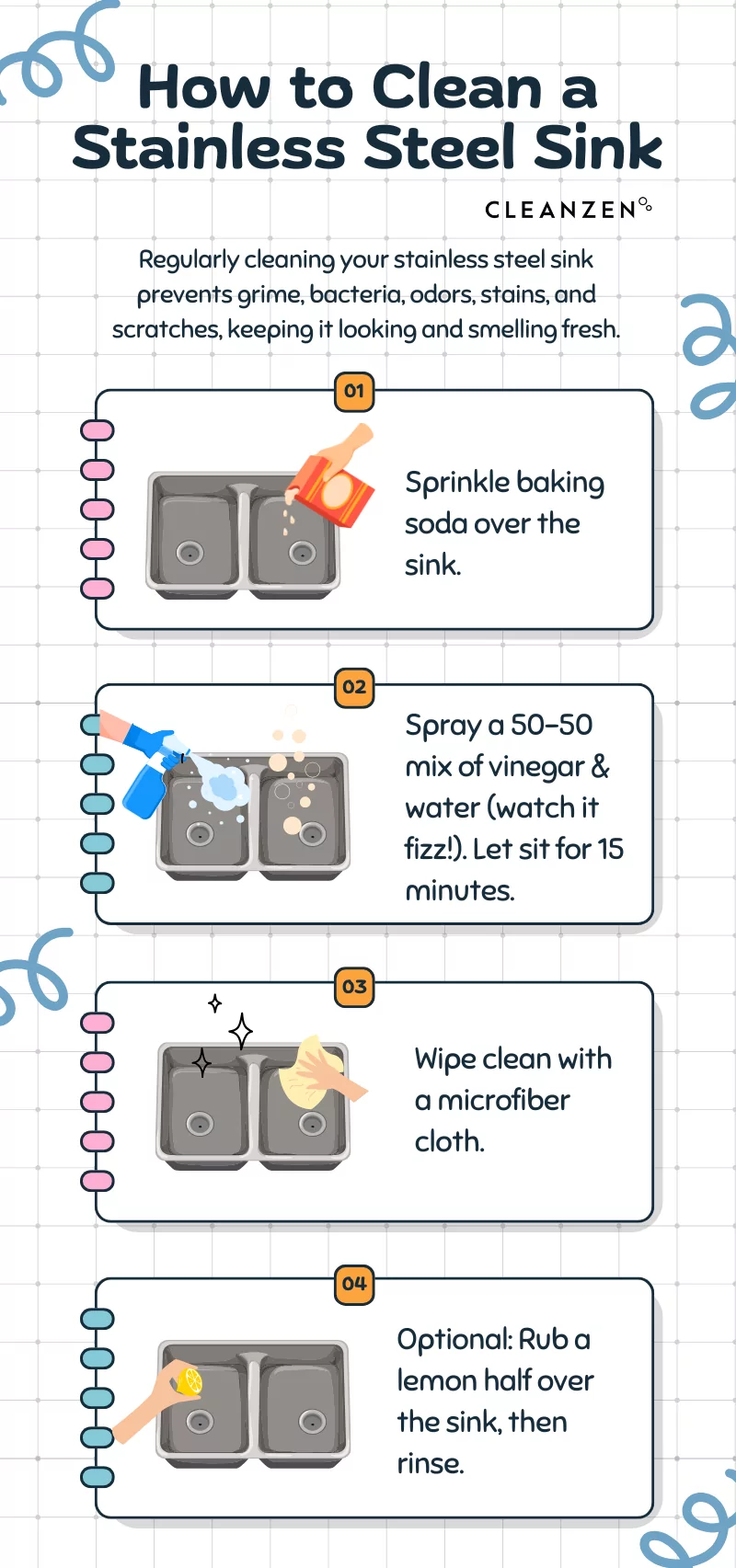
Credit: cleanzen.com
Maintaining Steel Surfaces
Cleaning steel surfaces involves using a mild detergent mixed with warm water. Gently scrub with a soft cloth to remove dirt and grime. Rinse thoroughly and dry with a clean towel to prevent water spots. Regular care keeps steel shiny and rust-free.
Maintaining steel surfaces is vital to preserve their luster and longevity. Whether it’s your kitchen appliances or outdoor fixtures, keeping steel clean enhances their appearance and prevents damage. Let’s dive into some practical tips to help you maintain these surfaces effectively.Regular Cleaning Schedule
A consistent cleaning routine is key to maintaining steel surfaces. Dust and grime can accumulate quickly, especially in busy areas like the kitchen. Wiping down surfaces weekly with a soft cloth and a mild detergent can make a significant difference. Consider making a checklist for your cleaning tasks. This will help you stay organized and ensure no area is neglected. How often do you find yourself scrubbing stubborn stains? Regular cleaning minimizes such hassles, saving you time and effort.Protective Coatings
Applying a protective coating can be a game-changer for steel surfaces. These coatings act as a shield against moisture and oxidation, common culprits in steel deterioration. Products like car wax or specialized steel protectants are easy to apply and offer long-lasting protection. Have you ever noticed how much longer your car’s paint job lasts with a wax coating? The same principle applies to steel surfaces. Remember to reapply these coatings periodically, especially on outdoor items exposed to harsh weather. Consistent protection ensures that your steel remains in top condition year-round.Expert Tips For Best Results
Cleaning steel effectively begins with gathering the right supplies. Warm water, mild detergent, and a soft cloth work wonders. Regular cleaning prevents rust and maintains shine.
Cleaning steel can be a simple task with expert tips. Achieving the best results requires knowing the right techniques. With proper care, steel surfaces can shine and last longer.Choosing The Right Products
Selecting the right cleaning products is crucial. Use mild detergents and avoid harsh chemicals. Vinegar and baking soda are great natural alternatives. These options help maintain the steel’s finish. Always check labels for compatibility with steel. Use soft cloths to prevent scratches.Professional Cleaning Advice
Professionals recommend regular cleaning to prevent build-up. Wipe steel surfaces with a damp cloth daily. For stubborn stains, use a paste of baking soda and water. Gently scrub with a soft brush. Rinse thoroughly and dry with a microfiber cloth. This prevents water spots and streaks.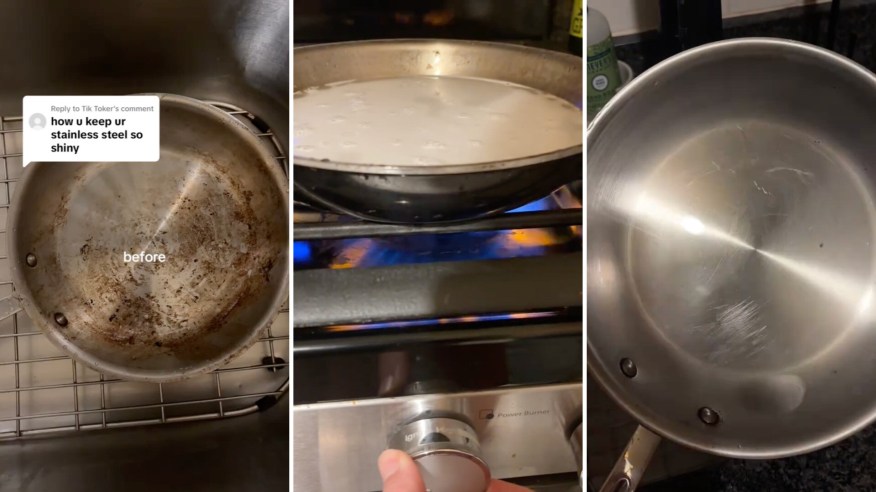
Credit: www.thecooldown.com
Frequently Asked Questions
What Is Best To Clean Steel?
Use a mixture of warm water and mild dish soap to clean steel. Apply it with a soft cloth. Rinse thoroughly with water and dry with a clean towel to prevent water spots. For stubborn stains, a mixture of vinegar and water can be effective.
Avoid abrasive cleaners to prevent scratches.
How Do You Clean Tarnished Steel?
Clean tarnished steel using a mixture of baking soda and water. Apply the paste, scrub gently with a soft cloth, then rinse and dry thoroughly. For stubborn tarnish, use white vinegar or lemon juice. Regular maintenance prevents tarnish buildup, ensuring your steel remains shiny and polished.
How To Make Steel Shiny Again?
Clean steel with vinegar and water solution. Scrub gently using a soft cloth or sponge. Rinse thoroughly and dry. Apply a stainless steel polish or olive oil to restore shine. Buff with a clean, dry cloth for a sparkling finish.
Regular maintenance prevents dullness and keeps steel shiny.
Does Wd-40 Clean Steel?
Yes, WD-40 can clean steel surfaces. It removes grime, rust, and corrosion effectively. Apply and wipe with a clean cloth for best results. Always test on a small area first to ensure compatibility. Regular use can maintain steel’s shine and prevent rust buildup.
Conclusion
Steel cleaning can be simple with the right steps. Start by gathering your tools. Use a soft cloth and mild soap. This helps avoid scratches. Regular cleaning prevents rust. Always dry steel thoroughly. Moisture leads to stains. For stubborn dirt, try vinegar.
It’s natural and effective. Polish steel for shine. Use specific steel polish for best results. Safety first: wear gloves. Clean steel boosts its lifespan. A clean surface looks good and lasts longer. With these tips, steel maintenance is easy. Your steel items will stay bright and durable.
Enjoy your clean and shiny steel!
