
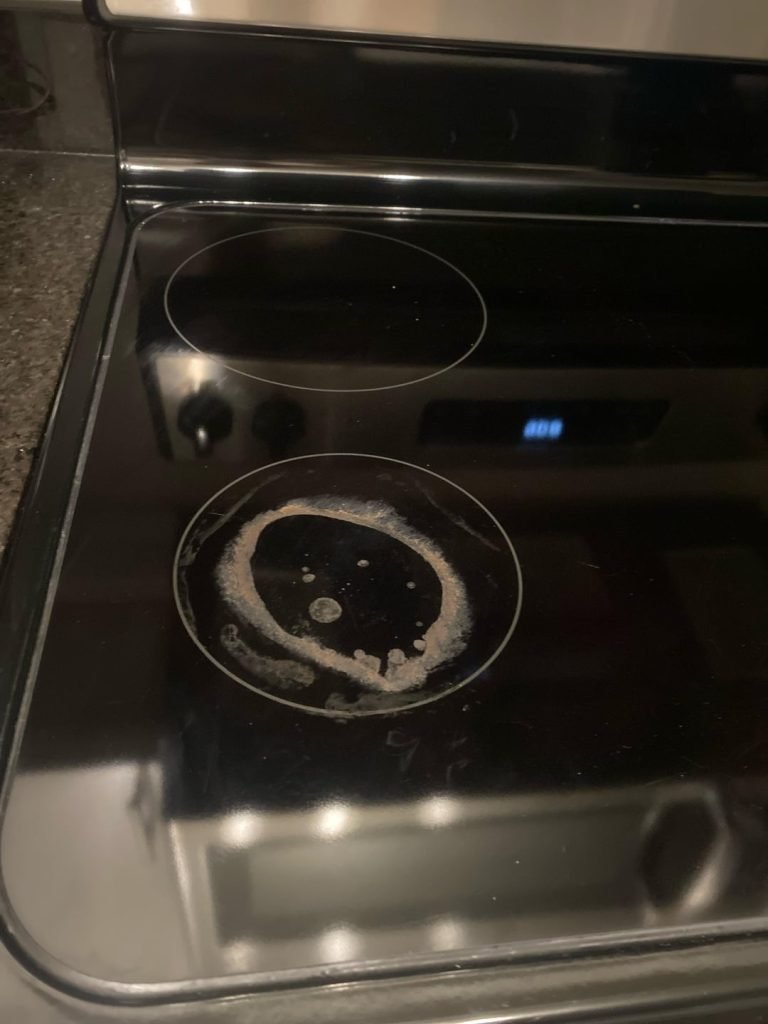
Have you ever had one of those days where you’re juggling a dozen things at once, and before you know it, a pot boils over, leaving burnt water marks on your stovetop? We’ve all been there.
It’s frustrating, and those stubborn stains can feel impossible to remove. But don’t worry, you’re not alone, and you don’t have to live with that eyesore any longer. In this guide, you’ll discover simple, effective methods to get your stovetop sparkling clean again.
Imagine the satisfaction of seeing your kitchen pristine and spotless, free from the annoyance of those unsightly marks. So, if you’re ready to reclaim the clean look of your kitchen and say goodbye to burnt water stains for good, keep reading. Your stovetop will thank you, and so will your peace of mind.

Credit: www.reddit.com
Common Causes Of Burnt Water Marks
Burnt water marks often occur from overflowing pots or pans. High heat can cause water to evaporate quickly, leaving mineral deposits. Cleaning spills promptly can prevent stubborn stains from forming on stovetops.
Burnt water marks on your stove top can be a common yet frustrating problem. They often appear out of nowhere, making your kitchen look less pristine. Understanding the causes can help you prevent them in the future.Boiling Water Overflow
One of the most frequent culprits is boiling water overflow. When water boils over, it leaves mineral deposits that scorch the surface. Have you ever left a pot unattended only to return to a sizzling mess? It’s a mistake we all make, but keeping an eye on your pot can save you from scrubbing later.Spills From Cooking
Another common cause is spills from cooking. Whether it’s pasta water or soup, any liquid that lands on a hot stove can leave a mark. Do you find yourself multitasking while cooking? It might be worth slowing down to avoid these messy accidents.Mineral Deposits In Water
The minerals in your tap water can also be a factor. Hard water leaves behind more residue when it evaporates. Have you noticed white spots forming around your faucet? The same can happen on your stove, leading to burnt marks if not cleaned promptly.High Heat Cooking
Using high heat can exacerbate the problem. High temperatures cause water to evaporate quickly, leaving minerals behind faster. Next time, consider adjusting the heat to a more moderate level. It might take a little longer, but it can keep your stove top cleaner. Understanding these causes not only helps in cleaning but also in preventing future marks. Which of these causes do you think is the biggest culprit in your kitchen? Identifying it can be the first step in maintaining a spotless stove top.
Credit: www.tiktok.com
Essential Cleaning Supplies
Cleaning a stove top with burnt water stains can be daunting. The right supplies make this task easier and more efficient. Having these items on hand ensures your stove top shines and remains spotless.
Vinegar And Baking Soda
Vinegar and baking soda are natural cleaning agents. Vinegar helps dissolve stubborn stains. Baking soda provides gentle abrasion to scrub away residue. Combine them for a powerful cleaning solution.
Microfiber Cloths
Microfiber cloths are perfect for wiping surfaces clean. They are gentle on the stove top and highly absorbent. Use them to remove grime without scratching the surface.
Plastic Scrapers
Plastic scrapers help remove tough, stuck-on debris. They are safe for delicate surfaces. Use them carefully to avoid causing damage to your stove top.
Commercial Stovetop Cleaner
Commercial cleaners are designed for tough stains. Choose a cleaner suitable for your stove top material. Follow the instructions for the best results.
Old Toothbrush
An old toothbrush is handy for scrubbing tight spots. Its bristles reach areas that cloths cannot. Use it to clean corners and edges thoroughly.
Warm Water
Warm water helps loosen burnt particles. It softens the residue, making it easier to wipe away. Use it generously during the cleaning process.
Rubber Gloves
Rubber gloves protect your hands from harsh chemicals. They keep your skin safe while you clean. Always wear gloves to avoid irritation.
Immediate Action Steps
Act swiftly by turning off the heat and allowing the stove to cool. Use a damp cloth with baking soda to gently scrub the burnt area. Rinse and wipe dry for a clean finish.
When you see burnt water on your stove top, act quickly. Immediate action can prevent permanent stains and make cleaning easier. Follow these steps to restore your stove top to its original shine.Turn Off The Heat
First, turn off the stove immediately. This stops further burning and allows the surface to cool. Safety first, always.Remove Pots And Pans
Remove any pots or pans from the stove. This gives you a clear surface to work on and prevents further damage to cookware.Wipe Away Excess Water
Use a dry cloth or paper towel. Soak up any remaining water. This helps prevent further spreading of burnt marks.Use A Damp Cloth
Once the stove is cool, use a damp cloth. Gently wipe the burnt area. Avoid scrubbing as it may scratch the surface.Apply Baking Soda Paste
Make a paste with baking soda and water. Apply it on the burnt area. Let it sit for a few minutes to loosen the burnt residue.Scrub Gently
Use a soft sponge or cloth. Gently scrub the area with the baking soda paste. Be patient, stubborn stains may take a few tries.Rinse And Dry
Rinse the area with clean water. Use a damp cloth to remove any residue. Finally, dry the stove top with a clean towel.Homemade Cleaning Solutions
Stubborn burnt water stains on your stovetop can be a real headache. Store-bought cleaners can be harsh and costly. Homemade solutions offer effective, gentle, and budget-friendly alternatives. You likely have everything you need in your kitchen already. These solutions can tackle tough stains without chemicals.
Vinegar And Baking Soda Mix
Vinegar is a natural cleaner with acidic properties. Baking soda acts as a gentle scrubber. Together, they make a powerful cleaning team.
- Mix equal parts vinegar and baking soda in a bowl.
- Apply the paste to the burnt area.
- Let it sit for 15 minutes to break down the residue.
- Use a soft cloth to gently scrub away the stains.
- Rinse with warm water to remove any leftover paste.
This mixture is effective and safe for most stovetops.
Lemon And Salt Scrub
Lemon is known for its antibacterial properties. Salt adds texture for scrubbing. This combination can clean and freshen your stovetop.
- Cut a lemon in half and sprinkle salt on the cut side.
- Rub the lemon over the burnt area.
- The lemon juice helps lift the stain while salt scrubs.
- Leave the mixture on for 10 minutes.
- Wipe with a damp cloth to clear any residue.
This scrub not only cleans but leaves a fresh scent.
Commercial Cleaning Products
Burnt water stains on a stovetop can be removed using commercial cleaning products. Apply a paste of baking soda and water to the stain. Gently scrub with a soft cloth until the stain lifts.
Cleaning burnt water off a stovetop can be a daunting task. Commercial cleaning products offer an effective solution. They are designed to tackle stubborn stains and burnt residues. These products are easy to use and can save time.Recommended Brands
Several brands offer reliable cleaning solutions for stovetops. Here are a few:- Bar Keepers Friend: Known for its powerful cleaning action.
- Weiman: Popular for its gentle formula on surfaces.
- Cerama Bryte: Effective on ceramic and glass stovetops.
- Affresh: Offers specialized cleaners for different stovetop types.
Usage Instructions
Follow these steps for best results: 1. Read the product label before use. Some require surface dampening. 2. Apply a small amount of cleaner on the burnt area. 3. Let it sit for a few minutes. This helps loosen the residue. 4. Use a non-abrasive sponge or cloth. Gently scrub the area. 5. Wipe off the cleaner with a damp cloth. Ensure no residue remains. 6. Dry the stovetop with a clean towel. This prevents streaks. Using commercial products makes cleaning simple and effective. Always test on a small area first. Ensure compatibility with your stovetop material.Stubborn Stain Removal Techniques
Burnt water stains can be tough to remove from stovetops. They often cling stubbornly to the surface, leaving your kitchen looking less than its best. Fortunately, there are effective techniques to tackle these stubborn stains. Below, explore some methods that can help restore your stovetop to its shiny state.
Heat-based Methods
Heat can help loosen stubborn burnt water stains. Turn on the stove to a low setting. Allow the heat to gently warm the stained area. This can make the stain easier to remove. Once the area is warm, turn off the stove. Use a damp cloth to wipe away the loosened stain. Be careful not to burn yourself during this process.
Scraping Tools
Sometimes, a gentle scrape is necessary. Use a plastic scraper or a spatula. Gently work at the edge of the stain. Avoid using metal tools to prevent scratches. Scrape with patience and care. If the stain persists, repeat the process. Pair scraping with a cleaning solution for better results.
Preventive Measures
Cleaning burnt water off a stove top requires simple steps. Allow the stove to cool completely. Use a mixture of baking soda and water to gently scrub the affected area. This method helps prevent damage and restores the stove’s appearance.
Preventive Measures Avoiding burnt water stains on your stove top begins with simple preventive measures that can save you time and effort. Consistent habits in the kitchen can help maintain your stove’s pristine look. Here are some practical tips to keep those stubborn stains at bay.Regular Cleaning Routine
Establish a regular cleaning routine to keep your stove top in top condition. After every cooking session, wipe down your stove with a damp cloth to remove any spills or splatters. Once a week, use a gentle cleanser to give your stove a thorough clean, ensuring no residue builds up over time. Consistency is key, and your future self will thank you.Proper Cooking Practices
Pay attention while cooking, especially when boiling water. Set timers to remind you to check on pots, preventing water from boiling over and leaving marks. Consider using pots with fitted lids to minimize spills and splashes. By being mindful of your cooking practices, you can significantly reduce the risk of burnt water stains. Have you ever thought about how much easier life would be without those stubborn stains? Taking these simple steps can make a big difference in your kitchen’s cleanliness.Expert Tips For Long-term Maintenance
Cleaning burnt water off the stove top requires patience and the right tools. Use baking soda and vinegar for effective results. Regular cleaning prevents stubborn stains and keeps your stove looking new.
Cleaning a stovetop can feel like an endless battle, especially when burnt water has left its stubborn mark. While tackling the mess itself is crucial, ensuring it doesn’t become a recurring nightmare is just as important. Long-term maintenance not only saves you time but keeps your kitchen looking pristine. So, how do you maintain that sparkling stove? Let’s delve into some expert tips that will make stove maintenance a breeze.Material-specific Advice
Understanding your stove’s material is key to its upkeep. For glass stove tops, gentle cleaning agents are your best friends. Using a soft cloth and a mix of vinegar and water can prevent scratches and maintain the shine. For stainless steel stovetops, always wipe in the direction of the grain with a damp microfiber cloth. This simple habit can prevent streaks and preserve the surface’s natural luster. If you have a ceramic stove, avoid abrasive materials altogether. Instead, use a specially formulated ceramic cleaner to keep it spotless without risking damage.Avoiding Common Mistakes
Ever used a scouring pad on a delicate surface? It’s a common mistake many make. Opt for non-abrasive sponges to avoid unwanted scratches. Another frequent error is letting spills sit for too long. It’s tempting to let it slide after a long day, but addressing spills promptly prevents stains and makes cleaning easier. Overuse of harsh chemicals is another pitfall to avoid. They can wear down the protective layers of your stove, leading to quicker deterioration. Stick to mild, eco-friendly cleaners for a safer, longer-lasting stovetop. By adopting these expert tips, you’ll not only keep your stove looking brand new but also extend its lifespan. What small changes can you make today for a cleaner kitchen tomorrow?
Credit: www.tiktok.com
Frequently Asked Questions
How To Get Burnt Liquid Off Stove Top?
To remove burnt liquid from a stove top, sprinkle baking soda and spray vinegar. Let it sit, then scrub gently. Use a soft sponge to avoid scratches. Repeat if necessary for stubborn stains. Clean regularly to prevent build-up and maintain a shiny surface.
How To Get Boiled Water Off The Stove Top?
Turn off the stove and allow the water to cool slightly. Use a sponge or cloth to soak up the water. Wipe the surface clean with warm, soapy water to remove any residue. Dry the area thoroughly with a clean towel for a spotless finish.
How Do You Get Water Stains Off A Black Stove Top?
Remove water stains from a black stove top using a vinegar solution. Mix equal parts vinegar and water. Apply gently with a soft cloth or sponge, then wipe dry with a clean towel. For stubborn stains, use baking soda paste, scrub gently, and rinse thoroughly.
Ensure the stove is completely dry afterward.
How Can You Safely Remove The Spilled Water From The Hot Stovetop?
Turn off the stove immediately. Use a dry towel to absorb the water. Avoid using paper towels, as they can ignite. Ensure the stove is cool before wiping thoroughly. Dispose of the wet towel safely to prevent any risk of fire.
Conclusion
Cleaning burnt water from your stove top is simple. Use the right tools. Start with baking soda and vinegar. Scrub gently with a soft cloth. Avoid scratching the surface. Regular cleaning prevents stubborn stains. Keep your stove looking new. Try these tips next time.
Remember, patience is key. Consistent care makes cleaning easier. A clean stove keeps your kitchen fresh. Enjoy cooking without the stress of stains. Follow these steps for a spotless kitchen. Happy cooking!
Hi, I’m Daniel Harper, a senior editor here at KitchenBucks.com. For over 10 years, I’ve been exploring kitchen gadgets and appliances to help people find tools that truly add value without breaking the bank. I love simplifying product choices so you can focus more on cooking and less on worrying about what to buy. When I’m not reviewing the latest gadgets, you’ll usually find me experimenting with coffee brewing or firing up the grill for a weekend barbecue.