
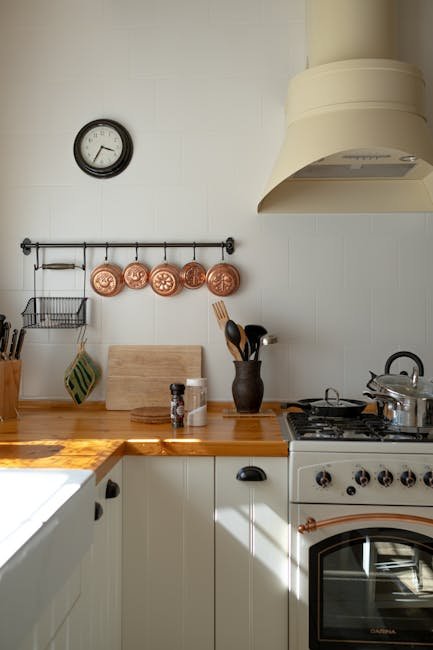
Are you tired of lingering cooking smells in your home? Installing an under cabinet range hood could be the perfect solution for you.
Not only does it help keep your kitchen fresh, but it also adds a sleek, modern look. But where do you start? You might think it’s a daunting task, but with a few simple steps, you can do it yourself.
Imagine the satisfaction of completing this project on your own and enjoying a cleaner, more pleasant cooking environment. Stick around to find out how you can tackle this installation with ease and confidence. Your kitchen awaits its transformation!
Choosing The Right Range Hood
Installing an under cabinet range hood involves measuring space accurately. Secure the unit with screws, ensuring it aligns with ventilation ducts. Connect power carefully for optimal performance.
Choosing the right range hood is crucial for your kitchen’s functionality. A well-chosen hood ensures effective ventilation and complements your kitchen’s style. It helps in removing smoke, odors, and grease from your cooking space. Before installation, consider what type of range hood suits your needs. Also, think about its size and power.Types Of Range Hoods
Range hoods come in various types. Under cabinet hoods fit beneath your kitchen cabinets. They are perfect for saving space. Wall-mounted hoods attach directly to the wall. These are ideal if you have no cabinets above your stove. Island hoods hang from the ceiling. Use them for stoves located in the middle of the kitchen.Size And Power Considerations
Choose a hood that matches your stove’s width. A hood that is too small won’t cover the cooking area well. Consider the power, measured in cubic feet per minute (CFM). A higher CFM means better air movement. For heavy cooking, choose a stronger hood. Ensure the hood’s power matches your cooking style.Gathering Necessary Tools And Materials
Before starting the installation of your under cabinet range hood, gather all necessary tools and materials. This step ensures a smooth and efficient installation process. Being prepared helps avoid interruptions and saves time.
Basic Tools Required
Ensure you have a drill with bits. A screwdriver set is essential too. A tape measure is necessary for accurate measurements. Use a level to ensure proper alignment. Keep a pencil handy for marking. These tools form the basic kit for installation.
Additional Materials Needed
You’ll need duct tape for sealing connections. Get screws and wall anchors for mounting. Have wire nuts for electrical connections. A power outlet might be needed, depending on the model. Don’t forget the range hood itself. Check the manufacturer’s instructions for any specific materials.
Preparation Steps
Begin by gathering all necessary tools and materials for the installation. Ensure the power supply is safely disconnected. Measure and mark the space under the cabinet for accurate placement of the range hood.
Installing an under cabinet range hood enhances your kitchen’s functionality. Proper preparation ensures a smooth installation process. Before diving into the task, focus on key preparation steps. This will save time and avoid potential issues.Measuring The Space
Accurate measurements are crucial for a perfect fit. Start by measuring the width of the cabinet space. Most range hoods come in standard sizes like 24, 30, or 36 inches. Ensure the hood matches your stove’s width for optimal performance. Measure the depth from the wall to the cabinet front. This ensures your range hood won’t protrude awkwardly. Also, measure the height between the stove and cabinet. The range hood should be installed at a recommended height for safety and efficiency.Ensuring Proper Ventilation
Proper ventilation is vital for effective performance. Decide if your hood will vent outside or recirculate air. For external venting, check the path for ductwork. Ensure there are no obstructions in the planned vent path. Choose the shortest and straightest route for the duct. This reduces energy loss and improves efficiency. If recirculating, ensure the charcoal filters are included and fit properly. This will help in effectively purifying the air. Prepare these steps carefully for a successful installation.Mounting The Range Hood
Installing an under cabinet range hood requires careful preparation and precise measurements. First, gather necessary tools like a drill and screwdriver. Then, securely attach the hood to the cabinet, ensuring proper alignment with the vent.
Mounting the range hood is a crucial step in your kitchen upgrade. This task ensures your range hood is secure and functions efficiently. Proper mounting allows optimal ventilation and enhances kitchen aesthetics. Follow these steps for a successful installation.Marking The Mounting Points
Begin by deciding the location for your range hood. Measure the space under the cabinet accurately. Place the range hood in position to identify mounting points. Use a pencil to mark where screws will go. Ensure these marks align with the hood’s mounting holes. Double-check measurements to avoid errors. Proper marking is key for a secure fit.Drilling Holes And Securing Brackets
Once marks are made, prepare to drill holes. Select a drill bit matching the screw size. Carefully drill holes at marked spots. Wear protective glasses during drilling. After drilling, attach brackets to the cabinet. Ensure brackets are tightly secured. Use a screwdriver for final adjustments. Brackets provide stability for your range hood. A secure bracket ensures proper functioning.Installing Ductwork
Setting up ductwork for your under cabinet range hood can feel daunting. But with the right guidance, it becomes straightforward. Ductwork is crucial for venting smoke and odors outside. Proper installation ensures efficient airflow and keeps your kitchen fresh.
Choosing The Right Duct Type
The first step in duct installation is choosing the correct duct type. Decide between rigid and flexible ducts. Rigid ducts are durable and provide better airflow. They are less prone to damage. Flexible ducts are easier to install in tight spaces. But they may reduce airflow efficiency. Assess your kitchen space and needs before deciding.
Connecting The Duct To The Vent
After choosing the duct type, connect it to the vent. Ensure a secure fit to prevent leaks. Use a clamp or duct tape for extra security. Check the vent size matches the duct size. A mismatch can cause airflow issues. Align the duct and vent for a smooth connection. Avoid sharp bends as they restrict airflow.
Electrical Connections
Installing a range hood under cabinets involves connecting electrical wires safely. Follow step-by-step instructions for a smooth setup. Ensure all power sources are turned off before starting.
When installing an under cabinet range hood, one of the crucial steps is making the electrical connections. This part of the installation ensures that your range hood gets the power it needs to function effectively. If you’re not comfortable with electrical work, it’s wise to consult a professional. However, if you’re ready to tackle it yourself, let’s break down the steps into manageable parts.Wiring The Range Hood
Start by turning off the power at the circuit breaker. It’s important to ensure safety first. Locate the junction box on your range hood, which is usually found at the top or rear. Use wire connectors to attach the house wires to the range hood wires. Typically, you’ll connect the black wire to the black wire and the white wire to the white wire. You might also find a green or bare wire, which should be connected to the ground wire. Ensure each connection is secure to prevent any electrical hazards.Testing The Electrical System
Once all wires are connected, it’s time to test your work. Restore power at the circuit breaker and switch on the range hood. Listen for the hum of the fan or check if the lights are functioning. If everything works smoothly, congratulations—you’ve successfully wired your range hood! If not, don’t panic. Double-check your connections for any loose wires or incorrect attachments. Have you ever wired something and realized it wasn’t working as expected? It’s a common experience, but it’s also a learning opportunity. What did you learn from it? Do not hesitate to seek help if you’re unsure. Safety should always come first, especially when dealing with electricity.Final Adjustments And Testing
Installing a cabinet range hood is not the end of the task. Final adjustments ensure that the installation is complete and effective. Testing verifies that everything works as intended. These steps are crucial for optimal performance. Let’s explore essential checks and tests.
Checking For Leaks
Begin by inspecting the ductwork connections. Ensure all joints are secure. Loose connections can cause air leaks. Air leaks reduce efficiency and create noise. Use metal foil tape to seal any gaps. Check for leaks around the vent. A visual check can reveal obvious issues. Listening for unusual sounds helps detect hidden leaks.
Verifying Proper Functionality
Turn on the range hood. Listen to the motor. It should operate smoothly. Test different speed settings. Each setting should function properly. Check the lights. Ensure they turn on and off easily. Test the exhaust vent. Smoke or steam should exit swiftly. Observe the airflow. It should be consistent and strong.
Maintenance Tips
Maintaining your under cabinet range hood is essential for ensuring its efficiency and longevity. Proper maintenance not only keeps your kitchen free of smoke and odors but also extends the life of your appliance. Let’s dive into some practical tips that will help you keep your range hood in top shape.
Cleaning The Filters
Dirty filters can drastically reduce the effectiveness of your range hood. A clean filter ensures that your kitchen air stays fresh and clear. Most filters are easily removable and can be cleaned with warm, soapy water. Simply soak them for a few minutes, scrub gently, and rinse thoroughly.
Some filters are dishwasher safe, offering a convenient cleaning solution. Check your manufacturer’s guidelines to see if this is an option for you. If you’ve been neglecting this, it might be time to roll up your sleeves. Have you noticed a drop in performance?
Routine Maintenance Schedule
Creating a routine maintenance schedule is crucial for keeping your range hood functioning optimally. Set a monthly reminder to inspect and clean the filters. Additionally, every three months, check the motor and fan for any signs of wear or damage.
Regularly wipe down the exterior and interior surfaces with a mild cleaning solution to prevent grease buildup. A clean hood not only works better but also looks great, enhancing your kitchen’s aesthetic. Have you ever noticed how a little regular cleaning can prevent major issues?
By taking proactive steps in maintaining your range hood, you ensure that your kitchen remains a pleasant place to cook and gather. Remember, a little effort today can save you from headaches tomorrow.
Frequently Asked Questions
Do Under-cabinet Range Hoods Need To Be Vented?
Under-cabinet range hoods can be either vented or non-vented. Vented hoods remove smoke and odors outside. Non-vented hoods use filters to recirculate air. Consider your kitchen’s ventilation needs and installation options when choosing. Proper ventilation improves air quality and cooking environment.
How Much Does It Cost To Install An Under-cabinet Range Hood?
Installing an under-cabinet range hood costs between $200 and $500. The price varies based on the model and complexity of installation. Professional installation can add $100 to $300. Total costs typically range from $300 to $800. Ensure to get quotes from multiple installers for the best deal.
Can You Install A Range Hood Yourself?
Yes, you can install a range hood yourself with basic tools. Follow manufacturer instructions and safety guidelines. Ensure proper ventilation and electrical connections. Consider professional help for complex installations.
Do You Need An Electrician To Install A Rangehood?
Yes, hiring an electrician is recommended for installing a rangehood. They ensure safe and proper electrical connections.
Conclusion
Installing an under cabinet range hood is straightforward with our guide. Follow each step carefully for a smooth process. This addition to your kitchen enhances ventilation. It also improves air quality. Ensure all tools and materials are ready before starting.
Safety is key during installation. Double-check all connections. A properly installed range hood functions efficiently. Your kitchen will feel fresher and more comfortable. Enjoy the benefits of clean air while cooking. Consider this a worthy investment for your home. Happy cooking in your newly ventilated kitchen space!
