
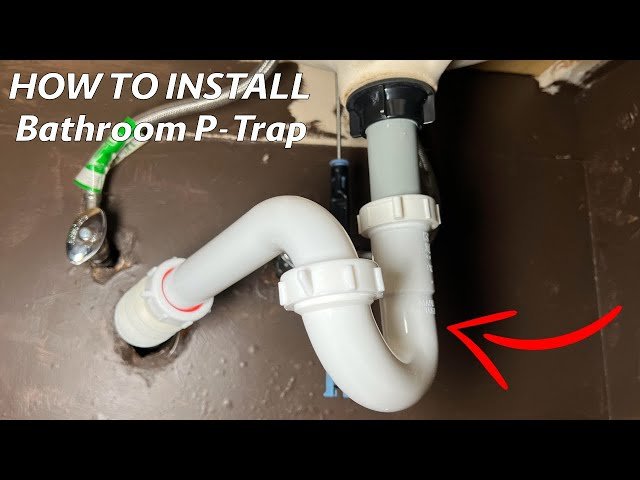
If you’ve ever noticed a bad smell coming from your kitchen sink or water draining slowly, the problem might be with your P trap. Installing a P trap under your kitchen sink is easier than you think, and doing it yourself can save you time and money.
In this guide, you’ll learn simple, step-by-step instructions to get the job done right. By the end, you’ll have a properly installed P trap that keeps your sink draining smoothly and your home smelling fresh. Ready to fix your sink like a pro?
Let’s dive in.
Tools And Materials Needed
Installing a P trap under your kitchen sink requires specific tools and materials. Having the right items ready makes the process smooth and quick. This section lists all essentials for a proper installation.
Basic Tools Needed
- Adjustable wrench to tighten or loosen fittings
- Pipe wrench for gripping pipes firmly
- Screwdriver for securing clamps or brackets
- Plumber’s tape to seal threaded connections
- Bucket to catch water during removal or installation
- Utility knife to cut tape or remove old seals
Materials For P Trap Installation
- P trap assembly kit, usually includes trap arm and curved trap
- Slip joint nuts and washers for leak-free connections
- Replacement PVC or metal pipes matching your plumbing
- Pipe joint compound for extra sealing strength
- Wall flange or escutcheon to cover pipe entry points
Safety And Preparation Items
- Work gloves to protect your hands
- Safety goggles to shield eyes from debris
- Towels or rags to clean spills
- Flashlight for better visibility under the sink
Safety Precautions
Installing a P trap under your kitchen sink might seem straightforward, but safety should never take a backseat. Ignoring basic precautions can lead to injuries or costly damage. Before you start, ensure you understand the risks and how to avoid them.
Wear Protective Gear
Always wear gloves to protect your hands from sharp edges and dirty water. Safety goggles are crucial to prevent debris or cleaning chemicals from getting into your eyes. Even a small splash of drain cleaner can cause serious harm, so don’t skip eye protection.
Turn Off Water Supply
Before you touch any plumbing, turn off the water supply valves under the sink. This prevents unexpected flooding or water damage. Have a bucket ready to catch any leftover water when you disconnect pipes.
Check For Electrical Hazards
Kitchen sinks often have electrical outlets nearby. Make sure any appliances are unplugged to avoid electric shocks. Water and electricity don’t mix, so double-check your workspace for any potential hazards.
Use Proper Tools
Using the right tools makes the job safer and easier. Avoid makeshift tools that can slip or break. A good wrench and plumber’s tape will help you secure fittings without risking injury.
Ensure Proper Ventilation
If you use chemical cleaners or solvents to clear clogs before installing the P trap, work in a well-ventilated area. Fumes can irritate your lungs and cause dizziness. Open a window or use a fan to keep air moving.
Test For Leaks Carefully
After installation, slowly turn the water back on and watch for leaks. Don’t rush this step—small drips can cause mold or damage over time. If you notice any leaks, tighten connections gently but firmly.
Have you ever started a simple home repair only to realize safety was overlooked? Taking these precautions seriously saves time, money, and frustration. What safety step might you have missed before?
Understanding P Trap Functionality
The P trap is a small but vital part of your kitchen sink plumbing. It stops bad smells from coming up through the drain. It also helps catch debris that could clog your pipes.
Understanding how the P trap works makes installation easier and safer. It is shaped like the letter “P” or a “U” turned sideways. This shape holds water after you use the sink.
How The P Trap Prevents Sewer Gas
The P trap holds a small amount of water in its curve. This water acts as a seal. It blocks sewer gases from rising into your kitchen. Without this water, bad odors could fill your home.
Role In Catching Debris
Besides blocking gas, the P trap catches small objects. It stops things like food scraps and hair from moving further into the pipes. This helps prevent clogs deeper in your plumbing system.
Connection To Drainage System
The P trap connects the sink drain to the home’s main drain pipe. It must be installed correctly for water to flow smoothly. Proper alignment avoids leaks and ensures the trap works well.
Materials And Sizes
- P traps come in plastic or metal materials.
- Choose the right size to fit your sink drain.
- Common sizes include 1 1/2 inch and 1 1/4 inch diameters.
Removing The Old P Trap
Removing the old P trap is a critical first step before installing a new one under your kitchen sink. It might seem tricky at first, but with the right approach, you can handle it without professional help. Getting this part right prevents leaks and ensures your new trap fits perfectly.
Turn Off The Water Supply And Prepare Your Workspace
Before touching the P trap, make sure to shut off the water supply to avoid any unexpected spills. Place a bucket or large bowl under the trap to catch any water left in the pipes. Keep some old towels nearby for quick cleanup—you’ll thank yourself later.
Loosen The Slip Nuts Carefully
The P trap connects to the drainpipe and sink drain with slip nuts. Use adjustable pliers or your hands to gently loosen these nuts. If they’re stuck, try twisting back and forth slowly to avoid damaging the pipes.
Remove The Trap And Inspect For Damage
Once the nuts are loose, pull the trap down and out. Expect some water to spill, so be ready. Check the trap and pipes for cracks or corrosion; this can explain previous leaks or clogs and guide your replacement choice.
Clean The Pipe Ends Before Installing The New Trap
Take a moment to clean the pipe ends with a rag or brush. Removing old plumber’s tape, debris, and buildup helps form a tight seal with the new trap. Have you noticed how a small bit of grime can cause big leaks?
Preparing The New P Trap
Preparing the new P trap is a crucial step before installation. It ensures a perfect fit and prevents leaks under your kitchen sink. Taking time here saves you from future plumbing headaches.
Choosing The Right P Trap
Not all P traps are the same. You need one that fits your sink drain and matches your plumbing system’s material—usually PVC or metal.
Measure the diameter of your existing drainpipe. Most kitchen sinks use a 1 1/2-inch size, but double-check to avoid mismatches.
Consider the shape too. Some sinks require a standard P trap, while others may need a bottle trap or S trap. Ask yourself: does your setup allow enough space for a standard P trap to fit comfortably?
Inspecting Components
Once you have your new P trap, examine all parts carefully. Look for cracks, warping, or damaged threads on the nuts and washers.
Check that the washers are flexible and intact—they create the seal that stops leaks. If they seem brittle or misshapen, swap them out before installation.
Test fit the trap by loosely assembling the pieces without tightening. Does everything slide smoothly into place? If not, you might have the wrong size or a defective component.
Have you ever installed a trap only to find a tiny crack that caused a slow leak? Catching these issues now will save water, money, and frustration later.
Installing The P Trap
Installing the P trap under the kitchen sink is essential for proper drainage and odor control. The P trap holds water to block sewer gases from entering your home. Careful installation ensures a tight fit and prevents leaks. Follow these steps to position and secure the P trap correctly.
Aligning The P Trap
Start by placing the P trap under the sink drain pipe. Make sure the curved part of the trap faces downward. Align the trap arm with the drain pipe that leads to the wall. The trap should sit level to avoid water pooling. Adjust the connections so the pipes fit smoothly without forcing them.
Securing Connections
Hand-tighten the slip nuts on all connections first. Check that the washers are properly seated inside the joints. Use a wrench to gently tighten the nuts, but do not over-tighten. Over-tightening can crack the pipes or damage washers. After tightening, run water to check for leaks. Tighten slightly more if you spot any drips.
Checking For Leaks
After installing the P trap under your kitchen sink, checking for leaks is crucial to avoid water damage and unpleasant odors. Even a tiny drip can cause long-term problems, so taking the time to inspect your work pays off. Let’s look at how you can confidently ensure your connections are watertight and your sink functions perfectly.
Testing Water Flow
Start by running water through your sink at full flow. Watch carefully underneath the sink as the water drains. Look for any signs of moisture or dripping around the P trap joints.
Don’t forget to check both the inlet and outlet connections. Sometimes leaks appear only when the water pressure is high. Have a dry cloth ready to wipe areas and detect even the smallest wet spots.
Tightening Loose Connections
If you spot any leaks, check the slip nuts and washers on the P trap. Often, a simple hand-tightening of these connections stops the drip. Avoid overtightening, which can crack plastic parts or strip threads.
Use adjustable pliers if hand tightening isn’t enough, but be gentle. If tightening doesn’t fix the leak, you might need to replace the washer or apply plumber’s tape to the threads. Don’t move on until all leaks have stopped—you’ll thank yourself later.

Credit: www.facebook.com
Maintenance Tips
Proper maintenance keeps your kitchen sink running smoothly. Regular care of the P trap prevents leaks and odors. It helps avoid costly repairs and improves drainage.
Cleaning The P Trap
Remove the P trap carefully to clean inside. Use a bucket to catch water before loosening the slip nuts. Clear out any debris, hair, or food waste stuck inside. Rinse the trap with warm water to remove residue. Reattach the P trap tightly to avoid leaks. Regular cleaning stops blockages and keeps water flowing well.
Preventing Clogs
Avoid pouring grease or oil down the drain. Use strainers to catch food scraps before washing dishes. Flush the drain with hot water once a week to clear minor buildup. Pour a mixture of baking soda and vinegar to break down grime. Limit hard items like eggshells or coffee grounds from entering the sink. Good habits reduce the risk of clogging and extend the P trap’s life.
Troubleshooting Common Issues
Installing a P trap under your kitchen sink is straightforward, but sometimes issues can pop up that disrupt its function. These common problems usually involve odors or drainage. Tackling these issues quickly keeps your kitchen fresh and your plumbing running smoothly.
Addressing Odor Problems
If you notice unpleasant smells coming from under your sink, it’s often due to trapped debris or a dry P trap. The water in the trap acts as a barrier to sewer gases, so if it dries out, odors escape into your kitchen.
To fix this, pour water down the drain to refill the trap. Adding a bit of baking soda followed by vinegar can also help eliminate lingering smells. If odors persist, check for leaks or cracks in the trap; even a small crack can let smells escape.
Fixing Drainage Issues
Slow or clogged drainage is a common frustration. Food scraps, grease, and soap buildup often cause blockages in the P trap.
Start by removing the P trap and cleaning out any visible debris. Have a bucket ready to catch water. For stubborn clogs, a flexible drain snake can reach deeper blockages without dismantling the entire pipe.
Regularly flushing your drain with hot water helps prevent buildup. Have you ever ignored slow drainage only to face a full blockage later? Clearing minor issues early saves a major headache down the line.

Credit: www.familyhandyman.com

Credit: www.youtube.com
Frequently Asked Questions
What Tools Are Needed To Install A P Trap Under The Kitchen Sink?
You need a pipe wrench, plumber’s tape, a bucket, adjustable pliers, and a hacksaw. These tools help secure and fit the P trap properly.
How Do I Prevent Leaks When Installing A Kitchen Sink P Trap?
Use plumber’s tape on threaded connections and tighten all joints securely. Check for leaks by running water and adjusting fittings as needed.
Can I Install A P Trap Without Professional Help?
Yes, installing a P trap is straightforward with basic plumbing knowledge. Follow instructions carefully and ensure all connections are tight to avoid leaks.
How Long Does It Take To Install A P Trap Under A Sink?
Installation usually takes 30 to 60 minutes depending on experience. Preparing tools and checking measurements beforehand speeds up the process.
Conclusion
Installing a P trap under your kitchen sink is easier than it seems. Follow the steps carefully and take your time. Double-check all connections to avoid leaks. A properly installed P trap keeps bad smells out. It also prevents clogs and water damage.
With patience and the right tools, you can do it yourself. Save money and gain confidence in your home repairs. Don’t rush; a little effort goes a long way. Now, your kitchen sink is ready to use without worry. Simple and effective plumbing starts here.
Hi, I’m Daniel Harper, a senior editor here at KitchenBucks.com. For over 10 years, I’ve been exploring kitchen gadgets and appliances to help people find tools that truly add value without breaking the bank. I love simplifying product choices so you can focus more on cooking and less on worrying about what to buy. When I’m not reviewing the latest gadgets, you’ll usually find me experimenting with coffee brewing or firing up the grill for a weekend barbecue.