
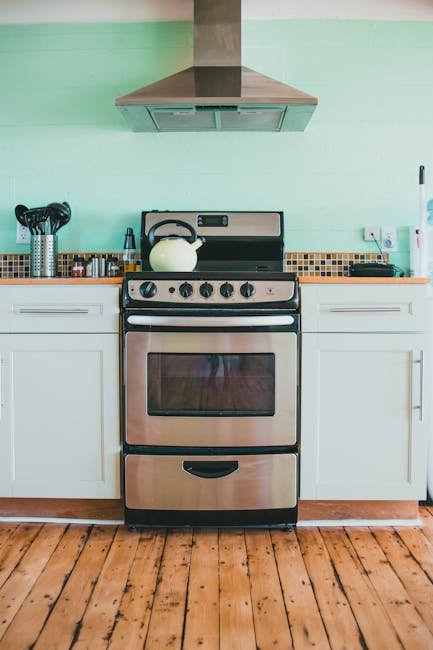
Are you tired of cooking smells lingering in your kitchen long after you’ve finished your meal? Or perhaps you’re looking to keep your kitchen air fresh and clean without breaking the bank.
Installing an under cabinet range hood vent can be the solution you’ve been searching for. This simple addition can transform your cooking space, helping to efficiently eliminate smoke, odors, and heat. But where do you start? You might feel overwhelmed just thinking about the installation process.
Don’t worry—it’s easier than you think, and we’re here to guide you through every step. By the end of this article, you’ll not only know how to install your new range hood vent but also feel confident in tackling the task yourself. Ready to enhance your kitchen experience? Let’s dive in!
Tools And Materials Needed
Installing an under cabinet range hood vent requires essential tools and materials. Gather a screwdriver, measuring tape, and drill. Ensure you have the vent kit, duct tape, and mounting brackets ready for a seamless installation process.
Installing an under cabinet range hood vent can elevate your kitchen’s functionality and aesthetics. But before you dive into the installation, it’s crucial to gather the necessary tools and materials. Having everything ready not only saves you time but also ensures a smooth, hassle-free process.Tools You’ll Need
Gathering the right tools is the first step toward a successful installation. You’ll need a screwdriver set, ideally one that includes both flathead and Phillips types. These will help you with various screws that hold the range hood in place. A measuring tape is essential to ensure your hood fits perfectly under your cabinet. Precise measurements prevent any surprises during installation. A power drill will make the process easier and faster, particularly when you need to drill holes for mounting brackets. If you don’t have one, consider borrowing or renting it.Materials Required
Before you start, ensure you have all the necessary materials on hand. You’ll need mounting brackets that are appropriate for the weight and size of your range hood. Don’t forget about the venting kit, which typically includes ducting and connectors. This kit is crucial for directing smoke and odors outside. Have some electrical tape to secure any wiring connections. This simple material plays a crucial role in safety and longevity.Safety Gear
Safety should always be your priority. Wearing safety goggles protects your eyes from any debris while drilling or handling sharp objects. Work gloves are another must-have. They provide grip and protect your hands from sharp edges or hot surfaces.Additional Items
Keep a level handy to ensure your range hood is evenly mounted. An uneven hood can affect both functionality and aesthetics. Having a pencil nearby is useful for marking measurements or drilling points. Trust me, marking points beforehand can save you from unnecessary errors.Personal Insight
When I installed my range hood, I realized how crucial it was to have everything within arm’s reach. I once spent 15 minutes looking for a specific screwdriver, which broke my focus. Have you ever started a project only to realize you’re missing something crucial? Taking a few extra minutes to double-check your tools and materials can save hours of frustration. By preparing thoroughly, you’re setting yourself up for a smooth installation process. So, take a deep breath, lay out your materials, and get ready to transform your kitchen.Preparing The Installation Area
Clear the space under the cabinet for your range hood. Ensure the area is clean and free from obstructions. Check that the wall and ceiling can support the hood’s weight.
Preparing the installation area is a crucial first step when installing an under-cabinet range hood vent. A well-prepared space ensures a smooth installation process and optimal performance of your range hood. Before diving into the actual installation, take the time to measure the space and ensure proper ventilation, which can save you from potential headaches down the line.Measuring Space
Begin by measuring the width of the cabinet space where the range hood will be installed. Precision is key here, so use a tape measure to get accurate dimensions. Double-check the measurements to confirm that the range hood will fit snugly into the designated area. Consider the height as well. The range hood should be installed at a height that effectively captures smoke and odors without obstructing your cooking space. Typically, a distance of 24 to 30 inches above the stovetop is recommended. Keep in mind any existing electrical outlets or wiring. Ensure that these will not interfere with the installation process or the operation of the range hood. If modifications are needed, now is the time to plan for them.Ensuring Ventilation
Proper ventilation is critical for the effectiveness of your range hood. Decide whether you’ll be venting through the wall or the ceiling, as this will dictate the path for ductwork. Each option has its own set of requirements and challenges. Check the duct size recommendations in your range hood’s manual. Using the correct duct size ensures maximum efficiency and minimizes noise. If the existing ductwork doesn’t match the recommended size, consider updating it. Ventilation involves more than just the ductwork. You should also inspect the exterior vent cap. It should be free of obstructions and able to open and close smoothly to prevent outside elements from entering your home. These steps might seem detailed, but they’re essential for a successful installation. Have you ever rushed through a project only to find you missed a crucial step? Taking the time now can prevent such frustrations.Removing Old Range Hood
Easily install an under-cabinet range hood vent after removing the old one. Ensure proper ventilation by following simple steps. This enhances kitchen air quality and keeps your space fresh.
Removing the old range hood can feel like a daunting task, but breaking it down into manageable steps can make the process smoother. Whether you’re upgrading to a more powerful model or simply replacing an outdated unit, you’ll want to start with a clean slate. Let’s dig into the steps involved in safely and efficiently removing your old under-cabinet range hood.Disconnecting Power
Safety should be your top priority. Before you do anything else, ensure the power is disconnected. Locate the circuit breaker box and switch off the circuit that powers your range hood. Double-check that the hood is no longer receiving electricity. This step is crucial to avoid shocks or electrical accidents while working.Detaching The Hood
Now that the power is off, you can start detaching the hood. Begin by removing any filters or covers to access the mounting screws. Keep a small container handy to store screws and avoid losing them during the process. Use a screwdriver to carefully remove the screws holding the hood in place. It helps to have a second pair of hands to support the hood as you loosen the final screws. This prevents the hood from dropping unexpectedly, which could damage your countertops or injure you. Once the screws are out, gently pull the hood away from the wall. You might need to wiggle it slightly to free it from any adhesive or sealant. If you face resistance, check for any remaining screws or attachments. Have you ever tackled a home project where you learned something unexpected? Removing an old range hood is a great time to inspect the wall and venting system. Look for signs of wear or damage that might need attention before installing your new hood. This extra step can save you headaches down the line and ensure your new installation is as smooth as possible. By following these steps, you’re well on your way to preparing the space for your new under-cabinet range hood. Are there any other home projects you’re curious about?Installing The New Hood
Installing a new under cabinet range hood vent can enhance your kitchen’s functionality and aesthetics. Follow this guide for a smooth installation process, ensuring proper positioning and secure attachment of your hood. Let’s dive into the essential steps.
Positioning The Hood
Start by determining the ideal spot under the cabinet. Ensure the hood aligns with the stove. Measure the space to verify the hood fits perfectly. Use a pencil to mark the screw holes. Keep the hood level and centered. Check that the ductwork aligns properly. This ensures efficient ventilation.
Securing The Hood
Grab a screwdriver for attaching the hood firmly. Use the marked holes as a guide. Insert screws through the hood’s mounting brackets. Tighten each screw carefully. Confirm the hood is stable and secure. Double-check that the screws are fastened tightly. Test the hood’s stability by giving it a gentle shake.
Connect the ductwork to the hood. Ensure a tight seal for optimal airflow. Verify all electrical connections are safe. Turn on the power to test functionality.
Connecting The Ventilation System
Connecting your under cabinet range hood vent to the ventilation system is crucial for ensuring efficient air flow in your kitchen. It’s like the final puzzle piece that makes everything work seamlessly. You’ll want to make sure each connection is secure, so the odors and smoke from cooking are effectively filtered out of your home. Ready to dive into the details? Let’s explore how to attach ductwork and ensure a proper seal.
Attaching Ductwork
First, make sure you have the right size ductwork for your range hood. Measure twice to avoid any surprises. Once you have the correct size, align the ductwork with the range hood’s outlet.
Secure the ductwork using screws and brackets. This ensures it stays in place even when the fan is running at full speed. It’s like fastening a seatbelt; secure connections mean better performance.
Consider using flexible ductwork if your space is limited. It bends easily, allowing you to navigate around corners without hassle. Just ensure it doesn’t sag, as this can impede airflow.
Ensuring Proper Seal
A proper seal is vital to prevent leaks. Any gaps can lead to unwanted noise and reduced efficiency. Use metallic tape or duct sealant to close any visible gaps along the connections.
Test the seal by running the fan and feeling for any escaping air. Sometimes, it’s the small leaks that are the hardest to detect but make the biggest difference. Would you want your kitchen smelling like last night’s dinner?
Check your seal regularly. Like a car tire, it can wear down over time. Keep it tight to ensure your kitchen stays fresh and odor-free.
By paying attention to these details, you’ll ensure your range hood performs optimally, keeping your kitchen environment clean and enjoyable. Are you ready to breathe easier in your cooking space?
Electrical Connections
Installing an under-cabinet range hood vent involves securing the unit and connecting electrical wiring. Ensure proper alignment for efficient ventilation. Follow safety guidelines for electrical connections to avoid hazards.
Installing an under-cabinet range hood vent can transform your kitchen experience by improving air quality and reducing odors. A critical part of this installation is making sure the electrical connections are done correctly. It’s not just about plugging in wires; it’s about ensuring safety and efficiency. Let’s break down this process into manageable steps.Wiring The Hood
Start by turning off the power at the circuit breaker to avoid any electrical hazards. Safety first! Locate the electrical wires in your kitchen wall. You typically have a black (live), white (neutral), and green or bare (ground) wire. Match these wires with the corresponding wires from your range hood. Most range hoods come with a wiring diagram. Pay close attention to this diagram. Use wire nuts to securely connect the matching wires. Remember to tuck the wires neatly inside the electrical box. This prevents any loose connections that could lead to malfunction. Have you ever wired something before? If not, consider consulting a professional to ensure this step is handled safely.Testing Electrical Functionality
Once the wiring is complete, it’s time to test the electrical functionality. Switch the power back on at the circuit breaker. Turn on the range hood and listen for the fan. Is it running smoothly? Check if the lights are functioning as expected. If any component fails to work, double-check your connections. Consider using a voltage tester to verify that power is reaching the hood. This step can save you a lot of troubleshooting later. Does everything seem to work perfectly? Congratulations! You’ve just successfully tackled a major part of your range hood installation. By focusing on these steps, you ensure your range hood operates safely and efficiently. How confident do you feel about handling electrical projects in your home now? With these insights, you’re well on your way to being an installation expert.Final Adjustments And Testing
You’ve successfully installed your under cabinet range hood vent, but before you celebrate, there’s an essential step: final adjustments and testing. This step ensures everything is functioning as it should, providing the efficiency and safety you need in your kitchen. Let’s dive into the specifics.
Adjusting Settings
Begin by adjusting the settings on your range hood. Most models offer variable speeds and light intensity. Check the manufacturer’s manual for guidance on optimal settings for your cooking habits.
Once you’re familiar with the controls, experiment with the fan speeds. Start with the lowest setting and gradually increase it. Notice how the noise levels change. A quieter operation might be ideal for simmering, while a higher speed is perfect for frying.
Don’t overlook the light settings. Bright lighting can help you monitor your cooking progress, while softer lights create a cozy ambiance. Adjust the brightness to suit your kitchen’s atmosphere.
Ensuring Proper Function
Testing the range hood’s functionality is crucial. Turn on the fan and check for smooth operation. Listen for any unusual noises, which might indicate loose parts or improper installation.
Try cooking a meal with strong odors to evaluate the fan’s effectiveness. Can you smell the garlic from last night’s pasta? If not, your vent is working efficiently.
Inspect the vent for any air leaks. Hold a piece of tissue paper near the edges; if it flutters, there might be a leak. Seal it promptly to ensure optimal performance.
Have you ever overlooked a small setting adjustment that made a big difference in your appliance’s performance? Share your stories and insights in the comments below!
Remember, the final adjustments and testing aren’t just about following instructions. They’re about tailoring the appliance to fit your unique kitchen needs. So take the time to test thoroughly, ensuring your range hood performs flawlessly.
Maintenance Tips
Maintaining your under cabinet range hood vent ensures efficient performance. Proper care extends its lifespan and keeps your kitchen air clean. Follow these maintenance tips to keep your range hood vent in top condition.
Regular Cleaning
Regular cleaning prevents grease buildup, which can affect efficiency. Use a mild detergent and warm water to clean surfaces. Dry with a soft cloth to avoid streaks. Clean the exterior weekly and the interior monthly.
Filter Replacement
Replace filters regularly to maintain air quality. Check the manufacturer’s guidelines for replacement frequency. Some filters need replacement every three months. Others may last six months. Inspect filters monthly for dirt and wear.
Frequently Asked Questions
Do Under-cabinet Range Hoods Need To Be Vented?
Under-cabinet range hoods can be vented or ductless. Venting improves air quality by removing smoke and odors. Ductless models use filters to clean air but may require frequent maintenance. Choose based on kitchen layout and preferences for efficient ventilation. Always ensure proper installation for optimal performance.
Can I Install A Hood Vent Myself?
Yes, you can install a hood vent yourself with basic DIY skills. Follow the manufacturer’s instructions carefully. Ensure proper safety and ventilation. Consider consulting a professional if unsure.
What Is The Code For Range Hood Venting?
Range hood venting must comply with local building codes. Check the International Residential Code (IRC) for specifications. Proper duct size, material, and installation are essential. Ensure vents lead outdoors to prevent indoor air contamination. Consult a professional for accurate compliance.
How Much Does It Cost To Install An Under-cabinet Range Hood?
The cost to install an under-cabinet range hood ranges from $200 to $500. This includes labor and materials. Prices can vary based on brand, features, and installation complexity. Hiring a professional ensures proper installation and venting. Always compare quotes from different installers for the best deal.
Conclusion
Installing an under cabinet range hood vent can seem challenging. Yet, following the steps simplifies the task. Begin with gathering all tools and materials. Carefully measure and mark the placement. Next, secure the vent tightly to ensure stability. Finally, connect it to the power source.
This process improves kitchen air quality. It also enhances cooking efficiency. Remember, safety is crucial throughout the installation. Double-check your work for any loose connections. Enjoy a fresher kitchen atmosphere. With patience and care, success is within reach. Now, relish the benefits of a well-ventilated kitchen space.
