
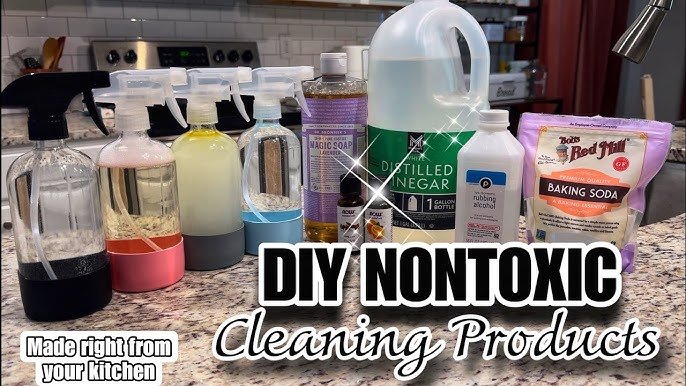
Imagine opening your cabinet to find cleaning products that are not only effective but also safe for your home and the environment. Wouldn’t it be great if you could make them yourself?
Not only will you save money, but you’ll also have peace of mind knowing exactly what’s inside your cleaners. If you’re tired of harsh chemicals and mysterious ingredients, you’re in the right place. This guide will reveal how you can whip up your own cleaning solutions with simple, natural ingredients.
It’s easier than you think, and once you start, you might never go back to store-bought products again. Curious to learn how? Let’s dive into the world of DIY cleaning products and transform the way you clean your home.
Benefits Of Diy Cleaning Products
Discover the benefits of DIY cleaning products by learning how to make them at home. Cost-effective and eco-friendly, these homemade solutions offer a safer cleaning alternative. With simple ingredients like vinegar and baking soda, create effective cleaners that keep your home fresh and chemical-free.
DIY cleaning products are gaining popularity. People seek cost-effective and eco-friendly alternatives. These homemade solutions offer many benefits. Explore how they can improve your life.Cost Savings
Homemade cleaning products use simple ingredients. Vinegar, baking soda, and lemon juice are common choices. These items are inexpensive and found in most homes. No need to buy expensive commercial cleaners. Save money with each batch you make. Enjoy a clean home without breaking the bank.Environmental Impact
Store-bought cleaners often contain harsh chemicals. These chemicals harm the environment. DIY products use natural ingredients. They are biodegradable and safe for nature. Reduce waste with reusable containers. Cut down on plastic packaging. Protect the planet with every clean.Health Advantages
Commercial cleaners can irritate the skin and lungs. DIY solutions are gentle and non-toxic. Essential oils add pleasant scents without synthetic fragrances. Customize your products to suit your needs. Keep your home fresh and safe. Prioritize your family’s health with natural cleaning.
Credit: www.thechowtrain.com
Essential Ingredients
Creating your own cleaning products at home can be both economical and environmentally friendly. But what are the essential ingredients that make these homemade solutions effective? Understanding these ingredients is key to crafting products that are safe and efficient. Let’s break down some of the most vital components you will need.
Common Household Items
Many cleaning products can be made with items you probably already have in your pantry. Baking soda is a powerhouse for scrubbing and deodorizing. Vinegar is excellent for cutting through grease and disinfecting surfaces. You might be surprised to learn that lemon juice can also help fight stains and odors. Have you ever used salt as a gentle abrasive? It works wonders on pots and pans, leaving them sparkling clean.
Natural Additives
Boosting your cleaning products with natural additives can enhance their effectiveness. Essential oils like tea tree and lavender add antibacterial properties and a pleasant scent. Borax serves as a great water softener and stain remover. You can even try adding a bit of hydrogen peroxide for its bleaching effects. What other natural ingredients have you experimented with in your cleaning products?
Safety Precautions
While making your own cleaning solutions is rewarding, safety should always come first. Ensure you label your homemade products clearly. Avoid mixing vinegar with bleach, as it can create dangerous fumes. Wear gloves if you are using strong substances to protect your skin. Is your workspace well-ventilated? This is essential to prevent inhaling any harmful vapors. Always test your solutions on a small area first to avoid damage to surfaces.
Basic Cleaning Solutions
Basic cleaning solutions are the cornerstone of a tidy home, offering simplicity and effectiveness without the chemicals found in commercial products. With a few common ingredients, you can create powerful cleaners that tackle various surfaces and messes. Imagine the satisfaction of cleaning with solutions you crafted yourself. It’s economical, eco-friendly, and surprisingly easy.
All-purpose Cleaner
Start by mixing equal parts water and white vinegar in a spray bottle. Add a few drops of essential oil like lemon or lavender for a pleasant scent.
- Use this versatile mix for countertops, sinks, and even appliances.
- A quick spritz can help remove grime and bacteria.
- Its natural ingredients mean it’s safe for most surfaces.
Have you ever thought about the chemicals you expose your family to? This simple solution can ease your worries.
Glass Cleaner
Combine one cup of water with one cup of rubbing alcohol and a tablespoon of vinegar in a spray bottle.
- This mixture will leave your windows sparkling without streaks.
- Perfect for mirrors too, giving them a crystal-clear finish.
- Try it on your car windows for a refreshing clarity.
Isn’t it frustrating when commercial cleaners leave streaks? This homemade version ensures clarity and brilliance.
Floor Cleaner
Mix half a cup of vinegar with one gallon of warm water for a safe and effective floor cleaner.
- Ideal for tile, laminate, and sealed wood floors.
- Enhance with a few drops of essential oil for added fragrance.
- Use a mop or cloth to apply, and watch your floors shine.
Have you considered how much you spend on store-bought floor cleaners? This solution saves money and time.
Credit: collegestationcleaning.com
Specialized Cleaning Mixes
Creating specialized cleaning mixes at home allows for customization and cost savings. Simple ingredients like vinegar, baking soda, and essential oils can tackle various cleaning tasks. Mix and match these elements to achieve effective, eco-friendly solutions suitable for everyday cleaning needs.
Creating specialized cleaning mixes at home can transform your cleaning routine into an eco-friendly and cost-effective endeavor. Why settle for store-bought products when you can tailor-make solutions to suit your specific needs? Imagine the satisfaction of using natural ingredients that are just as effective. Let’s dive into crafting these powerful blends for every corner of your home.Kitchen Degreaser
Grease is the nemesis of a pristine kitchen, but a homemade degreaser can be your best ally. Mix equal parts of white vinegar and water in a spray bottle. Add a few drops of lemon essential oil for extra cleaning power and a refreshing scent. Spray this mix on greasy surfaces and wipe with a clean cloth. The acidity of vinegar cuts through grease effortlessly, leaving surfaces sparkling. Have you tried using this on your stovetop yet?Bathroom Scrub
Your bathroom deserves a scrub that tackles grime without harsh chemicals. Combine baking soda and a small amount of castile soap to form a paste. Apply this mixture onto surfaces like tiles and bathtubs. Scrub with a brush or sponge, and rinse thoroughly. Baking soda’s mild abrasiveness works wonders on soap scum and mineral deposits. Does your bathroom feel fresher already?Laundry Detergent
Transform your laundry routine with a homemade detergent that’s gentle on fabrics and skin. Mix grated soap, washing soda, and borax in a large container. Use a tablespoon of this mix for each load of laundry. The soap cleans, while washing soda and borax enhance the detergent’s effectiveness. Have you noticed the vibrant colors and softness of your clothes yet? Crafting these specialized cleaning mixes is more than just a practical task—it’s an empowering choice. You control the ingredients, ensuring they align with your values and needs. What’s stopping you from giving these homemade options a try?Storage And Shelf Life
Making your own cleaning products can be rewarding and eco-friendly. Knowing how to store them properly is crucial. This ensures they remain effective and safe to use. Understanding their shelf life prevents waste and potential harm. Let’s dive into how to store these homemade products and learn about their expiration.
Proper Containers
Using the right containers extends the life of your cleaning products. Glass jars are excellent for liquid solutions. They don’t react with chemicals and are airtight. Plastic containers work well for powders. Ensure they’re BPA-free for safety. Always label containers with contents and date made.
Expiration Guidelines
Homemade cleaning products have a shorter shelf life than commercial ones. Vinegar-based solutions last up to six months. Baking soda mixtures should be used within three months. Essential oil blends can remain effective for a year. Keep an eye on changes in color or smell. This indicates the product may no longer be safe.
Tips For Effective Cleaning
Creating your own cleaning products can be rewarding. It gives you control over ingredients and can save money. But using them effectively is key to achieving a sparkling clean home. Here are some practical tips to ensure you get the best results from your homemade cleaning solutions.
Application Techniques
Use a spray bottle for even distribution of cleaning solutions. This ensures that surfaces get adequately covered without waste. For scrubbing, use a soft cloth or sponge. Gentle materials prevent scratches on delicate surfaces. Circular motions often work best for removing stubborn stains. This method reduces streaks and ensures thorough cleaning.
Avoiding Common Mistakes
Never mix bleach with vinegar or ammonia. This combination produces harmful fumes that can be dangerous. Always test a small area before using a new cleaning product. This prevents potential damage to surfaces. Store your cleaning solutions in clearly labeled containers. Proper labeling avoids confusion and ensures safety for everyone in the household.
Enhancing Cleaning Power
Add essential oils to boost cleaning effectiveness and fragrance. Oils like tea tree or lemon have natural antibacterial properties. Use baking soda for tougher grime and stains. It acts as a gentle abrasive, enhancing cleaning power. For glass surfaces, combine vinegar with water for a streak-free shine. This simple mix cuts through grease and leaves glass sparkling.
Diy Troubleshooting
Creating your own cleaning products can be rewarding. Sometimes, though, things don’t go as planned. DIY troubleshooting can save you time and effort. It helps address common issues and adjust formulas. Let’s dive into some solutions.
Addressing Common Issues
Sometimes, your DIY cleaner may not work well. This can happen for several reasons. Maybe the mixture is too strong or weak. Using the wrong ingredients could also be a problem. Check the ingredient list and compare it to your formula. Ensure each ingredient is fresh and correctly measured. If your cleaner leaves streaks, try using distilled water. Hard water can cause streaks on surfaces.
Another issue is the cleaner’s scent. If it’s too strong, consider using fewer drops of essential oil. If there’s no scent, add a few more drops. The right balance makes your space smell fresh. Test your cleaner on a small area first. This ensures it won’t damage surfaces.
Adjusting Formulas
Sometimes, you need to tweak your formula. If your cleaner isn’t cutting through grime, add more vinegar. Vinegar is a natural degreaser. For a gentler touch, reduce the vinegar and add more water. Baking soda can help with tough stains. Increase its amount for better results.
If your cleaner feels sticky, reduce the soap content. Too much soap can leave residue. For a smoother application, add a few drops of essential oil. This also enhances the scent. Remember, small changes can make a big difference. Write down your adjustments to track what works best.

Credit: littlesproutslearning.co
Frequently Asked Questions
What Are The 5 Basic Ingredients In Making A Homemade Cleaning Solution?
The five basic ingredients for a homemade cleaning solution are vinegar, baking soda, lemon juice, water, and essential oils. These natural ingredients effectively clean surfaces, remove odors, and sanitize spaces. They are environmentally friendly and safe for household use, providing a cost-effective cleaning alternative.
Can You Make And Sell Your Own Cleaning Products?
Yes, you can make and sell your own cleaning products. Ensure compliance with local regulations and safety standards. Research market demand and create unique formulations. Properly label and market your products. Consider liability insurance and environmental impact for responsible business practices.
What Is The Best Homemade All-purpose Cleaner Recipe?
Mix 1 cup water, 1 cup vinegar, and 1 tablespoon baking soda. Add 10 drops of essential oil for fragrance. Store in a spray bottle. This homemade cleaner effectively tackles grease and grime on most surfaces, making it an excellent all-purpose cleaning solution.
What Is The Best Homemade Disinfectant?
The best homemade disinfectant combines one cup of water, one cup of isopropyl alcohol, and one tablespoon of vinegar. This solution effectively kills germs and bacteria. Always test surfaces before widespread use to ensure compatibility.
Conclusion
Creating your own cleaning products is simple and rewarding. You save money. You reduce exposure to harsh chemicals. Homemade cleaners also help the environment. They decrease waste and pollution. With basic ingredients, you make effective solutions. Vinegar, baking soda, and lemon work wonders.
Experiment and find what suits your home best. Enjoy the process. It’s satisfying to know what’s in your cleaners. You control the scent. You control the strength. Try different recipes. Share with family and friends. Encourage them to make their own.
Start today and discover the benefits. Clean with confidence and peace of mind.
