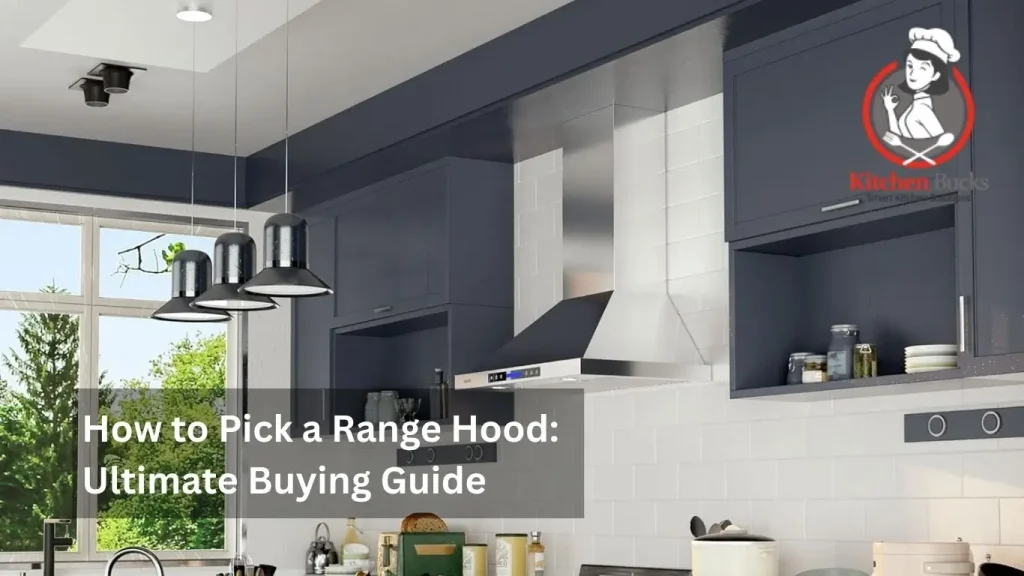
Are you tired of lingering cooking odors and a stuffy kitchen atmosphere? Choosing the right range hood can transform your cooking space, making it fresher and more enjoyable.
But with so many options available, how do you ensure you’re making the best choice for your home? The right range hood not only enhances your kitchen’s functionality but also adds to its aesthetic appeal. We’ll guide you through the essential factors to consider, so you can confidently select the perfect range hood that meets your needs and complements your style.
Let’s dive in and discover how you can make a smart investment in your kitchen’s comfort and appeal.
Types Of Range Hoods
Choosing the right range hood for your kitchen is more than just a matter of taste—it’s about functionality and efficiency. A good range hood not only enhances the aesthetic appeal of your kitchen but also plays a crucial role in maintaining air quality. But with so many types available, how do you know which one is right for you? Let’s dive into the various types of range hoods and explore their unique features.
Under Cabinet Hoods
Under cabinet hoods are popular for their space-saving design. They fit snugly beneath your kitchen cabinets, making them ideal for smaller kitchens. They’re efficient at venting out smoke and odors, especially in compact spaces. If you love a clean, streamlined look without sacrificing functionality, this might be your go-to choice.
Wall-mounted Hoods
Wall-mounted hoods make a statement, often serving as a central feature in kitchen design. These hoods are mounted directly on the wall above your stove. They work well in kitchens where the stove isn’t surrounded by cabinets. If you enjoy bold design elements, a wall-mounted hood can add that touch of drama and elegance to your space.
Island Hoods
Island hoods are perfect for kitchens with a central cooking area on an island. Suspended from the ceiling, they offer 360-degree coverage, ensuring effective ventilation. These hoods are not just functional; they add a sleek, modern feel to open-plan kitchens. Imagine cooking with no distractions, and all the smoke and steam whisked away effortlessly.
Downdraft Hoods
Downdraft hoods are an innovative solution for those who prefer a minimalistic look. Installed within the cooktop, they rise to vent when needed. They are perfect for kitchens with limited overhead space. Do you prefer a kitchen where appliances blend seamlessly into the design? Consider a downdraft hood for a hidden yet effective option.
Insert Hoods
Insert hoods offer flexibility in design, as they can be customized to match your cabinetry. They are installed within a custom-built enclosure or a decorative hood. This type is ideal for those who love personalized kitchen aesthetics without compromising on functionality. Could your kitchen benefit from a hint of luxury paired with practicality?
Choosing the right range hood is crucial for both style and function in your kitchen. Consider your kitchen layout, design preference, and ventilation needs to make the best choice. Which type of range hood speaks to your culinary and design aspirations?
Key Features To Consider
Choosing the right range hood involves understanding key features. Each feature impacts performance and user experience. Let’s explore these essential aspects.
Ventilation Power
Ventilation power is crucial for a range hood’s effectiveness. Measured in cubic feet per minute (CFM), it indicates how much air the hood can move. Higher CFM is suitable for heavy cooking. It ensures smoke and odors exit your kitchen swiftly. Match your cooking style with the right CFM.
Noise Levels
Consider noise levels when selecting a range hood. A quiet kitchen enhances cooking enjoyment. Noise is measured in sones. Lower sones mean quieter operation. Choose a hood that balances power and noise. Quiet hoods provide a peaceful cooking environment.
Filters And Maintenance
Filters are vital for trapping grease and particles. Metal mesh filters are easy to clean. Baffle filters are durable and efficient. Check if filters are dishwasher-safe. Regular cleaning ensures optimal performance. Maintenance keeps your hood functioning well.
Lighting Options
Good lighting improves cooking visibility. Range hoods offer various lighting options. LED lights are energy-efficient and long-lasting. Some hoods have adjustable brightness. Bright lights help you see your cooking clearly. Choose lights that suit your kitchen needs.
Control Systems
Control systems affect ease of use. Mechanical controls are simple and reliable. Touch controls offer a modern look. Some hoods have remote controls. Smart hoods connect to your devices. Choose controls that fit your preferences. Controls should be intuitive and accessible.
Size And Placement
Choosing the right range hood involves understanding size and placement. A well-sized range hood is crucial for efficient ventilation. Proper placement ensures smoke and odors get removed effectively. It also adds to your kitchen’s aesthetic appeal. Let’s explore how to measure your space, determine the optimal height, and find custom fit solutions.
Measuring Your Space
Start by measuring your cooking area. Width is key. Ensure the range hood is as wide as your cooktop. This catches smoke and steam effectively. Depth matters too. It should cover the front burners. Use a measuring tape for precise dimensions. Record these measurements for reference.
Optimal Height And Distance
Install the range hood at the right height. It should be 20 to 24 inches above an electric range. For gas ranges, 24 to 30 inches is ideal. This height ensures proper ventilation. It also keeps the hood accessible and safe. Check the manufacturer’s guidelines for specific models.
Custom Fit Solutions
Some kitchens need custom solutions. Unique layouts or designs might require tailored options. Consider a professional consultation. Custom hoods can match your kitchen’s design. They ensure functionality without compromising aesthetics. Explore materials and finishes for a seamless look.
Design And Style
Choosing the right range hood design and style is crucial. It complements your kitchen’s aesthetics and functionality. Whether you prefer a sleek modern look or a cozy traditional vibe, the options are vast. Explore how material, color, and design can transform your kitchen space.
Material Choices
Range hoods come in various materials. Stainless steel offers durability and a modern appeal. Copper adds warmth and character to traditional kitchens. Glass provides a contemporary touch with its sleek and clean lines. Consider your kitchen’s style when selecting a material.
Color And Finish Options
Colors and finishes play a significant role in design. Matte finishes create a subtle, understated look. Glossy finishes are eye-catching and modern. Neutral colors blend seamlessly with most interiors. Bold colors make a statement and add personality.
Modern Vs. Traditional Designs
Modern designs feature sleek lines and minimalistic elements. They fit well in contemporary kitchens. Traditional designs often include ornate detailing and classic shapes. These are ideal for rustic or vintage kitchen styles. Choose a design that aligns with your kitchen’s theme.
Budget Considerations
Choosing a range hood involves more than just style and function. Budget considerations play a crucial role in the decision-making process. Balancing costs with quality ensures you make the best investment for your kitchen. Explore the various factors influencing budget choices to make an informed decision.
Price Ranges
Range hoods vary widely in price. Basic models start around $100, offering essential features. Mid-range options cost between $300 and $800. These usually include better ventilation and modern designs. High-end models exceed $1,000, delivering premium materials and advanced technology. Determine your budget early to streamline your options.
Long-term Value
Consider the long-term value of your range hood. Durable models may cost more upfront but offer savings over time. Look for warranties and robust materials. Stainless steel and tempered glass are durable choices. Investing in quality ensures fewer replacements and repairs. Think of it as a long-term investment for your home.
Energy Efficiency
Energy-efficient range hoods can save money in the long run. Models with Energy Star ratings use less power. This reduces electricity bills. Efficient fans and LED lighting enhance savings further. Though they might have a higher initial cost, the savings add up over time. Choose wisely to benefit from energy savings.
Installation Tips
Choosing the right range hood is only half the battle. Correct installation ensures peak performance and safety. Whether you’re tackling the project yourself or hiring a pro, these tips help you make informed decisions.
Diy Vs. Professional Installation
Installing a range hood can be a rewarding DIY project. It saves money and offers a sense of accomplishment. Those with basic handyman skills and tools may find this option appealing. However, professional installation guarantees expertise. A trained technician ensures the hood fits perfectly and functions efficiently. If you lack confidence or time, consider hiring a professional.
Required Tools
Successful installation requires specific tools. Have a measuring tape ready to confirm dimensions. A drill and screwdriver are essential for securing the hood. Leveling tools ensure the hood is straight. A voltage tester checks electrical connections. These tools prepare you for a smooth installation process.
Common Challenges
Installation often presents challenges. Incorrect measurements lead to improper fit. Ensure careful and precise calculations. Electrical connections can be tricky. Incorrect wiring risks safety hazards. Venting issues affect hood performance. Verify that ducts are clear and correctly installed. Addressing these challenges ensures a successful setup.
Maintenance And Care
Choosing the right range hood involves understanding its maintenance needs. Regular cleaning ensures it works efficiently and lasts longer. Consider models with easy-to-clean filters and durable materials for hassle-free upkeep.
Choosing the right range hood is only half the battle; maintaining and caring for it is crucial to ensure it functions efficiently and lasts longer. A well-maintained range hood enhances your kitchen’s air quality by effectively removing smoke, odors, and grease. But how do you make sure yours stays in top shape? Let’s dive into the essential aspects of maintenance and care.
Cleaning Techniques
Cleaning your range hood regularly is a must. Grease and grime can build up quickly, affecting performance. Start by wiping down the exterior with a damp cloth and mild detergent. For the filters, some are dishwasher-safe, making it easy to clean them while you tackle other chores. If your filters aren’t dishwasher-friendly, soak them in hot soapy water and scrub gently. Consider how often you cook; frequent chefs might need to clean monthly, while occasional cooks could stretch it to every couple of months. What’s your cleaning routine like?
Regular Inspections
Regular inspections help you catch small issues before they become big problems. Check for loose screws, damaged components, or unusual noises. Don’t wait for a malfunction to remind you of maintenance. A simple visual inspection can reveal a lot. Does the light work properly? Are the buttons and controls responsive? Take a few minutes every month to ensure everything is in order. Have you ever found a problem during a routine check-up that saved you a headache later?
Troubleshooting Issues
Even with diligent care, problems can arise. If your range hood isn’t working, first check the power supply and circuit breaker. Sometimes, a simple reset solves the issue. If the fan doesn’t seem to be working well, it might be time to replace the motor or fan blades. Be sure to consult the manual or contact customer support for guidance. Have you ever faced a stubborn issue with your range hood that required professional help? Taking the time to care for your range hood not only saves money in repairs but also keeps your kitchen air clean and fresh. Your kitchen deserves nothing less than a fully functional range hood. Are you ready to give yours the attention it needs?
Frequently Asked Questions
How Do I Know What Range Hood To Buy?
Choose a range hood based on kitchen size, cooking habits, and ductwork compatibility. Consider the hood’s airflow capacity, noise level, and design. Check reviews and compare prices for the best option. Ensure it fits your kitchen aesthetics and meets ventilation needs effectively.
How Do I Choose A Rangehood?
Consider the kitchen size and choose an appropriately sized rangehood. Prioritize noise levels and energy efficiency. Select a style matching your kitchen decor. Ensure it has a strong air extraction rate. Check for easy maintenance features like removable filters.
How Many Cfm Do I Need For A Range Hood?
To determine the required CFM for a range hood, multiply the stove’s width by 100. For example, a 30-inch stove typically needs a 300 CFM range hood. For high-heat cooking or gas stoves, consider higher CFM ratings. Always check manufacturer recommendations for optimal ventilation.
Should A Range Hood Be The Same Size As A Cooktop?
A range hood should match or exceed the cooktop’s width for optimal ventilation. Ideally, it should extend 3 inches beyond each side of the cooktop. This ensures efficient capture of smoke and odors, enhancing kitchen air quality.
Conclusion
Choosing the right range hood enhances your kitchen’s functionality and style. Consider factors like size, power, and design when selecting. Remember to match the hood with your cooking needs and kitchen layout. Check noise levels for a comfortable cooking experience.
Look for energy-efficient models to save on bills. Prioritize easy maintenance for long-term use. Explore different styles to suit your taste. With these tips, you can find a hood that complements your kitchen perfectly. Enjoy a cleaner, fresher cooking space every day!