
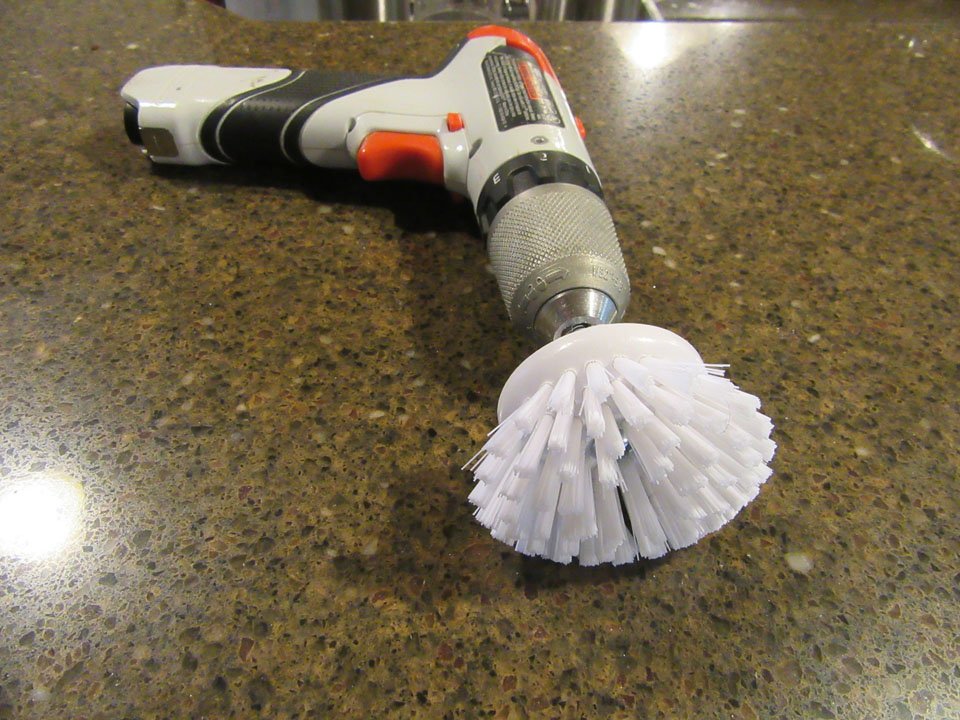
Are you tired of scrubbing away stubborn stains and grime, only to be left with aching arms and disappointing results? Imagine transforming your regular drill into a powerful cleaning tool that makes tough cleaning jobs a breeze.
Yes, you can ditch the elbow grease and let your drill do the hard work for you! In this guide, you’ll discover the simple steps to attach a scrub brush to your drill, turning it into an efficient cleaning machine.
Whether you’re tackling bathroom tiles, kitchen floors, or even your car’s interior, this easy hack will save you time and effort. Dive in to learn how to make cleaning faster, easier, and surprisingly satisfying. Your spotless surfaces are just a drill spin away!
Why Use A Drill For Scrubbing
Attach a scrub brush to your drill for powerful, efficient cleaning. This method saves time and effort. The drill’s rapid rotation boosts scrubbing performance, making it ideal for tough stains.
Using a drill for scrubbing might seem unconventional at first, but it offers a powerful twist to your cleaning routine. Imagine the tedious task of scrubbing away stubborn grime, only to realize a tool you already own can make it so much easier. By attaching a scrub brush to your drill, you harness its speed and power, turning it into an efficient cleaning machine.Benefits Of Drill-powered Scrubbing
Drill-powered scrubbing saves you time and energy. Unlike manual scrubbing, it reduces the physical effort required, allowing you to tackle tough stains with ease. The consistent speed of the drill ensures even cleaning, which can be particularly useful for large or challenging surfaces. This method can extend the life of your cleaning tools since the drill takes on most of the heavy lifting.Applications For Drill Scrubbing
You might wonder where exactly you can use a drill for scrubbing. The answer is almost anywhere. From grout lines in your bathroom to the tires on your car, the applications are numerous. Think about cleaning your kitchen tiles or outdoor patio furniture; the drill can reach into those hard-to-clean crevices effortlessly. It’s not just about convenience—using a drill can lead to a deeper clean, making it a versatile addition to your cleaning arsenal.
Credit: www.amazon.com
Choosing The Right Drill
Choosing the right drill is crucial when it comes to transforming your power tool into a scrubbing dynamo. This decision can make a significant difference in the efficiency and effectiveness of your cleaning task. Whether you’re tackling a grimy bathroom or polishing up your patio furniture, the right drill can save time and effort, ensuring you achieve sparkling results with ease.
Types Of Drills Suitable For Scrubbing
Not all drills are created equal, especially when it comes to scrubbing. Cordless drills are often a popular choice due to their mobility and ease of use. They allow you to move freely without worrying about a tangled cord.
However, if you’re dealing with a particularly stubborn mess, a corded drill might be the better option. These drills typically offer more power, which can be beneficial for tougher scrubbing tasks. Remember to consider the drill’s weight as well, as lighter models can reduce fatigue during extended cleaning sessions.
Drill Features To Consider
When choosing a drill for scrubbing, there are several features to keep in mind. Look for a drill with variable speed settings. This allows you to adjust the power to suit the task at hand, from gentle cleaning to more vigorous scrubbing.
Consider the chuck size, too. A standard 3/8 inch chuck is versatile enough to fit most scrub brush attachments. Additionally, opt for a drill with a comfortable grip. A good grip ensures better control and less strain on your hands, especially during prolonged use.
Battery life is another critical factor for cordless drills. A long-lasting battery ensures uninterrupted cleaning, which can be a game-changer if you’re tackling a larger area. Lastly, think about the drill’s durability—investing in a reliable, high-quality drill can save you money and hassle in the long run.
Selecting The Perfect Scrub Brush
Attach the scrub brush securely to the drill using an appropriate drill bit adapter. Ensure the brush fits snugly to prevent wobbling during use. Adjust the drill’s speed setting for optimal scrubbing power on various surfaces.
Selecting the Perfect Scrub Brush Attaching a scrub brush to a drill transforms cleaning tasks. Choosing the right brush is crucial. It impacts cleaning efficiency and surface safety. Consider brush material and size for optimal results.Brush Material Options
Different materials suit various surfaces. Nylon brushes are versatile and gentle. They’re great for delicate surfaces like glass and tile. Wire brushes tackle tough grime on metal surfaces. They offer aggressive scrubbing power. Natural bristle brushes clean wooden surfaces gently. They maintain the wood’s finish.Size And Shape Considerations
Brush size affects cleaning speed and precision. Larger brushes cover more area quickly. They’re ideal for floors and large surfaces. Smaller brushes fit tight spaces, providing detailed cleaning. Round brushes adapt well to curved surfaces. Flat brushes work better on straight edges. Pick the right shape for your task.
Credit: www.ebay.co.uk
Preparing Your Drill And Brush
Transforming your drill into a cleaning powerhouse is simple. Begin with proper preparation. This ensures your drill and brush perform optimally. Start by checking compatibility and securely attaching the brush. This will make cleaning tasks efficient and effective.
Checking Drill Compatibility
Ensure your drill fits the brush attachment. Not all drills work with brush attachments. Inspect the drill’s chuck size. Most brushes fit standard chucks. Measure the chuck to confirm. Check the drill’s speed settings. Variable speed drills offer better control. Consider the drill’s power source. Cordless drills provide flexibility.
Attaching The Brush To The Drill
Gather your brush attachment and drill. Ensure both are clean and dry. Insert the brush shank into the drill chuck. Tighten the chuck securely. Use the drill’s key if needed. Turn the drill on slowly. Ensure the brush spins without wobbling. Test the brush on a small surface. Adjust speed for optimal cleaning.
Safety Tips For Diy Scrubbing
Using a drill with a scrub brush can speed up cleaning tasks. It adds extra power to remove stubborn dirt. Yet, safety should be your top priority. Proper precautions prevent accidents and ensure effective results. Here are some safety tips for DIY scrubbing.
Protective Gear And Precautions
- Wear safety goggles to protect your eyes from debris.
- Use gloves to avoid contact with harsh cleaning chemicals.
- Ensure your workspace is well-lit and clear of obstacles.
- Check your drill’s speed settings before starting.
- Keep hair and clothing away from moving parts.
Avoiding Common Mistakes
- Do not use excessive force, which can damage surfaces.
- Ensure the brush is securely attached to the drill.
- Avoid using the drill in wet conditions to prevent electric shock.
- Start at a low speed to control the brush’s movement.
- Test the brush on a small area first to avoid scratches.

Credit: www.amazon.com
Effective Scrubbing Techniques
Attach the scrub brush to the drill by aligning it with the drill’s chuck. Secure it tightly by twisting the chuck clockwise. This setup turns your drill into a powerful cleaning tool for various surfaces.
Effective scrubbing techniques can transform your cleaning routine. Using a drill-powered scrub brush efficiently saves time and effort. It ensures surfaces shine without unnecessary strain. By mastering a few techniques, you can achieve better results. Understanding speed, pressure, and target areas is essential.Optimal Speed And Pressure
Selecting the right speed is crucial. Fast speeds might seem effective. But they can splash water or damage delicate surfaces. Start at a low speed. Gradually increase if needed. Pressure is equally important. Too much can scratch surfaces. Gentle pressure works best. Let the brush do the work. Hold it steadily and move slowly over the surface.Targeting Specific Areas
Different areas require different approaches. Corners and edges often gather more dirt. Use the brush’s edge for these spots. Apply a bit more pressure for stubborn stains. Flat surfaces are easier. Use circular motions to clean them. For grout lines, use a narrow brush attachment. This ensures thorough cleaning without missing spots.Maintenance And Care
Fit the scrub brush securely onto the drill by aligning it with the drill’s chuck. Tighten the chuck until the brush is firmly attached. Ensure the brush spins smoothly before using for cleaning tasks.
Proper maintenance and care of your drill and scrub brush can extend their life and efficiency. By taking simple steps to keep your tools in top shape, you can ensure they’re always ready for the next cleaning task. Let’s dive into how you can maintain and care for your drill and scrub brush effectively.Cleaning The Drill And Brush
Regular cleaning is essential. After each use, wipe down the drill with a damp cloth to remove dust and debris. This prevents buildup that could affect performance. For the scrub brush, rinse it under warm water immediately after use. This helps to remove any remaining dirt or cleaning agents trapped in the bristles. Let the brush air dry completely to avoid mold and bacteria growth. Do you often forget to clean your tools? Setting a routine, like cleaning after every use, can make it a habit. These few minutes can save you from bigger issues later on.Storing Equipment Properly
Proper storage is just as crucial as cleaning. Store your drill in a dry place to protect it from rust and moisture. A toolbox or a dedicated shelf can keep your drill safe and organized. For the scrub brush, keep it in an upright position to allow air circulation around the bristles. This prevents deformation and prolongs its life. Consider the last time you misplaced a tool. Keeping everything in its designated spot saves time and frustration the next time you need it. Plus, it helps you avoid unnecessary wear and tear.Frequently Asked Questions
Can You Put A Drillbrush On Any Drill?
Yes, you can attach a Drillbrush to most standard drills. Ensure the drill has a compatible chuck size. Drillbrushes typically fit cordless drills with adjustable speed settings, enhancing cleaning efficiency. Always follow safety guidelines while using power tools.
How To Make A Drillbrush Attachment?
To make a Drillbrush attachment, gather a brush head and drill bit. Connect the brush to the drill bit securely. Use strong adhesive or screws if necessary. Attach the assembly to your drill. Ensure it is tightly secured before using.
This DIY tool helps with efficient cleaning tasks.
How To Attach An Attachment To A Drill?
To attach an attachment to a drill, first unplug it. Select the right bit, loosen the chuck, insert the bit, and tighten the chuck securely. Test by running the drill briefly to ensure proper attachment. Always follow the drill’s manual for specific instructions and safety guidelines.
How To Change Brushes On Drill?
Remove the drill’s casing, locate the brushes, and unscrew them. Replace with new brushes, ensuring proper alignment.
Conclusion
Using a drill with a scrub brush saves time and effort. You get cleaner surfaces faster. It’s easy to attach the brush. Just follow the steps carefully. This method suits many cleaning tasks. From floors to tiles and more. Make sure the brush fits your drill properly.
Always check safety instructions first. This DIY hack makes cleaning less of a chore. Try it today for quicker, effective results. You’ll wonder why you didn’t try it sooner. Keep your home sparkling with ease. Enjoy your fresh, clean spaces.
