
Have you noticed a leak or clog under your kitchen sink? Replacing the pipes might seem like a tough job, but it doesn’t have to be.
With the right steps, you can fix the problem quickly and save money on expensive repairs. In this guide, you’ll learn exactly how to replace the pipes under your kitchen sink, even if you have little to no experience. Keep reading, and soon you’ll have a leak-free sink that works like new.
Tools And Materials Needed
Replacing the pipes under a kitchen sink requires the right tools and materials. Having everything ready makes the job faster and safer. Missing tools can cause delays or damage. Prepare all items before starting the project.
Essential Tools
- Adjustable wrench for loosening and tightening nuts
- Pipe wrench to grip and turn pipes securely
- Bucket to catch water from old pipes
- Pipe cutter or hacksaw for cutting pipes to size
- Plumber’s tape (Teflon tape) to seal threaded connections
- Slip-joint pliers for gripping different pipe parts
- Screwdriver to remove or tighten clamps and brackets
- Flashlight to see under the sink clearly
Choosing Replacement Pipes
Select pipes based on your sink’s plumbing type and size. Common materials include:
- PVC:Lightweight and easy to cut. Good for drain pipes.
- ABS:Strong and resistant to chemicals. Used in drains.
- Copper:Durable and corrosion-resistant. Used for water supply.
- PEX:Flexible and easy to install. Popular for water lines.
Measure the old pipes carefully to get the correct diameter and length.
Additional Supplies
- Pipe fittings like elbows, couplings, and tees for connections
- Pipe straps or clamps to secure pipes in place
- Plumber’s putty or sealant to prevent leaks
- Rags or towels to clean spills and dry surfaces
- Safety gloves to protect your hands from sharp edges
- Bucket or container to hold removed parts

Credit: www.diychatroom.com
Preparing The Workspace
Preparing the workspace is a key part of replacing the pipes under a kitchen sink. It helps avoid damage and makes the job easier. A clean and organized area speeds up the repair and keeps tools handy. Take time to set up before starting to work on the pipes.
Clearing The Area
Remove all items stored under the sink. Clear the space completely to have room to work. Take out cleaning supplies, trash bins, and other clutter. This prevents accidents and protects your belongings from water damage. Use a cloth to wipe the cabinet floor clean.
Turning Off Water Supply
Locate the water shut-off valves under the sink. Turn both the hot and cold water valves clockwise until tight. This stops water flow to the pipes you will replace. Open the faucet to drain any remaining water in the lines. Keep a bucket nearby to catch drips during the process.
Protecting Cabinets And Flooring
Place old towels or a plastic sheet on the cabinet floor. This protects wood from water spills and scratches. Use painter’s tape to cover edges if needed. Lay down a tarp or newspapers on the floor below the sink area. This prevents water stains and eases cleanup after the job.
Removing Old Pipes
Removing old pipes under your kitchen sink is a crucial step before installing new plumbing. It requires careful attention to avoid damage and ensure a smooth replacement. If you’ve ever faced a stubborn pipe or unexpected leak, you know how important it is to handle this stage properly.
Disconnecting Drain Pipes
Start by turning off the water supply to prevent any spills. Use a bucket to catch any remaining water in the pipes. Carefully loosen the slip nuts connecting the drain pipes; these can often be turned by hand, but a wrench may be needed if they’re tight.
Be gentle to avoid cracking old plastic or stripping metal threads. If the pipes are glued or sealed, you might need to cut them with a pipe cutter or hacksaw. Have your tools ready and work slowly—rushing can lead to damaging other plumbing parts.
Handling Traps And Fittings
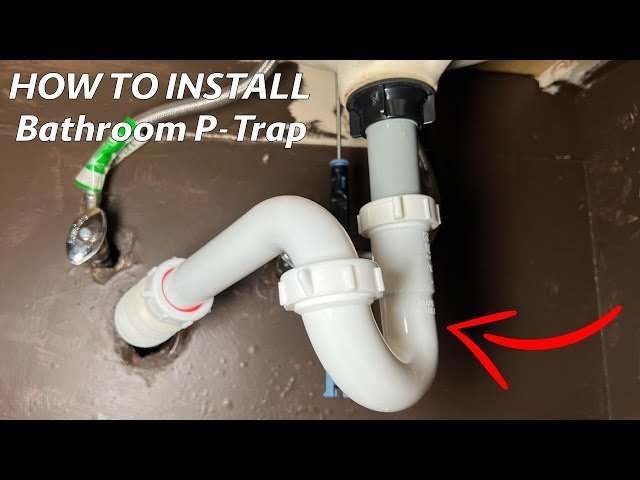
The P-trap, that curved pipe under your sink, often holds trapped water. Before disconnecting it, place a bucket underneath to catch any spills. Remove the trap by loosening the slip nuts on both ends.
Inspect washers and fittings as you go; many leaks come from worn-out seals. If parts seem rusted or stuck, apply a penetrating lubricant and give it time to work. This extra patience can save you from breaking pipes or fittings.
Inspecting Pipe Condition
Once removed, examine the pipes closely for cracks, corrosion, or buildup. Old metal pipes might show signs of rust, while plastic pipes can become brittle over time. Identifying these issues helps you decide if you need to replace just the pipes or also the fittings and connectors.
Have you noticed any discoloration or mineral deposits? These signs often indicate underlying water quality problems or leaks. Addressing these early can prevent repeated plumbing issues and save you money in the long run.

Credit: www.reddit.com
Installing New Pipes
Installing new pipes under your kitchen sink can seem challenging, but breaking down the process makes it manageable. You’ll need to focus on three key areas: measuring and cutting pipes, fitting pipes and joints, and securing connections. Each step ensures your plumbing is leak-free and durable.
Measuring And Cutting Pipes
Start by measuring the length of the pipe you need. Always measure twice to avoid mistakes that waste materials or cause leaks.
Use a pipe cutter or a hacksaw to make clean, straight cuts. Rough edges can cause poor seals, so smooth them with sandpaper or a deburring tool.
Ask yourself: Have you accounted for the space needed for joints and fittings? Allow some extra length to make sure everything fits comfortably.
Fitting Pipes And Joints
Dry-fit the pipes and joints first without glue or tape. This helps you confirm the alignment and spacing before making permanent connections.
Use the right type of fittings for your pipe material—PVC, copper, or PEX all require different connectors. Matching materials ensures a strong, leak-proof fit.
Don’t rush this step. Take your time to check that each joint fits snugly and aligns with the sink drain and waste pipe.
Securing Connections
For PVC pipes, apply primer and cement carefully to both the pipe and fitting, then join them quickly. Hold the pieces together for about 30 seconds to set the bond.
With metal pipes, use plumber’s tape around threaded joints before screwing them together. This prevents leaks and makes future repairs easier.
Once all connections are secure, test for leaks by running water through the system. Can you feel confident that no drips will appear later?
Testing The New Setup
After replacing the pipes under your kitchen sink, it’s crucial to test the new setup thoroughly. This ensures everything is working properly and prevents future water damage. Skipping this step can lead to costly repairs down the line, so take your time to check every detail carefully.
Restoring Water Supply
Start by turning the water supply back on slowly. Open both the hot and cold water valves under the sink to let water flow through the new pipes. Pay attention to any unusual sounds like hissing or dripping as the water starts moving.
Turn on the faucet and let the water run for a minute or two. This helps clear any air trapped in the pipes and confirms that water is flowing smoothly. Did you hear any strange noises or notice slow drainage? These could be signs of an issue that needs fixing.
Checking For Leaks
Use a dry cloth or paper towel to wipe all the pipe joints and connections. Look closely for any signs of moisture or water droplets forming. Even small leaks can cause big problems over time, so don’t ignore tiny drips.
Another good trick is to place a dry piece of cardboard or paper under the pipes for a few minutes. Check if it gets wet—this can reveal slow leaks you might otherwise miss. Have you ever spotted a leak only after water damage appeared? Catching it early saves headaches.
Making Adjustments
If you spot leaks or hear unusual noises, it’s time to make adjustments. Tighten the pipe connections gently but firmly using a wrench, being careful not to overtighten. Sometimes a loose slip nut or a misaligned pipe is the simple cause.
Check that all washers and seals are seated properly. Replacing a worn washer might stop a persistent drip. Does the water flow feel uneven? Adjusting the angle of the pipes or trap can improve drainage and prevent clogs.
Testing your new kitchen sink pipes is a straightforward task, but it demands attention to detail. Are you ready to tackle these checks and ensure your plumbing works perfectly?
Common Issues And Fixes
Replacing pipes under your kitchen sink can bring up a few common issues that might slow you down or cause frustration. Knowing how to spot and fix these problems quickly can save you time and money. Let’s look at some typical challenges and practical solutions to keep your plumbing in top shape.
Dealing With Leaks
Leaks often occur where pipes connect or at joints. Check all connections carefully after installation and tighten any loose fittings. If you spot water dripping, try wrapping the joint with plumber’s tape before tightening again—it creates a better seal.
Sometimes, cracks in the pipes cause leaks. Plastic pipes can develop hairline fractures over time. Replacing the damaged section is usually the best fix. Have you noticed water pooling under your sink without an obvious source? It might be a tiny crack hidden from view.
Addressing Alignment Problems
Pipes that don’t line up correctly can cause stress on joints and lead to leaks. Before tightening, make sure the pipes fit together smoothly without forcing them. Adjust the positioning of the pipes or use flexible connectors to bridge small gaps.
Misaligned pipes can also block water flow, causing slow drainage. If you feel resistance when connecting pipes, double-check their orientation. Have you ever struggled with pipes that just wouldn’t sit right? Sometimes loosening the fittings and repositioning the pipes by a fraction of an inch makes all the difference.
Preventing Future Clogs
Clogs often result from food scraps, grease, and soap buildup. Installing a drain strainer helps catch debris before it enters the pipes. Regularly flushing the drain with hot water and a little baking soda can keep grease from solidifying.
Be mindful of what goes down your drain. Avoid pouring grease or coffee grounds into the sink. These substances stick to the inside of pipes and create blockages over time. Think about your daily kitchen habits—could small changes prevent bigger plumbing headaches later?

Credit: www.reddit.com
Frequently Asked Questions
How Do I Know When To Replace Kitchen Sink Pipes?
Look for leaks, rust, or slow drainage as signs. Frequent clogs or foul odors also indicate pipe issues needing replacement.
What Tools Are Needed To Replace Kitchen Sink Pipes?
You need a pipe wrench, pliers, plumber’s tape, bucket, and replacement pipes. A screwdriver and adjustable wrench may also help.
How Long Does It Take To Replace Sink Pipes?
Typically, it takes 1 to 2 hours depending on your experience and pipe complexity. Preparation and cleanup add extra time.
Can I Replace Kitchen Sink Pipes Myself Safely?
Yes, with basic plumbing knowledge and proper tools, you can safely replace pipes. Always turn off water supply before starting.
Conclusion
Replacing pipes under a kitchen sink is a simple task anyone can try. Take your time and follow the steps carefully. Use the right tools and check for leaks after finishing. Safety matters, so turn off the water before starting.
Fixing pipes can save money and avoid bigger problems later. Don’t rush, and ask for help if unsure. With patience, you can keep your kitchen working well. Small repairs like this keep your home safe and dry. A little effort goes a long way.
Hi, I’m Daniel Harper, a senior editor here at KitchenBucks.com. For over 10 years, I’ve been exploring kitchen gadgets and appliances to help people find tools that truly add value without breaking the bank. I love simplifying product choices so you can focus more on cooking and less on worrying about what to buy. When I’m not reviewing the latest gadgets, you’ll usually find me experimenting with coffee brewing or firing up the grill for a weekend barbecue.