
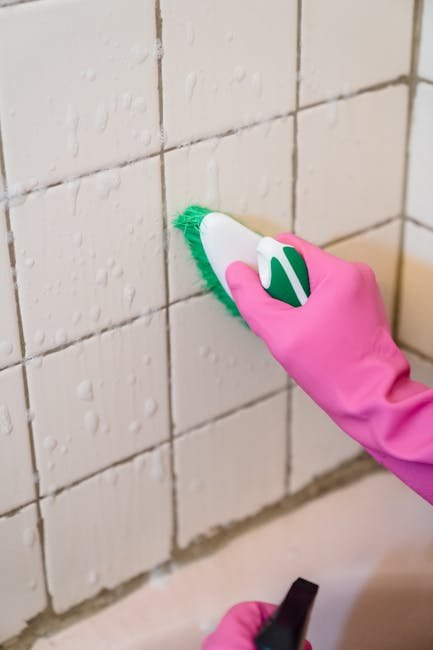
Have you ever wondered if you’re really getting the most out of your cleaning routine? The secret might just be in how you use your scrub brush.
This humble tool, often overlooked, can transform your cleaning tasks from a tiresome chore into a surprisingly satisfying experience. Imagine gliding effortlessly through your cleaning list, leaving behind sparkling surfaces and fresh spaces. It’s not just about scrubbing harder—it’s about scrubbing smarter.
In this guide, you’ll discover simple yet powerful techniques to harness the true potential of your scrub brush. You’ll learn how to tackle tough stains, reach tricky corners, and make your cleaning time more efficient and enjoyable. Ready to revolutionize your cleaning game? Let’s dive into the art of using a scrub brush effectively.
Choosing The Right Scrub Brush
Choosing the right scrub brush can make all the difference in achieving the cleanliness you desire. The variety of scrub brushes available can be overwhelming, yet understanding what each type offers can simplify your choice. From different types to the materials they’re made of, each aspect plays a crucial role in your cleaning experience.
Types Of Scrub Brushes
Scrub brushes come in various types designed for specific tasks. You may find handheld brushes ideal for small, precise areas, perfect for scrubbing away stubborn grime in tight spaces. Long-handled brushes, on the other hand, are great for reaching high places or cleaning floors without straining your back.
Consider electric scrub brushes for an added boost in cleaning power, especially useful for tackling tough stains with less effort. If you often clean delicate surfaces, a soft-bristled brush might be your best ally, preventing scratches while still effectively removing dirt.
Materials And Durability
The material of your scrub brush impacts both its durability and effectiveness. Nylon bristles are popular for their resilience and suitability across different surfaces. For eco-conscious choices, bamboo handles paired with natural bristles offer a sustainable option without compromising on strength.
Plastic brushes are lightweight and water-resistant, making them a practical choice for wet environments. Consider the longevity of your brush; investing in a high-quality material can save you money and effort in the long run.
Size And Shape Considerations
The size and shape of a scrub brush can significantly affect its usability. A compact brush can maneuver easily around fixtures and corners, ideal for bathroom or kitchen sinks. Larger brushes cover more area and can speed up cleaning time for floors or large surfaces.
Think about the ergonomics of the brush handle—does it fit comfortably in your hand? An ergonomic design can reduce fatigue and improve efficiency, making your cleaning tasks less of a chore. Have you ever struggled with a tool that just didn’t feel right? Choosing the right size and shape can make all the difference in your cleaning routine.
With these insights, you’re better equipped to select a scrub brush that fits your cleaning needs perfectly. What kind of scrub brush do you think would transform your cleaning routine?

Credit: beldray.com
Preparing For Cleaning
For effective cleaning, choose a scrub brush suitable for your surface. Wet the brush and apply a cleaning solution. Use firm, circular motions to lift dirt and grime. Rinse the area thoroughly after scrubbing to ensure all residue is removed.
Preparing for Cleaning Cleaning can be a breeze if you plan ahead. Before you dive into scrubbing, setting the stage is crucial. Let’s explore how to get ready for a cleaning session that’s efficient and safe.Gathering Necessary Supplies
First things first, assemble your cleaning toolkit. A sturdy scrub brush is your primary weapon, but you’ll also need other supplies. Grab some cleaning solution, a bucket, and a pair of gloves. Make sure everything is within arm’s reach. There’s nothing worse than needing to pause midway because you forgot something.Pre-cleaning Techniques
Before you start scrubbing, assess the area. Is it dusty or sticky? A quick pre-clean with a vacuum or a mop can save you time later. Consider tackling tough spots with a spot cleaner. This simple step can make your brush work much easier. Do you have any stubborn stains? Pre-soaking might be your best friend. It allows cleaning solutions to penetrate and break down grime effectively.Safety Precautions
Safety should never be an afterthought. Wear gloves to protect your skin from harsh chemicals. If you’re using strong cleaning agents, ensure the room is well-ventilated. Check for any slippery surfaces to avoid accidents. If you have sensitive skin or allergies, use hypoallergenic products. Are you prepared for unexpected spills? Keep a towel nearby for quick clean-ups. With these precautions, you can focus on cleaning without worry.Effective Scrubbing Techniques
Effective scrubbing can make a world of difference in cleaning tasks. It’s not just about elbow grease; it’s about technique. Knowing how to use a scrub brush properly can save you time and effort, while ensuring a sparkling finish.
Circular Motion Scrubbing
Using circular motions can help dislodge dirt from surfaces more effectively. This technique works well on surfaces that aren’t flat, such as tiles or textured walls. Try using circular motion when cleaning your bathroom tiles for a thorough clean.
Back-and-forth Scrubbing
Back-and-forth scrubbing is perfect for large flat surfaces. It covers more area quickly and is great for things like floors and countertops. Just imagine the satisfying swoosh of the brush as it glides across your kitchen floor.
Pressure Application
Applying the right amount of pressure is crucial. Too much pressure can damage surfaces, while too little may not clean effectively. Experiment to find the right balance, especially on delicate surfaces like wood or laminate.
Have you ever noticed how much cleaner things get when you use the right technique? Try these methods and see the difference it makes in your cleaning routine.
Targeting Different Surfaces
Scrub brushes are your go-to tools for tackling dirt and grime on various surfaces. But did you know that different surfaces require different techniques? Understanding how to target each surface effectively can save you time and effort, while ensuring that you don’t cause damage. Let’s dive into the specifics of scrubbing tiles, wood, metal, and glass.
Scrubbing Tiles And Grout
Tiles and grout can harbor stubborn stains and mold. A stiff-bristled brush works wonders here. Focus on small, circular motions to lift dirt effectively.
Mix a solution of warm water and vinegar for a natural cleaning boost. Alternatively, use a grout-specific cleaner for tougher stains.
Have you noticed how grout can change color when clean? It’s like unveiling a brand-new floor!
Cleaning Wooden Surfaces
Wood requires gentle care to avoid scratches. Opt for a soft-bristled brush to prevent damage.
Use a mild soap solution and avoid excess water, as wood can warp. Wipe dry immediately after scrubbing.
Imagine the satisfaction of seeing your wooden furniture shine without a single scratch!
Handling Metal And Glass
Metal and glass surfaces need a delicate approach. A non-abrasive brush is essential to avoid scratches.
For metal, a mixture of water and baking soda can help remove tarnish. On glass, a simple dish soap solution works wonders.
Have you ever tried cleaning glass with a brush? The streak-free shine is simply rewarding!
Which surface challenges you the most? With the right brush and technique, you can conquer any cleaning task effortlessly.
Maintaining Your Scrub Brush
Proper care keeps your scrub brush effective. Rinse it well after each use to remove dirt. Store it in a dry place to prevent bacteria growth. Regular cleaning extends its lifespan and ensures better performance in future cleaning tasks.
Maintaining your scrub brush ensures it lasts longer and remains effective. Proper care can prevent bacteria build-up and wear. This section outlines practical tips for keeping your scrub brush in top condition.Cleaning And Storing The Brush
Clean the brush after each use. Rinse it thoroughly under hot water. Remove any debris trapped in the bristles. Use a mild detergent to wash away grime. Shake off excess water. Allow it to air dry completely. Store the brush in a dry area. Ensure it is upright to prevent moisture buildup. This reduces the risk of mold and bacteria.Replacing Worn Brushes
Inspect the brush regularly for signs of wear. Frayed bristles indicate it’s time for a replacement. Worn-out brushes clean less effectively. They may also harbor bacteria. Replace the brush every few months. This keeps your cleaning routine efficient and hygienic.Extending Brush Longevity
Use the brush as intended to avoid damage. Apply moderate pressure during use. Excessive force can bend or break bristles. Avoid using the brush on sharp surfaces. This prevents unnecessary wear. By using these tips, you ensure your scrub brush serves you well over time.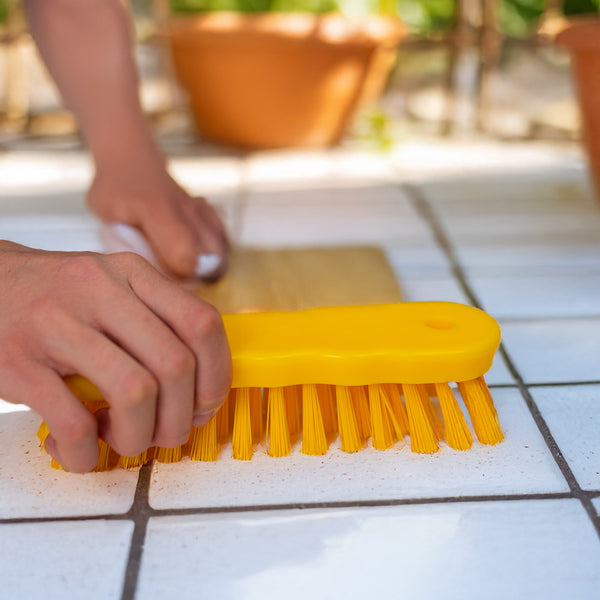
Credit: www.thebrushandbroom.co.uk
Eco-friendly Scrubbing Options
Choose natural fiber scrub brushes for eco-friendly cleaning. Wet the brush and apply soap to surfaces. Scrub gently in circular motions to remove dirt effectively. Rinse thoroughly to keep the brush clean and ready for next use.
Eco-friendly scrubbing options are gaining popularity for home cleaning. People want to reduce their environmental impact. Choosing sustainable tools is a great start. Scrub brushes can be eco-friendly with the right choices. Here are some tips for green cleaning.Natural Cleaning Solutions
Using natural ingredients can be effective and safe. Vinegar, baking soda, and lemon are excellent choices. They clean well and don’t harm the environment. Mix vinegar and water for a multipurpose cleaner. For tough stains, sprinkle baking soda. Then scrub with your brush. Lemon juice can fight grease and leave a fresh scent. These solutions reduce chemical use in your home.Sustainable Brush Materials
Choose brushes made from renewable materials. Bamboo is a great option. It grows quickly and is biodegradable. Coconut fibers also make good bristles. They are strong and durable. Avoid plastic handles and bristles. They end up in landfills and oceans. Look for brushes with recycled or upcycled materials. This choice supports a cleaner planet.Reducing Waste In Cleaning
Minimize waste by using reusable cleaning tools. Washable scrub pads last longer than disposable ones. Repair your brush if it breaks. Don’t throw it away. If a part wears out, try to replace it. Compost wooden and natural fiber brushes at the end of their life. This keeps them out of landfills. Small changes in cleaning habits help reduce waste.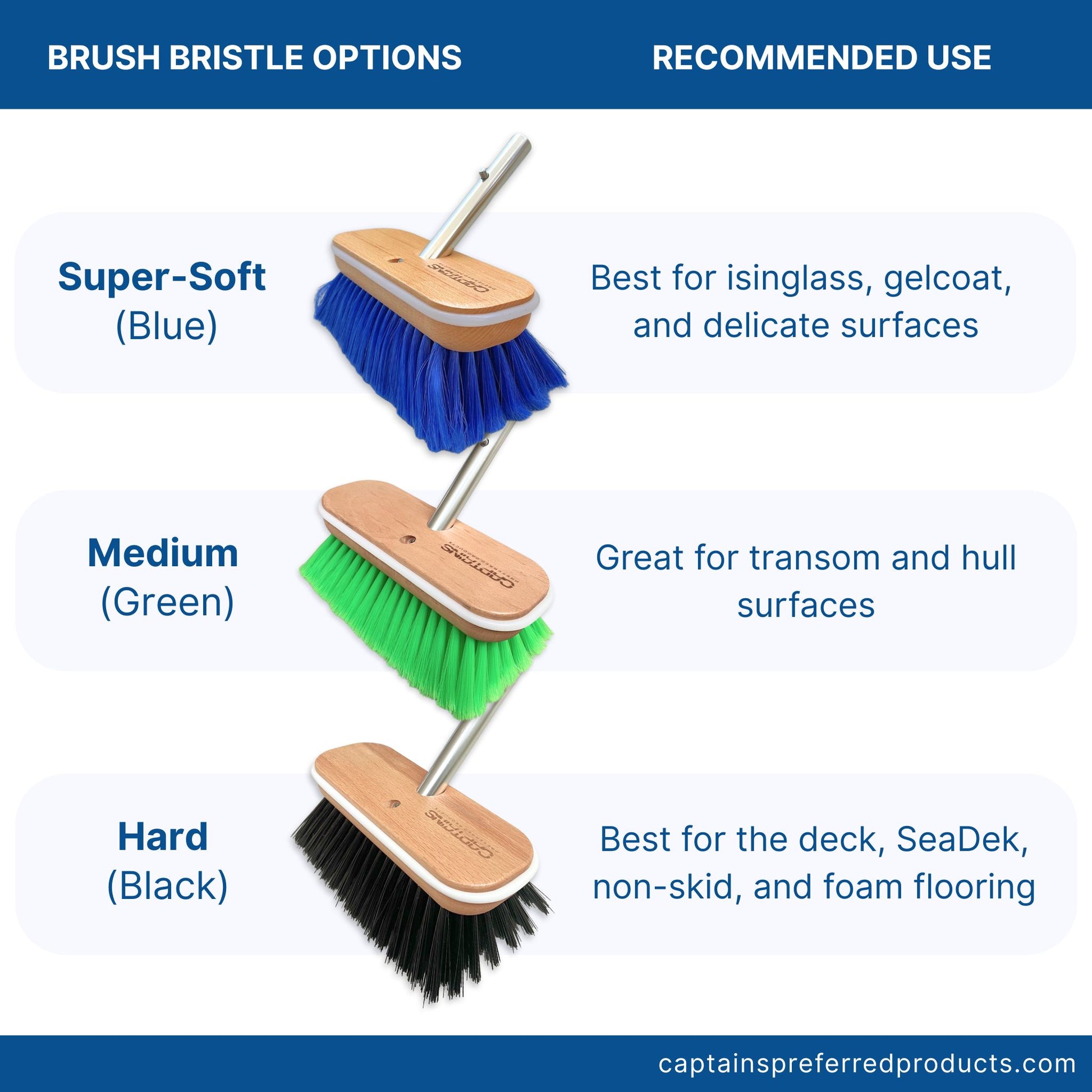
Credit: captainspreferredproducts.com
Frequently Asked Questions
How To Use A Scrubbing Brush?
Wet the surface and apply soap or cleaner. Hold the scrubbing brush firmly. Use circular or back-and-forth motions. Rinse the area with water after scrubbing. Dry the surface with a clean cloth.
How To Properly Use An Exfoliating Brush?
Gently wet your skin and the brush before use. Apply a cleanser or exfoliant to the brush. Use circular motions on your skin for 1-2 minutes. Rinse both your skin and the brush thoroughly after use. Use the brush 2-3 times a week for best results.
How To Use A Scrub Brush For Hair?
Wet your hair thoroughly. Apply shampoo and use the scrub brush in circular motions on the scalp. Rinse hair well. Use the brush 2-3 times a week for best results.
What Are Scrub Brushes For?
Scrub brushes are essential tools for cleaning surfaces. They remove dirt, grime, and stains effectively. Use them on floors, tiles, and kitchen surfaces for thorough cleaning. Their sturdy bristles ensure efficient scrubbing action. Choose the right scrub brush for specific cleaning tasks to achieve optimal results.
Conclusion
Using a scrub brush can make cleaning simpler and more efficient. Remember to pick the right brush for the task at hand. Wet the surface before you start scrubbing. Apply gentle pressure to protect delicate surfaces. Rinse thoroughly after cleaning to remove any residue.
Regular maintenance keeps your brush in good condition. Store it in a dry place to avoid mold. With these tips, your scrub brush becomes an effective cleaning tool. Keep practicing to improve your technique. Clean smartly and enjoy a tidier space.
