
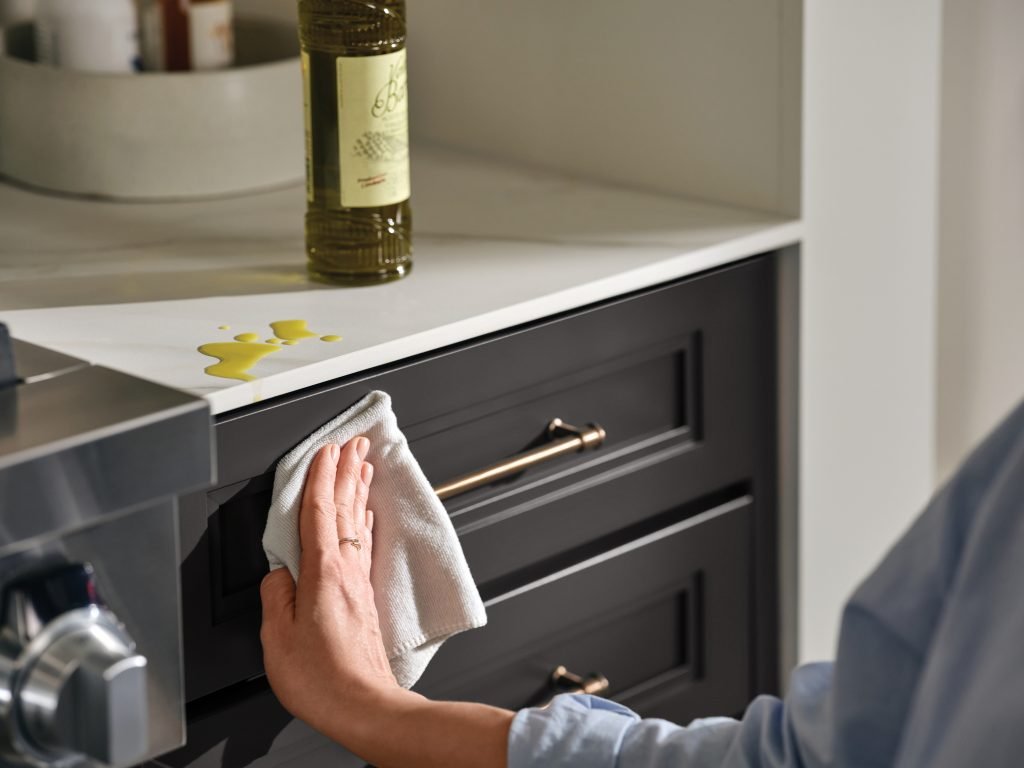
Imagine walking into your kitchen, the heart of your home, and seeing pristine, gleaming cabinets. Sounds dreamy, right?
But let’s face it, keeping those cabinets clean can be a bit of a challenge. Grease splatters, fingerprints, and everyday grime can easily dull their shine. So, how can you restore that fresh, inviting look without spending hours scrubbing away?
In this guide, you’ll discover simple yet effective techniques to wipe your kitchen cabinets clean, making them look as good as new. You’ll learn the secrets to achieving that spotless finish with minimal effort, leaving you more time to enjoy your beautiful kitchen. Ready to unlock the magic of clean cabinets? Let’s dive in!
Credit: www.aosom.com
Choosing The Right Cleaning Supplies
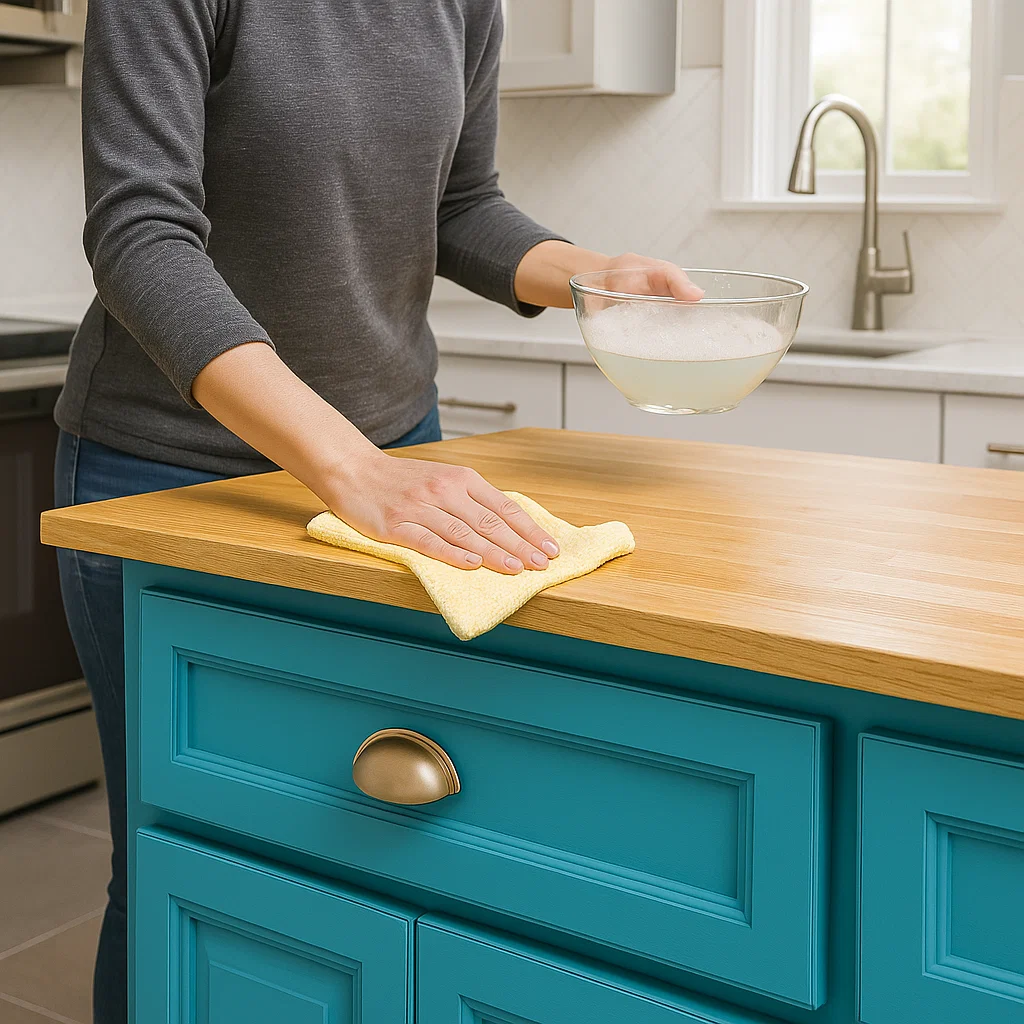
Selecting effective cleaning supplies ensures sparkling kitchen cabinets. Opt for gentle, non-abrasive cleaners to avoid damage. Use a soft cloth or sponge for best results.
Choosing the right cleaning supplies for your kitchen cabinets can make all the difference in maintaining their shine and longevity. The wrong products can lead to damage, discoloration, or even a sticky residue. To ensure your cabinets remain pristine, it’s crucial to select the right tools and cleaners for the job.Essential Tools For Cabinet Cleaning
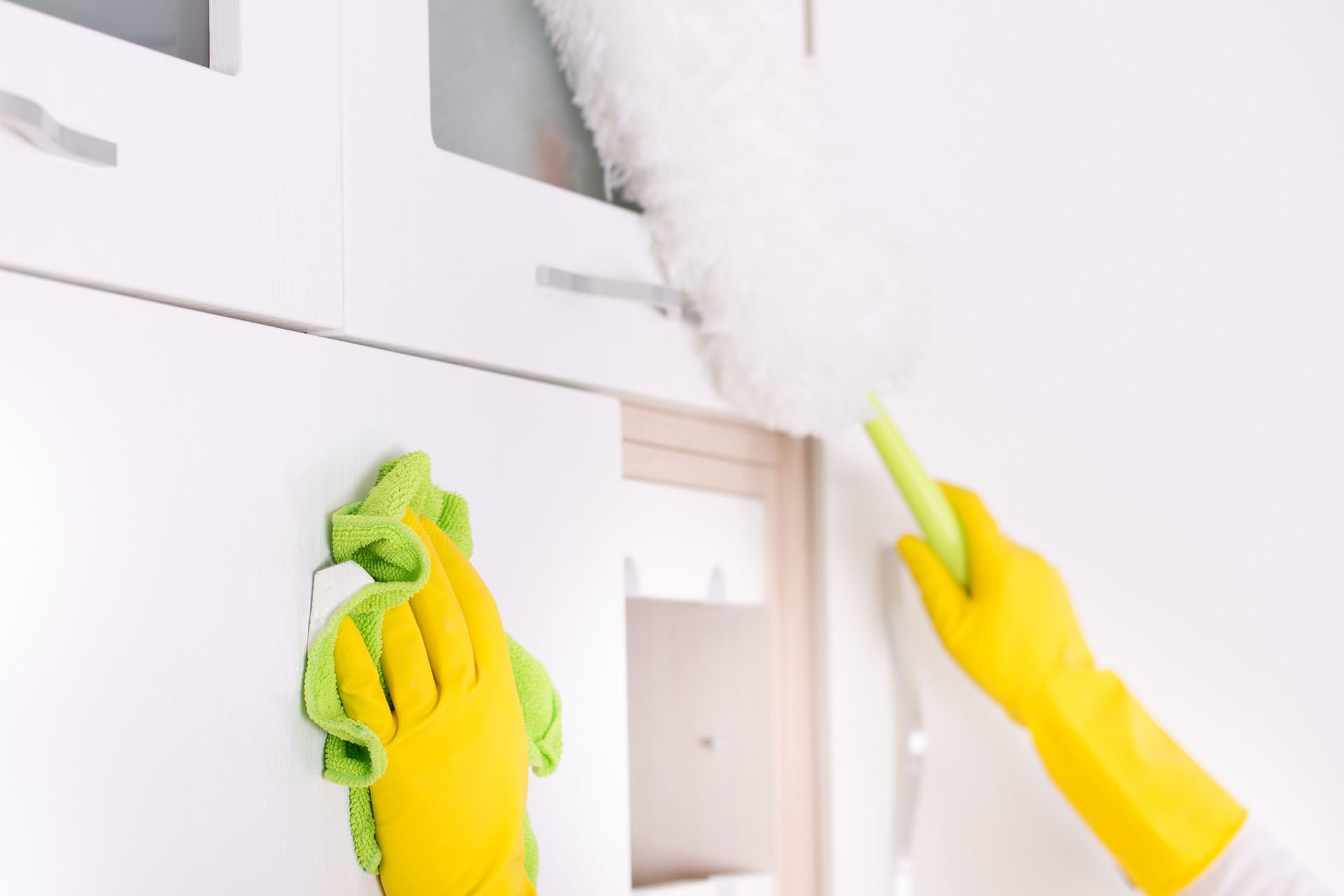
A successful cabinet cleaning session begins with the right tools. Microfiber cloths are a must-have for their ability to trap dust and grime without scratching surfaces. Consider using a soft-bristled brush to reach into crevices and remove stubborn dirt. A gentle, non-abrasive sponge can also be beneficial for tackling tougher spots without damaging the finish.Understanding Cleaning Product Labels
Before purchasing a cleaning product, take a moment to read the label. Does it specify it’s safe for wood or laminate surfaces? Look for terms like “non-toxic,” “pH-balanced,” or “suitable for all surfaces,” to ensure you won’t harm your cabinets. If a label includes harsh chemicals like bleach or ammonia, it may be best to avoid it for delicate finishes.Eco-friendly Options
For those who prefer a green approach, eco-friendly cleaning products are increasingly available. These cleaners often use plant-based ingredients and are free from harmful chemicals. You might also consider making your own cleaning solution using household staples like vinegar and baking soda. Choosing eco-friendly options not only protects your cabinets but also the environment. Have you ever thought about the impact of your cleaning choices on the planet? Making the switch to sustainable products can be a small yet meaningful step. By being mindful of the supplies you choose, you ensure your kitchen remains a clean and healthy space for years to come.Preparation Steps
Gather cleaning supplies like a soft cloth, mild soap, and water. Remove items from cabinets for easy access. Dust the surfaces before wiping to ensure a clean finish.
Before diving into the cleaning process, setting the stage with proper preparation steps can make all the difference in achieving sparkling kitchen cabinets. Preparation is crucial to prevent damage and ensure a thorough clean. Let’s explore some key preparation steps that will set you up for success.Emptying The Cabinets
Begin by removing all items from your cabinets. This includes dishes, pots, pans, and any other kitchen essentials. Not only does this make cleaning easier, but it also provides an opportunity to declutter and organize. You might be surprised by how many expired spices or forgotten utensils you find!Protecting Surrounding Areas
Once your cabinets are empty, it’s time to protect nearby surfaces. Lay down drop cloths or old towels on countertops and floors to catch any drips or spills. This precaution saves time and effort in cleaning up later. Imagine the relief of not having to scrub stubborn cleaner stains off your pristine counters!Assessing Cabinet Material
Before choosing cleaning products, take a moment to assess the material of your cabinets. Are they wood, laminate, or metal? Each material requires different care to avoid damage. For example, wood may need a gentle cleaner to prevent stripping its natural oils. Understanding your cabinet material ensures you choose the right cleaning approach, safeguarding your investment. Preparation might seem like a chore, but these steps are the foundation for achieving a spotless kitchen. Are you ready to tackle your cabinets with confidence and precision?Effective Cleaning Techniques
Cleaning kitchen cabinets can be a challenging task. They accumulate grease, dust, and stains over time. Employing effective cleaning techniques keeps them looking fresh. Consistent maintenance extends the lifespan of your cabinets. Below are methods to keep them spotless.
Daily Maintenance Tips
Regular upkeep prevents grime buildup. Wipe cabinets with a damp cloth daily. Use a mild soap solution for routine cleaning. This removes fingerprints and surface dirt. Ensure the cloth is not too wet. Excess moisture can damage cabinet surfaces. Pay attention to handles and edges. They often gather more dirt.
Deep Cleaning Methods
For a thorough clean, use a mixture of vinegar and water. Vinegar cuts through grease effectively. Apply the solution with a soft sponge. Focus on corners and crevices where dirt hides. Rinse with clean water and dry with a towel. This prevents water spots and streaks. Perform deep cleaning monthly for best results.
Removing Stubborn Stains
Some stains require extra effort. Baking soda and water form a powerful paste. Gently scrub stains with a soft brush. Avoid using harsh abrasives. They can scratch cabinet surfaces. Consider using commercial cleaners for tough marks. Always test them on a small area first. This ensures no damage occurs.
Credit: www.27estore.com
Handling Different Cabinet Materials
Handling different cabinet materials involves knowing the right cleaning method. Wood cabinets benefit from a mild soap and water mixture. Laminate cabinets can be cleaned with a vinegar and water solution for a sparkling finish.
Handling different cabinet materials is essential for maintaining the beauty and longevity of your kitchen. The material of your cabinets determines the best cleaning method to use. Understanding the unique needs of each type can help you avoid damage and keep your kitchen looking fresh and inviting.Cleaning Wood Cabinets
Wood cabinets add warmth and elegance to your kitchen. To clean them, use a mild dish soap mixed with warm water. Dampen a soft cloth with the solution and wipe the cabinets gently. Avoid soaking the wood, as excess water can lead to warping or discoloration. To keep the wood nourished, periodically apply a wood polish or oil. This not only enhances the natural grain but also offers a layer of protection. Have you ever noticed how a simple polish can transform dull cabinets into vibrant focal points?Maintaining Laminate Cabinets
Laminate cabinets are popular for their affordability and variety. They’re easy to clean with a mix of vinegar and water in a spray bottle. Lightly mist the surface and wipe it down with a microfiber cloth. Avoid abrasive cleaners or scrubbing pads, as they can scratch the laminate surface. Regular cleaning will prevent grease buildup, keeping your cabinets looking new for longer. Ever wondered why laminate holds up so well against everyday kitchen messes?Caring For Metal Cabinets
Metal cabinets bring a modern or industrial touch to your kitchen. Cleaning them is straightforward; a little mild soap and water do wonders. Use a non-abrasive sponge to avoid scratching the metal surface. Dry the cabinets thoroughly to prevent water spots or rust. Consider using a stainless steel cleaner for an extra shine. Don’t you love how metal cabinets reflect light, adding a sleek finish to your space?Preventing Future Build-up
Preventing Future Build-Up Regularly clean kitchen cabinets to avoid grease and grime accumulation. Use a soft cloth and gentle detergent. Dry thoroughly to prevent moisture damage.
Preventing future build-up on kitchen cabinets is essential for maintaining their pristine appearance and ensuring longevity. While wiping them clean is crucial, adopting preventive measures can significantly reduce the frequency of deep cleaning sessions. Let’s explore some practical strategies to keep your cabinets free from grime and dust.Regular Dusting Routine
Establishing a regular dusting routine can drastically minimize the accumulation of dirt and debris. Consistency is key here. A quick wipe with a microfiber cloth every few days can prevent dust from settling and turning into a stubborn layer. Have you noticed how dust seems to multiply overnight? Keeping it in check with scheduled dusting will save you from a bigger cleaning job later.Using Protective Liners
Protective liners are a game-changer for cabinet interiors. They act as a barrier against spills and stains, keeping the surfaces underneath spotless. Invest in easy-to-clean liners that can be removed and washed regularly. It’s like giving your cabinets a shield against daily wear and tear. Adding liners is a small tweak that provides significant benefits over time. Consider them as an investment in keeping your cabinets looking new.Choosing Grease-free Cooking Methods
Grease is a notorious culprit in causing build-up on kitchen cabinets. Opting for grease-free cooking methods can help you tackle this issue head-on. Try steaming, baking, or grilling instead of frying. Not only will this keep your cabinets cleaner, but it’s also a healthier choice for you and your family. Have you ever thought about how your cooking habits impact your cleaning routine? Making slight adjustments can lead to a noticeable difference in the cleanliness of your kitchen.Organizing And Restocking
Wiping kitchen cabinets keeps them clean and fresh. Use a mild cleaner and soft cloth for best results. Regular cleaning prevents dust and grime buildup, ensuring a tidy kitchen space.
Organizing and restocking your kitchen cabinets can transform your cooking space. A tidy cabinet saves time and makes meal prep enjoyable. Follow these strategies for a more efficient kitchen.Efficient Organization Strategies
Begin by emptying all your cabinets. This provides a clear view of your available space. Group items by category, like spices, canned goods, or baking supplies. This makes it easier to find what you need. Use clear containers for dry goods. Labels help identify contents quickly. Arrange items you use frequently at the front for easy access. Consider using shelf risers to maximize vertical space. This helps utilize every inch efficiently.Restocking Essentials
Make a list of basic items to keep in your kitchen. These essentials include salt, sugar, flour, and cooking oil. Stock up on canned goods like tomatoes and beans. They are versatile and have a long shelf life. Keep a variety of spices and herbs on hand. They add flavor to dishes without extra calories. Check expiration dates before restocking. Rotate older items to the front to use them first. This prevents waste and saves money.Maintaining Cleanliness
Regularly wipe down shelves with a mild cleanser. This prevents dust and grime buildup. Line shelves with washable mats for easy cleaning. Inspect your cabinets weekly for spills or crumbs. Keep a small brush nearby for quick clean-ups. Establish a routine for decluttering your cabinets. Donate items you rarely use to keep your kitchen neat. Regular maintenance ensures a clean and organized space.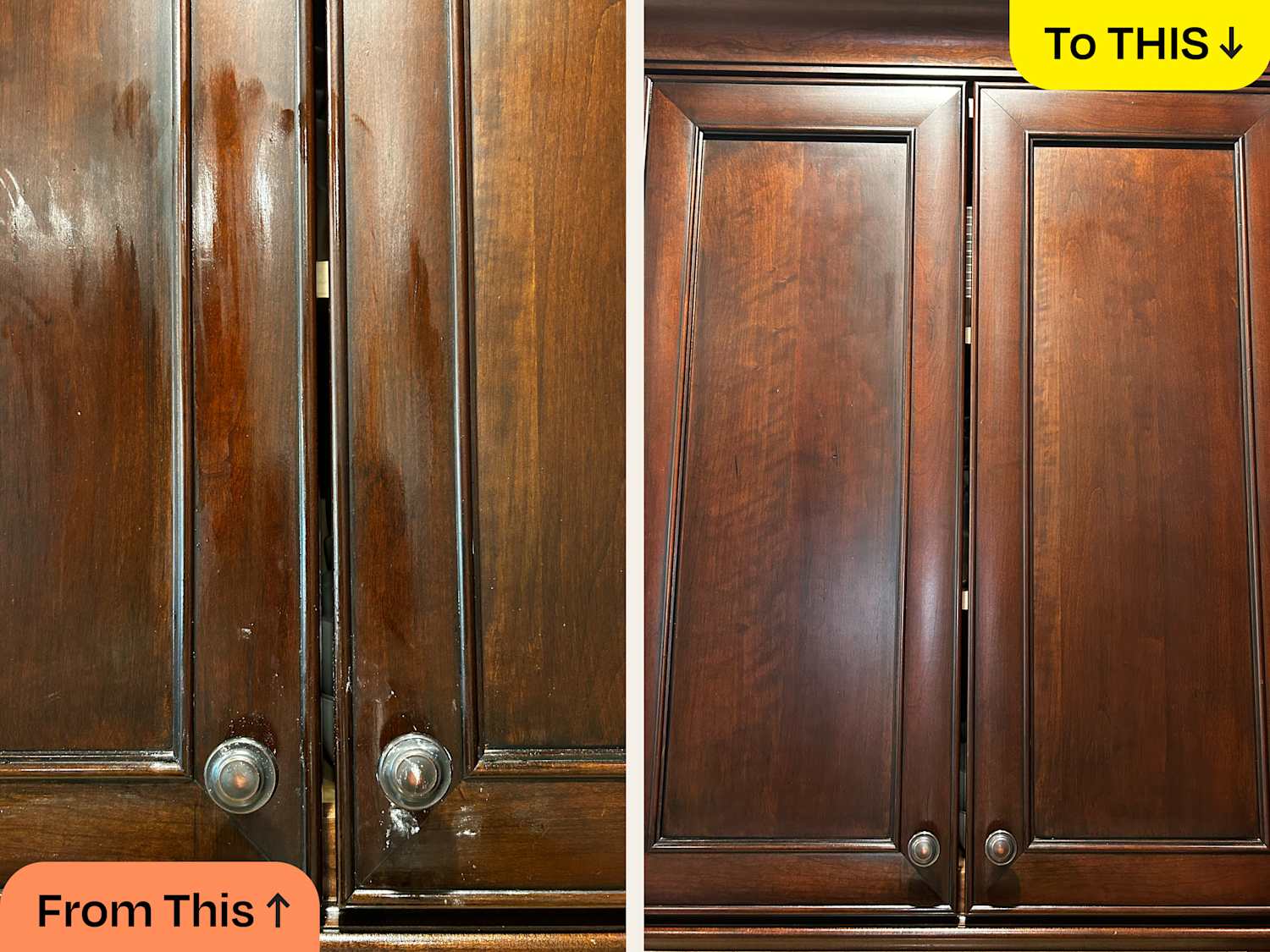
Credit: www.thekitchn.com
Frequently Asked Questions
What Is The Best Thing To Wipe Down Kitchen Cabinets With?
Use a mixture of warm water and mild dish soap for cleaning kitchen cabinets. Dampen a soft cloth and gently wipe. Rinse with clean water and dry with a separate cloth. This method effectively removes grime without damaging the finish.
Avoid harsh chemicals to maintain cabinet quality.
Can You Use Dawn Dish Soap On Wood Cabinets?
Yes, you can use Dawn dish soap on wood cabinets. Mix it with warm water and gently clean. Avoid soaking the wood to prevent damage. Rinse with a damp cloth and dry immediately for best results. Always test on a small area first.
How To Clean Wood Cabinets Without Ruining The Finish?
Use a mild soap and warm water on a soft cloth. Gently wipe cabinets and dry immediately. Avoid abrasive cleaners or excess water. Test a small area first to ensure safety. Regular cleaning keeps wood cabinets pristine.
How To Clean A Cabinet That Dirty Can’t Erase?
Use a mixture of warm water and mild detergent. Scrub gently with a soft sponge or cloth. Dry with a clean towel. For stubborn grime, try baking soda paste or vinegar. Always test products on a hidden spot first. Regular maintenance prevents tough stains.
Conclusion
Kitchen cabinets need regular cleaning. It keeps them looking fresh. Use gentle cleaners to avoid damage. Soft cloths work best for wiping. Don’t forget the handles and edges. These spots collect dirt. Try cleaning once a month for best results.
This routine helps maintain kitchen beauty. Your cabinets will thank you. A clean kitchen feels inviting. Enjoy cooking in your tidy space. You might even find cleaning relaxing. It’s all about simple steps. Happy cleaning!
