
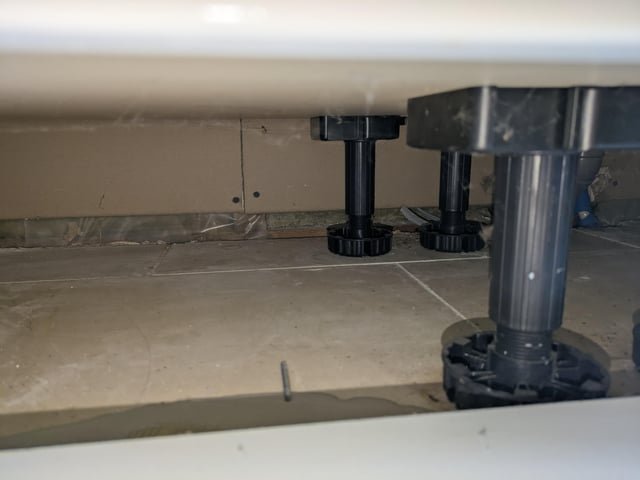
Have you ever noticed cold drafts or uneven temperatures near your kitchen cupboards? Insulating under kitchen cupboards can make a big difference in your home’s comfort and energy bills.
By sealing these hidden spots, you keep warmth inside during winter and block heat in summer. This simple step not only saves money but also protects your kitchen from moisture and damage. Keep reading to discover easy ways you can improve your kitchen’s insulation and create a cozier, more efficient space.

Credit: www.amazon.com
Benefits Of Insulating Kitchen Cupboards
Insulating under your kitchen cupboards might seem like a small detail, but it can make a big difference in your home’s comfort and efficiency. Many people overlook this space, yet it holds the potential to improve your kitchen’s energy use, noise levels, and temperature control. Have you ever considered how much heat escapes or noise travels through the gaps beneath your cupboards?
Energy Savings
Adding insulation under kitchen cupboards helps reduce heat loss, keeping your home warmer in winter and cooler in summer. This means your heating and cooling systems don’t have to work as hard, which can lower your energy bills over time.
Think about your last energy bill—could a simple insulation upgrade save you money next month? Small changes in insulation often lead to noticeable reductions in energy consumption.
Temperature Regulation
Insulation acts as a barrier to temperature fluctuations. It prevents cold drafts from seeping in during colder months and stops warm air from escaping, helping maintain a steady temperature around your kitchen area.
This consistent temperature can protect your kitchen appliances and stored food from extreme temperature swings, potentially extending their lifespan and keeping food fresher longer.
Noise Reduction
Have you noticed how sounds from your kitchen sometimes echo or travel to other rooms? Insulating under cupboards helps absorb and block out some of that noise, creating a quieter environment.
This is especially helpful in open-plan homes or apartments where kitchen noise can easily disturb other living spaces. It can make cooking and cleaning more peaceful for everyone in your household.
Materials For Insulating Cupboards
Choosing the right materials for insulating under kitchen cupboards can make a noticeable difference in your home’s energy efficiency and comfort. Not all insulation options perform the same, and your choice depends on factors like space constraints, moisture levels, and ease of installation. Let’s look at some popular materials that can fit neatly under your cupboards and offer effective insulation.
Foam Boards
Foam boards are rigid panels that provide excellent thermal resistance in tight spaces. They are easy to cut and fit under cupboards, making them a favorite for DIY projects. Since they resist moisture, foam boards help prevent mold growth in kitchen areas prone to dampness.
One tip: seal the edges well to avoid air leaks and maximize effectiveness. Have you ever noticed cold spots near your kitchen cabinets? Foam boards could be the simple fix you’re missing.
Spray Foam
Spray foam insulation expands to fill gaps and cracks, creating an airtight seal under your kitchen cupboards. It’s perfect for irregular spaces where foam boards might not fit snugly. The expanding nature helps block drafts and reduces noise from outside.
Keep in mind that spray foam requires careful application, often best handled by professionals. If you want maximum insulation with minimal gaps, spray foam might be worth considering.
Reflective Foils
Reflective foils work by bouncing heat back into the room, making them ideal for kitchens that lose heat through cupboards. They are thin, lightweight, and easy to install behind cupboards without taking up much space. Reflective foils perform best when paired with another insulation material.
Are you looking to improve your kitchen’s warmth without bulky materials? Reflective foils could be the subtle solution that fits your needs.
Fiberglass Batts
Fiberglass batts are a common insulation choice that fits between wall studs and under cupboards. They are affordable and have good thermal properties but can be tricky to install in tight cupboard spaces. Proper handling is important to avoid irritation from the fibers.
If you decide on fiberglass, consider using a vapor barrier to protect against moisture. Have you checked whether your kitchen cupboards have enough space to accommodate batts comfortably?
Preparing Cupboards For Insulation
Preparing your kitchen cupboards for insulation is a crucial step that sets the foundation for effective results. Taking time to get your cupboards ready ensures the insulation fits well and performs as expected. Let’s break down what you need to do before adding any insulation materials.
Clearing And Cleaning
Start by removing everything from under your kitchen cupboards. Empty drawers, take out stored items, and clear the floor space beneath. This gives you full access and prevents any damage to your belongings.
Next, give the area a thorough clean. Dust, grease, and crumbs can interfere with insulation installation. Use a vacuum and a damp cloth to make sure the surfaces are spotless.
Measuring Spaces
Accurate measurements are key to fitting insulation properly. Measure the height, width, and depth of the cupboard cavities where you plan to add insulation. Take note of any irregular shapes or obstacles like pipes and wires.
Write down these numbers carefully. Having precise measurements helps you buy the right amount of insulation and avoid costly mistakes or gaps that reduce effectiveness.
Checking For Moisture
Moisture can cause insulation to lose its effectiveness and lead to mold growth. Before you install, inspect the cupboard area for any damp spots or water leaks. Pay close attention to areas near plumbing or external walls.
If you find moisture, fix the source first. Consider using a moisture meter for a more accurate check. Dry, moisture-free cupboards provide a better environment for insulation and protect your kitchen’s health.
Step-by-step Insulation Process
Insulating under kitchen cupboards improves energy efficiency and reduces cold spots. The process involves precise measuring, fitting, and sealing. Each step ensures the insulation works effectively without wasting materials or space.
Cutting Insulation To Size
Measure the area under the cupboards carefully. Use a tape measure to get exact dimensions. Mark the insulation material with a pencil or marker. Cut the insulation with a sharp utility knife or scissors. Make sure the pieces fit snugly without gaps.
Fitting And Securing Material
Place the cut insulation pieces in the space beneath the cupboards. Press the insulation firmly against surfaces to avoid air pockets. Use adhesive spray or double-sided tape to hold the insulation in place. Avoid compressing the material, as this reduces its effectiveness.
Sealing Gaps And Edges
Inspect all edges and corners for small gaps. Fill gaps with foam sealant or caulk to stop drafts. Apply sealing tape over joints for extra protection. Check that the insulation is fully sealed to improve energy savings.
Common Mistakes To Avoid
Insulating under kitchen cupboards can save energy and improve comfort. Avoiding common mistakes makes the job effective and long-lasting. Small errors reduce insulation benefits and cause future problems. Focus on using the right materials, allowing airflow, and sealing properly.
Using Incorrect Materials
Choosing the wrong insulation material leads to poor results. Some materials absorb moisture, causing mold and damage. Others may not fit well in tight cupboard spaces. Pick insulation designed for kitchens and damp areas. Avoid materials that are flammable or not approved for indoor use.
Ignoring Ventilation
Ignoring airflow under cupboards traps moisture. This causes mold growth and wood rot. Proper ventilation keeps air moving and moisture low. Leave small gaps or vents to allow air circulation. Balance insulation with ventilation to protect your kitchen structure.
Poor Sealing Techniques
Incorrect sealing lets cold air enter and warm air escape. Use sealants that work with your insulation type. Avoid gaps around pipes, wires, and edges. Tight seals improve insulation performance and lower energy bills. Check seals regularly and repair any cracks or holes.
Credit: www.facebook.com
Maintaining Insulated Cupboards
Maintaining insulated cupboards under your kitchen cabinets ensures they continue to provide energy efficiency and protect your home from temperature fluctuations. Neglecting maintenance can lead to hidden issues like dampness or deteriorating insulation, which reduce effectiveness. Let’s look at how you can keep these spaces in top shape with simple, regular care.
Regular Inspections
Check your insulated cupboards at least twice a year. Look for signs of wear such as cracks, gaps, or damaged insulation materials.
Use a flashlight to spot any hidden problems in corners or behind pipes. Are you noticing any drafts or cold spots near the cupboards? These can indicate failing insulation.
Dealing With Dampness
Dampness is a common problem under kitchen cupboards due to plumbing leaks or condensation. If you detect moisture, act quickly to prevent mold and wood damage.
Remove the cupboard doors and dry the area thoroughly. Using a dehumidifier or moisture absorber can help keep the space dry over time.
Have you checked for leaks in nearby pipes recently? Fixing plumbing issues is crucial to maintaining dry and effective insulation.
Upgrading Insulation Over Time
Insulation materials can degrade, so plan to upgrade them every 5-7 years or when you notice reduced performance. Newer insulation products might offer better thermal resistance or be more eco-friendly.
Consider adding foam boards or spray foam for improved coverage and sealing gaps. This upgrade can lower your energy bills and keep your kitchen more comfortable.
Have you compared your current insulation to newer options on the market? Small investments now can save you money and hassle later.
Cost And Energy Savings Analysis
Insulating under kitchen cupboards reduces heat loss and improves energy use. Understanding the costs and savings helps decide if this upgrade is worthwhile. This analysis covers the initial investment, long-term savings, and overall return on investment.
Initial Investment
The upfront cost depends on the type of insulation and labor involved. Common materials include foam boards, spray foam, and reflective barriers. Prices range from $1 to $3 per square foot. DIY installation lowers costs but requires time and effort. Professional installation ensures quality but increases expenses.
Long-term Savings
Insulation helps keep your kitchen warmer in winter and cooler in summer. This reduces heating and cooling bills significantly. Savings can reach 10% to 20% of your kitchen’s energy costs each year. Over time, lower energy use means less strain on your HVAC system. This can extend the lifespan of heating and cooling equipment.
Return On Investment
Return on investment (ROI) depends on energy prices and insulation quality. Typically, homeowners see ROI within 3 to 5 years. After this period, energy savings exceed initial costs. Proper insulation adds value to your home. It also improves comfort and reduces noise from outside.

Credit: www.workshop.bunnings.com.au
Frequently Asked Questions
Why Insulate Under Kitchen Cupboards?
Insulating under kitchen cupboards reduces heat loss and improves energy efficiency. It prevents cold drafts and moisture buildup. This keeps your kitchen warmer and protects cabinets from damage caused by dampness.
What Materials Are Best For Insulation Under Cupboards?
Rigid foam boards and spray foam are ideal for under-cupboard insulation. They provide excellent thermal resistance and fit tight spaces. These materials also resist moisture, preventing mold growth and maintaining cabinet integrity.
How Does Insulation Improve Kitchen Energy Efficiency?
Insulation under cupboards minimizes heat transfer through walls and floors. It keeps warm air inside during winter and cool air during summer. This reduces heating and cooling costs, creating a more comfortable kitchen environment.
Can I Insulate Under Existing Kitchen Cupboards?
Yes, you can insulate under existing cupboards by removing kickboards or using spray foam. Careful installation ensures no damage to cabinets or plumbing. This retrofit boosts energy savings without major kitchen renovations.
Conclusion
Insulating under kitchen cupboards saves energy and cuts heating costs. It helps keep your kitchen warm and comfortable all year. This simple step also reduces cold drafts and moisture problems. You don’t need special skills to do it yourself. Small changes like this can make a big difference at home.
Start with easy insulation to feel the benefits quickly. Your kitchen will feel cozier, and your bills will drop. A warm kitchen means a happier, healthier home.
