
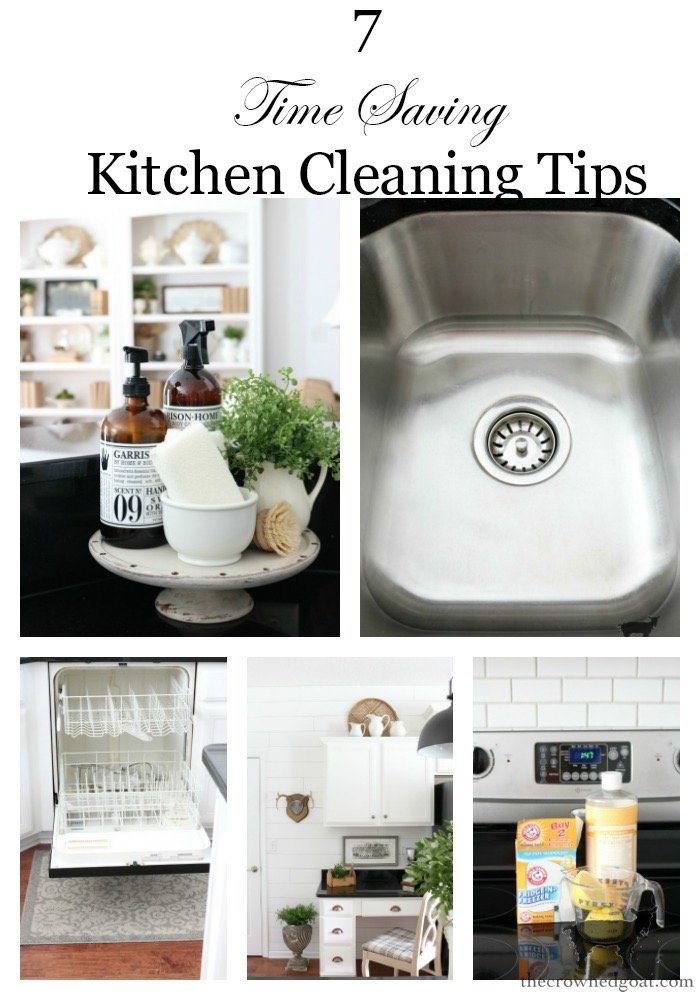
Kitchen cleaning can often feel like an endless chore, but what if it didn’t have to be? Imagine a kitchen that sparkles and shines with minimal effort, a place that invites you to cook, dine, and gather without the dread of a daunting cleanup.
You deserve a kitchen that stays fresh and organized without taking up all your precious time. We’ll share some simple yet powerful kitchen cleaning tips and tricks that will transform the way you tackle this task. Get ready to discover secrets that will not only save you time but also make your kitchen a more pleasant space.
Keep reading, and let these easy strategies revolutionize your cleaning routine!
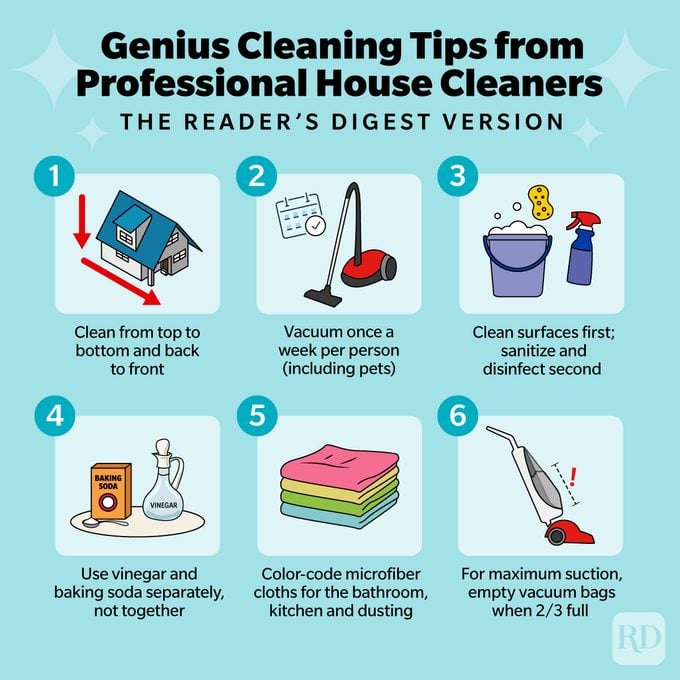
Credit: www.rd.com
Essential Kitchen Cleaning Tools
Keeping a kitchen clean can feel like a never-ending task. But with the right tools, it becomes manageable and even satisfying. Essential kitchen cleaning tools help in maintaining a sparkling space. They ensure every corner and surface shines like new. From must-have supplies to eco-friendly options, knowing what to use can make all the difference.
Must-have Supplies
Every kitchen should have a basic set of cleaning tools. A good sponge is crucial for tackling dirty dishes and countertops. A microfiber cloth helps in wiping surfaces without leaving streaks. A sturdy scrub brush is perfect for pots and pans. Keep a versatile all-purpose cleaner handy for quick clean-ups. Dish soap is another essential that cuts through grease effectively. A mop and bucket are necessary for those sticky kitchen floors.
Eco-friendly Options
Eco-friendly cleaning tools are kind to the planet and effective in kitchens. Bamboo dish brushes are durable and compostable. Reusable cleaning cloths reduce waste and are gentle on surfaces. Consider vinegar and baking soda for natural cleaning solutions. These common items clean and deodorize without harsh chemicals. Plant-based dish soap offers a powerful clean without synthetic fragrances. A refillable spray bottle reduces single-use plastic waste in your cleaning routine.
Daily Cleaning Routine
Keeping your kitchen clean every day can be a simple task. Following a daily cleaning routine helps maintain a hygienic environment. It also saves time during deeper cleaning sessions. Let’s explore some efficient cleaning tips.
Quick Countertop Cleanup
Begin by clearing away clutter from the countertops. Use a damp cloth to wipe surfaces. Choose a mild cleaner for stubborn stains. Focus on corners and edges where dirt accumulates. Dry the countertops with a clean towel for a polished look.
Sink And Faucet Maintenance
Rinse the sink after each use to prevent build-up. Scrub the sink with baking soda for a shine. Pay attention to the faucet. Wipe it down daily with a microfiber cloth. Check for mineral deposits around the faucet base. Use vinegar to remove them effectively.
Weekly Deep Cleaning Tasks
Keeping your kitchen spotless is no small feat, but focusing on weekly deep cleaning tasks can make a significant difference. These tasks ensure that your kitchen remains hygienic and organized, preventing buildup that can lead to bigger problems. Let’s look into a couple of essential areas you should target each week.
Refrigerator Organization
Start by removing all items from your refrigerator. This gives you a clear view of what needs to be cleaned and what should be tossed. Pay attention to expiration dates—anything past its prime should go.
Wipe down the shelves and drawers with a mixture of warm water and a few drops of dish soap. For stubborn stains, a sprinkle of baking soda can work wonders. Don’t forget to clean the door seals; they often harbor crumbs and spills.
Before placing items back, consider grouping like items together. This way, you’ll know exactly where to find what you need, saving time and reducing food waste. Ever thought about using clear bins for small items? They make it easy to see everything you have.
Oven And Microwave Cleaning
Cleaning your oven might seem daunting, but a little effort goes a long way. Remove the racks and soak them in warm soapy water. While they soak, mix baking soda with water to create a paste and spread it inside the oven. Let it sit overnight for best results.
The next day, wipe it clean with a damp cloth. For any remaining spots, a vinegar spray can act as a great finishing touch. A clean oven not only looks better but also cooks more efficiently.
The microwave is often overlooked but equally important. Fill a microwave-safe bowl with water and a few lemon slices, then heat it for five minutes. The steam softens grime, allowing you to wipe it away with ease. Plus, you’re left with a fresh citrus scent.
Doesn’t a clean kitchen just feel better? What’s your favorite cleaning hack?

Credit: www.youtube.com
Tackling Tough Stains
Removing stubborn stains in the kitchen requires simple tricks and regular cleaning. Use baking soda and vinegar for effective results. These natural ingredients tackle tough grime, leaving surfaces sparkling clean.
Tough stains in the kitchen can be a real headache, turning your cooking haven into a challenging battleground. Whether it’s grease buildup on your stovetop or stubborn food spills on your countertops, these marks can seem impossible to remove. But with a few practical tips and tricks, you can tackle these tough stains efficiently and keep your kitchen sparkling clean.Removing Grease Buildup
Grease buildup is often a persistent problem, especially around the stove and oven. An effective way to combat this is by using a simple mixture of baking soda and water. Create a paste, apply it to the greasy area, and let it sit for about 10 minutes. After the paste has had time to work its magic, use a damp cloth or sponge to wipe away the grease. You’ll be surprised at how easily it comes off! For heavier buildups, consider adding a few drops of dish soap to the mixture for extra cleaning power. Have you ever tried using vinegar? This kitchen staple is not only for salads. A mixture of equal parts vinegar and water can cut through the toughest grease when applied with a spray bottle.Dealing With Food Spills
Food spills are inevitable, but they don’t have to be a permanent fixture on your countertops. A quick response is your best defense. As soon as a spill occurs, blot the area with a paper towel or cloth to absorb as much as possible. Once the initial mess is cleared, use a gentle cleaner to tackle any remaining residue. A homemade solution of lemon juice and baking soda can be particularly effective, providing both cleaning power and a fresh scent. For more stubborn stains, such as tomato sauce or coffee, you might need to try hydrogen peroxide. Apply a small amount to the stain, let it sit for a few minutes, then rinse thoroughly. Remember to test this on a small area first to ensure it doesn’t discolor your surface. What cleaning challenges do you face in your kitchen? Share your toughest stains and let’s find a solution together!Maintaining Fresh Kitchen Air
Ensure your kitchen stays fresh by regularly cleaning counters and appliances. Ventilate the space using windows or exhaust fans.
Maintaining a fresh atmosphere in your kitchen can transform cooking from a chore to a delightful experience. The smell of last night’s dinner shouldn’t linger for days. With a few simple strategies, you can keep your kitchen smelling fresh and inviting.Odor Elimination Techniques
A quick and effective way to tackle kitchen odors is to use natural deodorizers. Baking soda is a kitchen staple that absorbs unpleasant smells. Place a small bowl of it in the fridge or near the stove to neutralize odors. Vinegar is another powerful ally. Boil a mixture of water and vinegar on the stove to refresh the air. This trick works wonders after frying or cooking strong-smelling foods. Don’t underestimate the power of coffee grounds. After brewing your morning coffee, let the used grounds dry and use them to soak up lingering odors. They’re especially great for targeting garbage can smells.Proper Ventilation Tips
Good ventilation is the backbone of a fresh kitchen. Open windows whenever possible to allow a natural flow of air. It’s surprising how quickly a breeze can clear away cooking smells. Installing a range hood is a great long-term solution. It draws out steam, smoke, and odors directly from the source. Make sure to clean the filters regularly to maintain their efficiency. Ceiling fans can also help. Set them to rotate counter-clockwise to draw air upwards, dispersing odors faster. Remember, keeping your kitchen well-ventilated not only helps with odors but also prevents moisture build-up and mildew. Isn’t it amazing how these small changes can make a big difference in your cooking environment? Give them a try and enjoy a fresher, more pleasant kitchen.Organizing Kitchen Space
Organizing kitchen space becomes easier with effective cleaning tips and tricks. Keep countertops clear by storing utensils in drawers. Use shelf organizers to maximize cabinet space and ensure easy access to essentials.
Organizing kitchen space can transform your cooking experience. A tidy kitchen boosts efficiency and enjoyment. It also helps you find what you need quickly. This guide offers practical tips to organize your kitchen effectively.Decluttering Strategies
Start by assessing your kitchen items. Identify what’s essential and what isn’t. Donate or discard items you rarely use. Less clutter makes your kitchen feel more spacious. Use a “one in, one out” rule to maintain order. Keep counters clear for a clean look. Store appliances you seldom use in cabinets.Efficient Storage Solutions
Maximize cabinet space with stackable containers. Use shelves and racks to store pots and pans. Install hooks to hang utensils and towels. Drawer organizers keep cutlery neat and accessible. Label jars and containers for easy identification. Use vertical space with wall-mounted shelves. Consider a magnetic strip for knives. It saves drawer space and keeps blades sharp.Preventive Measures
Keeping your kitchen clean starts with preventive measures. By focusing on prevention, you save time and effort in the long run. A clean kitchen also promotes a healthier environment. It helps avoid issues like mold and pests. Let’s explore some effective tips to maintain a tidy kitchen.
Avoiding Mold Growth
Mold thrives in damp areas. Keep your kitchen dry to prevent mold. Wipe spills immediately with a clean cloth. Use exhaust fans while cooking to reduce moisture. Regularly check areas under the sink for leaks. Repair any leaks promptly to avoid mold buildup.
Store food in airtight containers. This helps keep humidity levels down. Regularly clean your fridge and discard expired items. A clutter-free fridge reduces moisture and mold risk.
Keeping Pests Away
Pests are attracted to food and crumbs. Keep your kitchen free of these to deter pests. Sweep the floor daily to remove food particles. Wipe countertops with a disinfectant regularly. Store food in sealed containers to prevent pest access.
Check for gaps or cracks in walls and cabinets. Seal them to block pest entry. Empty trash bins daily and use a lid to cover them. A clean trash area keeps pests away. Remember to clean up spills immediately to avoid attracting pests.
Natural Cleaning Alternatives
Embrace natural cleaning alternatives to maintain a spotless kitchen. Baking soda and vinegar tackle tough stains effectively. Lemon juice excels in cutting grease and freshening surfaces.
Cleaning your kitchen doesn’t have to involve harsh chemicals that leave lingering odors and potential health risks. Natural cleaning alternatives offer a safer, eco-friendly option to maintain a sparkling kitchen. They harness the power of simple, everyday ingredients you might already have in your pantry.Diy Cleaning Solutions
Creating your own cleaning solutions at home is both easy and cost-effective. A mixture of vinegar and water works wonders on countertops and glass surfaces. For a powerful grease remover, try a paste made from baking soda and water. Using lemon juice can effectively cut through grime while leaving a fresh scent. A sprinkle of salt combined with lemon can tackle stubborn stains on cutting boards. These simple mixes can often outperform store-bought cleaners.Benefits Of Natural Ingredients
Natural ingredients are not only safe for the environment but also for you and your family. They reduce the risk of allergic reactions and skin irritations that some chemical cleaners can cause. Additionally, these ingredients are biodegradable, minimizing your ecological footprint. Imagine cleaning your kitchen without worrying about harmful residues left on surfaces where you prepare food. By using natural alternatives, you ensure a healthier living space. Plus, they often cost much less, saving you money in the long run. Wouldn’t you feel better knowing your kitchen is clean and chemical-free? Embracing natural cleaning methods can transform not just your kitchen, but your entire approach to household cleaning. The shift might be easier than you think, and the benefits are well worth it.Seasonal Cleaning Challenges
Seasonal cleaning challenges in the kitchen can be daunting. Each season brings its unique set of tasks and obstacles. From the deep cleaning required in spring to the preparations needed for holiday cooking, the kitchen demands attention and care.
Spring Cleaning Essentials
Spring is the perfect time to give your kitchen a thorough clean. Start by decluttering your cabinets and pantry. Remove expired items and reorganize your shelves. This will create a sense of freshness and make it easier to find what you need.
Another essential task is cleaning appliances. Use a mixture of vinegar and baking soda to tackle stubborn stains on your oven and stovetop. Don’t forget to clean the fridge! Wipe down surfaces and remove old items to make space for fresh produce.
Spring is also a great time to check your smoke detectors and fire extinguishers. Ensure they’re working properly to keep your kitchen safe. This proactive approach can prevent future accidents and give you peace of mind.
Preparing For Holiday Cooking
The holiday season is synonymous with feasting and cooking up a storm. It’s important to prepare your kitchen for the influx of activity. Start by sharpening your knives and organizing your cooking utensils. A well-equipped kitchen makes cooking more enjoyable.
Stock up on essential ingredients that you frequently use. Consider creating an inventory list to avoid last-minute grocery runs. Having everything at hand allows you to focus on creating delicious meals without interruptions.
Clean and sanitize your countertops and cutting boards thoroughly. This ensures that your cooking space is hygienic and ready for meal prep. A clean environment not only enhances food safety but also boosts your cooking morale.
What are your biggest challenges when cleaning your kitchen seasonally? Share your tips and tricks with us! Understanding each other’s hurdles can lead to innovative solutions and make kitchen cleaning less of a chore.

Credit: www.youtube.com
Frequently Asked Questions
What Are The 7 Steps Of Cleaning A Kitchen?
1. Clear countertops and tables. 2. Wash dishes and utensils. 3. Wipe down surfaces and appliances. 4. Sweep the floor. 5. Mop the floor. 6. Take out the trash. 7. Organize cabinets and pantry.
How To Clean A Kitchen Really Well?
Begin by decluttering countertops and wiping surfaces with a disinfectant. Scrub the sink and faucet thoroughly. Clean appliances, including the oven and microwave. Sweep and mop the floors. Organize cabinets and pantry. Regularly empty trash and sanitize bins to maintain freshness.
Repeat weekly for a spotless kitchen.
What Is The Fastest Way To Clean A Dirty Kitchen?
Start by decluttering countertops and putting items away. Wipe surfaces with a multi-purpose cleaner. Sweep and mop floors quickly. Load dirty dishes into the dishwasher or wash them by hand. Empty trash and replace bags. For stubborn stains, use baking soda and vinegar.
Keep cleaning supplies handy for quick touch-ups.
What Not To Do When Cleaning A Kitchen?
Avoid using harsh chemicals on surfaces. Don’t mix cleaning products. Never scrub non-stick cookware with abrasive pads. Don’t ignore appliance interiors. Avoid soaking wooden utensils.
Conclusion
A clean kitchen feels great. These simple tips make cleaning easier. Regular cleaning prevents mess. Wipe surfaces daily for a fresh look. Use baking soda for stubborn stains. Vinegar and lemon help with odors. Keep clutter minimal for easy access.
Organize items by use to save time. Cleaning tools should be handy. Reward yourself with a clean space. It enhances cooking and family time. Practice these habits for a tidy kitchen. Share these tips with friends. Everyone loves a clean, inviting kitchen.
Enjoy your spotless space every day.
