
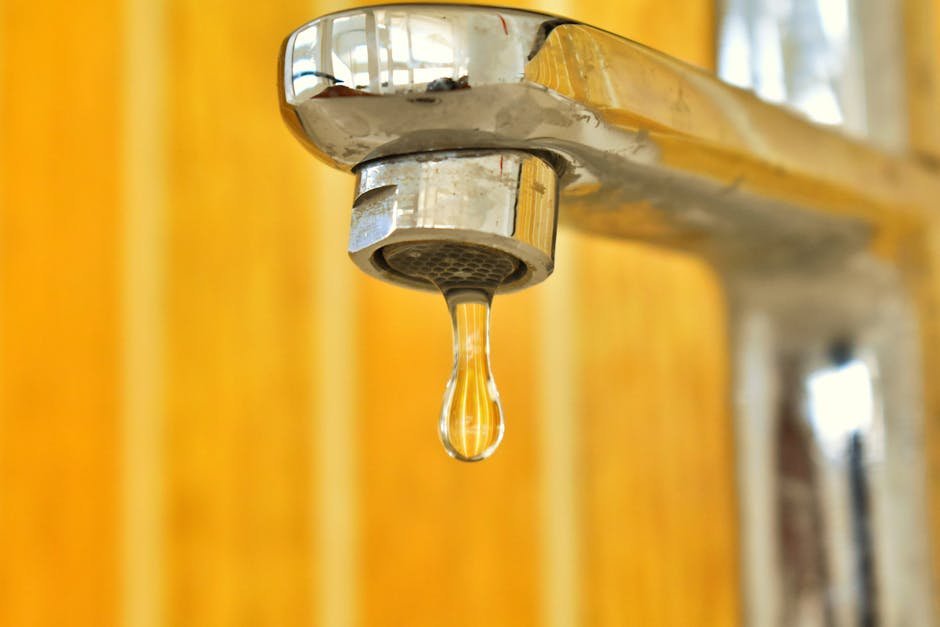
Is your kitchen faucet leaking under the sink? That constant drip can waste water, increase your bills, and cause damage if left unchecked.
You might feel unsure about what’s causing the leak or how to fix it. Don’t worry—you’re not alone, and this problem is often easier to solve than you think. Keep reading, and you’ll discover simple steps to stop the leak, save money, and protect your home from water damage.
Your kitchen deserves it!
Common Causes Of Faucet Leaks
Discovering a leak under your kitchen sink can be frustrating and confusing. Understanding the common causes of faucet leaks helps you address the issue quickly and avoid costly repairs. Often, the problem lies in simple parts that wear out or get damaged over time.
Worn Out Washers
Washers are small rubber or silicone rings inside the faucet that create a seal to stop water flow when the tap is off. Over time, these washers can become brittle or worn out, causing water to drip continuously. If you notice a steady drip, worn washers might be the culprit.
Replacing washers is usually straightforward and affordable. Have you checked if your faucet drip rate changes when you turn the handle? That could be a sign the washer isn’t sealing properly.
Corroded Valve Seats
The valve seat connects the faucet to the spout and controls water flow. Exposure to hard water can cause corrosion and mineral buildup on the valve seat, leading to leaks. This damage prevents the washer from sealing correctly, even if the washer itself is fine.
Cleaning or replacing a corroded valve seat can stop leaks and improve faucet performance. Are you noticing rough sounds or inconsistent water flow? These might be clues pointing to valve seat issues.
Loose Or Damaged O-rings
O-rings are small circular seals found around the faucet handle that prevent water from leaking out. A loose or damaged O-ring can cause water to drip near the handle or under the sink. Since these rings endure constant movement, they are prone to wear and tear.
Fixing O-ring leaks often involves tightening or swapping out the old rings. When was the last time you inspected your faucet handles for leaks? A quick check could save you from bigger problems.
Credit: www.youtube.com
Tools And Materials Needed
Fixing a kitchen faucet leak under the sink requires the right tools and materials. Having everything ready before you start can save you time and frustration. You want to avoid those moments when you realize you’re missing a crucial tool halfway through the job.
Basic Plumbing Tools
- Adjustable wrench:Essential for loosening and tightening nuts and bolts of different sizes.
- Basin wrench:Designed to reach tight spots under the sink where regular wrenches can’t fit.
- Pipe wrench:Useful if the leak involves larger pipe connections.
- Screwdrivers:Both flathead and Phillips types are handy for removing mounting hardware.
- Plumber’s tape (Teflon tape):Helps seal threaded pipe joints to prevent leaks.
- Bucket or bowl:To catch any water dripping during the repair process.
Replacement Parts
Knowing what parts you need to replace can be tricky. Most leaks under the sink come from worn-out washers, O-rings, or faulty cartridges inside the faucet.
- Faucet cartridge or valve stem specific to your faucet model.
- Replacement washers and O-rings in various sizes.
- New supply lines if old ones show signs of damage or corrosion.
Before you buy, inspect the leaking area carefully. Have you checked if your faucet brand requires a special cartridge? Bringing the old part to the hardware store can help you get the exact match.
Safety Gear
Safety should never be overlooked, even for small plumbing tasks. Simple gear can protect you from injury and keep the work area clean.
- Gloves:Protect your hands from sharp edges and dirty water.
- Safety glasses:Prevent any splashes or debris from getting into your eyes.
- Old towels or rags:Useful for wiping spills and drying parts.
Have you ever underestimated a small leak and ended up with a soggy mess? Taking precautions with safety gear helps you stay focused and comfortable throughout the repair.
Step-by-step Repair Guide
Fixing a leaking kitchen faucet under the sink can feel overwhelming, but breaking it down into clear steps makes the task manageable. This guide walks you through each phase, helping you save money and avoid calling a plumber. You’ll learn how to identify the problem, replace worn parts, and get your faucet working like new again.
Turn Off Water Supply
Start by locating the water shut-off valves beneath your sink. These are usually two small knobs or levers—one for hot water and one for cold.
Turn both valves clockwise until they stop to shut off the water supply completely. Have a towel ready to catch any water that might drip when you disconnect pipes.
Disassemble The Faucet
Next, remove the faucet handle carefully. Depending on your model, you might need a screwdriver or an Allen wrench to loosen screws hidden under decorative caps.
Keep track of all small parts like screws and washers by placing them in a container. Remove the cartridge or valve stem to access the internal components that might cause leaks.
Inspect And Replace Faulty Parts
Check the cartridge, O-rings, and washers for cracks, wear, or mineral buildup. These parts often cause leaks if they’re damaged or hardened over time.
Bring the old parts to a hardware store to find exact replacements. Installing fresh seals and cartridges usually stops leaks and restores smooth faucet operation.
Reassemble And Test
Put the faucet back together in the reverse order of disassembly. Tighten screws snugly but avoid overtightening, which can cause damage.
Turn the water supply back on slowly and watch for any leaks. Test the faucet by running both hot and cold water—does it drip or function smoothly now?
If it still leaks, double-check the parts and connections. Sometimes a minor adjustment or reseating a seal solves the problem completely.
Preventing Future Leaks
Preventing leaks under your kitchen sink saves money and stress. Small drips can lead to bigger problems like water damage and mold. Taking simple steps keeps your faucet working well for years.
Regular Maintenance Tips
Check faucet parts often for wear or damage. Tighten loose connections to stop drips early. Clean faucet aerators and valves to avoid blockages. Replace worn washers and seals before leaks start. Use gentle cleaners to avoid damaging faucet finishes.
Upgrading To Quality Faucets
Choose faucets made from durable materials like brass or stainless steel. Look for models with strong seals and ceramic discs. High-quality faucets resist corrosion and last longer. Spend a little more upfront to avoid frequent repairs. A good faucet reduces the chance of leaks under the sink.
Monitoring For Early Signs Of Leaks
Watch for water stains or puddles under the sink. Listen for dripping sounds when faucet is off. Check water bills for unexpected increases. Test faucet handles for stiffness or looseness. Catching leaks early helps fix issues before damage grows.
When To Call A Professional
Knowing when to call a professional for a kitchen faucet leaking under the sink can save you time, money, and stress. Some issues seem simple but hide bigger problems beneath the surface. Asking for expert help at the right moment prevents small leaks from turning into costly repairs.
Complex Repairs
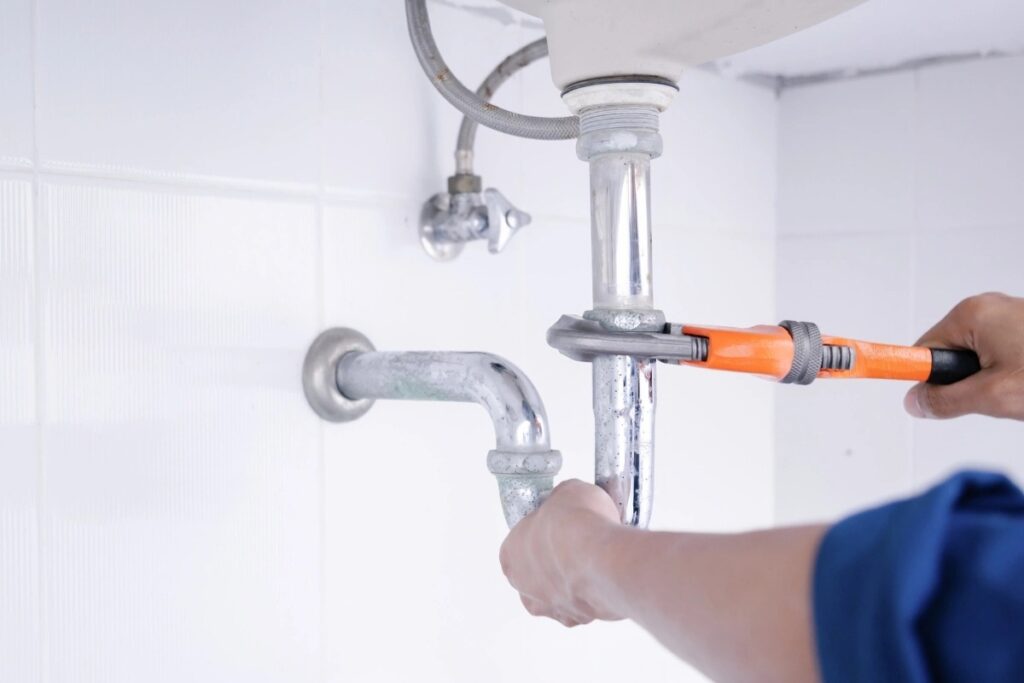
Not all leaks are easy to fix. If your faucet leak involves damaged pipes, worn-out valves, or issues within the faucet assembly, you might need specialized tools and skills. Attempting complex repairs without experience can worsen the problem or cause water damage.
Have you ever tried fixing plumbing only to find the leak got worse? Professionals know how to handle complicated systems and make the repair durable.
Persistent Leaks
If you’ve patched the leak multiple times and it keeps coming back, it’s a clear sign to call a pro. Persistent leaks usually mean there’s an underlying issue like corrosion or faulty installation. Ignoring this can lead to increased water bills and frustration.
Think about how much water might be wasted each day if the leak isn’t properly fixed. A professional will identify the root cause and provide a long-lasting solution.
Water Damage Concerns
Leaks under the sink can cause hidden water damage to cabinets, floors, and walls. If you notice mold, wood rot, or a musty smell, don’t delay reaching out to a plumber. Water damage can affect your home’s structure and health.
Have you checked your cabinet interiors lately? Catching damage early with professional help can prevent expensive repairs and keep your kitchen safe.
Credit: doneritesvcs.com

Credit: www.reddit.com
Frequently Asked Questions
What Causes Kitchen Faucet Leaks Under The Sink?
Leaks under the sink usually come from worn-out washers, damaged O-rings, or loose connections. Corrosion and high water pressure also cause leaks. Identifying the exact source helps fix the problem quickly and prevents water damage in your kitchen cabinet.
How Can I Fix A Leaking Kitchen Faucet Under The Sink?
Start by turning off the water supply. Check for loose fittings and tighten them. Replace worn washers or O-rings if needed. Clean any corrosion and ensure all connections are secure. If unsure, call a professional plumber for a thorough inspection.
How Long Can A Leaking Faucet Go Unrepaired?
A leaking faucet should be fixed immediately. Ignoring leaks can cause water waste, higher bills, and damage to cabinets. Small leaks often worsen over time, leading to costly repairs and mold growth. Prompt repair saves money and protects your kitchen.
Can I Prevent Kitchen Faucet Leaks Under The Sink?
Yes, regular maintenance helps prevent leaks. Inspect your faucet and connections every few months. Tighten loose parts and replace worn components early. Avoid harsh chemicals that damage seals. Routine care extends faucet life and keeps your kitchen leak-free.
Conclusion
A leaking kitchen faucet under the sink can cause many problems. It wastes water and increases your bills. Fixing leaks early saves money and prevents damage. Check connections and replace worn parts carefully. Small repairs keep your kitchen safe and dry.
Taking action soon avoids bigger issues later. Simple steps make a big difference for your home. Keep an eye on leaks to protect your sink area. Don’t let a drip turn into a flood.

Hi, I’m Daniel Harper, a senior editor here at KitchenBucks.com. For over 10 years, I’ve been exploring kitchen gadgets and appliances to help people find tools that truly add value without breaking the bank. I love simplifying product choices so you can focus more on cooking and less on worrying about what to buy. When I’m not reviewing the latest gadgets, you’ll usually find me experimenting with coffee brewing or firing up the grill for a weekend barbecue.