
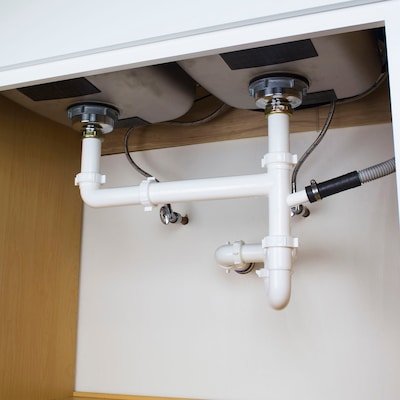
Have you ever noticed water dripping under your kitchen sink or heard strange noises coming from the pipes? Your kitchen pipes under the sink play a crucial role in keeping everything flowing smoothly.
But when they start acting up, it can quickly turn into a frustrating mess. Understanding how these pipes work and what common problems to watch for can save you time, money, and stress. You’ll discover simple tips to keep your kitchen pipes in top shape and what to do if trouble strikes.
Keep reading—your sink will thank you!
Common Kitchen Sink Pipes
Understanding the common kitchen sink pipes is essential for any homeowner or DIY enthusiast. These pipes play a crucial role in managing water flow and waste under your sink. Knowing the types, materials, and layout can help you spot issues early and decide when repairs or upgrades are needed.
Types Of Pipes Used
Several types of pipes are commonly found under kitchen sinks. The most typical are:
- P-Trap:This curved pipe traps water to prevent sewer gases from entering your home.
- Drain Pipes:These carry wastewater away from the sink to your home’s main drainage system.
- Supply Lines:Flexible or rigid pipes that bring hot and cold water to the faucet.
Have you ever noticed a strange smell under your sink? It’s often due to a faulty or missing P-trap.
Materials And Durability
Kitchen sink pipes come in different materials, each with strengths and weaknesses. Common materials include:
- PVC (Polyvinyl Chloride):Lightweight, inexpensive, and resistant to corrosion, but less heat-tolerant.
- ABS (Acrylonitrile Butadiene Styrene):Durable and impact-resistant, often black in color.
- Metal (Copper or Stainless Steel):Strong and heat-resistant but more expensive and prone to corrosion over time.
Choosing the right material affects how long your pipes last and how often you need maintenance. Have you checked the condition of your pipes lately?
Pipe Layout And Design
The layout of pipes under your kitchen sink is designed for easy water flow and trap function. Typically, the water flows from supply lines into the faucet, then down through the drain pipe and P-trap before heading to the main sewer line.
A well-planned design also ensures quick access for repairs and prevents leaks. Sometimes, a poorly installed or cluttered pipe layout can cause slow drainage or leaks that might go unnoticed until damage occurs.
Are your pipes arranged neatly, or do they look tangled and hard to reach? A clean design saves headaches later.

Credit: www.reddit.com
Signs Of Pipe Blockages
Blocked pipes under your kitchen sink often show clear signs before turning into major problems. Recognizing these signs early can save you from costly repairs and messy cleanups. Pay close attention to how your sink behaves and smells; these clues are your first alert to possible blockages.
Slow Drainage Symptoms
Does your sink water take longer than usual to disappear? Slow drainage is one of the most common signs of a blockage. You might notice water pooling in the basin or draining in small, uneven streams.
If you frequently find yourself waiting for the sink to empty after washing dishes, it’s time to inspect the pipes. Sometimes, food scraps, grease, or soap buildup cause this sluggish flow. Have you checked under your sink recently for any visible clogs?
Leaks And Water Damage
Leaks often accompany blocked pipes, especially if pressure builds up behind the clog. Look for water stains, damp spots, or puddles under the sink cabinet. These are red flags that your pipes may be compromised.
Ignoring leaks can lead to mold growth and damage to your cabinetry. If you spot peeling paint, warped wood, or a musty smell near your sink, don’t delay in investigating. Could a small drip today turn into a bigger problem tomorrow?
Unpleasant Odors
Foul smells coming from your kitchen sink drain usually indicate trapped food particles or grease in the pipes. These blockages create a breeding ground for bacteria, producing unpleasant odors.
If you notice a persistent bad smell even after cleaning the sink surface, the issue is likely deeper in the plumbing. Try running hot water or using a natural cleaner like baking soda and vinegar to see if the odor fades. When was the last time you gave your pipes a thorough cleaning?
Diy Pipe Maintenance
Maintaining the pipes under your kitchen sink doesn’t have to be a costly or complicated task. With some regular attention and simple techniques, you can keep your pipes clear and functioning smoothly. Taking care of your plumbing not only prevents blockages but also extends the life of your pipes and saves you from emergency repairs.
Regular Cleaning Techniques
Cleaning your kitchen pipes regularly helps stop buildup before it becomes a problem. Pouring boiling water down the drain once a week can loosen grease and soap scum. Another effective approach is to use a drain snake or a simple wire hanger to gently remove any visible debris.
Don’t forget to clean your sink strainer and trap frequently. These parts catch food particles and prevent them from going down the drain. By removing and rinsing them, you reduce the chances of clogs forming further down the pipe.
Using Natural Cleaners
Natural cleaners are a safe and eco-friendly way to maintain your kitchen pipes. A popular mix is baking soda followed by white vinegar. Pour half a cup of baking soda into the drain, then add half a cup of vinegar and cover the drain for 10 minutes before flushing with hot water.
This combination creates a gentle fizz that helps break down buildup without harming your pipes. Lemon juice is another natural option that can freshen your drain and reduce odors. Adding lemon peel to boiling water and pouring it down the drain can leave your kitchen smelling clean.
Avoiding Harmful Chemicals
Many store-bought drain cleaners contain harsh chemicals that can damage your pipes over time. These chemicals may corrode metal pipes or harm the seals, leading to leaks and costly repairs. Instead of relying on these products, focus on mechanical or natural cleaning methods.
Ask yourself: is a quick fix worth risking your plumbing system? Choosing safer options protects your pipes and keeps your kitchen environment healthier. If you must use a chemical cleaner, opt for enzyme-based products that work gently and break down organic matter without causing harm.
Preventing Pipe Clogs
Preventing pipe clogs under your kitchen sink saves you time, money, and frustration. Clogs often start small and worsen quickly, so taking simple steps can keep your pipes flowing smoothly. Understanding how to manage waste and maintain your plumbing can prevent those annoying blockages.
Proper Waste Disposal
What you put down the drain directly affects your pipes. Avoid pouring grease, coffee grounds, or fibrous vegetable scraps into the sink. These materials stick to pipe walls and trap other debris, leading to clogs.
Instead, use a separate container for grease and coffee grounds. Compost vegetable scraps if possible or toss them in the trash. This habit alone can reduce the risk of buildup dramatically.
Installing Strainers And Guards
Strainers catch food particles before they enter your pipes. Installing one over the drain is a simple, effective way to block solids. You can find affordable options at any hardware store.
Guards with finer mesh also help by catching smaller debris that strainers might miss. Regularly empty and clean these devices to keep them working well. Have you checked your sink strainer lately?
Routine Inspections
Regularly inspecting your pipes can catch problems early. Look under the sink for leaks, corrosion, or slow drainage signs. A quick monthly check can identify issues before they become costly repairs.
Try running hot water through your drain weekly to flush away buildup. If you notice water pooling or strange odors, investigate immediately. How often do you inspect your kitchen plumbing?
When To Call A Professional
Knowing when to call a professional for kitchen pipes under the sink is important. Pipes can develop problems that need skilled care. Some issues might look small but can cause big damage. Early expert help can save time, money, and stress.
Signs Of Serious Damage
- Water leaks that don’t stop after tightening.
- Rust or corrosion on pipes or fittings.
- Water stains or puddles under the sink.
- Strong, unpleasant odors coming from the pipes.
- Drain water flows slowly or backs up.
- Cracks or holes in the pipes.
- Unusual noises like banging or gurgling.
Benefits Of Expert Repair
Professionals have the right tools and skills to fix pipe problems quickly. They can find hidden issues early before they get worse. Expert repairs ensure pipes work well and last longer. This reduces the chance of future leaks and water damage. Experts follow safety rules to protect your home. They also clean up the work area after finishing.
Choosing The Right Plumber
- Check if the plumber is licensed and insured.
- Read reviews from past customers.
- Ask about experience with kitchen pipe repairs.
- Get clear price estimates before work starts.
- Choose someone who offers a warranty on repairs.
- Make sure they communicate clearly and answer questions.

Credit: www.amazon.com
Upgrading Kitchen Plumbing
Upgrading kitchen plumbing improves both function and safety under the sink. Old pipes can cause leaks, clogs, or bad odors. New plumbing materials and designs offer better durability and water flow. It is a smart choice for any kitchen renovation or repair.
Modern Pipe Materials
New pipes use materials that resist rust and damage. Common types include:
- PEX: Flexible, easy to install, and resists freezing.
- CPVC: Strong, heat-resistant, and affordable.
- Copper: Durable and naturally resistant to bacteria.
- PVC: Lightweight and ideal for drainage pipes.
These materials last longer than older metal pipes. They reduce leaks and need less maintenance.
Improving Flow Efficiency
Proper pipe size and layout help water flow smoothly. Avoid sharp bends and narrow pipes. Use wider pipes for drainage to prevent clogs. Installing smooth interior pipes reduces buildup and saves water pressure.
Adding cleanouts also helps clear blockages quickly. Efficient flow means less chance of pipe damage or leaks.
Cost And Installation Considerations
Material choice affects price and installation time. PEX is often cheaper and faster to install. Copper costs more but offers long-term value. PVC is budget-friendly for drainage but not for hot water.
Hiring a professional plumber ensures proper fitting and code compliance. Incorrect installation can cause leaks and costly repairs. Plan your budget and timeline before starting upgrades.

Credit: www.lowes.com
Frequently Asked Questions
What Materials Are Kitchen Pipes Under Sink Usually Made Of?
Kitchen pipes under the sink are commonly made of PVC, copper, or galvanized steel. PVC is popular for its durability and affordability. Copper pipes resist corrosion and last longer. Galvanized steel is less common due to rust issues. Material choice affects longevity and maintenance needs.
How To Prevent Leaks In Kitchen Pipes Under Sink?
To prevent leaks, regularly check pipe joints and seals for wear. Tighten any loose connections and replace damaged washers. Avoid pouring grease or debris down the drain to reduce clogs. Routine inspections can catch issues early, saving costly repairs later.
Why Does My Kitchen Sink Pipe Smell Bad?
Bad smells often come from trapped food or stagnant water in the trap under the sink. Cleaning the P-trap and running hot water can clear odors. Using baking soda and vinegar helps neutralize smells. Regular cleaning prevents buildup and maintains fresh air.
When Should Kitchen Pipes Under Sink Be Replaced?
Replace pipes if you notice leaks, corrosion, or frequent clogs. Old galvanized steel pipes often need replacement due to rust. PVC and copper last longer but may degrade over decades. Timely replacement prevents water damage and costly plumbing emergencies.
Conclusion
Kitchen pipes under the sink play a big role in your home. They carry water and waste safely away. Keep them clean and check for leaks often. Small problems can turn into big ones fast. Fix issues early to avoid costly repairs.
Knowing how these pipes work helps you stay prepared. A well-maintained sink keeps your kitchen running smooth. Simple care can save time and money later. Take a moment to inspect your pipes today. It makes a difference you will notice tomorrow.

Hi, I’m Daniel Harper, a senior editor here at KitchenBucks.com. For over 10 years, I’ve been exploring kitchen gadgets and appliances to help people find tools that truly add value without breaking the bank. I love simplifying product choices so you can focus more on cooking and less on worrying about what to buy. When I’m not reviewing the latest gadgets, you’ll usually find me experimenting with coffee brewing or firing up the grill for a weekend barbecue.