
Have you ever noticed a drip or a strange smell coming from under your kitchen sink? Your kitchen plumbing under the sink plays a crucial role in keeping your space clean and functional.
But when something goes wrong, it can quickly turn into a frustrating mess. Understanding how your plumbing works and what to watch for can save you time, money, and stress. You’ll discover simple tips to maintain your kitchen plumbing and easy fixes for common problems.
Keep reading to take control of your kitchen’s hidden system and avoid costly repairs down the line.
Common Kitchen Sink Plumbing Parts
Understanding the common kitchen sink plumbing parts can save you time and money during repairs or upgrades. These components work together to ensure water flows smoothly and waste drains properly. Knowing their names and functions helps you identify issues quickly and communicate effectively with plumbers.
Faucet Components
The faucet is more than just the handle you turn on for water. Inside, it contains cartridges or valves that control water flow and temperature. Aerators at the spout help reduce water waste by mixing air with water, maintaining pressure while saving water.
If you notice drips or leaks, it’s often due to worn-out washers or cartridges inside the faucet. Checking these parts first can prevent the need to replace the entire faucet.
Drain Assembly
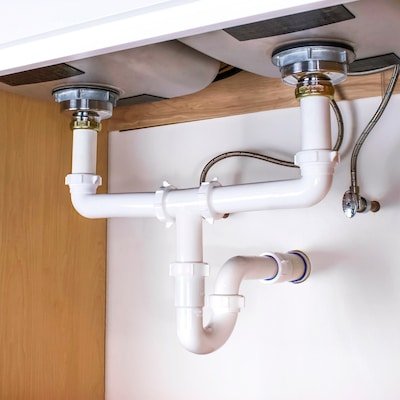
The drain assembly includes the visible drain strainer and the pipe system underneath that carries water away. It often has a stopper mechanism that lets you fill the sink with water. Over time, debris can clog this area, causing slow drainage or unpleasant odors.
Regular cleaning of the strainer and occasional tightening of the drain pipes can keep your sink draining efficiently. Have you ever struggled with a slow drain only to find a simple clog removed it?
P-trap Function
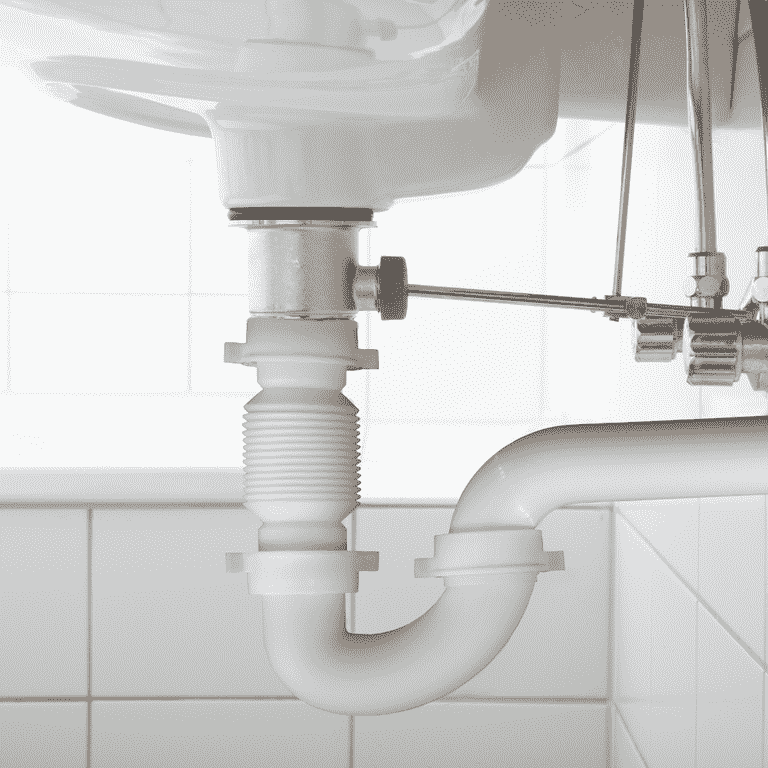
The P-trap is a U-shaped pipe located below the sink. It holds a small amount of water to create a seal, preventing sewer gases from entering your kitchen. Without a functioning P-trap, your kitchen could quickly become unpleasant.
Sometimes, the P-trap can get clogged with food scraps or grease, leading to blockages. Removing and cleaning it can often restore proper drainage without calling a plumber.
Shutoff Valves
Shutoff valves control the water supply to your sink’s faucet and appliances like dishwashers. Knowing where these valves are and how to operate them is crucial during leaks or repairs. Turning off the water quickly can prevent flooding and major damage.
Test your shutoff valves periodically to make sure they turn smoothly and don’t leak. Have you ever found a valve stuck when you needed it most? Regular checks can help avoid that frustrating situation.
Tools Needed For Plumbing Work
Having the right tools at hand makes any kitchen plumbing job under the sink easier and faster. Without proper equipment, you might struggle or even damage the pipes and fittings. Let’s look at the essential tools you should have ready before starting your plumbing work.
Wrenches And Pliers
Wrenches and pliers are the backbone of plumbing tasks. An adjustable wrench helps you tighten or loosen nuts and bolts of different sizes without switching tools constantly.
Slip-joint pliers grip pipes and fittings firmly, allowing you to twist or hold objects securely. I once tried using regular pliers under the sink and ended up stripping a bolt—investing in quality plumbing pliers saved me from repeating that mistake.
Pipe Cutters
Cutting pipes cleanly is crucial for a leak-free connection. Pipe cutters create smooth edges without crushing the pipe, unlike a saw that can leave rough surfaces.
There are models designed for copper, PVC, or plastic pipes, so choose one that matches your plumbing type. Have you noticed how uneven cuts can cause leaks? Using the right pipe cutter prevents those headaches.
Sealants And Tape
Preventing leaks often comes down to proper sealing. Plumber’s tape (also called Teflon tape) wraps around threaded joints to fill gaps and stop drips.
Pipe joint compound or thread sealant adds an extra layer of protection, especially for metal fittings. Applying these correctly can mean the difference between a dripping faucet and a dry sink.
Safety Gear
Protecting yourself is just as important as fixing the pipes. Gloves shield your hands from sharp edges and dirty water, while safety goggles guard your eyes from splashes.
Since plumbing sometimes involves working in tight, dark spaces, a headlamp can keep your hands free and your work visible. Have you ever missed a small leak because of poor lighting? Good safety gear helps avoid that problem.
Step-by-step Installation Guide
Installing kitchen plumbing under the sink requires patience and attention. Follow each part carefully to ensure a secure and leak-free setup. Proper installation helps avoid water damage and keeps your kitchen running smoothly.
Removing Old Fixtures
Start by turning off the water supply valves under the sink. Open the faucet to drain any remaining water. Use a wrench to disconnect the water supply lines. Loosen and remove the drain pipes carefully. Remove old washers and clean the connections for new parts.
Fitting New Pipes
Measure and cut new pipes to fit the space accurately. Attach slip joint nuts and washers to pipe ends. Connect pipes to the sink drain and tailpiece. Tighten connections by hand, then secure with a wrench. Ensure pipes align well and have no stress points.
Connecting Drain Lines
Attach the P-trap to the drain pipe and wall pipe. Use slip joint washers for a tight seal. Check that the trap arm is level and properly positioned. Tighten all connections without over-tightening. Confirm that the drain line has a smooth flow path.
Testing For Leaks
Turn the water supply back on slowly. Open the faucet and let water run for several minutes. Inspect all connections for drips or moisture. Tighten any loose fittings immediately. Place a dry cloth under pipes to catch hidden leaks.

Credit: www.lowes.com
Common Plumbing Issues
Kitchen plumbing under the sink often faces common problems that disrupt daily use. These issues can cause inconvenience and damage if not fixed promptly. Understanding these problems helps you spot signs early and take action.
Clogs And Blockages
Food scraps, grease, and soap can build up inside pipes. This buildup slows water flow and may stop it completely. Slow draining sinks often signal blockages. Regular cleaning prevents severe clogs and costly repairs.
Leaks And Drips
Leaks under the sink waste water and can harm cabinets. Drips often come from loose connections or worn-out seals. Ignoring leaks may lead to mold growth and water damage. Tightening fittings and replacing seals usually solves the problem.
Low Water Pressure
Low water pressure can make washing dishes hard. Blocked aerators or clogged pipes reduce water flow. Sometimes, pipe corrosion causes pressure drops. Checking faucet parts and pipes helps restore normal pressure quickly.
Corrosion Problems
Metal pipes under the sink can corrode over time. Corrosion weakens pipes and causes leaks. It also affects water quality and taste. Replacing old pipes with corrosion-resistant materials extends plumbing life.
Maintenance Tips For Longevity
Maintaining your kitchen plumbing under the sink ensures it works well for years. Simple care prevents leaks, clogs, and damage. Taking small steps regularly can save money and hassle later.
Regular Cleaning
Keep the pipes and drain clean to avoid buildup. Wipe down the area under the sink to remove moisture and dirt. Use mild soap and warm water to clean surfaces gently. Avoid harsh chemicals that can damage pipes.
Checking Seals
Inspect seals around pipes and connections often. Look for cracks or wear that may cause leaks. Tighten loose fittings carefully but do not overtighten. Replace worn seals quickly to prevent water damage.
Preventing Clogs
Avoid pouring grease, coffee grounds, or large food scraps down the drain. Use a drain strainer to catch debris. Flush drains with hot water regularly to clear minor blockages. Consider natural drain cleaners like baking soda and vinegar.
When To Call A Professional
Notice persistent leaks or slow draining? Strange noises or bad odors? These signs need expert help. Do not delay repairs to avoid bigger problems. Contact a plumber for thorough inspection and fixes.
Credit: www.walmart.com
Upgrading Your Kitchen Plumbing
Upgrading your kitchen plumbing under the sink can transform your daily routine and improve your kitchen’s functionality. Small changes here make a big difference in convenience, water quality, and environmental impact. Whether you want cleaner water, easier waste disposal, or a modern faucet, there are smart options that fit various budgets and needs.
Installing Water Filters
Adding a water filter under your sink gives you fresh, clean water straight from the tap. It removes contaminants like chlorine, lead, and sediment that affect taste and health. Many filters install easily without professional help, saving you money and time.
Have you noticed a strange taste or smell in your tap water? A filter can fix that quickly. Plus, it reduces the need for bottled water, cutting down on plastic waste.
Adding Garbage Disposals
Garbage disposals make kitchen cleanup faster and less messy by grinding food scraps into small pieces that wash down the drain. This reduces the amount of waste sent to landfills and helps keep your kitchen sink clear.
Installing one can seem intimidating, but many models come with straightforward instructions. Think about how much easier dishwashing would be without scraping every plate by hand.
Switching To Touchless Faucets
Touchless faucets offer hands-free operation, which improves hygiene and convenience. You simply wave your hand or place a cup under the spout to activate water flow.
This upgrade is especially useful when cooking or handling raw ingredients. You avoid touching handles with dirty hands, which helps reduce germs and keeps your faucet cleaner.
Eco-friendly Fixtures
Choosing eco-friendly plumbing fixtures can reduce water usage and lower your utility bills. Options like low-flow faucets and aerators keep water pressure strong while using less water.
Have you thought about how much water your kitchen uses every day? Installing these fixtures is a simple step that benefits both your wallet and the planet.

Credit: www.lowes.com
Frequently Asked Questions
What Are Common Kitchen Plumbing Issues Under The Sink?
Common issues include leaks, clogged drains, and faulty garbage disposals. Worn-out pipes and loose fittings often cause water damage and odors.
How To Fix A Leaking Pipe Under The Kitchen Sink?
Turn off the water supply first. Tighten loose fittings or replace damaged pipes. Use plumber’s tape for sealing joints securely.
What Tools Do I Need For Kitchen Sink Plumbing Repairs?
Basic tools include a pipe wrench, pliers, plumber’s tape, bucket, and a drain snake. These help with most common plumbing fixes.
How Often Should Kitchen Plumbing Under The Sink Be Inspected?
Inspect your kitchen plumbing every 6 to 12 months. Regular checks prevent leaks and clogs, saving costly repairs later.
Conclusion
Proper kitchen plumbing under the sink helps avoid leaks and clogs. Regular checks keep pipes clear and water flowing smoothly. Fix small problems early to save time and money. Clean pipes also prevent bad odors in your kitchen. Knowing basic plumbing can make small repairs easier.
A well-maintained sink area supports a cleaner, safer kitchen space. Take time to learn simple plumbing tips for your home. Good plumbing means less stress and more comfort daily.
