
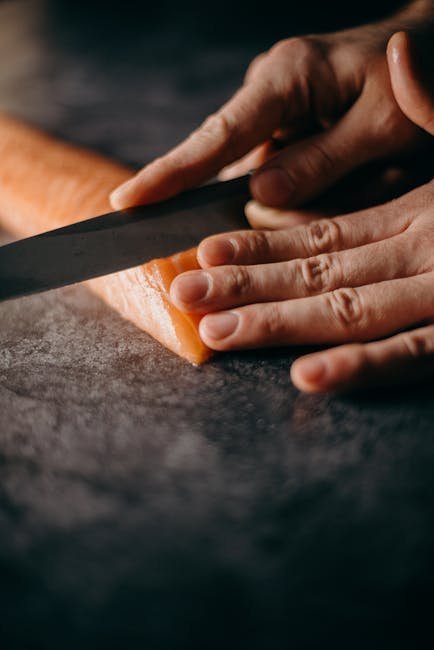
Mastering knife skills can transform your wok cooking from ordinary to extraordinary. When you handle your ingredients with precision, you unlock flavors and textures that make every bite unforgettable.
Imagine slicing vegetables so evenly that they cook perfectly, or cutting meat into just the right size for quick stir-frying. You’ll discover simple techniques to sharpen your knife skills and boost your confidence in the kitchen. Ready to take your wok dishes to the next level?
Keep reading to learn how small changes in your cutting style can make a big difference in your cooking results.
Choosing The Right Knife
Choosing the right knife is crucial for mastering wok cooking. The fast pace and high heat of stir-frying demand precision and speed, which only the right knife can provide. Your knife should feel like an extension of your hand, helping you slice, dice, and chop efficiently without fatigue.
Types Of Knives For Wok Cooking
Not every kitchen knife suits wok cooking. You need a blade that handles quick, repetitive cuts with ease.
- Chinese Chef’s Knife (Cai Dao):This versatile knife is perfect for wok cooking. It has a wide, rectangular blade that lets you scoop up ingredients and chop with precision.
- Santoku Knife:A lighter alternative with a slightly shorter blade. It’s great for slicing vegetables quickly and evenly.
- Utility Knife:Smaller and more agile, this knife helps with detailed work like peeling or trimming ingredients before cooking.
Think about your cooking style. Do you prefer quick, broad strokes or detailed, precise cuts? Your choice should reflect that.
Blade Material And Sharpness
Blade quality directly affects your knife’s performance. Stainless steel knives resist rust and are easy to maintain but may lose sharpness faster.
High-carbon steel blades hold an edge longer and cut through ingredients smoothly. However, they require more care to prevent rust.
Sharpness matters most. A dull knife slows you down and increases the risk of accidents. Keep your blade razor-sharp to glide through vegetables and proteins effortlessly.
How often do you sharpen your knives? Regular maintenance is key to maintaining efficiency and safety in the kitchen.
Essential Knife Techniques
Essential knife techniques form the foundation of efficient wok cooking. Proper cuts affect cooking time and flavor. Sharp, precise cuts keep ingredients uniform. This ensures even heat and taste in every bite.
Slicing And Dicing
Slicing means cutting ingredients into thin, flat pieces. Use a smooth, steady motion for clean slices. Dicing creates small, even cubes. Keep your knife tip steady and chop with a rocking motion. Uniform slices and dices cook faster and look better in stir-fries.
Julienning And Chiffonade
Julienning cuts vegetables into thin, matchstick strips. This technique works well for carrots, peppers, and zucchini. Chiffonade is for leafy greens like basil or spinach. Roll leaves tightly, then slice thinly. Both cuts allow quick cooking and add texture to dishes.
Mincing And Crushing
Mincing chops ingredients into tiny pieces. Garlic, ginger, and herbs need mincing for strong flavor release. Crushing uses the flat side of the knife to break down ingredients. This method softens garlic and releases oils fast. Both techniques enhance the aroma and taste in wok recipes.
Speed And Precision
Mastering speed and precision with your knife is essential for wok cooking. Quick, clean cuts allow ingredients to cook evenly and maintain their texture and flavor. Without these skills, your stir-fry might end up unevenly cooked or lose its vibrant appeal.
Building Speed With Practice
Speed comes from repetition and confidence. Start by focusing on basic cuts like slicing, dicing, and julienning vegetables. Set a timer and challenge yourself to improve your pace without sacrificing accuracy.
Try practicing with softer vegetables like zucchini or bell peppers before moving to harder ones. This helps you gain confidence in controlling the knife. Have you noticed how your hands become steadier as you repeat the same motions?
Ensuring Consistent Cuts
Consistency is key to even cooking. Uneven pieces cook at different rates, which can ruin the texture of your stir-fry. Use a sharp knife and keep your fingers tucked in to guide your cuts safely and precisely.
- Keep your knife sharp to reduce effort and improve control.
- Use the knuckles of your guiding hand as a reference point for the blade.
- Focus on uniform size rather than speed at first.
Have you ever tasted a stir-fry where some pieces were overcooked and others raw? That’s a clear sign your cuts weren’t consistent enough. Getting this right makes a noticeable difference in your wok dishes.
Safety Tips
Knife safety is crucial when cooking with a wok. Wok cooking often involves fast chopping and slicing, so keeping your hands safe should be your top priority. Knowing how to hold and care for your knife can prevent accidents and make your cooking experience smoother.
Proper Grip And Handling
Hold your knife firmly but comfortably. Your thumb and index finger should grip the blade just above the handle, giving you better control. This grip helps you make precise cuts without slipping.
Keep your other hand in a claw shape to protect your fingers while holding the food. This technique keeps fingertips tucked away and reduces the chance of cuts. Have you noticed how your chopping speed improves once you master this grip?
Maintaining Sharpness
A sharp knife is safer than a dull one because it requires less force to cut through ingredients. Use a honing steel regularly to keep the edge aligned. Sharpen your knife properly every few weeks depending on use.
A dull knife can slip and cause injuries, especially during quick wok prep. Store your knives in a block or on a magnetic strip to protect the blades. How often do you check your knife’s sharpness before cooking?
Knife Maintenance
Keeping your knives in good condition is essential for efficient wok cooking. Sharp knives make cutting easier and safer. Proper maintenance helps your blades last longer and perform better. Regular care prevents damage and rust, saving money over time.
Cleaning And Storage
Clean knives right after use. Avoid soaking them in water for long. Hand wash with warm water and mild soap. Dry immediately with a soft cloth to stop rust.
Store knives safely to protect the blade. Use a knife block, magnetic strip, or blade guard. Avoid tossing knives in drawers where blades can chip or dull. Proper storage keeps knives sharp and ready.
Sharpening Techniques
Sharpen knives regularly to keep edges sharp. Use a whetstone, sharpening steel, or electric sharpener. Whetstones need soaking in water before use. Move the blade across the stone at a 15-20 degree angle.
Sharpen both sides evenly. Use light, consistent pressure. Test sharpness by slicing through paper or vegetables. Stop sharpening when the blade cuts smoothly without tearing.
Common Mistakes To Avoid
Mastering knife skills is crucial for wok cooking, but even experienced cooks can slip into habits that slow down prep or spoil the texture of your dish. Avoiding common mistakes helps you chop faster, cook evenly, and bring out the best flavors. Let’s look at two pitfalls that often trip up home chefs and how to steer clear of them.
Overloading The Wok
It’s tempting to toss everything into the wok at once to save time. However, overloading the wok traps steam, which leads to soggy, unevenly cooked food instead of that signature wok hei flavor.
When you pile in too many ingredients, they can’t make proper contact with the hot surface. This results in steaming rather than stir-frying, losing that crisp texture you want.
Try cooking in smaller batches instead. This keeps the temperature high and ensures each piece cooks quickly and evenly. Have you noticed how your stir-fries improve when you don’t crowd the pan?
Using The Wrong Knife
Choosing the right knife can make or break your prep time. Many think any kitchen knife will do, but that’s not true, especially for wok cooking.
A sharp chef’s knife or a Chinese cleaver works best. These knives give you control and speed, letting you slice thin, even pieces that cook uniformly.
Using a dull or inappropriate knife can slow you down and cause uneven cuts, which affect cooking times and texture. Have you tried switching knives to speed up your chopping? It might surprise you how much easier and safer your prep becomes.
Advanced Knife Skills
Advanced knife skills take wok cooking to the next level. Precise cuts ensure even cooking and better flavor. These skills save time and reduce waste. Learning to chop quickly and accurately helps in busy kitchens.
Speed Chopping Techniques
Speed chopping improves efficiency. Hold the knife firmly with a strong grip. Use a rocking motion for fast, safe cuts. Keep the tip of the knife on the cutting board. Move the blade up and down quickly.
Practice these tips for better speed:
- Keep your fingers curled to avoid cuts.
- Use a sharp knife for smoother slicing.
- Prepare ingredients in batches for faster work.
Speed chopping works best with softer vegetables like onions and peppers. It allows quick prep without losing control.
Precision For Complex Recipes
Complex recipes need precise cuts for texture and flavor. Thin slices cook faster and blend well in stir-fries. Julienne and chiffonade cuts add elegance and texture to dishes.
Focus on:
- Cutting vegetables into uniform pieces.
- Maintaining steady hand movements.
- Adjusting knife angle for different cuts.
Precision helps with even cooking and beautiful presentation. It also improves the overall taste of your wok dishes.
Frequently Asked Questions
What Are Essential Knife Skills For Wok Cooking?
Essential knife skills include precise slicing, dicing, and julienning. These techniques ensure even cooking and enhance flavor in stir-fry dishes.
How To Cut Vegetables Quickly For Wok Cooking?
Use a sharp chef’s knife and practice uniform cuts. Keep fingers curled and use a rocking motion for speed and safety.
Why Is Knife Sharpness Important In Wok Cooking?
Sharp knives create clean cuts, preserving vegetable texture and flavor. They also reduce cooking time and improve safety by requiring less force.
Which Knife Is Best For Wok Cooking Prep?
A chef’s knife or a Chinese cleaver is ideal. Both offer versatility and control for cutting various ingredients efficiently.
Conclusion
Good knife skills help you cook faster and safer with a wok. Cutting vegetables and meat evenly makes food cook well and taste better. Practice simple cuts like slicing and dicing to build confidence. Keep your knives sharp and your hands steady.
These small steps improve your cooking and make meals more enjoyable. Try using these tips next time you cook with a wok. Cooking becomes easier and more fun with better knife skills. Give it a try and see the difference yourself.
Hi, I’m Daniel Harper, a senior editor here at KitchenBucks.com. For over 10 years, I’ve been exploring kitchen gadgets and appliances to help people find tools that truly add value without breaking the bank. I love simplifying product choices so you can focus more on cooking and less on worrying about what to buy. When I’m not reviewing the latest gadgets, you’ll usually find me experimenting with coffee brewing or firing up the grill for a weekend barbecue.