
If you love cooking with mushrooms, mastering how to clean and prepare shiitake, portobello, and oyster mushrooms is a game-changer. You might think washing mushrooms is simple, but using the wrong technique can ruin their texture and flavor.
In this post, you’ll learn easy knife skills and cleaning tips that will make your mushrooms taste better and look perfect every time. Keep reading, and you’ll soon handle these mushrooms like a pro in your own kitchen.
Credit: mushroommarauder.com
Choosing The Right Knife
Choosing the right knife is essential for cleaning shiitake, portobello, and oyster mushrooms efficiently and safely. The right blade helps you maintain control and precision, preventing damage to the delicate mushrooms. Have you ever struggled with a dull knife that crushed rather than sliced? Let’s look at how to pick the best tool for the job.
Understanding Knife Types For Mushrooms
Not all knives are created equal when it comes to cleaning mushrooms. A small paring knife or a utility knife works well for trimming stems and removing dirt. These knives give you the control to work around the mushroom’s curves without tearing the flesh.
Chef’s knives can feel bulky and less precise for delicate mushroom tasks. However, a sharp chef’s knife can still be useful if you’re handling a large batch. The key is to keep it razor-sharp for clean cuts.
Blade Material And Sharpness
Stainless steel blades are popular because they resist rust and stay sharp longer. Carbon steel knives often hold a sharper edge but require more care to avoid corrosion. What’s your preference when it comes to maintenance?
Sharpness is crucial for mushrooms. A dull knife crushes the mushroom and can make cleaning messy. Test your blade by slicing through a mushroom cap; it should glide effortlessly without squashing.
Handle Comfort And Grip
A comfortable handle reduces hand fatigue, especially if you’re prepping a large amount of mushrooms. Look for knives with ergonomic handles that fit your hand well and provide a secure grip. This prevents slips, which can be dangerous when working with small, slippery mushrooms.
Wooden handles offer a warm grip but may require more care. Synthetic handles like plastic or rubber are easier to clean and often provide better grip when wet.
Maintenance Tips To Keep Your Knife In Top Shape
- Regularly sharpen your knife to maintain a clean, precise edge.
- Hand wash your knife immediately after use to prevent rust and damage.
- Store your knife in a knife block or magnetic strip to protect the blade.
How often do you sharpen your knives? Neglecting this can make even the best knife feel useless.
Preparing The Workspace
Preparing your workspace is the first step before cleaning shiitake, portobello, and oyster mushrooms. A clean and organized area helps you work quickly and safely. It also keeps the mushrooms fresh and free from dirt. Setting up the right tools and space makes the process smooth and enjoyable.
Clear And Sanitize The Surface
Start by clearing your countertop or table. Remove any clutter to create enough space. Use a clean cloth and kitchen sanitizer to wipe the surface. This removes germs and dirt that could contaminate the mushrooms.
Gather Necessary Tools
Collect all tools before starting. You will need:
- A sharp knife for trimming and slicing
- A soft brush or paper towel for cleaning dirt
- A bowl of water for rinsing
- A cutting board to protect your surface
Having these items ready saves time and keeps you focused.
Set Up A Waste Container
Place a small bowl or trash bin nearby. This helps you quickly discard mushroom stems and debris. Keeping waste organized avoids mess and speeds up cleaning.
Ensure Good Lighting
Work in a well-lit area. Bright light helps you spot dirt and damaged parts. It also makes cutting safer and more precise.
Cleaning Shiitake Mushrooms
Cleaning shiitake mushrooms properly is key to preserving their unique texture and rich flavor. Unlike some other mushrooms, shiitakes have a delicate surface that can absorb water quickly. This means you need to be gentle and precise to keep them from becoming soggy while still removing any dirt or debris.
Removing Dirt And Debris
Shiitake mushrooms usually have a clean cap, but the underside and crevices can trap dirt. Use a soft brush or a slightly damp paper towel to gently wipe away any visible soil. Avoid soaking them in water because they act like sponges and soak up moisture, which can ruin their texture when cooked.
Have you noticed how a quick brush makes a big difference without damaging the mushroom? Try to clean each mushroom individually rather than rinsing a whole batch at once. This careful approach helps maintain their firm, meaty bite.
Handling The Stem
The stems of shiitake mushrooms are tougher and woodier compared to the caps. Many chefs recommend removing the stems before cooking because they can be chewy. Simply hold the stem firmly and twist or cut it off with a sharp knife.
If you don’t want to waste those stems, consider saving them for making flavorful broths or stocks. This way, you get the most out of your mushrooms without compromising the texture of your dish.
Cleaning Portobello Mushrooms
Cleaning Portobello mushrooms helps improve their texture and flavor. These mushrooms have large caps with dark gills underneath. Dirt often hides in the gills and on the stem. Proper cleaning ensures a better cooking experience and taste.
Removing Gills
The gills of Portobello mushrooms are dark and dense. Some prefer to remove them to reduce bitterness. Use a small spoon or a butter knife to scrape gently. Work carefully to avoid tearing the cap. Removing gills also creates space for stuffing recipes.
Trimming The Stem
Portobello stems are thick and fibrous. They can be tough to eat if left whole. Cut off the bottom of the stem with a sharp knife. Trim until the stem feels tender and fresh. The stem can be saved for soups or stocks.
Cleaning Oyster Mushrooms
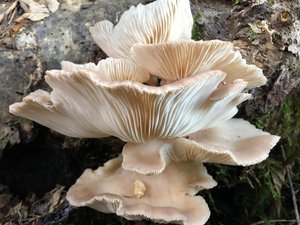
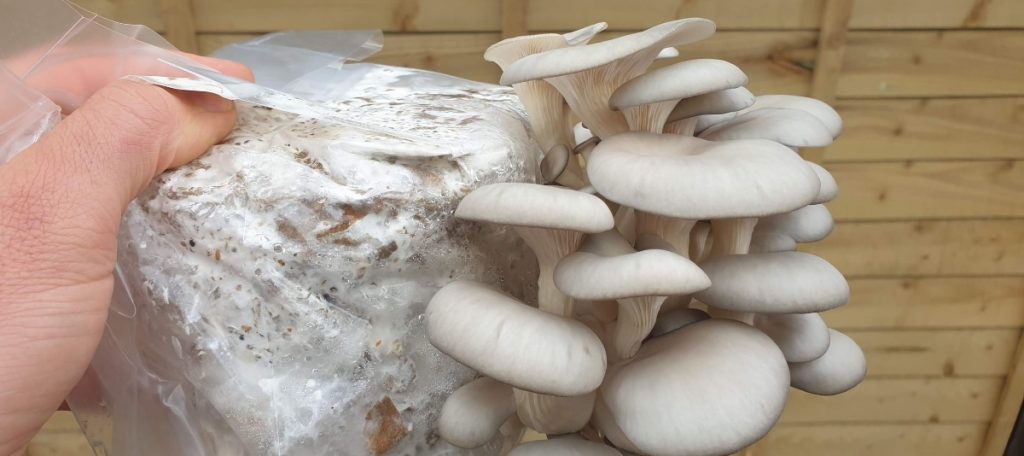
Oyster mushrooms are delicate and tender, which means cleaning them requires a gentle touch. Unlike some other mushrooms, oyster varieties grow in clusters and have a soft texture that can easily absorb water. Proper cleaning ensures you remove dirt and debris without damaging their unique shape and flavor.
Separating Clusters
Oyster mushrooms often come in tight bunches. Before cleaning, carefully pull the clusters apart with your hands. This makes it easier to reach hidden dirt and prevents bruising the mushrooms.
Take your time to gently separate each cap from the base. If you try to wash them while still stuck together, water can get trapped inside, making them soggy. Have you noticed how much cleaner your mushrooms look when they’re separated first?
Wiping Surfaces
Instead of soaking oyster mushrooms in water, use a damp cloth or paper towel to wipe each piece. This method preserves their texture and prevents them from becoming waterlogged.
Focus on the cap surfaces and the gills underneath where dirt tends to hide. If you spot stubborn spots, lightly brush them off with a soft brush or your fingers. This simple step keeps your mushrooms fresh and ready for cooking without losing their delicate flavor.
Credit: grocycle.com
Maintaining Mushroom Texture
Maintaining the texture of mushrooms during cleaning and preparation is key to a great dish. Mushrooms like shiitake, portobello, and oyster have delicate structures that can easily become soggy or mushy if handled incorrectly. Paying attention to how you clean and prepare them preserves their natural firmness and enhances your cooking results.
Cleaning Shiitake Mushrooms Without Water
Shiitake mushrooms absorb water quickly, which can make them rubbery when cooked. Instead of rinsing, gently wipe them with a damp cloth or use a soft brush to remove dirt. This keeps their texture firm and ready for sautéing or grilling.
Trimming Portobello Mushrooms For A Meaty Bite
Portobellos have thick, spongy caps that hold a lot of moisture. Cutting off the stem and scraping out the gills helps reduce excess moisture and bitterness. This simple step ensures your mushrooms stay meaty and firm when cooked.
Handling Oyster Mushrooms With Care
Oyster mushrooms are delicate and tear easily. Instead of cutting, try pulling them apart gently along their natural lines. This prevents bruising and keeps their tender texture intact for stir-fries or soups.
Tips To Avoid Mushy Mushrooms
- Use a sharp knife to make clean cuts rather than crushing the mushrooms.
- Pat mushrooms dry immediately after cleaning to remove excess moisture.
- Cook mushrooms over medium-high heat to evaporate water quickly and maintain firmness.
Think about how you feel when you bite into a perfectly cooked mushroom—doesn’t it make a difference? Applying these simple cleaning and handling techniques will help you get that satisfying texture every time.
Avoiding Common Mistakes
Cleaning shiitake, portobello, and oyster mushrooms requires care. Mistakes can ruin texture and flavor. Avoid over-wetting, which makes mushrooms soggy. Handle mushrooms gently to keep their shape intact. Use the right tools to clean them efficiently.
Using Too Much Water
Mushrooms absorb water quickly. Soaking or rinsing under running water can make them mushy. Instead, wipe with a damp cloth or use a soft brush. This keeps mushrooms firm and flavorful.
Cutting Without Proper Technique
Cutting mushrooms unevenly causes uneven cooking. Use a sharp knife for clean, precise cuts. Slice mushrooms to similar thickness. It helps them cook at the same rate.
Removing Edible Parts Unnecessarily
Only remove tough stems from shiitake mushrooms. Portobello and oyster stems are usually edible and tasty. Avoid tossing parts that add flavor and texture.
Ignoring Dirt And Debris
Mushrooms grow in soil and can have dirt stuck. Clean dirt carefully with a brush or damp towel. Avoid excessive water that breaks down the mushroom’s surface.
Storing Mushrooms Incorrectly
Store mushrooms in a paper bag, not plastic. Plastic traps moisture and causes sliminess. Keep mushrooms cool and dry for longer freshness.

Credit: food52.com
Storage Tips
Proper storage of shiitake, portobello, and oyster mushrooms is essential to keep them fresh and flavorful. Mushrooms are delicate and can spoil quickly if not stored correctly. Let’s look at practical tips that can help you extend their shelf life while maintaining their texture and taste.
How To Store Shiitake Mushrooms
Shiitake mushrooms have a meaty texture that holds up well when stored properly. Keep them in a paper bag rather than plastic to allow air circulation and prevent moisture buildup.
Store the bag in the refrigerator’s main compartment, not the crisper drawer, since excess humidity can cause them to become slimy quickly. Have you noticed how shiitake mushrooms develop a stronger aroma when stored right? That’s a good sign they’re still fresh.
Best Practices For Portobello Mushroom Storage
Portobello mushrooms are larger and denser, so they need a bit more care. Wrap them loosely in a paper towel and place them inside a partially open plastic bag or container with holes for ventilation.
This setup controls moisture while preventing drying out. Avoid washing them before storage; clean them only before cooking to keep them from absorbing water and spoiling faster.
Storing Oyster Mushrooms For Maximum Freshness
Oyster mushrooms are more fragile and have a higher water content, so handle them gently. Use a paper bag or wrap them in paper towels, then store them in the refrigerator.
They don’t last as long as shiitake or portobello, so plan to use them within a few days. Have you ever noticed oyster mushrooms turning slimy? That’s a clear sign they need to be discarded.
Frequently Asked Questions
How Do You Properly Clean Shiitake Mushrooms?
To clean shiitake mushrooms, gently wipe them with a damp cloth or paper towel. Avoid soaking them in water as they absorb moisture. Remove the tough stems before cooking for better texture and taste.
What Is The Best Way To Clean Portobello Mushrooms?
Use a soft brush or damp cloth to remove dirt from portobello mushrooms. Avoid rinsing under water to prevent sogginess. Trim off the stem and scrape the gills if desired for a milder flavor.
How Should Oyster Mushrooms Be Cleaned Before Cooking?
Wipe oyster mushrooms with a damp cloth or paper towel to remove dirt. Avoid washing them under running water to keep their texture intact. Trim any tough ends before cooking.
Can You Wash Mushrooms With Water Safely?
Mushrooms can absorb water quickly, so avoid soaking or washing under running water. Lightly wiping with a damp cloth is safer to maintain their texture and flavor during cooking.
Conclusion
Cleaning shiitake, portobello, and oyster mushrooms is simple with the right knife skills. Use gentle strokes to avoid bruising the mushrooms. Remove dirt carefully without soaking them in water. Trim stems as needed for better texture. Practicing these steps saves time and improves cooking results.
Fresh, clean mushrooms bring better flavors to any dish. Keep your knives sharp and work slowly for best results. Enjoy cooking with confidence and fresh mushrooms every time.
