
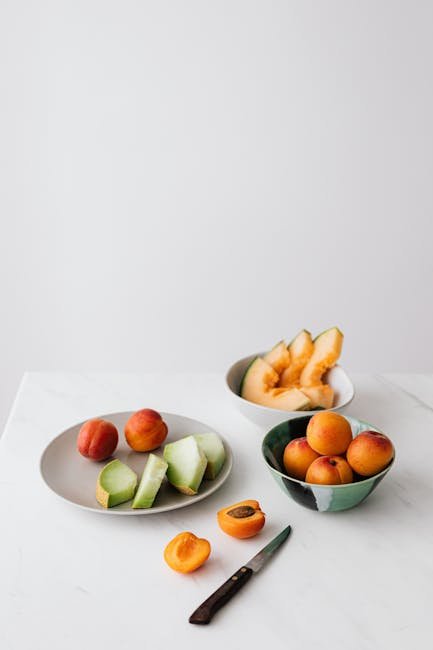
Do you ever find yourself struggling with cutting a cantaloupe? You’re not alone.
Many people shy away from this delicious fruit simply because they aren’t sure how to tackle it safely. Imagine being able to cut a cantaloupe effortlessly, turning it into a beautiful display ready for any occasion. Sounds great, right? This is where knife skills come into play.
By mastering the art of slicing through a cantaloupe, you can save time and enjoy your fruit without the hassle. In this video, you’ll learn step-by-step techniques that make cutting a cantaloupe easy and fun. You’ll discover tips to keep your fingers safe and your slices perfect. Get ready to transform your kitchen experience and never struggle with a cantaloupe again.
Choosing The Right Cantaloupe
Choosing the right cantaloupe is key to a smooth cutting experience and a delicious result. A perfectly ripe melon feels like a promise of juicy sweetness inside. But how do you pick one that’s just right for slicing?
Signs Of Ripeness
Look for a cantaloupe with a creamy, golden color under the net-like texture on its skin. Avoid melons that are greenish, as they are likely underripe and harder to cut. A sweet, fruity aroma near the stem end is a great sign that the melon is ripe and ready.
Don’t forget to check the stem area—it should be slightly soft but not mushy. If it smells fresh and sweet, you’re holding a winner. Have you ever bought a melon that looked good but lacked aroma? That’s usually a sign it’s not ripe enough.
Selecting A Firm Melon
Your cantaloupe should feel firm overall but have a slight give when pressed gently on the blossom end (opposite the stem). Too soft means it might be overripe and mushy inside, which makes cutting tricky and messy.
Pick it up and feel the weight—heavier melons tend to be juicier. I once grabbed a very light melon and was disappointed by the dry texture inside. Trust your hands to tell you what the eyes might miss.

Credit: www.youtube.com
Essential Knife Tools
Choosing the right knife tools is key for cutting a cantaloupe safely and neatly. The perfect knife makes your work easier and more precise. Sharpness and comfort matter a lot. Different knives suit different cutting styles and melon sizes.
Understanding which knives work best helps avoid accidents. Using the right tools keeps your cantaloupe slices even and clean. Proper knives save time and reduce fruit waste.
Best Knife Types For Melons
- Chef’s knife: Versatile with a sharp, broad blade. Great for large melons.
- Paring knife: Small and precise. Ideal for peeling and trimming.
- Melon baller: Perfect for making round melon balls, not slicing.
- Serrated knife: Useful for cutting tough rinds without crushing flesh.
Choose knives with comfortable handles. Blades should be sharp and rust-resistant. Stainless steel is a common choice.
Safety Tips For Handling Knives
- Always cut on a stable surface to avoid slips.
- Hold the knife firmly with a proper grip.
- Keep your fingers away from the blade path.
- Cut slowly and steadily, no rushing.
- Use a sharp knife; dull blades slip more easily.
- Store knives safely to prevent accidents.
Preparing The Cantaloupe
Preparing a cantaloupe properly makes cutting easier and safer. It also helps keep the fruit fresh and tasty. A clean, firm cantaloupe is the best choice to start with. Follow simple steps to prepare it before slicing or dicing.
Washing And Drying
Rinse the cantaloupe under cool running water. Use your hands or a soft brush to scrub the skin gently. This removes dirt and bacteria from the surface.
Dry the cantaloupe with a clean towel. Drying prevents slipping while cutting. It also helps keep your knife steady and safe.
Removing The Stem And Ends
Place the cantaloupe on a cutting board. Use a sharp knife to cut off both ends. This creates flat surfaces for stability.
Removing the stem end makes it easier to stand the cantaloupe upright. Cut just enough to expose the inner flesh without wasting fruit.
Step-by-step Cutting Technique
Mastering the step-by-step cutting technique for a cantaloupe transforms a potentially messy task into a simple, enjoyable experience. Each stage requires attention to detail and safe knife handling to achieve clean, attractive pieces. Let’s break down the process so you can handle your cantaloupe like a pro and impress at your next meal or snack time.
Halving The Melon
Start by placing the cantaloupe on a stable cutting board. Hold it firmly and slice through the middle with a sharp chef’s knife, cutting from stem to blossom end. You want two even halves to make the next steps easier and safer.
Don’t rush this cut. A steady hand ensures the melon won’t slip, which reduces the risk of injury. Have you noticed how a dull knife makes the process harder? Using a sharp blade is key for clean, smooth cuts.
Scooping Out Seeds
Once halved, use a spoon to scoop out the seeds and stringy pulp. Press the edge of the spoon against the center and gently scoop in a circular motion. Removing all seeds ensures the cantaloupe pieces are ready to eat or use in recipes.
Try not to dig too deeply into the flesh; you want to keep as much fruit as possible. Have you ever eaten cantaloupe with leftover seeds? It’s not pleasant and can ruin the texture.
Slicing Into Wedges
Place each cantaloupe half cut-side down on the board to stabilize it. Slice each half lengthwise into wedges, aiming for pieces that are about 1 to 1.5 inches thick. This size works well for handling and further cutting.
Think about how you’ll use the wedges—whether for a snack or a salad. Adjust thickness accordingly to suit your needs. Have you tried thinner wedges for fruit platters? They add elegance and are easier to eat.
Creating Uniform Cubes
Take each wedge and run your knife along the rind to separate the flesh cleanly. Lay the rind-free wedge flat and slice lengthwise, then crosswise, to create even cubes. Uniformity helps with consistent cooking times and a polished look on the plate.
Try to keep your knife strokes smooth and confident. Notice how uniform cubes improve presentation? They make your dish look thoughtfully prepared, even if you’re just serving a simple fruit bowl.
Tips For Perfect Slices
Getting perfect slices of cantaloupe isn’t just about sharp knives; it’s about control and technique. Mastering these tips can make your cantaloupe look professional and taste better. You’ll also save time and reduce waste, making your kitchen work smoother.
Maintaining Consistent Thickness
Consistent thickness ensures each slice cooks evenly if you’re grilling or baking, and looks nicer on a fruit platter. Use a steady hand and focus on your knife angle to keep each cut uniform. Visual guides on the cutting board, like faint pencil lines or grooves, can help you stay on track.
Holding the cantaloupe firmly prevents slips that cause uneven slices. If you find your slices vary, slow down your cutting speed and concentrate on the motion. Have you noticed how your hand steadiness improves with practice? That’s the key to perfect slices every time.
Avoiding Waste
Cantaloupe’s rind and seeds can seem tricky, but smart cutting minimizes waste. Start by trimming just enough rind to expose the flesh without cutting too deep. This way, you keep the most edible fruit intact.
Cut close to the seeds but don’t rush; a sharp knife helps you get closer without damaging the flesh. Save the scraps for smoothies or fruit salads to use every bit. How often do you throw away parts that could still be enjoyed?
Serving And Storage Ideas
After mastering how to cut a cantaloupe, knowing how to serve and store it properly can make all the difference in your kitchen experience. Serving cantaloupe in an appealing way can elevate a simple fruit into a delightful treat. Meanwhile, storing it correctly ensures it stays fresh and tasty for days.
Presentation Tips
Think about color and texture when you present cantaloupe. Pair bright orange slices with fresh mint leaves or a sprinkle of chili powder for a vibrant look and exciting flavor contrast.
Try arranging cantaloupe cubes in a clear bowl or on a wooden platter to highlight its natural beauty. Adding a touch of lime juice not only boosts flavor but also helps keep the fruit fresh longer on the table.
Have you ever noticed how a simple fruit salad becomes more inviting with a sprinkle of chopped nuts or a drizzle of honey? These small touches make your cantaloupe servings stand out and invite everyone to dig in.
Storing Cut Cantaloupe
Once cut, cantaloupe needs quick refrigeration to maintain freshness. Place the pieces in an airtight container or wrap them tightly with plastic wrap.
Keep the container on the middle shelf of your fridge, where the temperature is steady. Avoid storing cut cantaloupe near strong-smelling foods, as it can absorb odors easily.
Did you know cut cantaloupe usually stays good for about 3 to 4 days in the fridge? Check for any sliminess or off smells before eating to ensure it’s still fresh.
Common Mistakes To Avoid
Cutting a cantaloupe can seem simple but many make common mistakes. These errors cause injury or waste the fruit. Avoiding these mistakes helps keep the process safe and efficient.
Focus on safety and precision. Proper knife handling and preparation make all the difference. Here are some frequent errors to watch out for.
Using A Dull Knife
A dull knife requires more force and slips easily. It increases the chance of cuts and damages the cantaloupe’s flesh. Always use a sharp, sturdy knife for clean cuts.
Cutting Without Stabilizing The Fruit
A rolling cantaloupe is dangerous to cut. It can slip and cause injury. Place the cantaloupe on a flat surface and cut a small slice off the bottom. This creates a stable base.
Peeling Before Halving
Peeling the cantaloupe first wastes time and makes cutting harder. Cut the fruit in half before removing the skin. This technique is safer and more efficient.
Not Removing Seeds Properly
Leaving seeds inside leads to a messy cut and uneven pieces. Use a spoon to scoop out all seeds before slicing the fruit. Clean seeds make cutting easier.
Cutting Uneven Pieces
Uneven slices cook or serve differently. Try to keep slices uniform in size and thickness. This improves presentation and cooking results.

Credit: www.tiktok.com

Credit: www.tiktok.com
Frequently Asked Questions
How Do You Safely Cut A Cantaloupe?
Start by washing the cantaloupe thoroughly. Use a sharp knife to cut off both ends. Slice the melon in half, then cut into manageable wedges. Remove the seeds with a spoon before slicing the flesh into pieces.
What Knife Is Best For Cutting Cantaloupe?
A sharp chef’s knife or serrated knife works best. These knives provide control and clean cuts. Avoid dull knives, as they increase the risk of slipping and injury. Always handle with care for safe cutting.
How Can I Cut Cantaloupe Quickly?
Cut the cantaloupe in half, scoop out seeds, then slice into wedges. Remove rind from each wedge, then cut into bite-sized pieces. Using a sharp knife speeds up the process and ensures clean cuts.
Can I Use A Video Tutorial To Improve Cutting?
Yes, video tutorials demonstrate proper techniques visually. They help you learn knife skills step-by-step. Watching videos reduces mistakes and improves speed and safety when cutting cantaloupe.
Conclusion
Cutting a cantaloupe is easier than you think. Watch the video closely and follow each step. Practice a few times to gain confidence. Use a sharp knife and be careful. Fresh cantaloupe slices taste great and look nice. Good knife skills save time in the kitchen.
Keep practicing to improve your cutting speed and safety. Enjoy your sweet, juicy cantaloupe every time you prepare it. Simple steps lead to great results. Try it today!

Hi, I’m Daniel Harper, a senior editor here at KitchenBucks.com. For over 10 years, I’ve been exploring kitchen gadgets and appliances to help people find tools that truly add value without breaking the bank. I love simplifying product choices so you can focus more on cooking and less on worrying about what to buy. When I’m not reviewing the latest gadgets, you’ll usually find me experimenting with coffee brewing or firing up the grill for a weekend barbecue.