
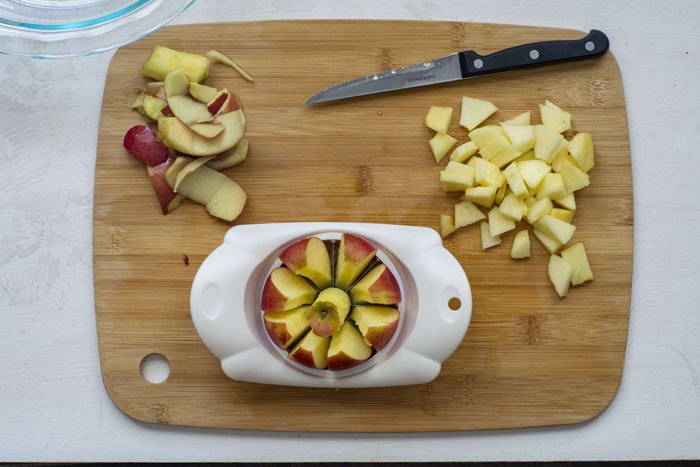
You want your apple pie to taste amazing, and it all starts with how you cut your apples. Cutting apples the right way makes a big difference in how your pie bakes and tastes.
If you’ve ever struggled with uneven slices or mushy fruit, this guide is for you. You’ll learn simple, effective knife skills that save time and make your pie look and taste perfect. Keep reading, and soon you’ll be slicing apples like a pro—your pie will thank you!
Choosing The Right Knife
Choosing the right knife makes cutting apples easier and safer. A good knife helps you slice apples evenly for perfect pies. It also saves time and effort in the kitchen. Picking the right blade and size matters a lot for this task.
Types Of Knives For Slicing
- Paring Knife:Small and sharp, ideal for peeling and trimming apples.
- Utility Knife:Medium-sized, good for slicing apples into thin pieces.
- Chef’s Knife:Larger blade, useful for cutting bigger apples quickly.
- Serrated Knife:Has a saw-like edge, best for apples with tough skin.
Features To Look For
- Sharpness:A sharp blade cuts cleanly without crushing the apple.
- Blade Length:Medium blades (4-7 inches) offer control and efficiency.
- Handle Comfort:Choose a handle that feels secure and fits your hand.
- Balance:A well-balanced knife reduces hand fatigue during slicing.
- Blade Material:Stainless steel blades resist rust and stay sharp longer.

Credit: www.amateurgourmet.com
Preparing The Workspace
Preparing your workspace sets the stage for cutting apples smoothly and safely. A clean, organized area helps keep tools within reach and avoids accidents. It also saves time and effort during pie preparation.
Essential Tools And Equipment
- A sharp chef’s knife or paring knife for precise cuts
- A sturdy cutting board, preferably non-slip
- A bowl for sliced apples
- A peeler to remove apple skins quickly
- A damp cloth to clean spills immediately
Having these tools ready ensures a smooth cutting process. Choose equipment that feels comfortable in your hand to maintain control.
Safety Tips
- Keep your cutting board stable by placing a damp towel underneath
- Cut apples on a flat surface to prevent slipping
- Hold the apple firmly and curl your fingers away from the blade
- Use slow, steady motions instead of rushing
- Keep knives sharp to reduce the risk of slipping
These safety practices protect your fingers and make cutting easier. A safe setup encourages confidence and precision while slicing apples.
Apple Selection And Preparation
Choosing the right apples and preparing them properly sets the foundation for a perfect pie. Your knife skills will shine only if you start with apples that balance flavor and texture. Preparation involves more than just washing; it’s about handling your fruit with care to keep every slice clean and ready for baking.
Best Varieties For Pies
Not all apples are created equal for pies. You want apples that hold their shape and offer a good balance of sweet and tart. Here are some top picks:
- Granny Smith:Tart and firm, they keep their structure well during baking.
- Honeycrisp:Sweet with a crisp bite, great for texture.
- Braeburn:Balanced flavor and firm flesh that doesn’t turn mushy.
- Jonathan or Jonagold:Slightly tart, providing depth to pie filling.
Think about the flavor you want to highlight—do you prefer your pie to lean more tart or sweet? Mixing varieties can also bring complexity to your pie’s taste.
Washing And Peeling
Start by rinsing your apples under cool running water to remove dirt and any residual pesticides. Pat them dry to avoid slippery hands while cutting. Peeling is optional but often recommended for pies to avoid a tough texture.
Use a sharp paring knife or a peeler to remove the skin in smooth, even strokes. If you’ve ever struggled with peeling, try rotating the apple instead of moving the knife—this technique gives more control and reduces waste. Remember, the goal is to maintain as much apple flesh as possible for your pie.
Basic Cutting Techniques
Basic cutting techniques for apples make pie preparation easier and neater. Proper cuts ensure even cooking and a beautiful pie filling. These techniques help remove unwanted parts and create slices that bake well. Practice these simple steps to improve your apple cutting skills.
Core Removal Methods
Start by washing the apple thoroughly. Place it on a stable cutting board. Use a sharp knife or an apple corer to remove the core. For a knife, cut the apple into halves or quarters. Cut out the tough center with a small, angled slice. A corer removes the core in one quick motion. This step keeps the apple pieces soft and easy to eat.
Quartering And Slicing
Cut the cored apple into quarters if not done already. Lay each quarter flat on the board for safety. Slice each quarter into even pieces, about 1/4 inch thick. Keep slices uniform to ensure even baking. Thin slices cook quickly and soften nicely. Thicker slices hold shape better for rustic pies. Choose slice thickness based on your pie style and recipe.
Achieving Perfect Slices
Achieving perfect apple slices is key for a delicious pie. Even slices cook evenly and look great. This step improves both taste and presentation. Here are simple tips to get perfect slices every time.
Consistent Thickness
Cut apples into slices of the same thickness. This helps them cook evenly in the pie. Use a sharp knife for clean cuts. Try to keep each slice about 1/4 inch thick. Use a ruler or guide if needed. Consistency prevents some slices from burning or staying raw. Keep your hand steady and slice slowly.
Avoiding Browning
Apple slices brown quickly after cutting. This can affect the pie’s look and taste. To prevent browning, soak slices in lemon water. Use about one tablespoon of lemon juice per cup of water. Soak for 3 to 5 minutes, then drain well. Another option is to cover slices with plastic wrap right after cutting. Work fast to reduce air exposure. Fresh slices keep the pie bright and fresh-looking.

Credit: www.tiktok.com
Advanced Knife Skills
Advanced knife skills can transform your apple cutting for pies from a simple task into an art form. Mastery in this area not only improves the appearance of your pie but also ensures even cooking and consistent texture. These skills require practice, focus, and the right techniques to handle apples with speed and precision.
Efficient Cutting Techniques
Efficiency starts with choosing the right knife—usually a sharp chef’s knife or a paring knife works best for apples. Hold the apple firmly and use smooth, deliberate motions to slice through the fruit without crushing it. Try cutting in a single, continuous motion rather than sawing back and forth; this reduces bruising and keeps the slices clean.
Another tip is to prep your apple by cutting it into quarters and removing the core before slicing. This setup saves time and allows you to focus on consistent thickness for each piece. Have you noticed how uneven slices can cause some pieces to undercook or turn mushy? Precision here makes a big difference.
Speed And Precision
Speed comes from practice but precision must never be sacrificed for the sake of going faster. Develop muscle memory by repeating the cutting motions slowly at first, then gradually increasing your pace. You’ll find that your hands begin to anticipate the knife’s movement, making each cut both quick and clean.
Try setting a goal: how many perfectly sliced apple pieces can you make in one minute? Challenge yourself to beat that number without losing accuracy. This kind of focused practice turns a chore into a skill you’ll be proud to show off in your baking routine.
Maintaining Knife Sharpness
Maintaining the sharpness of your knife is crucial for cutting apples cleanly and safely. A sharp knife makes slicing easier and helps create even pieces for your pie. Dull knives require more force, increasing the risk of slips and uneven cuts. Regular care keeps your blade ready and efficient.
Sharpening Methods
Keep your knife sharp using a few simple tools:
- Whetstone:Soak the stone in water, then slide the blade at a 15-20 degree angle.
- Honing Rod:Use before each use to realign the edge without removing metal.
- Electric Sharpener:Quick and easy, but use gently to avoid over-sharpening.
Test sharpness by slicing a tomato or paper. A sharp knife cuts smoothly without tearing.
Storage Tips
Proper storage protects your knife’s edge and prevents accidents.
- Knife Block:Store blades upright to avoid dulling.
- Magnetic Strip:Keeps knives accessible and off surfaces.
- Blade Guards:Use if storing knives in drawers to prevent damage.
Never toss knives loosely in drawers. This dulls blades and risks injury.

Credit: www.tiktok.com
Frequently Asked Questions
How Do You Safely Cut Apples For Pies?
Use a sharp knife and stable cutting board. Peel the apple, then slice it in half vertically. Remove the core with a small paring knife. Cut the halves into even slices for uniform baking.
What Knife Is Best For Cutting Apples?
A sharp paring knife or chef’s knife works best. These knives offer control and precision. Avoid dull knives to prevent accidents and uneven cuts. A sharp blade makes peeling and slicing easier and safer.
How Thick Should Apple Slices Be For Pies?
Aim for 1/4-inch thick slices. This thickness ensures even cooking and softness. Thinner slices may become mushy, while thicker ones stay firm. Consistent thickness helps the pie bake perfectly every time.
Should Apples Be Peeled Before Cutting For Pies?
Yes, peeling apples is recommended for pies. Removing the skin improves texture and prevents toughness. It also allows the filling to blend smoothly. Use a vegetable peeler or paring knife to peel easily.
Conclusion
Cutting apples for pies becomes easier with practice and simple steps. Use a sharp knife and steady hands for clean slices. Peeling and coring first helps make uniform pieces. Even cuts cook evenly and look great in your pie. Take your time and enjoy the process.
Soon, you will feel more confident with each apple you slice. Happy baking and tasty pies await!

Hi, I’m Daniel Harper, a senior editor here at KitchenBucks.com. For over 10 years, I’ve been exploring kitchen gadgets and appliances to help people find tools that truly add value without breaking the bank. I love simplifying product choices so you can focus more on cooking and less on worrying about what to buy. When I’m not reviewing the latest gadgets, you’ll usually find me experimenting with coffee brewing or firing up the grill for a weekend barbecue.