
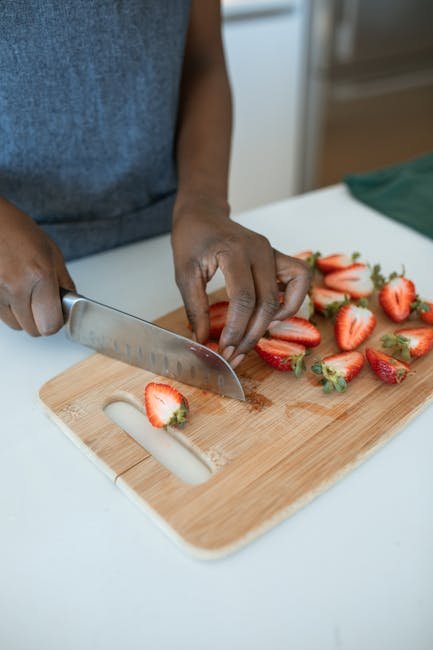
Are you ready to master a simple skill that will change the way you cook eggplants forever? Knowing how to cut eggplants properly isn’t just about safety—it’s about unlocking their full flavor and texture.
Imagine preparing your favorite dishes with perfectly sliced eggplants every time, making your meals look and taste better. In this guide, you’ll learn easy, step-by-step knife skills that anyone can follow. By the end, you’ll feel confident handling eggplants like a pro, saving time and impressing everyone at your table.
Let’s get started!

Credit: www.youtube.com
Choosing The Right Eggplant
Choosing the right eggplant is key to perfect cuts and great taste. A fresh, firm eggplant holds its shape well. It also has fewer seeds and less bitterness. Picking the right type and freshness makes cutting easier and cooking better.
Types Of Eggplants
Eggplants come in many shapes, sizes, and colors. Common types include:
- Globe eggplants – large, dark purple, and round. Great for slicing and grilling.
- Italian eggplants – similar to globe but smaller and more tender.
- Japanese eggplants – long, slender, and deep purple. Ideal for stir-frying.
- White eggplants – smooth white skin and mild flavor. Perfect for roasting.
- Indian eggplants – small, round, and dark purple. Best for curries and stews.
Each type has different textures and cutting needs. Pick one that suits your recipe and cutting style.
Selecting Fresh Eggplants
Fresh eggplants feel heavy for their size. The skin should be shiny and smooth. Avoid eggplants with wrinkles or brown spots. Press the skin gently. It should bounce back quickly.
Check the stem. It should be green and fresh, not dry or brown. Avoid eggplants with soft or mushy spots. These signs show the vegetable is old or damaged.
Essential Knife Tools
Mastering knife skills to cut eggplants starts with having the right tools on hand. The knife you choose and how well it’s maintained can make a huge difference in your cutting precision and safety. Before you slice into that shiny purple skin, let’s focus on the essential knife tools that will make your task smoother and more enjoyable.
Choosing The Best Knife
Eggplants have a firm yet delicate texture that calls for a sharp, sturdy knife. A chef’s knife or a santoku knife with a sharp, straight edge works best to get clean, even slices.
Look for a blade length between 6 to 8 inches—it’s long enough to handle the eggplant’s size but still easy to control. Avoid serrated knives; they tend to tear the flesh rather than slice smoothly.
Have you ever struggled with a dull knife making your cutting uneven or unsafe? Investing in a good-quality knife designed for vegetables can change how you prep entirely.
Knife Maintenance Tips
Keeping your knife sharp is key to effortless eggplant slicing. Use a honing steel regularly to realign the blade’s edge, especially before each use.
Sharpen your knife with a whetstone or a professional sharpener every few months to maintain its cutting power. Dull knives require more force, which increases the chance of slipping and accidents.
After washing, always dry your knife immediately to prevent rust and corrosion. Store it safely in a knife block or on a magnetic strip to protect the blade and your fingers.
Preparing Eggplants For Cutting
Preparing eggplants for cutting sets the stage for great cooking. Proper preparation helps keep the eggplant fresh and easy to handle. It also ensures clean, even slices for your recipe. Start with simple steps to get the best results.
Washing And Drying
Rinse eggplants under cool running water. Use your hands to gently rub the skin. This removes dirt and any residues. Avoid soaking the eggplant to prevent water absorption. Pat the eggplant dry with a clean kitchen towel or paper towels. Dry skin is easier to cut and less slippery.
Removing Stems And Ends
Place the eggplant on a cutting board. Use a sharp knife to cut off the green stem. Trim both ends of the eggplant to create flat surfaces. This gives the eggplant stability while cutting. Removing these parts also helps avoid bitterness in your dish.
Basic Cutting Techniques
Eggplants have a unique texture that needs careful cutting. Basic cutting techniques help prepare eggplants evenly for cooking. Proper cuts ensure quick cooking and better taste. Using the right knife and steady hands improves safety and results. Practice these simple techniques to handle eggplants with confidence.
Slicing Eggplants
Slicing eggplants creates thin, flat pieces. Use a sharp knife and a stable cutting board. Cut off the stem first for easy handling. Hold the eggplant steady with your fingers curled inward. Slice it into rounds or lengthwise strips. Aim for even thickness to cook uniformly. Thin slices work well for grilling or frying.
Dicing For Recipes
Dicing eggplants means cutting into small cubes. Start by slicing the eggplant into rounds. Stack a few slices and cut them into strips. Turn the strips and cut across to form cubes. Keep the pieces similar in size for even cooking. Diced eggplant suits stews, stir-fries, and sauces. Clean cuts help the eggplant absorb flavors better.
Advanced Cutting Styles
Advanced cutting styles elevate your eggplant dishes by enhancing texture and presentation. These techniques require precision but reward you with uniform pieces that cook evenly and look professional. Mastering these cuts can transform a simple recipe into a culinary experience that impresses every time.
Julienne Cut
The julienne cut creates thin, matchstick-like strips of eggplant. Start by trimming the ends, then slice the eggplant into 1/4-inch thick slabs. Stack a few slabs and cut them lengthwise into thin strips.
This cut is perfect for stir-fries or salads where you want the eggplant to blend seamlessly with other ingredients. When I first tried julienning eggplants, I found it easier to control the size by stacking the slices carefully. Have you noticed how uniform strips cook faster and absorb flavors better?
Rondelle Slices
Rondelle slices are round, coin-shaped cuts that show off the eggplant’s circular cross-section. Simply cut the eggplant into even discs, about 1/4 to 1/2 inch thick. Keep your knife straight to get clean, even slices.
This style works well for grilling or layering in casseroles. I like using rondelle slices because they hold their shape and give a nice bite. What dishes could you imagine where perfect, round slices make a difference?

Credit: www.youtube.com
Safety Tips For Cutting
Cutting eggplants might seem straightforward, but safety should always come first. Eggplants have a slippery skin and a firm texture that can make cutting tricky. Paying attention to how you handle your knife and the vegetable will protect your fingers and keep your prep time smooth.
Proper Hand Positioning
Your non-dominant hand holds the eggplant steady, but how you position it matters a lot. Curl your fingers inward, creating a claw shape to keep fingertips tucked safely away from the blade. This grip not only stabilizes the eggplant but also guides the knife along your knuckles, acting as a natural barrier.
Hold the eggplant firmly but avoid squeezing too hard to prevent it from slipping. Position the eggplant on a stable cutting board to stop it from rolling, especially when cutting rounds or slices. Have you noticed how a small slip can turn a quick chop into a painful moment? This simple adjustment can prevent that.
Avoiding Common Injuries
Most knife injuries happen because of sudden slips or distractions. Always focus on your cutting task—no multitasking here. Keep your knife sharp; dull knives require more force and increase the chance of slipping.
Use a knife appropriate for the size of the eggplant—too big or too small can make control difficult. If the eggplant is long and uneven, consider cutting it into smaller sections first to create a stable base. Remember, a stable surface means safer cuts.
- Never rush your cutting; take your time to maintain control.
- Keep your cutting board dry and clean to avoid slips.
- Store knives properly and handle them with respect.
What small habit can you change today to make your kitchen safer? Sometimes, the simplest safety tweak can save you from an injury and keep your cooking enjoyable.
Storing Cut Eggplants
Once you’ve sliced your eggplant with precision, knowing how to store it properly can keep it fresh and flavorful for your next meal. Cut eggplants tend to brown and spoil quickly due to their high moisture content, so proper storage is essential to maintain their texture and taste. Let’s look at practical ways to store your cut eggplant, whether you plan to use it soon or save it for later.
Short-term Storage
For storing cut eggplants that you plan to use within a couple of days, refrigeration is your best bet. Place the slices or cubes in an airtight container or wrap them tightly in plastic wrap to minimize exposure to air.
Adding a little lemon juice or vinegar on the cut surfaces can slow down browning. Keep the container in the crisper drawer of your fridge where the humidity is higher. Have you noticed how sometimes your eggplant turns slimy quickly? Proper wrapping and cold storage help prevent that.
Long-term Preservation
If you want to keep cut eggplant for weeks or months, freezing is the way to go. First, blanch the pieces by boiling them briefly (about 4 minutes) and then plunging them into ice water to stop cooking. This step preserves the texture and color better than freezing raw slices.
After blanching, drain and dry the eggplant thoroughly. Spread the pieces out on a baking sheet to freeze individually before transferring them to a freezer-safe bag or container. This prevents them from sticking together and makes portioning easier later.
Do you find frozen eggplant soggy after thawing? Blanching helps reduce that issue, but remember, frozen eggplant works best in cooked dishes rather than raw preparations.
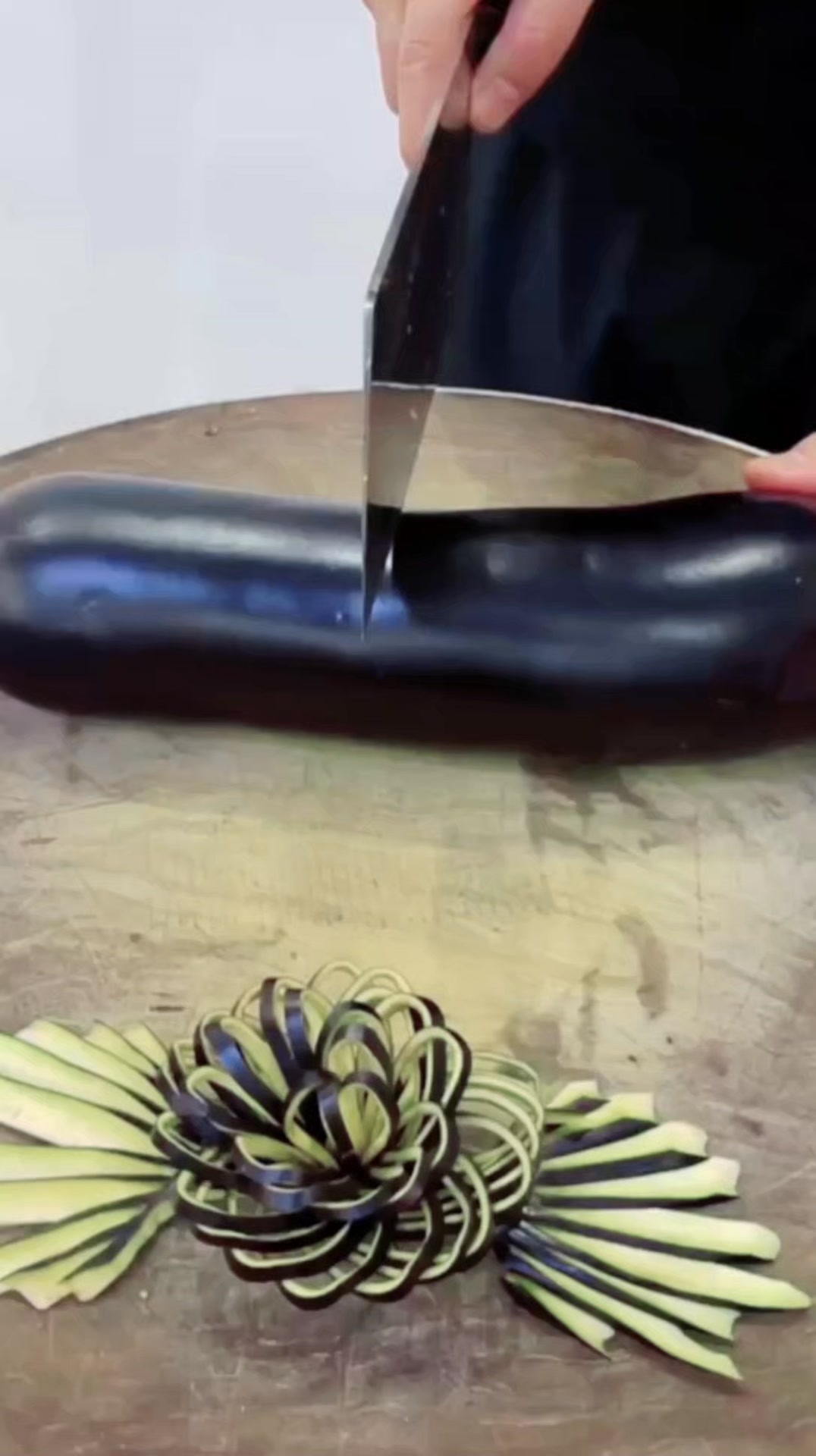
Credit: www.facebook.com
Frequently Asked Questions
How Do You Safely Cut An Eggplant?
Use a sharp knife and a stable cutting board. Hold the eggplant firmly and slice off the ends first. Cut the eggplant into desired shapes with smooth, even strokes to avoid slipping and ensure safety.
What Knife Is Best For Cutting Eggplants?
A chef’s knife or santoku knife is ideal for cutting eggplants. These knives provide good control and sharpness, making clean cuts easier. Avoid serrated knives as they may tear the eggplant’s flesh.
Should You Peel Eggplants Before Cutting?
Peeling eggplants is optional and depends on the recipe. The skin is edible and contains nutrients. For recipes requiring a softer texture, peeling helps reduce bitterness and toughness.
How To Prevent Eggplants From Browning After Cutting?
Sprinkle lemon juice or soak cut eggplant in salted water. This prevents oxidation, which causes browning. Dry the eggplant well before cooking to maintain its texture and flavor.
Conclusion
Cutting eggplants well makes cooking easier and safer. Use a sharp knife and steady hands. Slice carefully to get even pieces every time. Practice these simple steps to improve your skills. Enjoy preparing delicious meals with confidence. Keep your kitchen safe and neat while working.
Small efforts bring better results in your cooking. Try different cuts to find what you like best. Cooking becomes more fun with better knife skills. Keep practicing, and you will get better soon.

Hi, I’m Daniel Harper, a senior editor here at KitchenBucks.com. For over 10 years, I’ve been exploring kitchen gadgets and appliances to help people find tools that truly add value without breaking the bank. I love simplifying product choices so you can focus more on cooking and less on worrying about what to buy. When I’m not reviewing the latest gadgets, you’ll usually find me experimenting with coffee brewing or firing up the grill for a weekend barbecue.