
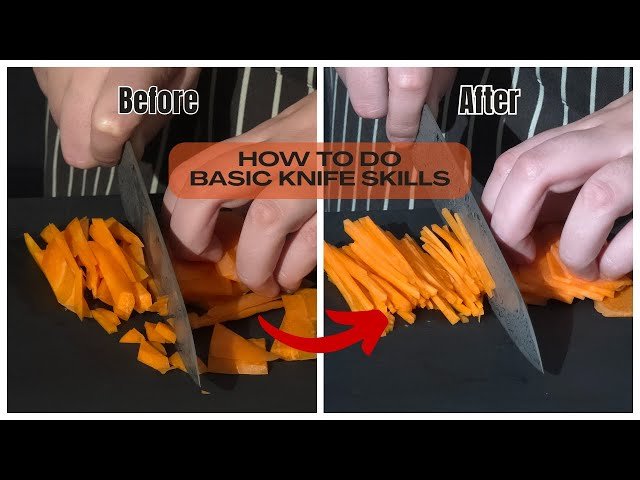
Want to make the perfect crispy French fries at home? It all starts with your knife skills.
Cutting fries the right way isn’t just about chopping potatoes—it’s about unlocking the secret to that ideal crunch and even cooking every time. In this guide, you’ll learn simple, effective techniques to cut French fries like a pro. By mastering these skills, you’ll impress your family and friends with fries that taste like they came from a restaurant.
Ready to sharpen your knife skills and transform your fries? Let’s dive in!

Credit: www.acouplecooks.com
Choosing The Right Potato
Choosing the right potato is key to making perfect French fries. The texture, taste, and crispiness depend on the potato variety. Picking the right one helps fries cook evenly and taste great.
Best Varieties For French Fries
- Russet potatoes: High starch, low moisture. They give crispy outsides and fluffy insides.
- Yukon Gold: Medium starch, creamy texture. They create a rich flavor and golden color.
- Idaho potatoes: Similar to Russet, ideal for frying due to their dry texture.
- Maris Piper: Popular in the UK, known for crisp fries with a soft center.
Factors To Consider
- Starch content: High starch means crispier fries.
- Moisture level: Low moisture prevents soggy fries.
- Size and shape: Choose potatoes that are long and straight for uniform fries.
- Freshness: Fresher potatoes have better texture and flavor.
Credit: www.thekitchn.com
Essential Tools
Cutting perfect French fries starts with having the right tools at your disposal. Without the proper equipment, even the best cutting technique can become frustrating and unsafe. Investing in essential tools not only speeds up the process but also ensures consistent and clean cuts every time.
Knives And Equipment
Your knife choice directly affects how easily you slice through potatoes. A sharp chef’s knife with a sturdy blade offers control and precision. Avoid using small paring knives; they often slip and make uneven cuts.
Besides a good knife, a stable cutting board is crucial. A wooden or plastic board with non-slip feet keeps everything steady as you work. You might also consider a mandoline slicer if you want uniform fries quickly, but be cautious and use the hand guard.
- Chef’s knife:8 to 10 inches long, with a sharp, firm blade
- Cutting board:Non-slip, large enough for potatoes
- Mandoline slicer:Optional but useful for uniform thickness
Sharpening Tips
Sharp knives make cutting safer and more precise. Dull blades force you to apply extra pressure, increasing the risk of slips. Regularly sharpen your knives using a whetstone or sharpening steel.
Try this simple test: gently slice a tomato. If the knife glides through without squashing the skin, it’s sharp enough. If not, spend a few minutes sharpening—it will transform your cutting experience.
Do you find that your knife gets dull quickly? Storing knives properly and hand washing them immediately after use can maintain their edge longer. Avoid dishwashers; they dull blades fast.
Preparing The Potato
Preparing the potato is a key step that sets the foundation for perfect French fries. How you handle this stage affects the texture, flavor, and even cooking time. Taking a few extra minutes here can make a big difference in your final dish.
Washing And Peeling
Start by rinsing your potatoes under cold water to remove dirt and debris. Use a vegetable brush if you want to be thorough, especially if you plan to leave the skin on for rustic fries.
Peeling is optional but recommended for classic French fries. Use a sharp peeler to remove the skin evenly without wasting too much of the potato flesh. Have you noticed how a dull peeler can make this frustrating and uneven?
Removing Imperfections
Potatoes often have eyes, green spots, or bruises that can affect taste and safety. Grab a small paring knife to carefully cut out these imperfections.
Removing these spots ensures your fries cook evenly and taste fresh. Have you ever bitten into a fry that tasted bitter or off? That’s usually due to leftover green areas or bruises.
Mastering The Cut
Mastering the cut is the foundation of making perfect French fries. Your knife skills directly affect the texture, cooking time, and overall taste of the fries. Sharpening your technique ensures consistency and confidence every time you pick up a knife.
Basic Techniques
Start by choosing a sharp chef’s knife to make clean, precise cuts. Hold the potato firmly and slice off the ends to create flat surfaces, making it stable on the cutting board.
Cut the potato into thick slabs, then stack a few slabs before cutting them into sticks. Keep your fingers curled inward to protect them and guide the knife safely.
Remember, slow and steady cuts are better than rushing. This approach helps maintain control and avoids uneven or jagged edges.
Achieving Uniformity
Uniform fries cook evenly and look more appealing. Use your knuckles as a guide to keep the thickness consistent while cutting.
Try to aim for sticks that are about 1/4 inch thick. If your fries vary too much, thinner ones will burn before thicker ones cook through.
Consider using a ruler or a cutting guide if you’re new to this. Consistency not only improves taste but also helps you master timing when frying or baking.
Advanced Cutting Techniques
Advanced cutting techniques can elevate your French fry game beyond the basic slice. These methods not only improve the look of your fries but also affect their texture and how they cook. Mastering these cuts gives you more control over the final result on your plate.
Julienne Cuts
Julienne cuts create thin, matchstick-like fries that cook quickly and evenly. Start by trimming the potato into a rectangular block. Then, slice it into thin, uniform planks about 1/8 inch thick.
Stack the planks carefully and cut them into slender strips. Consistency is key here; uneven strips will cook at different rates. Have you ever noticed how thin fries get crispy faster? That’s the magic of a proper julienne cut.
Crinkle Cuts
Crinkle cuts add texture and a fun twist to your fries. Use a crinkle cutter or wavy knife to create ridged edges on each slice. These grooves increase surface area, making the fries crunchier when fried or baked.
Cut potatoes into thick slices first, then run the cutter across them. The ridges help hold onto sauces better, so think about dipping experience when you choose this style. Have you tried crinkle cut fries that stay crispy longer? That’s no accident—it’s all in the cut.

Credit: www.tiktok.com
Maintaining Knife Safety
Maintaining knife safety is essential when cutting French fries. It protects your fingers and keeps your work area safe. Safe knife habits build confidence and reduce accidents. Simple rules make your cutting process smooth and worry-free.
Proper Handling
Hold the knife firmly with your dominant hand. Keep your fingers curled under on the other hand to hold the potato. This “claw grip” keeps fingertips safe from the blade. Always cut on a stable cutting board to avoid slips. Use smooth, controlled motions rather than forceful chopping. Keep the knife blade sharp; dull knives are more dangerous. A sharp blade cuts cleanly and requires less pressure.
Preventing Injuries
- Never rush while cutting. Take your time for each slice.
- Keep your eyes on the knife and potato at all times.
- Wear a cut-resistant glove if you are new to knife skills.
- Store knives safely when not in use, away from children.
- Clean knives carefully, wiping from the handle to the tip.
- Dry knives immediately to prevent slipping during use.
Achieving Perfect Crispness
Achieving perfect crispness in your French fries is all about controlling a few key factors during the cooking process. It’s not just about cutting the potatoes right; how you cook them and manage the oil temperature makes a huge difference. I’ve found that tweaking these details can turn average fries into a crunchy, golden delight every time.
Cooking Methods
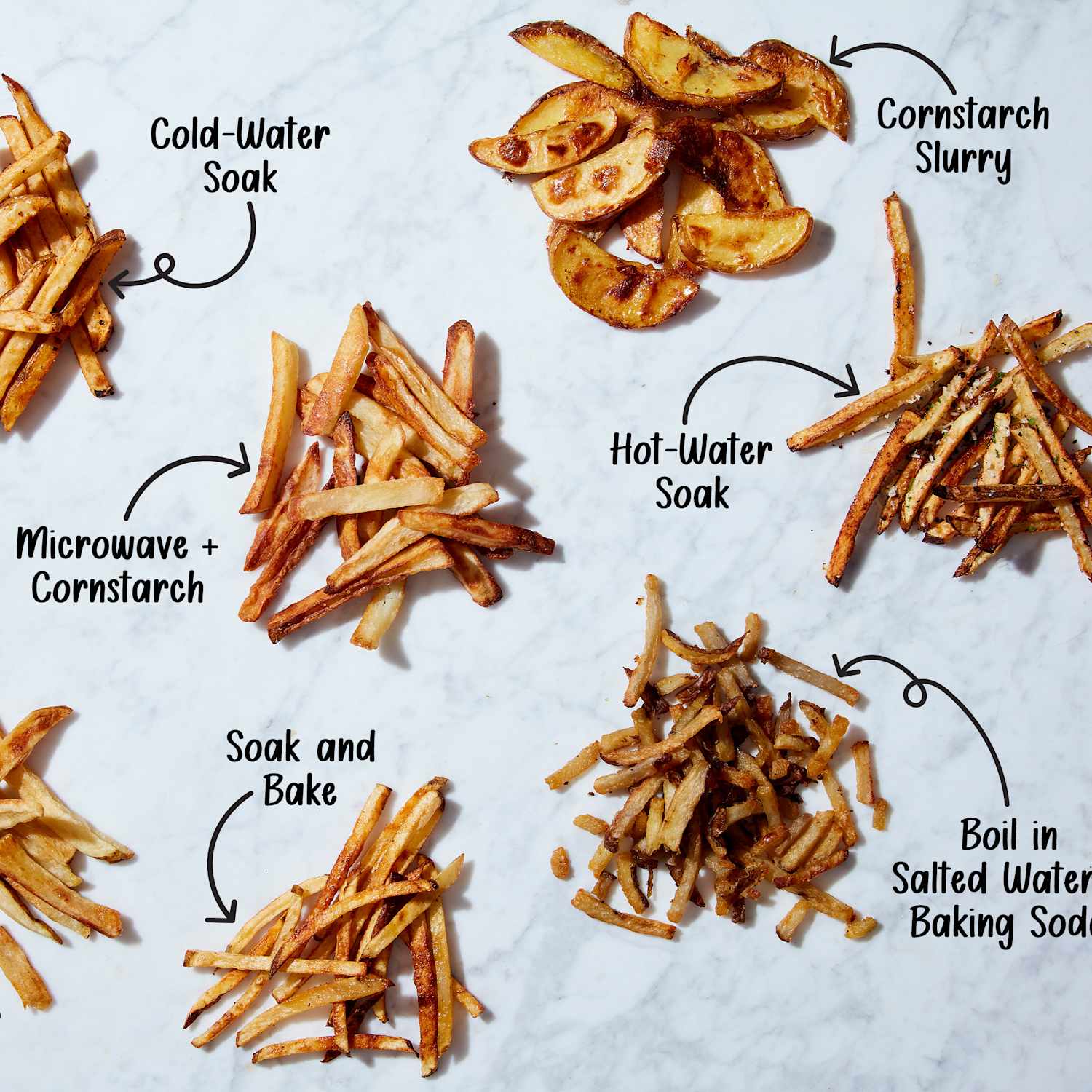
You have several ways to cook French fries, but each method impacts the texture differently. Deep frying is classic—it gives you that unbeatable crisp exterior and soft inside. However, if you prefer a healthier option, oven baking or air frying can also work well, though you might need to adjust cooking times to get that same crunch.
Try double frying if you want restaurant-quality fries at home. Fry them first at a lower temperature to cook the inside, then again at a higher temperature to crisp up the outside. This simple trick can be a game changer if you’ve ever struggled with soggy fries.
Oil Temperature Tips
Maintaining the right oil temperature is crucial. If the oil is too cool, fries soak up excess oil and become greasy. Too hot, and they burn on the outside while remaining raw inside.
Keep your oil between 325°F (163°C)and 375°F (190°C). Start frying at the lower end to cook the potato through, then raise the temperature for the final crisp. A kitchen thermometer is your best friend here—don’t guess!
Ever wondered why your fries turn limp after cooling? It often means the oil wasn’t hot enough or fries were overcrowded. Give each fry enough space to cook evenly and stay crispy.
Troubleshooting Common Issues
Cutting perfect French fries is as much about technique as it is about troubleshooting the common problems that pop up. Even with sharp knives and steady hands, issues like soggy fries or uneven cooking can ruin your results. Understanding why these problems happen and how to fix them will improve your knife skills and your fries dramatically.
Soggy Fries
Soggy fries often come from excess moisture left on the potatoes after cutting. You might think rinsing the fries is enough, but if you don’t dry them thoroughly, the moisture creates steam during frying instead of crisping the surface.
Try patting the fries dry with a clean kitchen towel or paper towels. If you have time, let them air dry on a rack for 10-15 minutes. Another trick is to soak the cut potatoes in cold water for at least 30 minutes before drying; this removes excess starch that can cause sogginess.
Have you noticed how fries straight from the freezer tend to be crispier? That’s because freezing helps remove moisture. You can freeze your fries for a short period before frying for a similar effect.
Uneven Cooking
Uneven cooking usually happens when the fries are cut into inconsistent sizes. Thinner fries cook faster and can burn while thicker ones remain undercooked. Your knife skills directly affect this outcome.
Focus on making uniform cuts by slicing the potato into even slabs first, then cutting those into sticks of equal width. Using a ruler or a guide can help until you get comfortable with eyeing it. Also, don’t overcrowd the frying pan or basket—crowding traps steam and leads to uneven heat distribution.
Consider the oil temperature too. If it’s too low, fries soak up oil and cook unevenly; too high, and the outside burns before the inside cooks. Maintaining a steady frying temperature around 350°F (175°C) is key.
Frequently Asked Questions
How Do I Cut Potatoes For French Fries?
To cut potatoes for French fries, peel and slice them lengthwise into even 1/4 to 1/2 inch sticks. Uniform thickness ensures even cooking and crispy fries. Use a sharp knife and steady cutting board for safety and precision.
What Knife Is Best For Cutting French Fries?
A chef’s knife or a santoku knife works best for cutting French fries. These knives have sharp, broad blades that make clean, straight cuts. Ensure the knife is sharp to avoid slipping and achieve uniform fries quickly and safely.
How Can I Cut Fries Evenly Every Time?
Cut fries evenly by first slicing the potato into uniform slabs, then cutting each slab into sticks of equal width. Use a ruler or guide if needed. Consistency helps fries cook evenly, resulting in a perfect texture and taste.
Should I Soak Fries After Cutting?
Yes, soak cut fries in cold water for at least 30 minutes. This removes excess starch, prevents sticking, and promotes crispiness when frying or baking. Dry fries thoroughly before cooking for the best results.
Conclusion
Cutting perfect French fries takes practice and patience. Use a sharp knife and steady hands. Keep your cuts even for uniform fries. Remember to work safely to avoid accidents. With these simple steps, you can improve your knife skills. Enjoy crispy, homemade fries anytime you want.
Practice often, and your speed will increase. Fresh, well-cut fries taste much better than frozen ones. Try this method and see the difference yourself. Cooking becomes more fun with better knife skills. Keep practicing and enjoy your delicious fries!
Hi, I’m Daniel Harper, a senior editor here at KitchenBucks.com. For over 10 years, I’ve been exploring kitchen gadgets and appliances to help people find tools that truly add value without breaking the bank. I love simplifying product choices so you can focus more on cooking and less on worrying about what to buy. When I’m not reviewing the latest gadgets, you’ll usually find me experimenting with coffee brewing or firing up the grill for a weekend barbecue.