
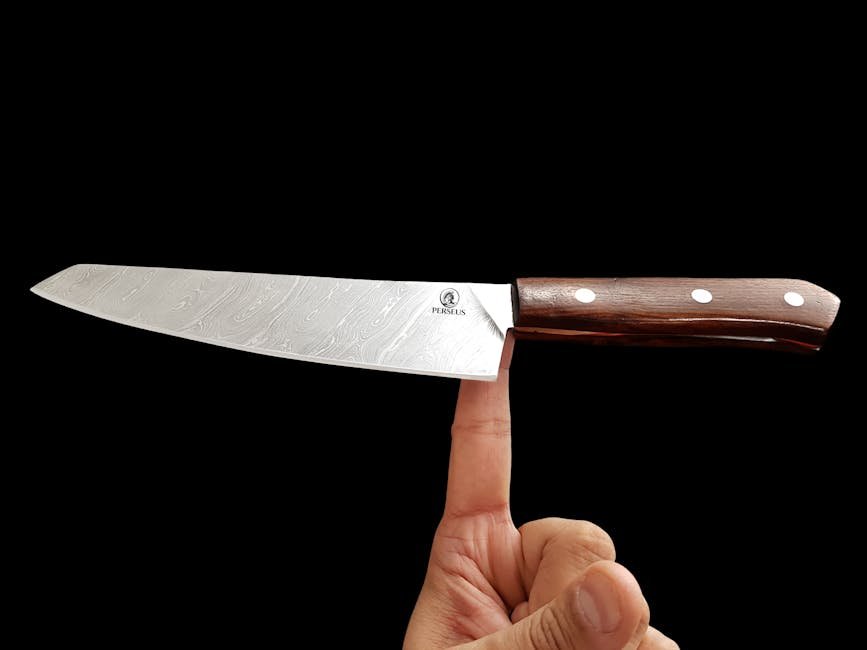
Mastering how to hold a knife might seem simple, but it’s the secret to cooking like a pro. If you’ve ever felt nervous or unsafe while chopping, slicing, or dicing, this guide is made just for you.
Holding your knife the right way gives you better control, precision, and confidence in the kitchen. Keep reading, and you’ll discover easy tips that will transform your knife skills—and make every cut feel natural and safe. Your cooking will never be the same!

Credit: www.yahoo.com
Choosing The Right Knife
Choosing the right knife is crucial before you even think about how to hold it. The knife you pick affects your control, comfort, and the quality of your cuts. It’s not just about sharpness; it’s about matching the knife’s design to your cooking style and tasks.
Understanding Different Types Of Knives
There are many knives designed for specific purposes. A chef’s knife is versatile and great for most chopping and slicing. A paring knife excels at peeling and fine detail work, while a serrated knife is perfect for bread and tomatoes.
Think about what you cook most often. Do you slice lots of vegetables, or do you need precision for delicate herbs? Your choice should fit your daily kitchen tasks.
Considering Blade Length And Weight
The blade length impacts your cutting efficiency and safety. A longer blade covers more surface but may feel unwieldy if you have smaller hands. A shorter blade offers better control but might slow you down on bigger tasks.
Weight matters too. Heavier knives can cut through tough ingredients easily but may tire your hand quickly. Lighter knives offer agility but might not handle dense foods as well.
Choosing The Right Handle
Handle comfort can’t be overlooked. Materials range from wood and plastic to metal, each with a different grip feel. A handle that fits your hand well reduces slips and increases precision.
Test the knife in your hand before buying. Does it feel balanced? Can you hold it firmly without strain? Your grip influences how safe and effective your cutting will be.
Sharpness And Maintenance
A sharp knife is safer because it requires less force to cut. However, some knives hold their edge longer than others, depending on the steel quality. Consider how often you’re willing to sharpen your knife.
If you don’t want to sharpen frequently, look for knives made from harder steel. But remember, harder steel can be more brittle, so balance sharpness with durability based on your use.
Budget And Longevity
Good knives don’t have to break the bank, but very cheap knives often disappoint in performance and durability. Investing a bit more upfront usually pays off with years of reliable use.
Think about your budget, but also about the knife as a long-term tool. Would you rather buy a knife now and replace it soon, or one that stays sharp and comfortable for a decade?
Anatomy Of A Knife
Understanding the anatomy of a knife is essential to master your knife skills and hold the tool confidently. Knowing each part’s purpose helps you handle the knife safely and cut efficiently. Let’s break down the key components that make up a typical kitchen knife.
Blade Parts
The blade is the heart of the knife. It consists of several important parts that affect how you cut.
- Tip:The pointed end is great for delicate work like scoring or detailed cuts.
- Edge:This is the sharp cutting surface. Keep your fingers away from here while holding the knife.
- Spine:The top, non-cutting edge of the blade. It adds strength and balance.
- Heel:The rear part of the edge near the handle. Use it for chopping tough ingredients.
- Bolster:Found in some knives, it’s the thick junction between the blade and handle, offering balance and finger protection.
When I first started cooking, I overlooked the heel and tip’s usefulness. Once I tried using the heel for chopping carrots, I realized how much easier tough cuts could be. Which part of the blade do you tend to use most?
Handle Design
A knife’s handle isn’t just about looks; it affects your grip and control. Handles come in various shapes and materials, each influencing comfort and safety.
- Material:Wood handles feel warm but need care. Plastic or composite handles often resist water and are easier to clean.
- Shape:Some handles are straight, others have curves or finger grooves for better grip. Choose what feels secure in your hand.
- Weight:Heavier handles can balance a heavy blade, making it easier to control. Light handles might feel quicker but less stable.
Think about your own kitchen knife—does it feel natural when you hold it? A handle that slips or strains your hand can slow you down and increase the risk of injury. Have you ever switched knives just because the handle felt better?
Grip Techniques
Mastering your grip on a knife changes the way you cut and how safe you feel while doing it. The right grip gives you control and precision, reducing slips and mistakes. Let’s look closely at two popular ways to hold your knife that can improve your kitchen skills immediately.
Pinch Grip
The pinch grip means holding the blade itself, not just the handle. You pinch the blade between your thumb and the side of your index finger, while the rest of your fingers wrap around the handle.
This grip feels natural once you try it, and it offers excellent control for detailed cutting tasks. I remember switching to the pinch grip made chopping herbs much easier and safer for me. It helps you feel the knife’s balance and makes small, precise cuts more comfortable.
Try this the next time you slice vegetables or fruit. Notice how your movements become smoother. Does your cutting feel more accurate? That’s the pinch grip at work.
Handle Grip
The handle grip is the classic way to hold a knife, with all your fingers wrapped around the handle. Your thumb rests on one side, and your fingers grip the other side firmly.
This grip is best for general cutting tasks that need power, like cutting through tougher vegetables or meats. It’s easier to use if you’re new to cooking or prefer a solid, secure feel in your hand.
When I first started cooking, the handle grip gave me confidence to tackle big chopping jobs. It’s straightforward and puts less strain on your fingers during longer prep times. Have you noticed how your wrist and arm feel using this grip? It’s a good sign you’re holding the knife correctly.

Credit: www.tiktok.com
Safety Practices
Safety is the cornerstone of mastering knife skills. Holding a knife correctly is only half the battle; maintaining a safe environment while cutting protects you from injuries and makes your work efficient. Are you confident that your setup and hand positioning minimize risk every time you slice or chop?
Proper Cutting Surface
Choosing the right cutting surface can dramatically reduce accidents. Use a sturdy, non-slip cutting board that stays put on your countertop. Avoid glass or marble boards because they can cause your knife to slip easily and dull your blade faster.
Place a damp kitchen towel under your cutting board to keep it stable. This simple trick prevents unexpected movement that could lead to cuts. Have you noticed how much steadier your chopping feels with a secure base?
Keeping Fingers Safe
Fingers often get too close to the blade. To protect them, curl your fingertips inward on the hand holding the food, creating a “claw” shape. Your knuckles will guide the knife, keeping the blade away from your skin.
Keep your grip firm but relaxed; a tight grip can make the knife harder to control. Practice this hand position slowly at first—how much safer do you feel when your fingers are out of the blade’s path?
Precision Cutting
Precision cutting is the foundation of effective knife skills. It allows you to control the size and shape of each piece, making your cooking more consistent and professional-looking. Mastering precision cutting not only improves the aesthetics of your dishes but also ensures even cooking and better texture.
Slice Vs Chop
Slicing and chopping are two fundamental cutting techniques, but they serve different purposes. Slicing creates thin, uniform pieces, perfect for vegetables like cucumbers or meats like roast beef. Chopping, on the other hand, results in roughly even pieces, ideal for ingredients like onions or herbs.
When you focus on precision, you’ll notice how the grip on your knife affects the outcome. Holding the knife firmly but flexibly helps you control the thickness of each slice or chop. Have you ever struggled with uneven cuts that ruin the dish’s texture? That’s usually a sign of imprecise knife handling.
Rocking Motion
The rocking motion is a game changer for precision cutting. Instead of lifting your knife fully off the board, keep the tip anchored and move the blade in a smooth arc. This motion gives you more control and speed while cutting.
Try this: place the tip of your knife on the cutting board and use your wrist to rock the blade back and forth. You’ll find that your slices become more even, and your chopping feels less tiring. How often do you think about the motion of your knife rather than just the end result? Paying attention to this can transform your cutting experience.
Maintaining Knife Sharpness
Maintaining the sharpness of your knife is essential for safety, efficiency, and precision in the kitchen. A dull blade requires more force, increasing the risk of slips and accidents. Keeping your knife sharp not only makes cutting tasks easier but also extends the life of your tool.
Sharpening Methods
There are several ways to sharpen your knife, each suited to different skill levels and knife types. Using a whetstone is a favorite among professionals; it offers control and precision. It might take some practice, but the smooth, sharp edge you achieve is worth the effort.
If you prefer a quicker method, a pull-through sharpener is handy and user-friendly. Just be cautious—overusing these can wear down your blade faster. Honing rods are great for regular maintenance, realigning the blade’s edge without removing much metal.
Think about your routine: How often do you cut vegetables or meat? Sharpening frequency depends on your use, but a good rule is to sharpen when the knife starts to drag rather than slice. Don’t wait until it’s dangerously dull.
Storing Correctly
How you store your knives has a big impact on their sharpness. Tossing them loosely into a drawer invites damage and dulling. Instead, use a knife block, magnetic strip, or blade guards to protect the edges.
Keeping knives dry and away from moisture prevents rust, which can ruin the blade. I once left a knife in a damp sink, and it developed tiny rust spots that were hard to remove. Since then, I always dry knives immediately and store them properly.
Ask yourself if your current storage method is helping or hurting your knives. A little care here can save you time spent sharpening and keep your kitchen safer overall.
Common Mistakes To Avoid
Holding a knife correctly is key to safe and efficient cutting. Many beginners make mistakes that slow them down or cause accidents. Avoiding these common errors helps build good habits and improves your knife skills quickly.
Improper Grip
Holding the knife too loosely reduces control. The blade can slip, making cutting unsafe. Gripping the handle only with fingers puts strain on your hand and wrist. A proper grip involves pinching the blade with your thumb and forefinger. This gives better balance and precision.
Some use a fist grip, which lowers accuracy and can tire the hand fast. Avoid holding the knife too high or too low on the handle. This causes awkward angles and uneven cuts. Aim for a firm, steady grip in the middle of the handle for best results.
Neglecting Safety
Ignoring safety rules can cause serious injuries. Never point the knife toward your body or fingers. Cutting on unstable surfaces leads to slips and accidents. Always use a cutting board with a non-slip base or place a damp towel underneath.
Using a dull knife requires more force, increasing the risk of slipping. Keep your knife sharp and clean to make cutting easier and safer. Pay attention to your movements and avoid distractions while cutting. Safety is as important as skill in the kitchen.

Credit: www.instagram.com
Frequently Asked Questions
How Do I Properly Hold A Chef’s Knife?
Hold the knife handle with your dominant hand, gripping it firmly. Place your thumb and index finger on opposite sides of the blade’s base for control. Curl your other fingers around the handle. This grip offers stability and precision while cutting.
What Is The Best Grip For Knife Safety?
The pinch grip is safest. Pinch the blade’s base with your thumb and index finger. Wrap other fingers around the handle. This grip improves control and reduces the risk of slipping, preventing accidents in the kitchen.
How Should I Position My Fingers When Holding A Knife?
Keep your fingers curled under on your non-dominant hand. Use fingertips to hold the food, guiding the knife’s blade. This claw grip protects your fingers from cuts and allows more accurate slicing.
Why Is Holding A Knife Correctly Important?
Proper grip ensures control, precision, and safety. It reduces hand fatigue and helps make consistent cuts. Holding a knife incorrectly increases the risk of accidents and uneven slicing, impacting cooking quality.
Conclusion
Holding a knife correctly makes cutting safer and easier. A firm grip helps control the blade well. Keep your fingers away from the sharp edge. Practice often to build confidence and skill. Good knife skills save time in the kitchen.
They also reduce the risk of accidents. Remember, patience and care bring better results. Try these tips every time you cook. Soon, handling a knife will feel natural and smooth.
Hi, I’m Daniel Harper, a senior editor here at KitchenBucks.com. For over 10 years, I’ve been exploring kitchen gadgets and appliances to help people find tools that truly add value without breaking the bank. I love simplifying product choices so you can focus more on cooking and less on worrying about what to buy. When I’m not reviewing the latest gadgets, you’ll usually find me experimenting with coffee brewing or firing up the grill for a weekend barbecue.