
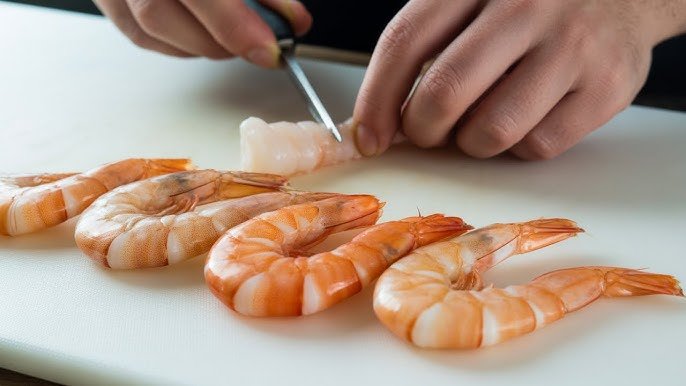
If you love cooking seafood at home, mastering how to peel and devein shrimp is a game-changer. It might seem tricky at first, but with the right knife skills, you’ll save time and enjoy cleaner, tastier shrimp every time.
In this video guide, you’ll learn step-by-step how to handle shrimp like a pro. Imagine impressing your friends with perfectly prepped shrimp that look and taste amazing. Ready to upgrade your kitchen skills? Keep reading and watch the simple techniques that will make shrimp prep easy and even fun.
Essential Tools
Mastering knife skills for peeling and deveining shrimp starts with having the right tools at your fingertips. The right equipment not only makes the job easier but also safer and more precise. Think about the last time you struggled with a dull knife or awkward tool—did it slow you down or lead to messy results?
Choosing The Right Knife
Your knife is your most important tool for shrimp prep. A small, sharp paring knife works best because it lets you make delicate cuts without damaging the shrimp meat. Look for a blade that’s easy to control and comfortable in your hand, as this reduces fatigue during repetitive tasks.
Consider knives with a pointed tip to help lift the vein out cleanly. A dull blade will tear the shrimp and make peeling a frustrating experience. If you’ve ever tried peeling shrimp with a big chef’s knife, you know why precision matters.
Additional Equipment
Besides your trusty knife, a few other tools can speed up the process and keep your workspace tidy. A small bowl of cold water helps rinse the shrimp and remove any shell bits after peeling. You might also want a pair of kitchen shears to snip tougher shells or tails.
Many find a shrimp deveiner tool handy—it’s specifically designed to remove veins quickly and cleanly. Have you tried using one yet? It can turn a tedious task into a simple, one-handed motion, saving you time and effort in the kitchen.
Preparation Steps
Getting shrimp ready for peeling and deveining is where your knife skills start to shine. Preparation is more than just washing; it’s about choosing the right shrimp and cleaning them properly to make the process smoother. Your attention to detail here will save time and improve the final taste of your dish.
Shrimp Selection
Start by picking fresh or properly thawed shrimp. Look for shrimp that have a firm texture and a mild sea smell—strong odors mean they’re not fresh.
Decide whether to buy shrimp with shells on or already peeled. Shell-on shrimp keep flavor locked in, but peeled shrimp can save you prep time.
Size matters, too. Larger shrimp are easier to handle when learning knife skills, while smaller ones require more precision.
Cleaning Techniques
Rinse the shrimp under cold running water to remove any surface dirt or grit. Pat them dry with paper towels to avoid slippery hands.
Use your fingers or a small knife to remove the legs and shell segments if you’re starting with shell-on shrimp. Keep the tail intact if you want a nice presentation.
To devein, make a shallow cut along the back of the shrimp using a paring knife. Then, lift out the dark vein with the tip of your knife or a toothpick. This step may seem tricky at first, but it quickly becomes second nature.
Peeling Shrimp
Peeling shrimp is a simple skill that can make your cooking faster and your dishes more enjoyable. It’s not just about removing the shell; it’s about doing it efficiently while keeping the shrimp intact. Let’s break down how you can peel shrimp like a pro.
Removing The Shell
Start by holding the shrimp firmly but gently. Use your fingers to pull off the legs first; they come off easily and help loosen the shell. Then, carefully peel the shell away from the body, starting at the head end and moving toward the tail.
Sometimes the shell can stick, especially on fresh shrimp. If you find it difficult, running the shrimp under cold water helps loosen the shell and makes peeling smoother. Don’t forget to remove the thin membrane underneath the shell for a cleaner bite.
Tail Handling Tips
Many people leave the tail on for presentation, but it can be tricky to peel around it. To keep the tail intact, pinch it gently and peel the shell just up to the base of the tail. This way, you get a clean peel without breaking the tail off.
If you prefer to remove the tail, twist it gently to separate it from the shrimp. This small step prevents any shell bits from ending up in your dish. Have you ever bitten into a shrimp and found a sharp shell piece? Proper tail handling avoids that unpleasant surprise.

Credit: www.tiktok.com
Deveining Shrimp
Deveining shrimp is an important step in preparing them for cooking. The “vein” is actually the shrimp’s digestive tract. It can look dark and gritty, which some people prefer to remove. Taking out the vein improves the shrimp’s texture and taste. It also makes the shrimp look cleaner and more appealing on the plate.
Locating The Vein
The vein runs along the shrimp’s back. It appears as a thin dark line. Sometimes it is black, brown, or greenish. You can see it more clearly after peeling the shell off. The vein may be hidden under the shell or flesh. Look carefully to find this line before you start deveining.
Techniques For Deveining
Use a small, sharp knife or a special shrimp deveiner. Make a shallow cut along the shrimp’s back, following the vein line. Gently lift the vein out with the tip of the knife or your fingers. You can also rinse the shrimp under cold water to remove any residue. Be careful not to cut too deep to keep the shrimp intact.
Video Tutorial Insights
The video tutorial offers clear insights into peeling and deveining shrimp. It breaks down the process into simple actions anyone can follow. Watching each move helps improve your knife skills fast. The visual guide makes it easier to grasp details that text alone might miss.
Viewers can pause and replay key moments for better understanding. The tutorial also highlights common mistakes to avoid. This kind of step-by-step learning builds confidence in handling shrimp safely and efficiently.
Step-by-step Visual Guide
The video shows each step with close-up shots. You see exactly how to hold the shrimp and where to cut. The peeling part focuses on removing the shell gently without breaking the meat.
For deveining, the video points out the dark vein along the shrimp’s back. It demonstrates how to lift and remove this vein with a small knife or deveining tool. The slow pace helps beginners follow along easily.
Clear visuals make it simple to understand the right pressure and angle. This prevents damage to the shrimp while cleaning. The tutorial repeats important steps to reinforce learning.
Expert Tips And Tricks
- Use a sharp paring knife for precise cuts.
- Keep shrimp cold to maintain firmness during peeling.
- Work on a clean surface to avoid slipping and accidents.
- Remove the head and legs first for easier shell removal.
- Rinse shrimp after deveining to remove any leftover debris.
- Practice slow and steady movements to build muscle memory.
These tips improve speed and accuracy over time. The video shares small tricks that save effort and reduce waste. Experts show how to keep shrimp intact and ready for cooking.

Credit: www.tiktok.com
Common Mistakes To Avoid
Peeling and deveining shrimp seems simple but often involves common mistakes. These errors can affect the final dish’s taste and presentation. Avoiding these pitfalls ensures a smooth cooking experience and better results.
Incorrect Knife Usage
Using the wrong knife slows down the process and risks injury. A dull or large knife makes it hard to peel and devein shrimp properly.
Choose a small, sharp paring knife for better control. Cut gently along the shrimp’s back to remove the vein without damaging the flesh.
Improper Cleaning Methods
Not rinsing shrimp thoroughly leaves sand or grit, ruining texture. Skipping the deveining step leaves a bitter taste and dark vein visible.
Rinse shrimp under cold water after peeling and deveining. Remove the dark vein carefully with the tip of your knife or your fingers.
Benefits Of Mastering Skills
Mastering the skills of peeling and deveining shrimp can transform your cooking experience in more ways than one. It’s not just about making the process easier; it’s about enhancing your overall kitchen performance and the final dish you serve. Developing these knife skills can save you time, improve your food’s look, and even boost your confidence when preparing seafood.
Improved Cooking Efficiency
Knowing how to peel and devein shrimp quickly reduces prep time significantly. Instead of struggling with shells or missing the vein, you move smoothly through your ingredients. This efficiency lets you focus on other parts of your recipe or even try new dishes without feeling overwhelmed.
Think about how much time you spend on shrimp prep right now. How much could you save with sharper skills? Those extra minutes might be enough to add a fresh salad or perfect your sauce.
Enhanced Dish Presentation
Clean, deveined shrimp look more appealing on any plate. The absence of the dark vein not only improves taste but also makes your dish visually inviting. Presentation matters, especially if you’re cooking for guests or sharing your meals on social media.
Imagine serving shrimp that looks as professionally prepared as in a restaurant. Wouldn’t that increase your pride in the meal you’ve created? Mastering these skills helps you turn simple ingredients into impressive dishes without extra effort.

Credit: www.tiktok.com
Frequently Asked Questions
How Do You Peel Shrimp Quickly And Easily?
To peel shrimp quickly, hold the body firmly and pull off the shell starting from the legs. Use your thumb to remove the shell in one smooth motion. This technique saves time and keeps the shrimp intact for cooking.
What Is The Best Method To Devein Shrimp?
The best method to devein shrimp is to make a shallow cut along the back. Use a toothpick or knife tip to lift and remove the dark vein. This ensures the shrimp is clean and free of grit before cooking.
Why Is Deveining Shrimp Important Before Cooking?
Deveining shrimp removes the digestive tract, which can contain sand and grit. It improves the shrimp’s taste and texture. Deveined shrimp are safer and more pleasant to eat, especially in dishes where presentation matters.
Can I Peel And Devein Shrimp Without Special Tools?
Yes, you can peel and devein shrimp using just your hands and a small knife or toothpick. No special tools are required. This method is efficient and ideal for home cooks wanting a simple process.
Conclusion
Peeling and deveining shrimp is easier with practice. Watch the video again to catch all steps. Use a sharp knife for clean cuts. Take your time and be gentle with the shrimp. Clean shrimp taste better and look nicer in dishes.
Try these skills next time you cook seafood. You will enjoy cooking more with simple techniques. Keep practicing to build confidence in the kitchen. Small steps lead to better results every time. Cooking shrimp can be fun and rewarding.
Hi, I’m Daniel Harper, a senior editor here at KitchenBucks.com. For over 10 years, I’ve been exploring kitchen gadgets and appliances to help people find tools that truly add value without breaking the bank. I love simplifying product choices so you can focus more on cooking and less on worrying about what to buy. When I’m not reviewing the latest gadgets, you’ll usually find me experimenting with coffee brewing or firing up the grill for a weekend barbecue.