

If you want to take your cooking to the next level, mastering knife skills is a must. And when it comes to preparing leeks, knowing the right techniques can save you time and make your dishes taste even better.
You might think leeks are tricky to handle, but with the right approach, you’ll find them easy and enjoyable to prepare. You’ll discover simple, step-by-step tips to slice and clean leeks like a pro. Get ready to boost your confidence in the kitchen and impress everyone with perfectly prepared leeks every time.
Keep reading—your next delicious meal starts here!
Choosing The Right Knife
Choosing the right knife makes a huge difference when preparing leeks. The right blade helps you cut through the layers cleanly, avoiding squished or uneven pieces. It also protects your fingers and makes the task less tiring, especially if you cook often.
Think about the shape and size of the knife before you start. A blade that’s too short or too dull will slow you down and make your cuts messy. The right knife gives you control and confidence, so you can focus on cooking rather than struggling with your tools.
Best Knives For Leek Preparation
- Chef’s Knife:A versatile choice with a broad, sharp blade. It handles both slicing through thick stalks and trimming roots with ease.
- Paring Knife:Perfect for precision work like peeling or removing the dark green parts. Its small size fits comfortably in your hand for detailed cuts.
- Santoku Knife:Known for its sharp edge and slightly curved blade, it offers smooth slicing through the layered structure of leeks.
- Utility Knife:If you want something lighter than a chef’s knife but bigger than a paring knife, this is a good middle ground.
Which knife feels best in your hand? The right balance and grip matter as much as the blade itself. Test a few if you can—your wrist will thank you during prep.
Knife Maintenance Tips
A great knife only stays great if you take care of it. Dull blades make cutting leeks frustrating and unsafe, so sharpening is essential. You don’t need fancy tools—just a whetstone or a honing rod can keep your knife sharp between uses.
Cleaning is equally important. Always hand wash your knives with warm, soapy water and dry them immediately. Leaving knives wet or in a dishwasher dulls the blade and damages the handle.
Storing knives safely also extends their life. Use a magnetic strip, knife block, or blade guards to prevent nicks and chips. How you treat your knives shows in your cooking results.
Credit: www.thechoppingblock.com
Preparing Leeks For Cutting
Preparing leeks for cutting is an essential skill that can make your cooking process smoother and your dishes taste better. Leeks tend to hold dirt between their layers, so cleaning them properly is key. Also, trimming and removing the tough outer layers helps you work with the tender, flavorful parts that enhance your meals.
Cleaning And Trimming Leeks
Leeks grow in sandy soil, so you’ll often find grit hidden inside their layers. To clean them thoroughly, start by trimming off the root end and the dark green tops. The dark green parts are usually tough and fibrous, but you can save them for making stock if you like.
After trimming, slice the leek lengthwise and fan out the layers under running water. This technique helps wash away hidden dirt effectively. Have you ever bitten into a dish only to find unexpected grit? Proper cleaning can save you from that unpleasant surprise.
Removing Tough Outer Layers
Once cleaned, check the outer layers of your leek. These layers can be dry or tough and might affect the texture of your dish. Peel off any that feel rigid or look wilted until you reach the fresh, pale-green layers inside.
Removing these outer layers not only improves taste but also makes slicing easier and safer. When you prepare leeks this way, you’ll notice how much more tender and sweet they become in your recipes. What difference could this simple step make in your next meal?
Basic Cuts For Leeks
Mastering the basic cuts for leeks is essential to bring out their mild, sweet flavor while ensuring even cooking. Whether you’re adding them to soups, sautés, or salads, the way you cut leeks impacts texture and presentation. Let’s break down the key cutting techniques that make working with leeks easier and more efficient.
Slicing Techniques
Slicing leeks is the most common way to prepare them. Start by trimming the root end and dark green tops, then slice the white and light green parts into thin rounds. You can make thicker or thinner slices depending on your dish—thin slices work well for quick sautés, while thicker ones hold up better in stews.
Tip: After slicing, rinse the pieces in cold water to remove any dirt trapped between the layers. Have you noticed how much grit hides inside leeks? This quick rinse saves you from unpleasant surprises.
Dicing Leeks
Dicing involves cutting leeks into small, uniform cubes. First, slice the leek lengthwise into halves or quarters, then cut across into small squares. Diced leeks spread their flavor evenly in dishes like risottos or casseroles.
Try to keep your dice consistent in size for even cooking. Do you find it easier to dice when the leeks are slightly chilled? It can help firm up the layers, making cutting more precise.
Julienne Cuts
Julienne cuts turn leeks into thin matchstick-like strips. To do this, slice the leek lengthwise into thin sheets, then stack and cut into narrow strips. This cut works beautifully in stir-fries or as a crispy garnish when fried.
This technique requires a steady hand but adds an elegant touch to any dish. Have you ever tried julienned leeks in a fresh salad? Their delicate crunch can surprise you.

Credit: www.acouplecooks.com
Advanced Leek Cutting Methods
Advanced leek cutting methods help create beautiful, precise shapes. These cuts improve presentation and texture in dishes. They also allow leeks to cook evenly and absorb flavors better.
Creating Leek Rings
Start by trimming the dark green leaves and root end. Slice the leek crosswise into uniform rings. Keep the rings about ¼ inch thick for even cooking.
Separate the layers gently to create loose rings. Use these rings in salads, soups, or as a garnish. They add a nice crunch and mild onion flavor.
Chiffonade Style
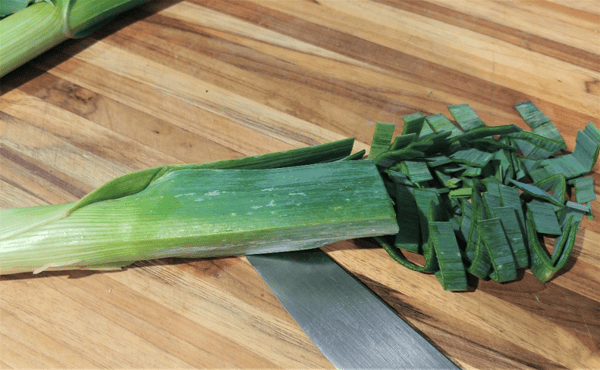
Peel away the tough outer layers of the leek. Cut the leek lengthwise into thin strips. Stack the strips and slice them finely across to create thin ribbons.
This chiffonade cut works well for garnishes and delicate dishes. It softens quickly when cooked and blends smoothly in sauces. The thin ribbons add a subtle leek taste without overpowering.
Safety Tips While Cutting
Cutting leeks safely is important to avoid injuries. Sharp knives and slippery vegetables can cause accidents. Follow simple safety tips for a smooth and secure experience. Focus on control and stability while slicing to keep your fingers safe.
Proper Hand Positioning
Hold the leek firmly with your non-cutting hand. Curl your fingertips inward to protect them. Use your knuckles as a guide for the knife. This technique keeps your fingers out of the blade’s path. Keep your wrist straight to maintain control.
Avoiding Common Mistakes
- Do not use a dull knife; it slips easily.
- Avoid cutting on an unstable surface; use a cutting board.
- Do not rush; cutting slowly reduces accidents.
- Keep the cutting area clean and dry to prevent slips.
- Always cut away from your body to stay safe.
Storing Cut Leeks
Storing cut leeks properly keeps them fresh and flavorful. Leeks can lose texture and taste quickly if not stored well. Knowing the best ways to store cut leeks saves time and reduces waste.
Short-term Storage
Place cut leeks in a clean, airtight container or plastic bag. Keep them in the refrigerator’s crisper drawer. Use within 3 to 4 days for the best taste and texture. Avoid washing leeks before storing; moisture causes spoilage faster. Wrap the cut leeks in a paper towel to absorb excess moisture.
Freezing Tips
Freezing extends the shelf life of cut leeks up to 3 months. First, rinse and dry the leeks thoroughly. Chop them into small, even pieces. Blanch leeks in boiling water for 2 minutes, then cool in ice water. Drain and pat dry before freezing. Spread the pieces on a baking sheet to freeze individually. Once frozen, transfer leeks to freezer bags. Label bags with the date for easy tracking.

Credit: www.youtube.com
Frequently Asked Questions
How Do You Clean Leeks Before Cutting?
To clean leeks, slice off the root and dark green tops. Then, cut the leek lengthwise and rinse under cold water. This removes dirt trapped between layers. Proper cleaning ensures your dish is fresh and free from grit.
What Is The Best Knife To Cut Leeks?
A sharp chef’s knife is ideal for cutting leeks. It allows precise, clean cuts through the tough outer layers and soft inner parts. Avoid dull knives to prevent crushing and bruising the leek, which can affect texture and flavor.
How Should I Slice Leeks For Cooking?
Slice leeks into thin rounds or half-moons for even cooking. Start by halving the leek lengthwise, then cut crosswise according to your recipe. Uniform slices help cook leeks evenly and enhance their mild, sweet flavor.
Can I Prepare Leeks In Advance?
Yes, you can prep leeks a day ahead. Clean and slice them, then store in an airtight container in the fridge. This saves time during cooking and maintains freshness without compromising taste or texture.
Conclusion
Mastering knife skills is essential for preparing leeks efficiently. With practice, slicing leeks becomes easy. Remember to wash them thoroughly before cutting. Always use a sharp knife for cleaner cuts. Keep your fingers safe by holding the leek securely. Experiment with different cuts for varied textures in dishes.
Enjoy making soups, salads, or stir-fries with perfectly sliced leeks. Cooking becomes more fun with the right skills. Share these tips with friends who love cooking. Your kitchen confidence will surely grow with practice. Happy cooking!
