
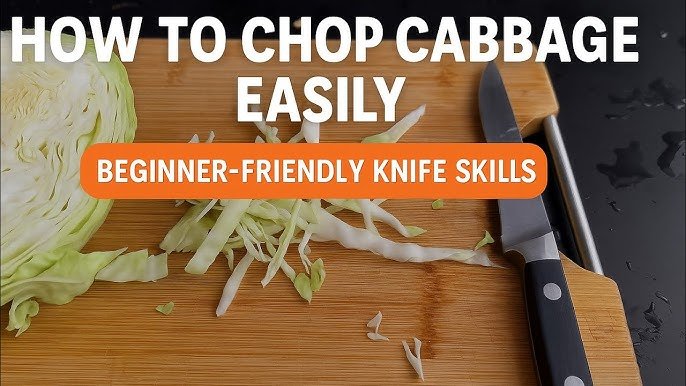
Are you tired of uneven, chunky cabbage ruining your coleslaw? Mastering the art of shredding cabbage can transform your salad from ordinary to extraordinary.
With the right knife skills, you’ll slice through cabbage quickly and safely, giving your coleslaw the perfect crisp texture every time. Keep reading to discover simple, step-by-step tips that will make shredding cabbage easier and faster than you ever thought possible.
Your next homemade coleslaw will thank you!
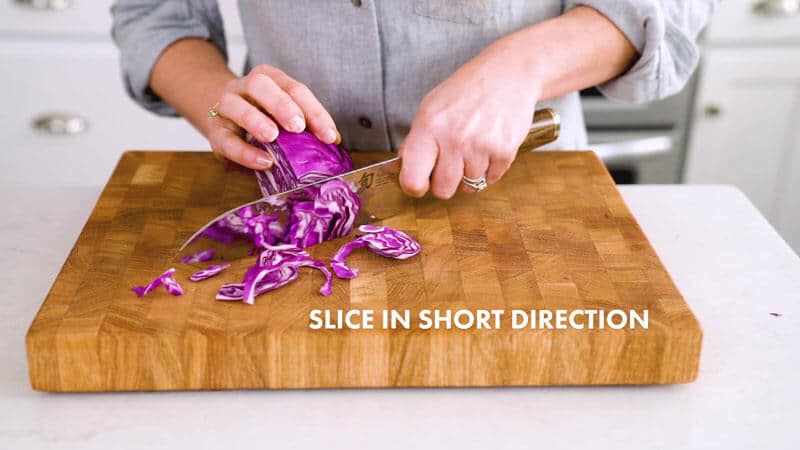
Credit: www.acouplecooks.com
Choosing The Right Knife
Choosing the right knife is essential when shredding cabbage for coleslaw. The knife you pick affects how cleanly and quickly you can slice through the cabbage leaves. Using the wrong knife can slow you down and leave uneven cuts that affect the texture of your coleslaw.
Types Of Knives
Not every knife is made for shredding cabbage. A chef’s knife is the top choice because its broad, sharp blade allows you to slice through thick cabbage heads with ease. Its length gives you the control needed to create thin, even shreds.
A santoku knife can also work well, offering a slightly shorter blade with a flat edge that helps keep the cabbage stable during cutting. If you only have a paring knife, you’ll find it difficult to shred cabbage efficiently since its small blade requires more effort and time.
Think about what knives you have in your kitchen. Do you own a chef’s knife? If not, it might be worth investing in one for tasks like shredding cabbage and many other prep jobs.
Knife Sharpness Importance
Sharpness matters more than most people realize. A dull knife crushes the cabbage leaves instead of slicing through them cleanly. This leads to uneven shreds and releases excess moisture, making your coleslaw soggy.
I once shredded cabbage with a dull knife and ended up with a pile of crushed bits instead of nice thin strips. It took longer and ruined the texture I wanted. After sharpening my knife, the difference was immediate — smoother cuts and faster prep.
Keep your knife sharp by regularly honing it and occasionally using a sharpening stone. Ask yourself: how often do you check your knife’s sharpness before prepping vegetables? Making this a habit can improve not just your coleslaw but all your chopping tasks.
Preparing The Cabbage
Preparing the cabbage correctly sets the foundation for perfect coleslaw. A fresh, clean cabbage not only tastes better but also shreds more easily and holds its crunch. Taking a few moments to select and prepare your cabbage properly will save you frustration and improve the final dish.
Selecting Fresh Cabbage
Look for cabbage heads that feel heavy for their size. A dense cabbage indicates freshness and moisture inside, which means crisp, crunchy leaves.
Check the color carefully:
- Green cabbage should be vibrant, not dull or yellowing.
- Red cabbage needs deep, rich purple tones without brown spots.
Ask yourself: Does the cabbage smell fresh? A strong or sour odor means it’s past its prime. Choosing the right cabbage at the store makes shredding easier and the coleslaw tastier.
Cleaning And Removing Outer Leaves
Start by peeling off any wilted or damaged outer leaves. These can carry dirt or pesticides, so removing them improves cleanliness and flavor.
Rinse the cabbage under cold running water, separating the leaves slightly to wash away hidden dirt. Avoid soaking it too long, as cabbage can absorb water and become soggy.
Dry the cabbage thoroughly using a clean towel or salad spinner. Excess water can dilute your coleslaw dressing and affect texture.
Shredding Techniques
Shredding cabbage for coleslaw requires simple yet effective techniques. Proper shredding improves texture and flavor. Using the right method saves time and avoids waste. Safety and uniformity matter most for a perfect coleslaw base.
Cutting The Cabbage Head
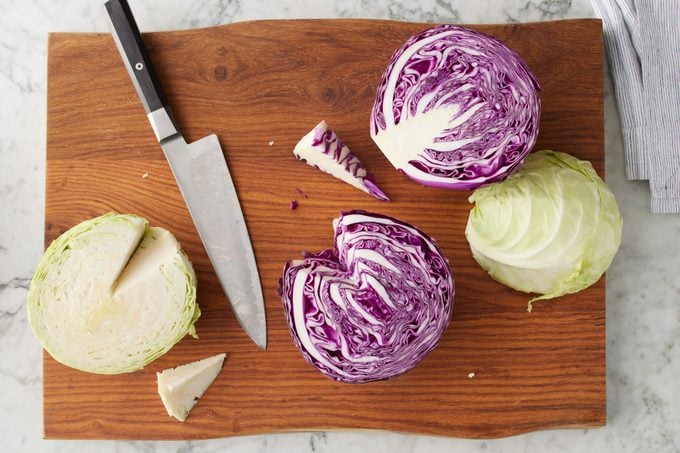
Start by removing the outer leaves. Cut the cabbage in half from top to bottom. Remove the hard core by slicing it out at an angle. Lay each half flat on the cutting board. Slice thin strips across the cabbage to shred it. Keep your knife steady for even cuts.
Safety Tips For Shredding
- Use a sharp knife to reduce slipping.
- Hold the cabbage firmly with fingers curled inward.
- Cut slowly and avoid rushing the process.
- Keep your cutting board stable with a damp cloth underneath.
- Pay extra attention near the end of each slice.
Achieving Uniform Shreds
Cut strips of similar width for even cooking and texture. Thin strips work best for coleslaw’s crisp feel. Practice consistent pressure while slicing. Use a slicing motion rather than pressing down hard. Shake the shredded cabbage gently to separate strands.

Credit: food52.com
Troubleshooting Common Issues
Shredding cabbage perfectly takes some practice. Problems can happen. Uneven pieces or browning can spoil your coleslaw’s look and taste. Understanding common issues helps fix these quickly.
Dealing With Uneven Shreds
Uneven shreds make coleslaw look messy and cook unevenly. Use a sharp knife for clean cuts. Dull knives tear the cabbage, causing jagged edges.
Hold the cabbage steady on a cutting board. Slice thinly and evenly. Try to keep all pieces similar in size. If some shreds are thick, cut them again for uniformity.
A mandoline slicer can help get consistent thin slices. But be careful to avoid injury. Always use the hand guard.
Preventing Cabbage Browning
Browning happens when cabbage is exposed to air too long. It can make the coleslaw look old and less fresh.
Work quickly after cutting. Place shredded cabbage in cold water to slow browning. Drain and dry well before mixing with other ingredients.
Adding a little lemon juice or vinegar helps keep cabbage bright. Store shredded cabbage in an airtight container in the fridge. Use it within a day for best freshness.
Storing Shredded Cabbage
Storing shredded cabbage properly keeps it fresh and crisp for your coleslaw. Freshly shredded cabbage can lose texture and flavor quickly if not handled well. Proper storage helps maintain its crunch and prevents spoilage.
Best Practices For Freshness
- Use an airtight container or resealable plastic bag.
- Remove excess air to limit moisture and oxidation.
- Keep the cabbage dry by patting it with a paper towel.
- Store in the coldest part of the refrigerator, usually the crisper drawer.
- Keep shredded cabbage away from strong-smelling foods to avoid odor absorption.
Tips For Longer Shelf Life
- Add a paper towel inside the container to absorb excess moisture.
- Change the paper towel every day or two.
- Do not wash the cabbage before storing; wash it just before use.
- Use within 3 to 5 days for best texture and flavor.
- For longer storage, blanch shredded cabbage and freeze it, but expect softer texture.
Credit: www.tasteofhome.com
Frequently Asked Questions
How Do You Shred Cabbage For Coleslaw?
To shred cabbage, remove outer leaves, cut into quarters, and remove the core. Slice thinly with a sharp knife for even, crisp shreds perfect for coleslaw.
What Knife Is Best For Shredding Cabbage?
A sharp chef’s knife or a Santoku knife works best for shredding cabbage. These knives provide control and clean, thin cuts essential for coleslaw texture.
How To Prepare Cabbage Before Shredding?
Wash cabbage thoroughly, dry it, and remove any damaged outer leaves. Cut into quarters and remove the tough core before shredding for easy handling and better flavor.
Can You Shred Cabbage Without A Knife?
Yes, use a mandoline slicer or food processor with a shredding blade. These tools make shredding cabbage quick and uniform, ideal for coleslaw preparation.
Conclusion
Shredding cabbage for coleslaw is simple with the right knife skills. Use a sharp knife and steady hands for even cuts. Cut the cabbage into quarters, remove the core, then slice thinly. Practice helps you get faster and more precise.
Freshly shredded cabbage makes coleslaw crisp and tasty. Enjoy your homemade coleslaw with confidence and ease. Try these steps next time you cook. Your salads will thank you.
Hi, I’m Daniel Harper, a senior editor here at KitchenBucks.com. For over 10 years, I’ve been exploring kitchen gadgets and appliances to help people find tools that truly add value without breaking the bank. I love simplifying product choices so you can focus more on cooking and less on worrying about what to buy. When I’m not reviewing the latest gadgets, you’ll usually find me experimenting with coffee brewing or firing up the grill for a weekend barbecue.