
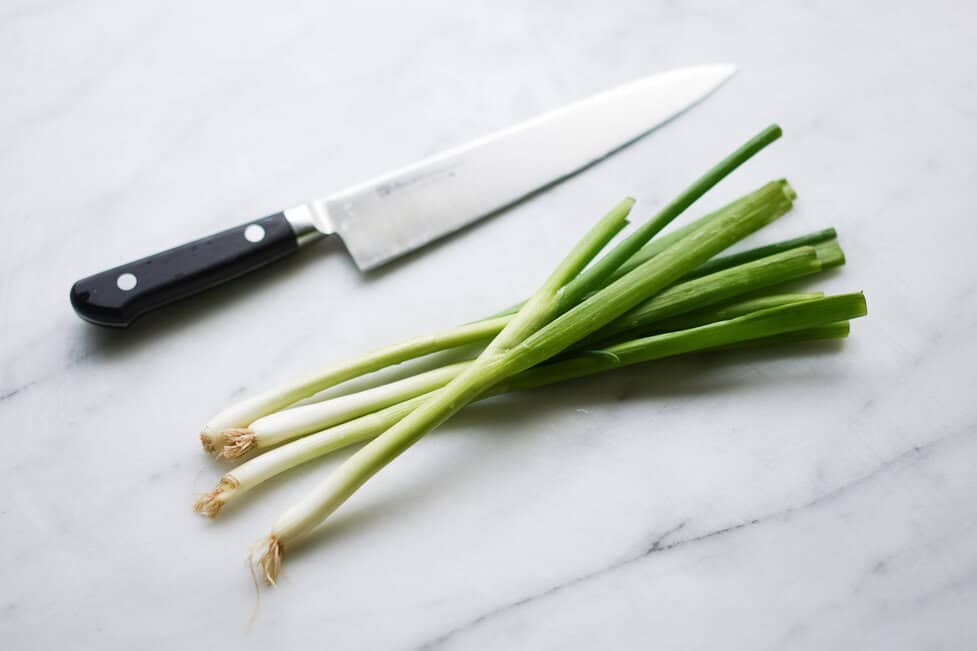
If you want to make your dishes look professional and taste fresher, mastering how to slice scallions is a must. You might think cutting scallions is simple, but the right knife skills can change everything—from the texture to the way flavors blend in your meal.
Imagine adding perfectly sliced scallions that brighten up your salads, soups, and stir-fries with ease. Stick with me, and you’ll learn the exact steps to slice scallions quickly and safely, making your cooking sharper and more enjoyable than ever before.
Essential Tools
Having the right tools makes slicing scallions easier and safer. Good tools help you cut cleanly and save time. They also protect the scallions from bruising or crushing. Using the proper knife and cutting board sets the foundation for good knife skills.
Choosing The Right Knife
Select a knife that feels comfortable in your hand. A small chef’s knife or paring knife works well for scallions. Look for a sharp blade to make smooth cuts. Avoid dull knives because they slip and crush the scallions. A blade length of about 6 to 8 inches is ideal. Stainless steel blades are durable and easy to clean.
Importance Of A Cutting Board
Use a sturdy cutting board to protect your knife and countertop. Wooden or plastic boards provide a stable surface. Avoid glass or stone boards that can dull your knife quickly. Clean the board well before and after cutting scallions. Place a damp towel under the board to stop it from moving. A steady cutting surface helps you slice evenly and safely.
Preparation Steps
Preparing scallions correctly sets the foundation for clean, precise slicing. Skipping these preparation steps can lead to uneven cuts and a less appealing presentation. Taking a few moments to clean and trim your scallions properly will improve both texture and flavor in your dishes.
Cleaning Scallions
Start by rinsing your scallions under cold running water. Dirt and grit often hide near the roots and between layers, so gently separate the stalks to wash thoroughly.
After rinsing, pat them dry with a clean towel or paper towel. Moisture on the scallions can make slicing slippery and unsafe, so drying is essential for control.
Trimming Techniques
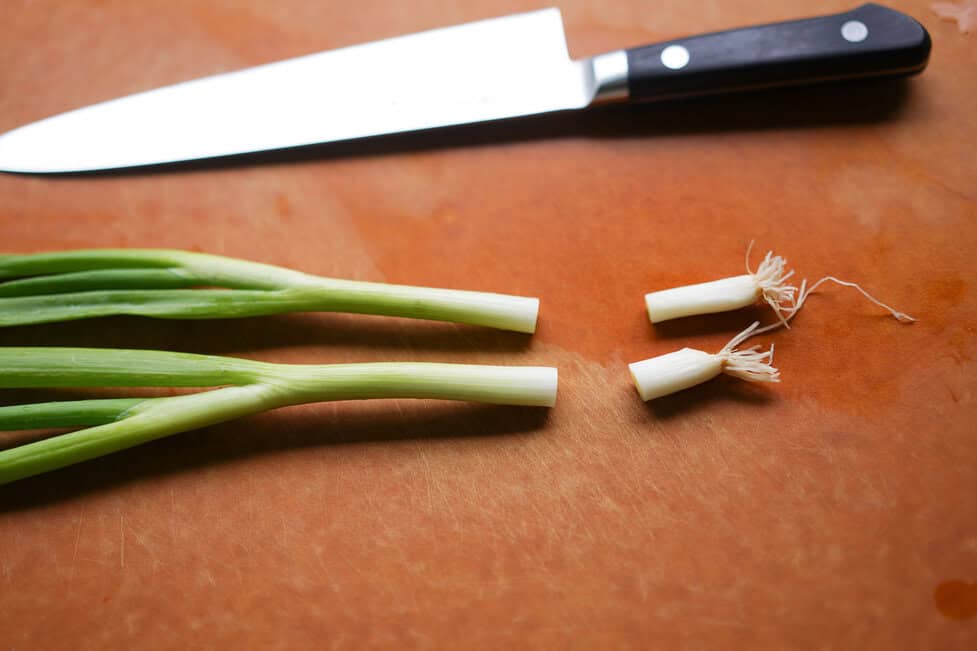
Trim off the root end with a sharp knife. This part is tough and not pleasant to eat, so removing it ensures better texture.
Next, cut off any wilted or damaged green tops. Fresh, crisp leaves give your dish a vibrant look and fresh taste.
Consider your recipe’s needs: for fine slices, trim off just the root and outer layers; for chunkier cuts, leave more of the green.
Basic Slicing Techniques
Basic slicing techniques help you cut scallions cleanly and safely. Proper cuts keep the scallions fresh and improve the dish’s look. Using the right knife and grip makes slicing easier. Focus on control and consistency for even pieces every time.
Straight Cut Method
The straight cut is simple and quick. Hold the scallion firmly on the cutting board. Use a sharp knife to slice straight down, making small, even pieces. Keep your fingers curled back to avoid cuts. This method works well for garnishes or salads.
Diagonal Cut Method
The diagonal cut creates longer, angled pieces. Position the knife at a 45-degree angle to the scallion. Slice smoothly through the green and white parts. This cut adds a nice look to stir-fries or soups. It also helps release more flavor from the scallions.
Advanced Slicing Methods
Mastering advanced slicing methods can elevate how you use scallions in your dishes. These techniques not only change the texture but also enhance the presentation and flavor release. By refining your knife skills, you gain better control and precision, making each cut count.
Chiffonade Technique
The chiffonade technique transforms scallions into delicate, ribbon-like strips. Start by stacking the scallion whites and greens, then slice thinly across the width. This method works best when you want subtle bursts of flavor without overwhelming the dish.
I once used chiffonade scallions as a garnish for a creamy soup. The fine ribbons melted gently on the tongue, adding freshness without sharpness. Have you tried this technique to add elegance to your meals?
Julienne Technique
Julienne slicing creates long, thin matchstick strips from scallions. Begin by trimming the scallion to a uniform length, then cut lengthwise into thin slices. This style is perfect for stir-fries or salads where a crisp texture is desired.
Precision is key here; uneven cuts can affect cooking time and texture. Using a sharp knife and steady hand will help you achieve consistent strips. How might julienne scallions change the crunch factor in your favorite recipes?
Safety Tips
Mastering knife skills to slice scallions is not just about technique; safety is equally important. Handling a sharp knife requires focus and care to avoid accidents. Let’s look at how you can protect your fingers and maintain control every time you slice.
Proper Hand Placement
Your non-dominant hand holds the scallion firmly while guiding the knife. Curl your fingertips inward, creating a claw shape to keep them safe from the blade. This grip keeps your fingers out of the cutting path and gives you better control.
Have you noticed how often fingers slip when holding slippery vegetables? Using a claw grip helps prevent that. It’s a small change but makes a big difference in safety and precision.
Knife Handling Precautions
Always keep your knife sharp. Dull knives require more force and increase the chance of slipping and injury. A sharp blade cuts cleanly and reduces effort, making slicing scallions safer and easier.
Pay attention to your cutting surface. Use a stable cutting board that won’t move as you slice. If your board slides, place a damp towel underneath it to keep it steady.
- Hold the knife handle firmly but not too tight to avoid fatigue.
- Cut away from your body, never toward it.
- Keep your eyes on the blade and the scallion while cutting.
Have you ever rushed through slicing and ended up with a nicked finger? Slowing down and following these precautions helps you avoid that. Your safety and confidence will improve with each slice.

Credit: www.yahoo.com
Practical Applications
Understanding how to slice scallions correctly opens up many practical uses in the kitchen. This simple skill can improve the look and taste of your meals. Scallions add a fresh, mild onion flavor and a splash of color. Proper slicing ensures even cooking and a pleasing texture. The following sections show how sliced scallions enhance dishes visually and flavor-wise.
Garnishing Dishes
Sliced scallions make dishes more appealing. They add a bright green color that stands out. Use thin slices to sprinkle over soups, salads, and stir-fries. The delicate rings provide a fresh, crisp touch. This simple garnish can make any dish look restaurant-quality. It works well on both hot and cold plates. Sliced scallions also add a slight crunch, improving texture.
Enhancing Flavor Profiles
Scallions bring a mild onion flavor that brightens meals. Slicing them finely spreads their taste evenly. Add scallions to sauces, marinades, or dressings for subtle flavor. They blend well with many ingredients without overpowering them. Cooking sliced scallions softens their sharpness and adds sweetness. Use them raw to keep their fresh, zesty taste. This balance enriches the overall dish.
Troubleshooting Common Mistakes
Mastering knife skills with scallions can be tricky, especially when common mistakes throw off your slicing precision. Troubleshooting these issues helps you get clean, even cuts and maintain the scallion’s fresh look. Let’s tackle the usual problems that slow down your prep and make your scallions look less appetizing.
Avoiding Uneven Cuts
Uneven cuts happen when your knife angle or hand placement is off. Make sure your knife blade is sharp—dull knives slip and create jagged edges. Hold the scallion firmly with your non-dominant hand, curling your fingers inward to protect them, and use a smooth rocking motion with the knife.
Try slicing at a consistent speed and pressure. If your slices end up different sizes, ask yourself: Are you rushing through the cut? Slowing down often improves control and uniformity. Consistency in slice thickness not only looks better but also ensures even cooking or flavor distribution.
Preventing Scallion Damage
Scallions bruise or get crushed if you press too hard or use a blunt knife. This causes the layers to break apart and release moisture, making them soggy or wilted faster. Use a sharp knife and light, deliberate cuts to keep the scallion’s texture intact.
Another tip: don’t overcrowd your cutting board with scallions. When they’re piled up, it’s easy to crush the ones at the bottom. Cut in small batches and give yourself enough space to work comfortably. Have you noticed how a gentle touch changes the look and flavor of your sliced scallions?

Credit: www.tiktok.com
Practice Exercises
Practice is key to improving knife skills, especially for slicing scallions. Regular exercises build confidence and improve hand control. These drills help develop speed and precision, making your cuts cleaner and safer. Practice also trains your fingers to hold scallions properly while cutting.
Speed And Precision Drills
Start by slicing scallions slowly to focus on even cuts. Use a sharp knife for smooth slicing. Once comfortable, increase your speed gradually. Try to keep all slices uniform in size. Count how many slices you can make in one minute. Challenge yourself to improve this number over time.
Use a cutting board with clear markings to guide slice size. Pay attention to your hand position and knife angle. Avoid rushing, which can cause uneven cuts or accidents. Keep your fingers curled to protect them from the blade. Practice these drills daily for steady progress.
Creative Cutting Challenges
Try different cutting styles to expand your skills. Slice scallions into thin rings, diagonal cuts, or small pieces. Use these cuts in salads, soups, or garnishes. Set goals like making the thinnest slices or the most even pieces.
- Cut scallions into tiny rings for fine garnish.
- Create diagonal cuts for a decorative look.
- Mix sizes to practice control and creativity.
These challenges keep practice interesting and improve versatility. Use a timer or ask someone to watch your progress. Keep track of improvements to stay motivated. Experiment with knife grips and hand positions to find what works best.
Credit: www.hungryhuy.com
Frequently Asked Questions
How Do You Properly Hold A Knife To Slice Scallions?
Hold the knife firmly with your dominant hand. Use a pinch grip on the blade for control. Keep your other hand’s fingers curled to guide the scallions. This technique ensures safety and precision while slicing scallions evenly and quickly.
What Is The Best Knife Type For Slicing Scallions?
A sharp chef’s knife or a paring knife works best for scallions. These knives provide better control and cleaner cuts. Avoid dull knives as they crush scallions and ruin texture. Proper knife choice enhances slicing efficiency and food presentation.
How Thin Should Scallions Be Sliced?
Slice scallions into thin, even rounds about 1/8 inch thick. Thin slices release more flavor and cook evenly. Avoid cutting too thick to prevent overpowering dishes. Consistent thickness improves dish texture and aesthetics.
Can I Use The Entire Scallion When Slicing?
Yes, use both the white and green parts of scallions. The white part has a stronger flavor, while the green is milder and adds color. Using the entire scallion maximizes flavor and minimizes waste in recipes.
Conclusion
Slicing scallions is simple with the right knife skills. Keep your knife sharp and your hand steady. Cut slowly and watch your fingers. Practice makes your cuts even and quick. Use these tips every time you cook. Freshly sliced scallions add flavor and color to dishes.
Enjoy cooking with confidence and precision. Try this technique and see the difference. Your meals will taste better and look nicer too.

Hi, I’m Daniel Harper, a senior editor here at KitchenBucks.com. For over 10 years, I’ve been exploring kitchen gadgets and appliances to help people find tools that truly add value without breaking the bank. I love simplifying product choices so you can focus more on cooking and less on worrying about what to buy. When I’m not reviewing the latest gadgets, you’ll usually find me experimenting with coffee brewing or firing up the grill for a weekend barbecue.