
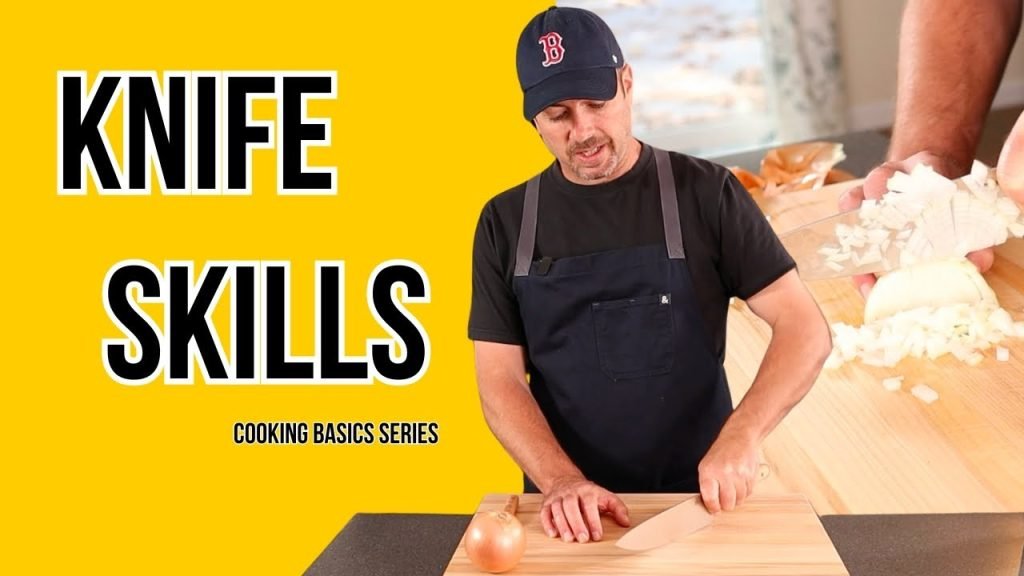
Are you ready to take your cooking to the next level? Mastering essential knife skills can change the way you work in the kitchen.
Imagine slicing vegetables quickly, chopping herbs finely, and cutting meat cleanly with confidence. These skills save you time, keep you safe, and make your dishes look professional. You’ll discover simple techniques that anyone can learn. Get ready to feel more in control and enjoy cooking like never before.
Keep reading—your kitchen game is about to get sharper!

Credit: www.instagram.com
Choosing The Right Knife
Choosing the right knife is key to a smooth kitchen experience. The right knife can make cutting easier and safer. It helps to work faster and with more control. Picking a knife depends on what you cook and how you like to prepare food. Understanding different types of knives and what to look for helps you pick the best one for your kitchen.
Types Of Kitchen Knives
- Chef’s Knife:A versatile knife for chopping, slicing, and dicing.
- Paring Knife:Small and precise, great for peeling and small tasks.
- Serrated Knife:Ideal for cutting bread and soft fruits with tough skin.
- Utility Knife:Medium-sized, good for slicing sandwiches and smaller vegetables.
- Boning Knife:Thin blade used for removing bones from meat or fish.
Factors To Consider
- Blade Material:Stainless steel resists rust, while carbon steel stays sharper longer.
- Blade Size:Choose a size that feels comfortable in your hand.
- Handle Comfort:A good grip reduces slipping and hand fatigue.
- Weight Balance:Balanced knives feel easier to control.
- Purpose:Match the knife to the tasks you do most often.
Basic Knife Safety
Handling knives in the kitchen demands respect and attention. Basic knife safety is essential not only to protect yourself but also to improve your efficiency. Understanding how to handle and store your knives correctly can prevent accidents and keep your tools sharp and ready for use.
Proper Handling Techniques
Always grip the knife firmly by the handle, with your index finger and thumb pinching the blade just above the handle for better control. Keep your other fingers wrapped securely around the handle to avoid slips.
Cut on a stable surface like a wooden or plastic cutting board to prevent the knife from slipping. Never try to catch a falling knife—step back and let it drop.
When passing a knife to someone else, place it down on a surface for them to pick up or hand it over handle-first. This simple habit can prevent unexpected cuts.
Safe Storage Practices
Store knives in a way that protects both the blade and your hands. Use a knife block, magnetic strip, or blade guards to keep blades covered and organized.
Avoid tossing knives loosely into drawers. This not only dulls the blade but increases the risk of injury when you reach for another utensil.
Have you ever reached into a drawer only to get cut by a hidden blade? Proper storage eliminates that danger and helps your knives last longer.
Essential Cutting Techniques
Essential cutting techniques form the base of good knife skills in any kitchen. These techniques help prepare ingredients quickly and safely. They also improve the look and texture of dishes. Learning these cuts makes cooking easier and more enjoyable.
Chopping And Dicing
Chopping means cutting food into irregular pieces. It is fast and useful for vegetables like onions and peppers. Dicing is cutting food into small, even cubes. Diced pieces cook evenly and look neat. Both cuts need a steady hand and a sharp knife for safety.
Slicing And Mincing
Slicing creates thin, flat pieces of food. This cut works well for fruits, meats, and cheeses. Mincing is cutting food into very tiny pieces. It is great for garlic, herbs, and onions. These cuts release more flavor during cooking.
Julienne And Batonnet
Julienne means cutting food into thin sticks, about 1/8 inch wide. It is common for carrots, peppers, and zucchini. Batonnet creates thicker sticks, about 1/4 inch wide. Both cuts add texture and style to salads and stir-fries. Precision and patience are key.
Advanced Knife Skills
Advanced knife skills enhance your efficiency and precision in the kitchen. These skills help you prepare ingredients faster and with less waste. They also improve the presentation of your dishes. Mastering these techniques takes practice but rewards you with professional-level results.
Deboning And Filleting
Deboning removes bones from meat or fish cleanly. It requires a sharp, flexible knife for better control. Use gentle, smooth strokes to follow the bone structure closely. Avoid cutting through bones to keep meat intact.
Filleting is the process of cutting thin slices from fish or poultry. It helps you get tender, boneless pieces. Hold the fish firmly and slide the knife along the backbone. Keep the blade angled to separate the flesh cleanly.
Carving And Trimming
Carving slices cooked meat into even portions improves serving and presentation. Let the meat rest before carving to keep juices inside. Use a long, thin knife for smooth, clean cuts.
Trimming removes excess fat, skin, or unwanted parts from meat. It makes the meat leaner and better for cooking. Trim carefully to avoid wasting good meat. Use a small, sharp knife for precise cuts.
Maintaining Knife Sharpness
Maintaining knife sharpness is essential for safe and efficient cooking. A sharp knife cuts cleanly, reducing accidents and making prep faster. Dull knives slip and require more force, which can cause injury. Regular care keeps blades ready for any kitchen task. Simple tools and techniques help preserve sharp edges and extend a knife’s life.
Sharpening Methods
Sharpening restores a knife’s edge by removing small metal layers. Various tools work well for different needs and skill levels.
- Whetstones:These stones offer precise sharpening. Soak the stone in water first. Hold the knife at a 15-20 degree angle. Slide the blade across the stone evenly on both sides.
- Electric sharpeners:Fast and easy to use. They grind the blade with rotating wheels. Use gentle pressure. Avoid over-sharpening to preserve the blade.
- Sharpening rods:Made of ceramic or diamond-coated steel. Pull the blade through the rod at a consistent angle. Good for quick touch-ups between major sharpening.
Using A Honing Steel
A honing steel does not sharpen but realigns the blade’s edge. It fixes tiny bends caused by regular cutting.
- Hold the steel vertically with the tip on a sturdy surface.
- Place the knife’s heel against the steel at a 15-20 degree angle.
- Pull the blade down and across the steel in a smooth motion.
- Repeat on the other side of the blade, alternating sides.
- Do this before or after each use for best results.

Credit: www.bbcgoodfood.com
Common Mistakes To Avoid
Mastering knife skills can dramatically improve your kitchen efficiency and safety. Yet, many home cooks make simple mistakes that slow them down or even cause injury. Recognizing these common errors helps you sharpen your technique and cook with confidence.
Improper Grip
Holding a knife incorrectly reduces control and increases the risk of slipping. Many people hold the handle too tightly or with just their fingers, rather than gripping the blade where it meets the handle.
Try the “pinch grip”: pinch the blade between your thumb and side of your index finger, wrapping the rest of your fingers around the handle. This grip offers better balance and precise cuts.
Have you noticed your knife wandering off line or feeling unstable? That’s often due to a weak grip. Practicing this technique daily will make a huge difference in your cutting speed and safety.
Dull Blades
Using a dull knife feels safer because you apply less force, but it actually increases accidents. A dull blade slips off food surfaces instead of slicing cleanly, which can cause you to lose control.
Keep your knives sharp by regularly honing with a steel rod and sharpening with a whetstone or professional service. A sharp blade requires less effort and delivers cleaner, more consistent cuts.
Think about how much easier it is to slice through a ripe tomato with a sharp knife. Why struggle with dull tools when a quick sharpening session can transform your kitchen experience?
Tips For Practicing Knife Skills
Practicing knife skills regularly helps improve speed and safety in the kitchen. Consistent practice builds muscle memory and confidence. Small, daily sessions can lead to big improvements over time.
Focusing on different cutting techniques helps develop a well-rounded skill set. Practice chopping, slicing, dicing, and julienning to handle various recipes. Patience and repetition are key to progress.
Regular Practice Routines
Set aside time each day for knife practice. Short sessions, about 10-15 minutes, work best. Use a sharp knife and a stable cutting board.
- Start with simple cuts like slicing carrots or cucumbers.
- Practice holding the knife and guiding the food correctly.
- Focus on uniform cuts to improve precision.
- Increase speed slowly while keeping control.
Keep your fingers curled and away from the blade. Practice the rocking motion used for chopping herbs. Repeat the same cuts until they feel natural.
Using Different Ingredients
Try cutting a variety of foods to build different skills. Soft ingredients like tomatoes teach gentle slicing. Hard vegetables like potatoes improve strength and control.
- Practice dicing onions to learn even cubes.
- Slice fruits such as apples to work on smooth cuts.
- Try julienning carrots to develop thin, even strips.
- Cut leafy greens to practice delicate handling.
Different textures help you adapt your knife pressure. This variety keeps practice interesting and effective. Over time, your knife work will become faster and safer.

Credit: food52.com
Frequently Asked Questions
What Are The Basic Knife Skills Every Cook Should Know?
Basic knife skills include proper grip, safe cutting techniques, and knife maintenance. These skills improve precision, speed, and safety in the kitchen. Learning how to dice, julienne, and chiffonade vegetables are essential techniques for efficient cooking.
How Do I Safely Hold A Kitchen Knife?
Hold the knife handle firmly with your dominant hand. Pinch the blade’s spine between your thumb and forefinger for control. Keep your other hand’s fingers curled inward to avoid accidental cuts. This grip enhances precision and reduces the risk of injury.
Why Is Knife Sharpening Important For Kitchen Safety?
A sharp knife requires less force to cut, reducing slip risks and accidents. Dull knives can slip easily, causing injuries. Regular sharpening keeps blades effective, improves cutting accuracy, and enhances overall kitchen safety.
Which Knife Types Are Essential For Home Kitchens?
A chef’s knife, paring knife, and serrated knife are essential. The chef’s knife handles most tasks, the paring knife is for small precision cuts, and the serrated knife slices bread and tomatoes cleanly. These cover a wide range of kitchen needs.
Conclusion
Good knife skills make cooking safer and faster. They help you cut food evenly and look better on the plate. Practice keeps your hands steady and your knives sharp. Remember to always use the right knife for each task. With patience, anyone can improve these skills.
Enjoy cooking with confidence and ease. Keep practicing, and your kitchen work will feel smooth and fun.
Hi, I’m Daniel Harper, a senior editor here at KitchenBucks.com. For over 10 years, I’ve been exploring kitchen gadgets and appliances to help people find tools that truly add value without breaking the bank. I love simplifying product choices so you can focus more on cooking and less on worrying about what to buy. When I’m not reviewing the latest gadgets, you’ll usually find me experimenting with coffee brewing or firing up the grill for a weekend barbecue.