
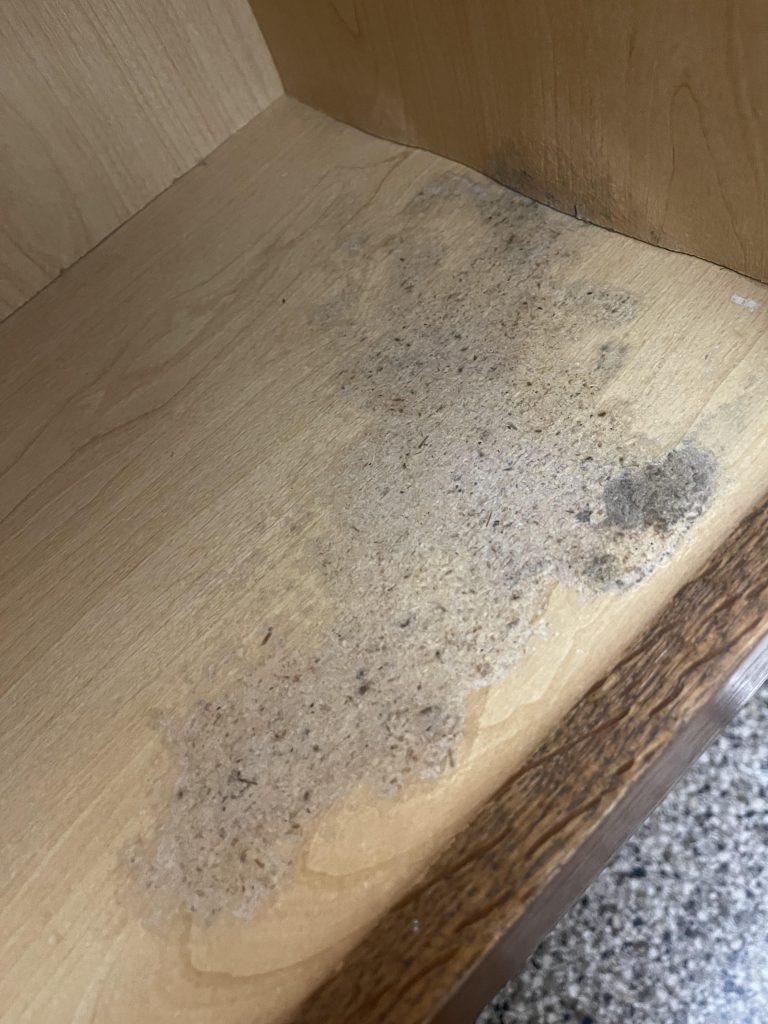
Have you noticed a musty smell or dark spots creeping under your kitchen cabinets? Mold under kitchen cabinets is more common than you might think, and it can quickly cause damage to your home and affect your health.
If you ignore it, the problem can grow worse, leading to costly repairs and potential health risks for you and your family. But don’t worry—understanding how mold forms and what you can do about it will help you protect your kitchen and keep your home safe.
Keep reading to learn the signs to watch for, how to tackle mold effectively, and simple steps to prevent it from coming back.

Credit: www.instagram.com
Causes Of Mold Growth
Mold under kitchen cabinets often starts quietly but can turn into a serious problem fast. Understanding what triggers its growth helps you prevent it before it damages your home or health. Let’s look closely at the main causes that create the perfect environment for mold to thrive in your kitchen.
Moisture Sources In Kitchens
Moisture is the number one factor behind mold growth. Kitchens naturally have high humidity from cooking, boiling water, and washing dishes. If this moisture lingers around or seeps into cabinets, mold spores find a cozy place to grow.
Think about moments when steam from pots settles on cabinet surfaces or when spills go unnoticed under sinks. These small wet areas often go unchecked, giving mold a chance to multiply.
Poor Ventilation Effects
Good airflow helps keep moisture levels down. Without proper ventilation, humid air stays trapped around your cabinets and walls. This stagnant air creates a damp environment where mold can easily establish itself.
Have you noticed a musty smell or condensation on your kitchen windows? These signs often point to poor ventilation. Installing an exhaust fan or opening windows during cooking can significantly reduce this risk.
Leaks And Plumbing Issues
Hidden leaks behind or under cabinets are a common culprit. Even a small drip from pipes, faucets, or dishwashers can cause water to pool unnoticed. Over time, this leads to wood swelling and mold growth.
If your cabinet bottoms feel soft or you spot water stains, inspect your plumbing immediately. Regularly checking under sinks and around appliances can save you from costly mold remediation later.

Credit: www.reddit.com
Signs Of Mold Under Cabinets
Noticing mold under your kitchen cabinets early can save you from costly repairs and health issues. Mold often hides in hard-to-see places, making it tricky to spot at first. Being aware of the signs helps you act quickly before the problem worsens.
Visible Mold Indicators
Sometimes, mold appears as dark spots or patches under your cabinets. These can be black, green, or even white in color. Look closely at corners, seams, and behind pipes—areas where moisture tends to linger.
If you spot fuzzy or slimy textures, that’s a strong sign mold is growing. Even small specks shouldn’t be ignored; mold spreads fast if left unchecked.
Musty Odors
Have you ever noticed a damp, musty smell coming from your kitchen cabinets? That smell is often the first clue of hidden mold. It’s caused by mold releasing microbial volatile organic compounds (MVOCs).
Even if you don’t see mold yet, a persistent musty odor means moisture is present, creating a perfect environment for mold growth. Trust your nose—it can alert you to problems before they become visible.
Cabinet Damage And Warping
Mold often grows where moisture causes damage. If your cabinet wood feels soft, swollen, or warped, mold could be the culprit. Water damage weakens the structure and invites mold to thrive.
Have you noticed peeling paint, bubbling surfaces, or discoloration on your cabinets? These changes often signal mold growth beneath the surface. Inspect any cabinet damage carefully to catch mold early.
Health Risks Linked To Mold
Mold growing under your kitchen cabinets is more than just an unpleasant sight. It poses real health risks that you should not ignore. Understanding these risks can help you take the right steps to protect yourself and your family from potential harm.
Respiratory Problems
Mold releases tiny spores into the air, which you can easily inhale. These spores can irritate your lungs and airways, leading to coughing, wheezing, and shortness of breath.
If you already suffer from asthma or other lung conditions, mold exposure can trigger severe attacks. Paying attention to persistent respiratory issues might reveal a hidden mold problem in your kitchen.
Allergic Reactions
Many people develop allergic reactions when exposed to mold. Symptoms include sneezing, runny nose, itchy eyes, and skin rashes.
Have you noticed these symptoms worsening when you spend time near your kitchen? This might be a sign that mold is affecting your health, even if you don’t see it right away.
Long-term Exposure Effects
Continuous exposure to mold can lead to chronic health problems. Fatigue, headaches, and difficulty concentrating may become common.
Some molds produce mycotoxins, which can damage your immune system over time. Taking action early can prevent these serious issues from developing.
Testing And Identifying Mold
Discovering mold under your kitchen cabinets can be unsettling. Testing and identifying mold early helps prevent health risks and costly repairs. Knowing how to check for mold yourself and when to seek professional help puts control back in your hands.
Diy Mold Testing Kits
DIY mold testing kits offer a quick way to check for mold presence. These kits usually include swabs, petri dishes, or air sampling tools.
- Swab visible spots and place samples in the provided container.
- Use air sampling to detect mold spores you can’t see.
- Send samples to a lab for analysis or compare results using color charts.
While these kits can give you an initial idea, they don’t always identify the exact type of mold or the extent of contamination. Have you ever wondered if a simple test could miss hidden mold behind walls or under cabinets?
Professional Inspection Methods
Professional mold inspectors use advanced tools to find mold that’s hard to spot. Moisture meters, borescopes, and infrared cameras help locate damp areas behind surfaces.
- Air quality tests measure spore levels throughout your kitchen.
- Surface samples are taken for lab identification of mold species.
- Inspectors check HVAC systems and plumbing for hidden leaks fueling mold growth.
Getting a detailed report from a professional can pinpoint the problem’s source and guide effective removal. Would you want to risk missing toxic mold lurking where you can’t see it?
When To Call An Expert
If you spot large mold patches or smell a musty odor, it’s time to call in an expert. Health symptoms like persistent coughing or allergies linked to your home environment also signal a need for professional help.
Don’t wait if you’ve tried DIY tests and still suspect mold. Professionals bring safety gear and know how to handle hazardous mold safely.
Asking for expert help might feel costly, but consider the long-term savings by avoiding structural damage and health issues. Could ignoring small signs today lead to bigger problems tomorrow?
Mold Removal Techniques
Dealing with mold under kitchen cabinets demands more than just a quick wipe. Effective mold removal techniques target not only the visible spots but also hidden spores that can cause problems later. Understanding the right cleaning solutions, safe practices, and prevention strategies can save you time, money, and health risks.
Cleaning Solutions And Tools
Choosing the right cleaning solutions makes a big difference. Common household items like white vinegar and baking soda can break down mold without harsh chemicals. For tougher mold, a diluted bleach solution (1 cup bleach to 1 gallon water) is effective but must be used with care.
Essential tools include:
- Rubber gloves to protect your skin
- A scrub brush with stiff bristles to remove mold from surfaces
- Spray bottles for even application of cleaning solutions
- Microfiber cloths for wiping and drying
Always test cleaning solutions on a small area first to avoid damaging your cabinets.
Safe Mold Remediation Practices
Safety should be your top priority when removing mold. Wear a mask or respirator to avoid breathing in spores. Ensure the area is well-ventilated by opening windows or using fans.
Never mix bleach with ammonia or other cleaners, as this creates toxic fumes. Dispose of any contaminated materials, like sponges or cloths, after use to prevent spreading spores.
Have you checked if your mold problem requires professional help? If mold covers more than 10 square feet or if you experience health issues, consider calling a specialist.
Preventing Mold Recurrence
Stopping mold from coming back is as important as cleaning it away. Keep the area under your cabinets dry by fixing leaks promptly and using a dehumidifier if needed.
Improve airflow by leaving cabinet doors open occasionally or installing vents. Regularly inspect hidden spots for early signs of moisture or mold growth.
Think about your daily habits: could spills or steam be contributing to dampness? Small changes like wiping down wet surfaces after cooking can make a big impact.
Preventing Mold Growth
Mold under kitchen cabinets can cause health problems and damage your home. Preventing mold growth is key to keeping your kitchen safe and fresh. Controlling moisture and improving airflow stop mold before it starts. Small daily habits help maintain a dry and clean space.
Improving Kitchen Ventilation
Good airflow reduces moisture buildup under cabinets. Use exhaust fans when cooking or washing dishes. Open windows to let fresh air enter. Keep vents clean and unblocked for better air movement. A dehumidifier helps in very humid kitchens.
Regular Maintenance Tips
- Check under cabinets for leaks or water stains.
- Fix plumbing issues quickly to avoid water damage.
- Clean spills and dry wet areas immediately.
- Remove clutter to allow air circulation.
- Inspect seals around sinks and appliances often.
Waterproofing Cabinets
Apply waterproof sealant on cabinet surfaces and edges. Use water-resistant paint inside cabinets near sinks. Install waterproof liners on cabinet floors to catch spills. Replace damaged wood or materials that absorb water easily. These steps reduce moisture penetration and block mold growth.

Credit: www.moldremovalexpress.com
Frequently Asked Questions
What Causes Mold Under Kitchen Cabinets?
Mold under kitchen cabinets is caused by moisture buildup, leaks, or poor ventilation. Water from plumbing leaks or spills creates a damp environment where mold thrives.
How To Identify Mold Under Kitchen Cabinets?
Look for discoloration, musty odor, or visible black, green, or white spots. Mold often appears in hidden, damp areas under cabinets.
Is Mold Under Kitchen Cabinets Harmful?
Yes, mold can trigger allergies, respiratory problems, and skin irritation. Prolonged exposure to mold spores may worsen asthma or other health issues.
How To Safely Remove Mold Under Kitchen Cabinets?
Use protective gear like gloves and a mask. Clean mold with a solution of water and detergent or a commercial mold remover. Dry the area thoroughly afterward.
Conclusion
Mold under kitchen cabinets can cause health problems and damage. Act quickly to clean and remove it safely. Keep your kitchen dry and well-ventilated to stop mold growth. Check for leaks and fix them fast. Regular cleaning helps keep mold away.
Protect your home and family by staying alert. Small steps make a big difference. Don’t let mold take over your kitchen space. Stay safe and maintain a healthy home environment.
