
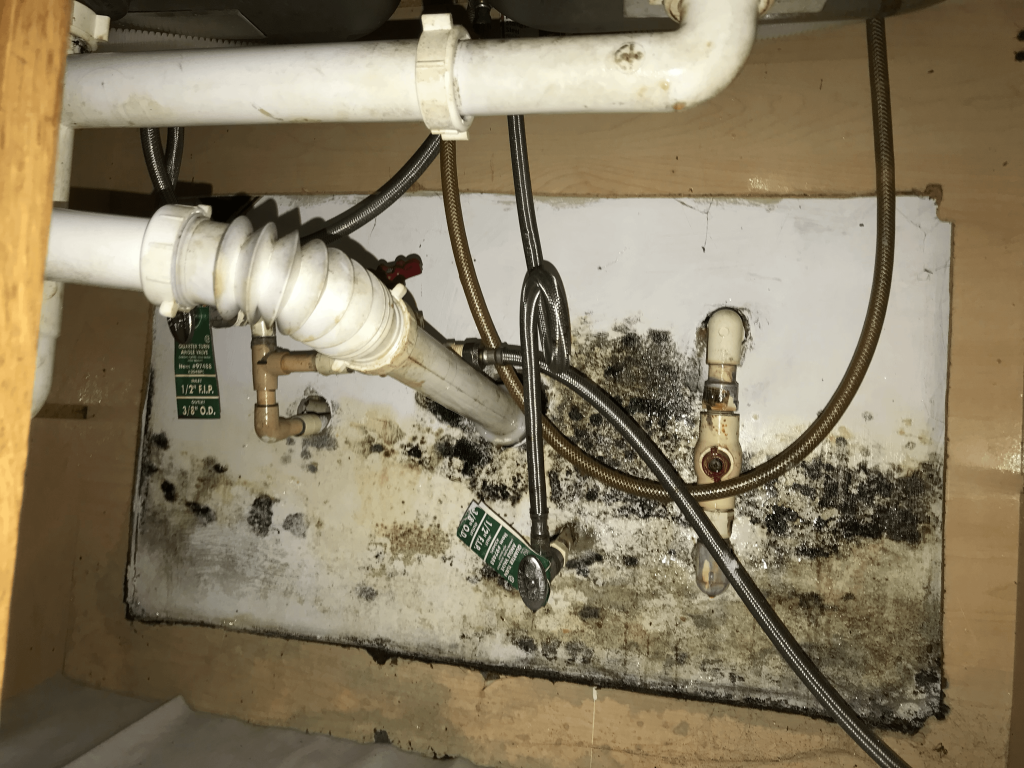
Have you noticed a musty smell or dark spots lurking under your kitchen sink? Mould under your kitchen sink isn’t just unsightly—it can affect your health and damage your home.
If you want to protect your family and keep your kitchen fresh, you need to act fast. You’ll learn how to identify, prevent, and get rid of mould before it spreads. Keep reading to take control and make your kitchen a safer place today.

Credit: www.reddit.com
Causes Of Kitchen Sink Mould
Mould under the kitchen sink is a common problem that can affect your home’s health and comfort. Understanding what causes this mould is key to preventing it from taking hold. Let’s look at the main reasons behind mould growth in this often overlooked spot.
Leaks And Moisture Build-up
Leaks from pipes or the sink itself create the perfect damp environment for mould to thrive. Even a slow drip can keep the area under your sink wet for long periods. Have you ever noticed a musty smell or dark spots after a small leak? That’s mould starting to grow.
Moisture can also build up from spills or condensation. If you don’t dry the area regularly, it stays damp, inviting mould to settle in. Checking for leaks early and wiping down wet surfaces can make a big difference.
Poor Ventilation
Under the sink is often a cramped, enclosed space with little airflow. Without proper ventilation, moisture doesn’t evaporate quickly. This trapped dampness encourages mould growth.
Think about how your bathroom mould gets worse without a fan or open window. The same happens under your kitchen sink. Improving airflow with vents or leaving the cabinet door open occasionally can help keep the area dry.
Clogged Drains And Pipes
Clogs in drains and pipes cause slow water drainage, leading to standing water or leaks. This stagnant water is a breeding ground for mould. Have you ever had water back up under your sink? That’s a clear sign of potential mould risk.
Regularly cleaning and maintaining your drains prevents blockages. Using drain cleaners or calling a plumber at the first sign of clogging can save you from mould troubles later.

Credit: www.advantaclean.com
Health Risks From Mould Exposure
Mould under the kitchen sink can cause serious health problems. Breathing in mould spores harms the body. These spores spread easily through the air. People exposed to mould may suffer various health effects. Some effects appear quickly, while others develop slowly over time.
Allergic Reactions
Mould triggers allergic reactions in many individuals. Symptoms include:
- Sneezing and runny nose
- Itchy, watery eyes
- Skin rashes or hives
- Watery throat and coughing
People with mould allergies experience stronger reactions. Avoiding mould helps reduce these symptoms.
Respiratory Issues
Breathing mould spores irritates the lungs and airways. It can cause:
- Wheezing and shortness of breath
- Chest tightness and coughing
- Aggravated asthma symptoms
Children, elderly, and those with lung diseases face higher risks. Mould exposure can worsen their conditions.
Long-term Health Effects
Prolonged mould exposure may lead to chronic health problems. These include:
- Persistent respiratory infections
- Chronic sinusitis
- Fatigue and headaches
Some mould types produce toxins harmful to the nervous system. These toxins can affect memory and concentration.
Detecting Mould Early
Detecting mould early under your kitchen sink can save you from costly repairs and health issues. Mould thrives in damp, hidden places, so catching it before it spreads is crucial. Let’s look at practical ways you can spot mould signs quickly and take action.
Visual Signs
Look for discoloration or patches of black, green, or white spots around pipes and cabinet surfaces. Sometimes mould appears fuzzy or slimy, especially in corners or under the sink basin. If the wood or drywall feels soft or swollen, that’s a strong hint mould has begun to grow beneath the surface.
Odor Indicators
Trust your nose—mould often produces a musty, earthy smell that lingers even after cleaning. If you notice an unusual damp odor near the sink, it’s worth investigating further. Have you ever ignored a strange smell only to find a hidden problem later? Don’t let this happen with mould.
Using Mould Testing Kits
Home mould testing kits can help confirm suspicions without waiting for a professional inspection. These kits usually include swabs or air sampling tools and provide clear instructions for use. Testing early can help you decide if you need immediate remediation or simple cleaning.

Credit: www.reddit.com
Safe Removal Techniques
Removing mould under the kitchen sink requires careful steps to protect health and prevent spread. Safe removal stops mould spores from causing allergies or infections. It also helps keep your home clean and fresh. Use the right tools and cleaning agents to handle mould safely.
Protective Gear Essentials
Wear protective gear to avoid skin and lung contact with mould. Use gloves made of rubber or latex to protect your hands. Wear a mask that filters tiny spores, like an N95 respirator. Put on goggles to shield your eyes from mould particles. Long sleeves and pants help keep mould off your skin.
Cleaning Solutions That Work
Choose effective cleaning solutions to kill and remove mould. A mix of water and white vinegar works well for small areas. Bleach diluted with water can remove tough mould but use with care. Baking soda mixed with water creates a gentle scrubbing paste. Always test cleaning solutions on a small spot first.
Disposal Of Contaminated Materials
Throw away materials that mould has deeply soaked. Use sealed plastic bags to contain mouldy items. Remove sponges, rags, or cardboard that cannot be cleaned fully. Clean tools and containers used in mould removal thoroughly. Proper disposal stops mould spores from spreading to other areas.
Preventing Future Mould Growth
Preventing mould under your kitchen sink is all about stopping moisture from lingering. Once mould sets in, it can be stubborn and harmful. Taking simple steps can keep your space fresh and safe.
Fixing Leaks Promptly
Leaks are the main culprits behind mould growth. Even a small drip can create enough moisture for mould to thrive. Check pipes and seals regularly, especially after heavy use or cleaning.
If you notice any water pooling or damp spots, fix them immediately. I once ignored a slow leak under my sink, and within weeks, mould spread across the cabinet. Acting fast saves you from costly repairs and health issues.
Improving Ventilation
Good airflow reduces humidity and stops mould from settling. If your kitchen feels stuffy, consider adding a vent or using a small fan. Opening cabinet doors occasionally also helps air circulate.
Have you noticed how mould grows faster in closed, damp spaces? Keeping the area under your sink aired out makes it less inviting for mould spores. Even a simple dehumidifier can make a big difference.
Regular Maintenance Tips
- Wipe down the area under your sink weekly to remove moisture.
- Use moisture-absorbing products like silica gel packs or baking soda.
- Inspect seals around pipes and replace any worn-out parts promptly.
- Keep cleaning supplies organized to avoid accidental spills.
Small habits add up. I keep a checklist for my kitchen maintenance, and it helped me spot issues before mould appeared. What small change could you make today to protect your kitchen?
When To Call A Professional
Knowing when to call a professional for mould under your kitchen sink can save you time, money, and health troubles. Not every mould spot is a DIY fix. Recognizing the signs that demand expert help is key to keeping your home safe and sound.
Severe Infestations
If you notice large patches of mould spreading quickly, it’s time to get a pro involved. These infestations often go beyond the surface and can be tricky to remove completely on your own.
Professionals have the right tools and chemicals to handle extensive mould without risking its spread. Have you tried scrubbing only to see the mould return? That’s a clear sign the problem is deeper than it looks.
Hidden Structural Damage
Mould under the sink often hides behind walls and under cabinets where you can’t see it. If you suspect water damage or hear creaking sounds, a professional inspection is crucial.
Ignoring hidden damage can lead to costly repairs later. Experts can spot issues like rotting wood or compromised pipes before they worsen, saving you headaches down the road.
Health Concerns
Are you or your family experiencing unexplained allergies, coughing, or headaches? Mould can trigger serious health problems, especially for young children, the elderly, or those with asthma.
Calling a professional ensures the mould is removed safely and thoroughly, reducing health risks. Your well-being is worth more than a quick clean-up.
Frequently Asked Questions
What Causes Mould Under The Kitchen Sink?
Mould under the kitchen sink is caused by moisture and poor ventilation. Leaks from pipes or dripping faucets create damp conditions. These wet areas promote mould growth on wood, drywall, and other materials. Regularly checking and fixing leaks helps prevent mould formation.
How To Safely Remove Mould Under The Kitchen Sink?
To remove mould, wear gloves and a mask for safety. Clean affected areas with a mixture of water and vinegar or a commercial mould cleaner. Scrub gently and dry the surface thoroughly. Dispose of any contaminated materials to avoid spreading spores.
Can Mould Under The Sink Harm My Health?
Yes, mould can cause allergic reactions, respiratory issues, and skin irritation. Prolonged exposure may worsen asthma or other lung conditions. It is important to remove mould quickly and improve ventilation to reduce health risks.
How To Prevent Mould Growth Under Kitchen Sink?
Prevent mould by fixing leaks promptly and keeping the area dry. Use a dehumidifier or improve airflow with ventilation. Store cleaning products in sealed containers and regularly inspect the space for signs of moisture.
Conclusion
Mould under the kitchen sink can cause health problems and damage. Act quickly to clean and dry the area well. Check for leaks and fix them to stop mould growth. Use natural cleaners or mould removers for safety. Keep the space dry and ventilated to prevent mould return.
Regular checks help catch mould before it spreads. Taking simple steps protects your home and family’s health. Stay alert and keep your kitchen safe and fresh.
