
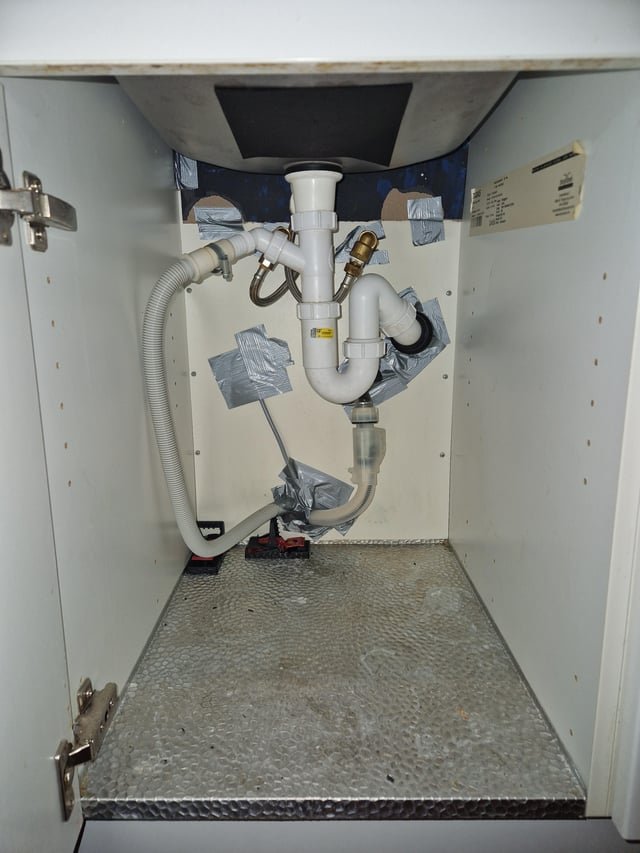
Have you ever spotted tiny black specks under your kitchen sink and wondered what they are? Those could be mouse droppings—a clear sign that unwelcome pests have made their way into your home.
Ignoring this can lead to serious health risks and damage to your kitchen. But don’t worry, understanding how to spot, clean, and prevent these droppings is easier than you think. Keep reading to protect your home and your family from these hidden dangers.

Credit: www.reddit.com
Signs Of Mouse Infestation
Noticing signs of a mouse infestation early can save you a lot of trouble. Mice don’t just appear out of nowhere—they leave clear hints behind, especially under your kitchen sink. Knowing what to look for helps you act quickly before the problem grows.
Identifying Mouse Droppings
Mouse droppings are small, dark, and pellet-shaped, usually about 1/4 inch long. They often appear in clusters near food sources or entry points, like under the kitchen sink. If you spot tiny black pellets scattered around, that’s a strong sign mice are nearby.
These droppings dry quickly and can crumble easily when touched. Fresh droppings look shiny and moist. Have you noticed any new black specks around your sink area lately? That could be your first clue.
Other Indicators Near The Sink
Besides droppings, look for gnaw marks on pipes, cupboards, or food packaging. Mice chew constantly to keep their teeth sharp and can damage your kitchen fixtures. You might also hear scratching or scurrying sounds at night.
Another sign is a musty, ammonia-like smell caused by mouse urine. Check for greasy smudge marks along walls or cabinet edges, which mice leave as they travel. These subtle hints often go unnoticed until you’re dealing with a bigger infestation.
Health Risks From Droppings
Mouse droppings aren’t just gross—they can carry serious health risks. They may contain harmful bacteria and viruses that cause diseases like Hantavirus and Salmonella. If you accidentally touch or inhale particles from dried droppings, you could get sick.
Cleaning up droppings requires care: always wear gloves and avoid sweeping or vacuuming without proper protection. Have you thought about how mouse waste might affect your family’s health? Taking action now helps keep your kitchen safe and hygienic.

Credit: www.pestpatrolmt.com
Common Causes Of Infestation
Mouse droppings under the kitchen sink signal a common problem. Understanding the causes helps stop infestations early. Small spaces like under sinks create ideal hiding spots for mice. They seek food, warmth, and shelter in these areas. Identifying what attracts them and how they enter is essential.
Attractants Under The Sink
Food crumbs and spills lure mice under sinks. Moisture from leaks also attracts them. Dirty dishes and stored pet food provide easy meals. Garbage bins near the sink add to the appeal. Cluttered spaces give mice more places to hide.
Entry Points For Mice
Mice squeeze through tiny holes and gaps. Cracks in walls or floors near the sink offer access. Open pipes and vents create easy entry paths. Gaps around cabinets and plumbing allow mice inside. Poorly sealed doors and windows contribute to the problem.
Environmental Factors
Warmth from pipes or appliances draws mice in cold weather. Nearby outdoor vegetation provides shelter and food sources. High humidity encourages mold, attracting insects that mice eat. Seasonal changes push mice indoors for safety. Poor home maintenance creates inviting conditions for pests.
Safe Cleaning Methods
Cleaning up mouse droppings under your kitchen sink requires caution and the right approach to protect your health. These droppings can carry harmful bacteria and viruses, so handling them carefully is crucial. Below are safe cleaning methods to help you tackle the mess without putting yourself at risk.
Protective Gear To Use
Before you start cleaning, gear up to avoid direct contact with droppings and contaminated surfaces. Always wear disposable gloves to keep your hands safe. A mask is essential to prevent inhaling dust or particles that may carry disease.
Consider wearing goggles to protect your eyes from splashes. Old clothes or a disposable apron can keep your clothing clean. Have these ready before you approach the affected area; it’s easy to underestimate the risks.
Effective Cleaning Solutions
Use a disinfectant to kill germs on mouse droppings and nearby surfaces. A mixture of bleach and water works well—mix 1 part bleach with 10 parts water. Spray the solution generously on droppings and let it sit for 5 minutes before wiping.
Avoid vacuuming or sweeping dry droppings as this can spread dangerous particles into the air. Instead, use paper towels soaked in disinfectant to pick up the mess gently. This method keeps particles contained and reduces exposure.
Disposal Of Droppings
Once cleaned, dispose of the droppings and used paper towels safely. Place them in a sealed plastic bag to prevent contamination. Throw the bag in an outdoor trash bin away from your living area.
After disposal, wash your hands thoroughly with soap and water—even if you wore gloves. Taking these steps seriously protects you and your family from potential health risks. Have you checked your kitchen sink lately for signs of unwanted visitors?
Prevention Techniques
Preventing mouse droppings under the kitchen sink is crucial for a clean and healthy home. Small changes can stop mice from entering and nesting in your kitchen space. Focus on closing gaps, storing food safely, and keeping the area tidy. These steps reduce the chance of mouse activity and keep your kitchen safe.
Sealing Entry Points
Check for cracks and holes around the sink and cabinets. Use steel wool or caulk to fill small openings. Larger gaps need metal mesh or hardware cloth. Mice can squeeze through tiny spaces, so seal every possible entry. Inspect pipes and vents for gaps and cover them securely.
Proper Food And Waste Storage
Store food in airtight containers made of glass or plastic. Avoid leaving crumbs or food scraps out. Empty garbage bins often and use bins with tight-fitting lids. Keep pet food sealed and do not leave it out overnight. This reduces food sources that attract mice.
Maintaining Kitchen Hygiene
Clean under the sink regularly to remove debris. Wipe counters and floors every day to remove crumbs. Fix any leaks to prevent moisture buildup. Dry wet areas quickly to avoid attracting mice. A clean, dry kitchen is less inviting for pests.
Elimination Strategies
Dealing with mouse droppings under the kitchen sink requires effective elimination strategies. Removing the rodents quickly prevents health risks and property damage. A targeted approach helps control the problem safely and efficiently. Understanding the available options makes it easier to choose the best solution.
Trapping Options
Traps offer a direct way to catch mice. Snap traps kill mice instantly, reducing suffering. Place traps along walls where mice travel most. Bait them with peanut butter or cheese. Use multiple traps for better results. Check traps daily and dispose of caught mice safely. Live traps catch mice without harm. Release them far from your home to prevent return.
Use Of Rodenticides
Rodenticides are poisons designed to kill rodents. Use them carefully to avoid risks to pets and children. Place bait stations out of reach to improve safety. Rodenticides take time to work but can be effective. Follow instructions strictly and wear gloves when handling. Clean up dead mice promptly to avoid odor and germs.
Hiring Professional Pest Control
Professionals have experience and tools to handle infestations. They inspect your home to find entry points and nests. Experts use safe methods tailored to your situation. Hiring pros saves time and reduces risk. They also provide advice on preventing future problems. Consider professional help for large or persistent infestations.

Credit: www.reddit.com
Frequently Asked Questions
What Do Mouse Droppings Under Kitchen Sink Indicate?
Mouse droppings under the kitchen sink indicate a rodent infestation. Mice seek food and warmth in kitchens. Their droppings can spread diseases and contaminate food. Immediate action is needed to prevent health risks and further damage.
How To Safely Clean Mouse Droppings Under Sink?
Wear gloves and a mask before cleaning droppings. Spray disinfectant to moisten droppings and avoid dust. Use paper towels to wipe them up. Dispose of waste in a sealed bag. Wash hands thoroughly after cleaning.
Can Mouse Droppings Cause Health Problems?
Yes, mouse droppings can spread harmful bacteria and viruses. They may cause allergies, asthma, and diseases like hantavirus. Exposure is risky, especially for children and the elderly. Proper cleanup and pest control reduce health hazards.
Why Do Mice Prefer Kitchen Sink Areas?
Kitchen sinks provide water, food crumbs, and warmth. Pipes and cabinets offer hiding spots and nesting areas. These conditions attract mice looking for shelter and resources. Keeping the area clean deters them.
Conclusion
Finding mouse droppings under your kitchen sink is a clear warning sign. Act quickly to clean and disinfect the area. Seal any holes or cracks to stop mice from entering. Keep your kitchen tidy and store food properly. Regular checks help catch problems early.
Protect your home and health by staying alert. Small steps prevent bigger issues later. Don’t ignore the signs—take action today.

Hi, I’m Daniel Harper, a senior editor here at KitchenBucks.com. For over 10 years, I’ve been exploring kitchen gadgets and appliances to help people find tools that truly add value without breaking the bank. I love simplifying product choices so you can focus more on cooking and less on worrying about what to buy. When I’m not reviewing the latest gadgets, you’ll usually find me experimenting with coffee brewing or firing up the grill for a weekend barbecue.