
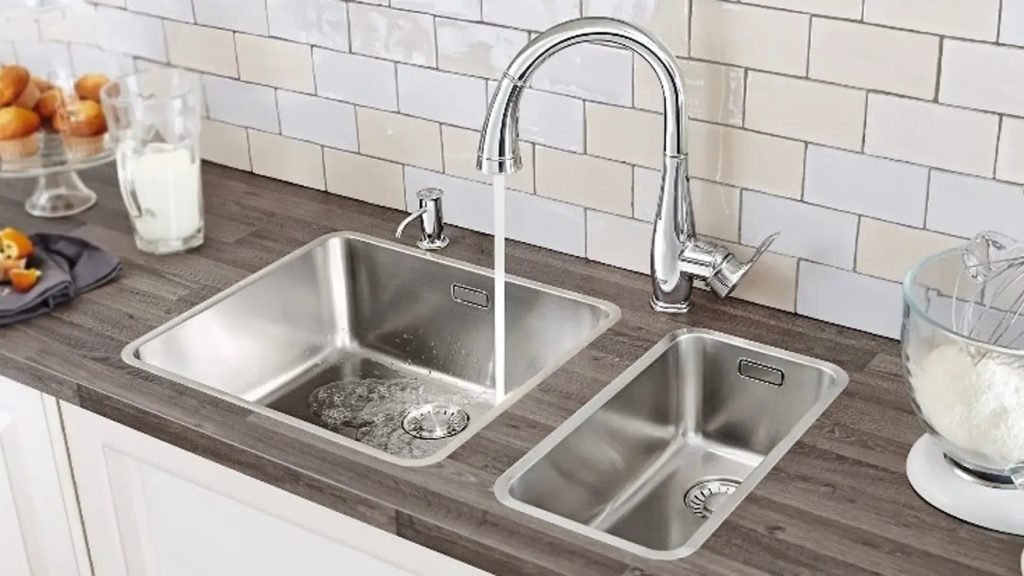
Is there a strange odor coming from under your kitchen sink? That unpleasant smell can be more than just annoying—it might signal hidden problems that could affect your home’s cleanliness and safety.
You deserve a fresh, clean kitchen space, and understanding what’s causing that odor is the first step to fixing it for good. Keep reading to discover simple, effective ways to identify and eliminate those smells so your kitchen feels inviting again.
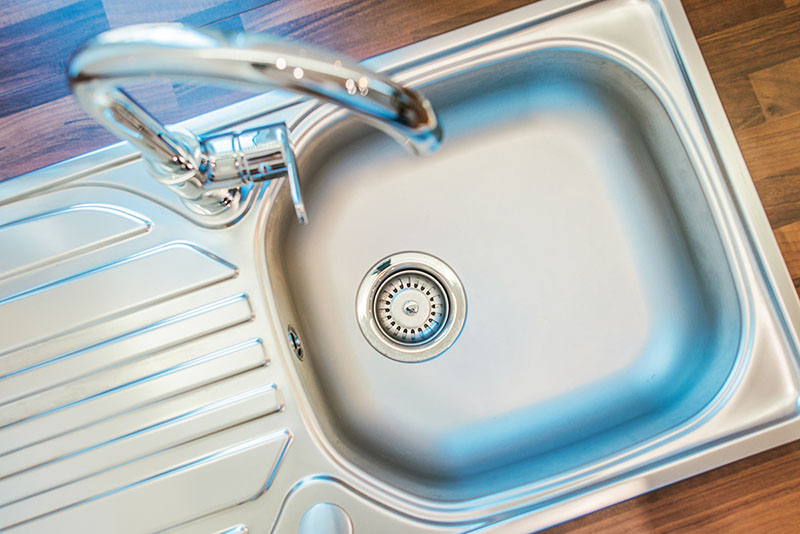
Credit: www.happycampers.store
Common Causes Of Sink Odors
Odors under the kitchen sink are a common problem in many homes. These smells often come from hidden sources that are easy to overlook. Understanding the common causes helps to fix the issue quickly and keep your kitchen fresh.
Food Particles And Grease
Food scraps trapped in the sink or drain start to rot. Grease from cooking oils sticks to pipes and surfaces. Both create a foul smell over time. Regular cleaning removes these odor sources.
Clogged Drains
Drain clogs slow water flow and trap debris. Stagnant water and trapped waste cause bad odors. Clearing clogs helps restore proper drainage and stops smells.
Mold And Mildew
Moist areas under the sink invite mold and mildew growth. These fungi produce musty, unpleasant odors. Keeping the area dry limits mold and mildew buildup.
Garbage Disposal Issues
Food stuck in the disposal can decay and smell bad. Lack of regular cleaning worsens this problem. Running the disposal often and cleaning it helps prevent odors.
Leaky Pipes And Traps
Leaks create damp spots that attract bacteria and mold. Damaged traps may let sewer gases escape. Fixing leaks and seals stops these smells from spreading.
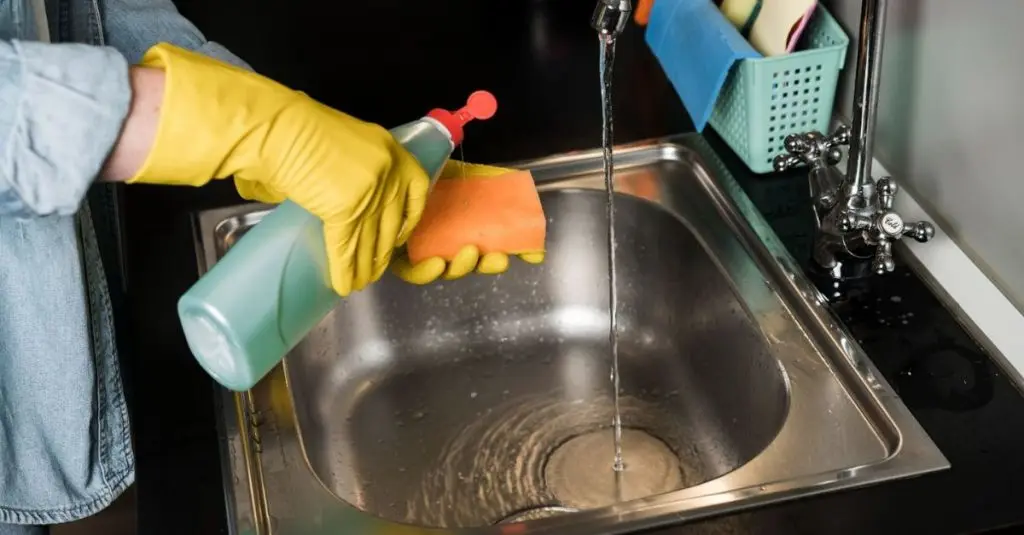
Credit: www.vevor.com
Quick Fixes For Bad Smells
Dealing with a bad smell under your kitchen sink can be frustrating and embarrassing, especially when guests are around. Fortunately, some quick fixes can help you eliminate those odors fast, using common household items. These simple tricks not only freshen the space but also improve your kitchen’s overall hygiene.
Boiling Water Flush
Pouring boiling water down the drain can help dissolve and wash away grease and food particles that cause unpleasant smells. Heat breaks down the buildup that cold water leaves behind, making your pipes cleaner.
Try doing this once or twice a week to keep odors at bay. Just be careful not to splash yourself—slow and steady pouring works best.
Baking Soda And Vinegar
This classic duo works wonders on kitchen sink odors. Sprinkle half a cup of baking soda into the drain, then slowly pour a cup of white vinegar over it.
Wait for the fizzing reaction to do its magic for about 10-15 minutes, then flush with hot water. This combo breaks down grime and neutralizes bad smells effectively.
Lemon And Citrus Fresheners
Cutting up lemon or other citrus fruits and placing them near the drain or in the garbage disposal can add a fresh, natural scent. Rubbing lemon peel around the drain also helps mask unpleasant odors.
If you have a garbage disposal, grinding lemon wedges with cold water running can leave a refreshing citrus aroma while cleaning the blades.
Using Enzyme Cleaners
Enzyme cleaners contain natural bacteria that eat away at organic material causing the stinky smell under your sink. They’re especially useful if food debris or grease buildup is persistent.
Simply pour the recommended amount into the drain and let it sit overnight. You’ll notice a significant improvement in odor within a day or two, with less chance of recurring smells.
Deep Cleaning Techniques
Getting rid of odors under your kitchen sink means going beyond surface cleaning. Deep cleaning techniques target the hidden spots where grime and bacteria thrive. These methods can refresh your space and stop bad smells before they start.
Removing And Cleaning The P-trap
The P-trap is a common culprit behind foul odors. It holds water to block sewer gases, but debris can build up inside over time.
Carefully remove the P-trap using a wrench or by hand if possible. Empty out any gunk and rinse it thoroughly with hot, soapy water. If you notice stubborn grime, soak the P-trap in a mixture of vinegar and baking soda for 15 minutes before scrubbing.
Have you checked your P-trap recently? Many skip this step and wonder why odors keep coming back.
Scrubbing Drain Pipes
Drain pipes often host hidden layers of slime and food particles. These layers feed bacteria that create unpleasant smells.
Use a long brush or flexible pipe cleaner to scrub inside the drain pipes. Combine this with flushing hot water mixed with a few drops of dish soap to wash away loosened debris. Regular scrubbing can prevent buildup and keep your pipes smelling fresh.
What if a simple brush could solve the mystery of your kitchen sink odor?
Cleaning Garbage Disposal Thoroughly
The garbage disposal can trap bits of food that rot and smell. Cleaning it well is key to eliminating odors.
- First, disconnect the power for safety.
- Use a small brush or old toothbrush to scrub the disposal’s inner surfaces.
- Grind ice cubes mixed with a handful of rock salt to remove residue from the blades.
- Finish by grinding lemon or orange peels for a fresh scent.
Have you ever noticed how a quick lemon peel can transform the smell of your disposal? Simple actions like these make a big difference.
Preventive Measures To Avoid Odors
Preventing odors under the kitchen sink requires regular care and smart habits. Small actions stop bad smells before they start. Clean pipes, dry spaces, and careful waste disposal keep your kitchen fresh. Follow these simple tips to avoid unpleasant odors.
Regular Drain Maintenance
Clean your drains weekly to stop buildup. Use hot water to flush grease and food bits. Baking soda and vinegar work well to clear minor clogs. Avoid harsh chemicals that can damage pipes. Keep drains clear to prevent odor sources.
Proper Disposal Of Food Waste
Never pour grease or coffee grounds down the sink. Use a compost bin or trash for food scraps. Avoid letting large food pieces enter the drain. This prevents decay and bad smells. Proper disposal keeps pipes cleaner longer.
Keeping The Area Dry
Wipe spills and leaks promptly under the sink. Moist areas encourage mold and bacteria growth. Use a small fan or open cabinet doors to air out dampness. Dry spaces reduce odor-causing microbes effectively.
Using Drain Strainers
Place strainers over sink drains to catch debris. Empty strainers into the trash regularly. This stops food particles from going down pipes. Strainers are simple tools to keep drains clean and odor-free.
When To Call A Professional
Sometimes, odors under the kitchen sink need more than basic cleaning. Knowing when to call a professional can save time and prevent bigger problems. Experts can spot hidden issues and fix them safely and quickly.
Persistent Odors Despite Cleaning
Cleaning alone may not remove bad smells under the sink. If odors stay after scrubbing and deodorizing, a deeper problem might exist. Professionals have tools to find and fix hidden sources of the smell.
Signs Of Plumbing Damage
Leaks, water stains, or soft cabinet wood indicate plumbing damage. Damaged pipes can cause odors and water damage. A plumber can inspect pipes and repair leaks to stop the smell and prevent more damage.
Mold Infestation Concerns
Mold grows in damp, dark places like under the sink. Mold causes musty smells and health risks. A professional can check for mold, remove it safely, and fix moisture problems to keep your kitchen healthy.

Credit: www.amazon.com
Frequently Asked Questions
What Causes Odor Under The Kitchen Sink?
Odor under the kitchen sink often comes from trapped food debris, mold, or leaks. Moisture promotes bacterial growth, leading to unpleasant smells. Regular cleaning and checking for leaks can prevent odor buildup.
How Can I Remove Odor Under My Kitchen Sink?
To remove odor, clean the area with a mixture of baking soda and vinegar. Clear the drain of debris and ensure proper ventilation. Fix any leaks promptly to stop moisture accumulation.
Is A Leaking Pipe Causing Kitchen Sink Odor?
Yes, leaking pipes can cause moisture buildup, fostering mold and bacteria growth. This results in a foul odor under the sink. Inspect pipes regularly and repair leaks quickly to maintain freshness.
Can Garbage Disposal Cause Smell Under The Sink?
Garbage disposals can trap food particles, causing odor if not cleaned regularly. Run cold water and disposal frequently, and clean with baking soda or lemon to keep smells away.
Conclusion
Bad smells under the kitchen sink can cause real trouble. Clean the area often and check for leaks. Throw away old food and trash to stop odors. Use natural cleaners like vinegar or baking soda. Keep pipes clear and dry to prevent smells.
Small steps make your kitchen fresh and safe. A clean sink space helps your whole home feel better. Don’t ignore the smell—fix it fast for peace of mind.
Hi, I’m Daniel Harper, a senior editor here at KitchenBucks.com. For over 10 years, I’ve been exploring kitchen gadgets and appliances to help people find tools that truly add value without breaking the bank. I love simplifying product choices so you can focus more on cooking and less on worrying about what to buy. When I’m not reviewing the latest gadgets, you’ll usually find me experimenting with coffee brewing or firing up the grill for a weekend barbecue.