
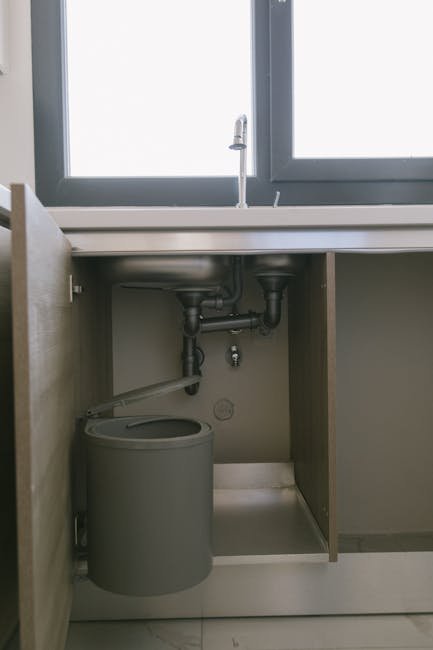
Is your kitchen sink area a cluttered mess that makes you want to avoid cleaning or cooking? You’re not alone.
Many people struggle with organizing the space under their kitchen sink, where cleaning supplies, sponges, and random items pile up. But imagine opening that cabinet and instantly finding exactly what you need without digging through chaos. You’ll discover simple, effective ways to organize under your kitchen sink so it becomes a tidy, functional space.
Keep reading to transform your clutter into calm and make your kitchen work for you.
Assessing The Space
Before you dive into organizing the space under your kitchen sink, it’s important to understand exactly what you’re working with. Assessing this often overlooked area can save you from future headaches and help you create an efficient, clutter-free zone. Taking the time to evaluate the space lays the foundation for smart storage solutions tailored to your needs.
Measure Dimensions
Start by measuring the width, height, and depth of the cabinet under your sink. Use a tape measure to get exact numbers—don’t guess. Knowing these dimensions helps you choose storage containers and organizers that fit perfectly without wasting space.
It’s easy to overlook small details like the cabinet door thickness or any uneven surfaces, so measure those too. Have you ever bought a storage bin only to find it won’t fit? Avoid that by jotting down all relevant measurements first.
Identify Problem Areas
Look closely for common trouble spots like hard-to-reach corners or areas prone to moisture buildup. These spots often become dumping grounds for random items or get moldy over time. Ask yourself: which parts of this space frustrate me the most when I’m trying to find something?
Spotting these problem areas early on will guide you in selecting the right organizers. For instance, if a corner is wasted space, a lazy Susan or tiered shelf might be the perfect fix. Think about how you use the space daily and what causes the most clutter or mess.
Check Plumbing Constraints
Pay attention to pipes, garbage disposals, and water filters that take up space under your sink. These can limit where you place bins or shelves. You don’t want to block access to plumbing for repairs or risk damaging anything with your storage setup.
Try to visualize the plumbing layout or even sketch it out. This will help you plan around these obstacles without sacrificing too much storage. Have you noticed a cabinet that feels cramped because of pipes? That’s exactly why this step is crucial.
:max_bytes(150000):strip_icc()/GettyImages-1405396332-4708b92fa11642eda2ebb8081bf44c82.jpg)
Credit: www.thespruce.com
Decluttering Essentials
Decluttering the kitchen sink area creates a cleaner and safer space. It helps you find items fast and keeps the area hygienic. A neat under-sink cabinet makes cooking and cleaning easier. Focus on removing what you don’t need and sorting what you keep.
Sort Items By Usage
Group items based on how often you use them. Keep daily essentials within easy reach. Store rarely used products at the back or in less accessible spots. This way, you save time and reduce clutter.
Dispose Of Expired Products
Check all cleaning supplies and chemicals for expiration dates. Toss out anything old or no longer safe to use. Expired products lose effectiveness and can be hazardous. Removing them frees up space and keeps your family safe.
Group Similar Items
Store like items together for better organization. Place all sponges, brushes, and scrubbers in one container. Keep cleaning sprays and detergents in another. Use small bins or baskets to separate categories. This system simplifies finding what you need quickly.
Storage Solutions
Storage solutions under the kitchen sink help keep cleaning supplies and tools neat. A clutter-free space makes it easier to find items quickly. Organizing this area improves kitchen hygiene and maximizes space.
Use Stackable Bins
Stackable bins create layers of storage. They keep smaller items grouped and easy to reach. Clear bins help identify contents without opening them. Label each bin for faster access. This method saves floor space and reduces mess.
Install Pull-out Drawers
Pull-out drawers provide easy access to items at the back. They slide smoothly, making retrieval simple and fast. Drawers prevent bending and reaching into dark corners. Use them for bottles, sponges, and brushes. This solution keeps everything visible and organized.
Add Adjustable Shelving
Adjustable shelves offer flexible storage height. Customize shelf positions to fit tall or short items. They create more usable space and prevent stacking. Shelves keep cleaning products upright and easy to grab. This approach adapts to changing storage needs.

Credit: www.amazon.ca
Maximizing Vertical Space
Maximizing vertical space under your kitchen sink can transform a cluttered area into a neatly organized zone. It’s easy to overlook the height available inside cabinets, but using this space wisely can free up room and keep everything within reach. Have you ever struggled to find a cleaning spray or a sponge buried at the bottom of your cabinet? Vertical storage solutions can solve that problem instantly.
Hang Hooks And Racks
Adding hooks and racks on the side walls or back of the cabinet allows you to hang items like gloves, brushes, or small towels. This keeps them off the cabinet floor and easy to grab when needed. You can use adhesive hooks or screw-in racks depending on your cabinet material and preferences.
Think about the number of small tools you use daily—can you hang them vertically instead of stacking them? Many hooks are designed to hold weight without damaging surfaces, making them perfect for under-sink storage.
Use Door-mounted Organizers
Door-mounted organizers take advantage of the cabinet door’s vertical space, offering extra storage without crowding the main area. These organizers work well for storing bottles, sponges, or cleaning wipes where you can see and access them quickly.
Installing these organizers is straightforward, often requiring just a few screws or strong adhesives. Have you considered how much unused space your cabinet doors hold? Using them can drastically reduce the mess below.
Maintenance Tips
Keeping your kitchen sink area organized doesn’t end after the initial setup. Regular maintenance is key to ensuring everything stays neat, accessible, and functional. Simple habits can save you time and frustration, preventing clutter and mess from creeping back.
Regular Cleaning Schedule
Set a weekly reminder to clean under your kitchen sink. Wipe down shelves and containers to remove spills, dust, or mold buildup. This small effort helps keep your space hygienic and prevents unpleasant odors.
Don’t forget to check for leaks or moisture during cleaning. A damp environment can damage stored items and invite pests. Spotting problems early can save you from costly repairs.
Periodic Reassessment
Every few months, take a moment to reassess what you store under your sink. Are all items still necessary? Have you added new products that need their own space?
Removing unused or expired items frees up room and reduces clutter. It also gives you a chance to rearrange things for better access. Could you use stackable bins or adjustable shelves to improve organization?
Avoid Overloading
It’s tempting to use every inch of space under your sink, but overloading can cause problems. Heavy or bulky items may damage shelves or make it hard to find what you need.
Keep frequently used items within easy reach and store heavier supplies on the bottom. Ask yourself: does this item belong here, or would another storage spot serve it better?

Credit: www.amazon.ca
Frequently Asked Questions
How To Start Organizing Under The Kitchen Sink?
Begin by emptying the cabinet completely. Clean the area thoroughly. Sort items into categories like cleaning supplies and tools. Use bins and organizers to keep similar items together for easy access and maintenance.
What Are The Best Storage Solutions Under Kitchen Sink?
Use stackable bins, pull-out drawers, and tension rods. These maximize vertical space and keep items visible. Clear containers help identify contents quickly. Consider waterproof liners to protect the cabinet floor from leaks.
How To Prevent Odors Under The Kitchen Sink?
Keep the area dry and clean regularly. Use baking soda or activated charcoal to absorb smells. Ensure proper ventilation. Fix any leaks promptly to avoid mold and mildew growth.
Can I Store Food Items Under The Kitchen Sink?
It is not recommended due to moisture and possible contamination. Chemicals and cleaning products stored there may pose health risks. Keep food in a dry, cool, and separate pantry area instead.
Conclusion
Organizing under your kitchen sink saves space and reduces clutter. Clear containers and labels keep everything easy to find. Sorting items by use helps maintain order daily. Regularly checking and cleaning prevents mess from building up. Small changes can make a big difference in your kitchen.
Start with one shelf and build from there. A neat kitchen sink area makes cooking more enjoyable. Simple steps create a tidy, stress-free space for your home.

Hi, I’m Daniel Harper, a senior editor here at KitchenBucks.com. For over 10 years, I’ve been exploring kitchen gadgets and appliances to help people find tools that truly add value without breaking the bank. I love simplifying product choices so you can focus more on cooking and less on worrying about what to buy. When I’m not reviewing the latest gadgets, you’ll usually find me experimenting with coffee brewing or firing up the grill for a weekend barbecue.