
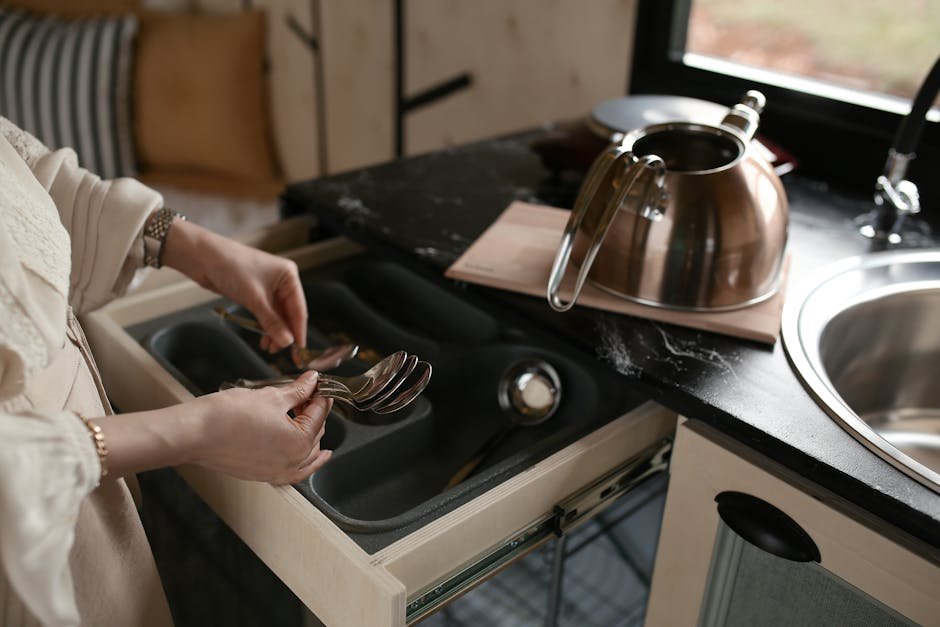
Is your kitchen sink area a cluttered mess that makes finding what you need a daily struggle? You’re not alone.
Many people underestimate the power of organizing this small but essential space. Imagine opening your cabinet and instantly spotting cleaning supplies, sponges, and trash bags without digging through piles. When your kitchen sink area is neatly organized, it saves you time, reduces stress, and makes your whole kitchen feel more inviting.
You’ll discover simple, practical tips to transform the chaos under your kitchen sink into a tidy, efficient space you’ll actually enjoy using. Ready to reclaim your cabinet and simplify your kitchen routine? Let’s get started.
:max_bytes(150000):strip_icc()/GettyImages-1405396332-4708b92fa11642eda2ebb8081bf44c82.jpg)
Credit: www.thespruce.com
Assessing The Space
Before you start organizing the clutter under your kitchen sink, take a moment to carefully assess the space. Understanding the exact layout and challenges will help you create a storage system that actually works. Knowing what you’re dealing with makes the whole process less frustrating and more productive.
Measuring Dimensions
Grab a tape measure and note down the width, height, and depth of the cabinet. Pay attention to any pipes or obstacles that reduce usable space. Don’t forget to measure the door clearance to ensure your storage solutions don’t block access.
Write down your measurements or keep them on your phone for quick reference. This simple step prevents buying containers or organizers that don’t fit. Have you ever bought a bin only to realize it’s too tall or wide? Measuring first saves you from that hassle.
Identifying Problem Areas
Look closely at what’s causing the mess. Is it cleaning supplies spilling? Or maybe items are hard to reach at the back? Spotting these trouble spots helps you decide where to place baskets, hooks, or trays.
Think about your daily habits. Do you grab the same items often? If so, those should be easy to reach. Items used less frequently can go in the back or higher up. This way, you reduce time spent searching and keep the area tidy.
Clearing Out The Clutter
Clearing out the clutter under your kitchen sink is the first and most important step to creating an organized and functional space. This area often becomes a catch-all for various cleaning supplies, tools, and random items that don’t have a designated home. Taking the time to clear everything out gives you a fresh start and makes it easier to see what you really need to keep.
Sorting Items
Start by taking everything out from under your sink. Lay the items on a clear surface so you can easily sort through them. Group similar items together, such as cleaning sprays, sponges, garbage bags, and dish soaps.
Ask yourself: Do you use this item regularly? Does it belong in the kitchen or somewhere else? Sorting helps you decide what stays, what moves, and what can be stored differently for easier access.
Discarding Expired Products
Check the expiration dates on all products, especially cleaning chemicals and sprays. Expired items can lose their effectiveness or even become unsafe to use. Toss out anything that’s past its prime.
Also, be mindful of damaged containers or products you’ve had for years but never used. Getting rid of these frees up valuable space and reduces the risk of spills or leaks under your sink.
Choosing Storage Solutions
Choosing the right storage solutions for your kitchen sink area can transform a cluttered mess into a neat, accessible space. The key is to pick options that fit your needs and the size of your cabinet. Think about what you use most and how you want to reach those items quickly.
Using Bins And Baskets
Bins and baskets are a simple way to group similar items together under your sink. They keep cleaning supplies, sponges, and extra trash bags from sliding around. Clear bins let you see what’s inside without digging, saving you time and frustration.
Try using stackable baskets if your cabinet is tall enough. This adds extra layers of storage without wasting space. Would you rather grab a basket or search through a jumble of bottles every day?
Installing Shelves And Drawers
Shelves and pull-out drawers make the most of vertical and deep spaces under the sink. Adding a small shelf can separate tall bottles from smaller items, keeping everything visible and easy to reach. Drawers let you pull the contents out instead of crawling under the sink to find what you need.
Measure your cabinet carefully before installing shelves or drawers. Some adjustable options fit inside existing cabinets without tools. Could a simple shelf change how often you lose track of cleaning sprays?
Incorporating Hooks And Racks
Hooks and racks help you hang items like gloves, brushes, or small towels right where you use them. They free up shelf space and prevent things from getting wet or dirty on the bottom of the cabinet. Magnetic or adhesive hooks are great if you don’t want to drill holes.
Think about what items you reach for most under your sink and hang those within easy reach. How much time would you save if everything had its own spot on a rack or hook?
Maximizing Vertical Space
Maximizing vertical space under the kitchen sink makes the most of a small area. It helps keep cleaning supplies and tools neat and easy to find. Vertical storage avoids clutter and frees up the floor and shelf space below.
Using vertical space also improves air flow, which reduces moisture build-up. It keeps items dry and prevents mold or mildew. Organizing this area with height in mind creates a tidy, practical storage zone.
Adding Stackable Containers
Stackable containers help use the full height under the sink. They create layers for storing items without wasting space. Clear containers make it easy to see what is inside at a glance.
Choose containers that fit the height between the bottom of the sink and the cabinet floor. Stack smaller containers on top of larger ones for stability. Label each container to quickly find cleaning tools or supplies.
- Use airtight containers to keep items dry and fresh.
- Pick containers with handles for easy pulling out.
- Group similar items together for better organization.
Utilizing Door Organizers
Door organizers add extra storage space on the inside of cabinet doors. They hold small bottles, sponges, brushes, and spray bottles. This method frees up shelf space for bigger items.
Install racks, pockets, or hooks on the door surface. Choose organizers that fit your door size and open easily. This keeps frequently used items within reach and off the cabinet floor.
- Use adjustable racks to fit different sized bottles.
- Hang small baskets or mesh pockets for flexible storage.
- Add hooks for hanging gloves or scrub brushes.
Labeling For Easy Access
Labeling is a simple yet powerful way to keep everything under your kitchen sink easy to find. It saves you time and frustration, especially when you’re in a hurry. Clear labels help you and everyone in your household quickly spot what you need without digging through clutter.
Creating Clear Labels
Clear labels should be easy to read at a glance. Use large, bold fonts and avoid fancy scripts that slow you down. You can write directly on containers or use printable label sheets for a neat look.
Think about the words you use. Instead of vague terms like “stuff,” be specific: “Dish Soap,” “Sponges,” or “Trash Bags.” This small detail makes a big difference in how fast you find what you want.
Try to place labels on the front of containers or shelves where your eyes naturally fall. If you’ve ever wasted time searching for an item hidden behind others, you know how important placement is.
Color Coding Systems
Adding color to your labels can speed up identification even more. Assign colors to categories like cleaning supplies, recycling bags, and kitchen tools. For example, blue labels for cleaning sprays and green for recyclables.
Colors work as quick visual cues. Even if you don’t read the label, you can grab the right container by its color. This is especially helpful when you’re multitasking or in a rush.
Make sure everyone in your home knows the color code. A simple chart stuck inside the cabinet door can remind everyone what each color means. Have you thought about how much easier your daily routine would be with a clear color system?

Credit: www.instagram.com
Maintaining Organization
Keeping the area under your kitchen sink tidy requires effort over time. Organization is not a one-time task but a habit. Consistent care helps prevent clutter and makes daily kitchen work easier. Simple habits keep everything in place and easy to find.
Regular Cleaning Routine
Set a schedule to clean under your sink regularly. Wipe surfaces to remove dust and spills. Check for leaks or damage to avoid bigger problems. Throw away expired or empty products to free up space. Use this time to return items to their proper spots.
Periodic Reassessment
Look over your storage system every few months. Ask if the current setup still works for your needs. Remove items you no longer use or need. Consider adding or changing containers to improve order. Adjust your system to keep it simple and effective.
Safety Tips
Keeping the area under your kitchen sink safe is crucial, especially if you store cleaning supplies and chemicals there. A cluttered or unsafe space can lead to accidents that are easily preventable. Let’s look at some practical safety tips to protect yourself and your loved ones.
Storing Chemicals Properly
Chemicals under the sink should never be mixed together or stored loosely. Use clear, labeled containers to avoid confusion and keep everything easy to identify.
Place hazardous items on the bottom shelf to reduce the risk of spills. Avoid storing chemicals near food or utensils to prevent contamination.
Think about how often you use each product. Keep frequently used items at the front and less-used ones at the back. This simple habit can prevent accidental tipping or knocking over of dangerous substances.
Childproofing The Area
If you have children, securing the space under your sink is non-negotiable. Install childproof locks or latches on the cabinet doors to keep curious hands out.
Consider using safety bins with lids for storing chemicals. This extra layer of protection can stop spills and keep harmful products out of reach.
Ask yourself: is your current setup enough to deter a child from opening the cabinet? If not, it’s time to make changes. Your peace of mind is worth the effort.

Credit: mx.pinterest.com
Frequently Asked Questions
How Can I Maximize Space Under The Kitchen Sink?
Use stackable bins, pull-out drawers, and tension rods. Group similar items together for easy access. Label containers to maintain order and avoid clutter.
What Are The Best Organizers For Kitchen Sink Cabinets?
Plastic bins, wire racks, and adjustable shelves work well. These organizers help separate cleaning supplies, tools, and trash bags efficiently.
How Do I Prevent Moisture Buildup Under The Sink?
Keep the area dry by fixing leaks immediately. Use moisture-absorbing products like silica gel or baking soda to reduce humidity.
What Items Should I Store Under The Kitchen Sink?
Store cleaning supplies, sponges, dish soap, and trash bags. Avoid storing food or heavy items to prevent damage and odors.
Conclusion
A well-organized kitchen sink area saves time and reduces stress. Clear space helps you find items quickly. Use containers and shelves to keep everything neat. Regularly check and remove unused products. Small changes make a big difference in daily tasks.
Keep it simple and tidy for easy cleaning. A neat kitchen sink area makes cooking more enjoyable. Try these tips and see the difference yourself.
